Evaluation of the Winemaking Characteristics of High Anthocyanin Teinturier Grape Varieties (Lines)
Hongyan Zhang, Xiaoqian Zhang, Yu Deng, Yaoyuan Zhai, Yuanpeng Du, Yulin Fang, Kekun Zhang, Keqin Chen

TL;DR
This study evaluates new teinturier grape varieties for their wine-making qualities, focusing on acid, phenol, and aroma content.
Contribution
The study introduces and compares eight new teinturier grape varieties for improved wine characteristics under adverse conditions.
Findings
A1 wine has high citric and tartaric acid levels, while B2 wine has elevated malic and succinic acids.
C1, B2, and G1 wines show higher total phenol, anthocyanin, and tannin content compared to traditional varieties.
B2 and A1 wines have better phenolic profiles, while B2, C1, and B5 wines offer superior flavor characteristics.
Abstract
Teinturier grapes are an important germplasm resource for addressing the insufficient accumulation of anthocyanins in grapes under adverse climatic conditions. To enrich the variety diversity, eight newly bred teinturier grape varieties were used for comparison with the traditional teinturier grape variety “Yan 73”. The results showed that A1 wine exhibits high levels of citric and tartaric acids, while the B2 wine showed elevated levels of malic and succinic acids. The C1, B2, and G1 wines showed higher total phenol, anthocyanin, flavonoid, flavan-3-ol, and tannin content. In the free volatile components of C1 wine, α-phellandrene, methyl salicylate, α-Terpineol, β-Myrcene, isoamylol and ethyl acetate were the primary aroma compounds. Meanwhile, the glycosidically bound aroma components of B2 wine were predominantly dominated by nonanal, benzaldehyde, α-terpineol, hexanal,…
Genes, proteins, chemicals, diseases, species, mutations and cell lines named across the full text — each resolved to its canonical identifier and authoritative record.
Click any figure to enlarge with its caption.
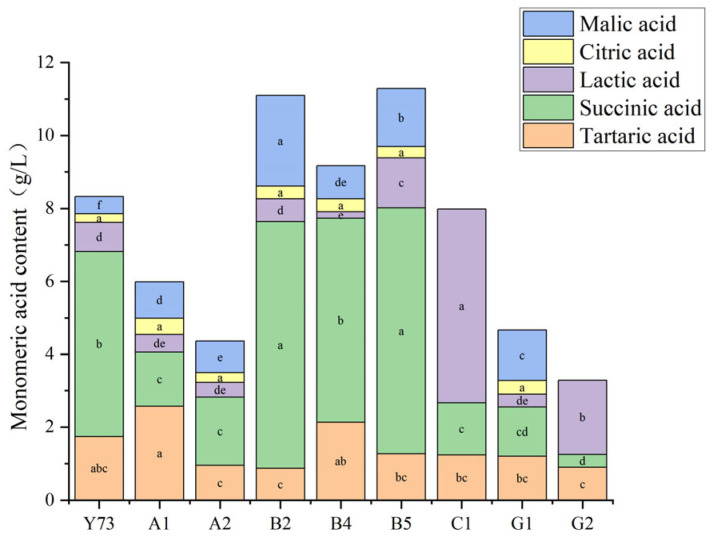 Figure 1
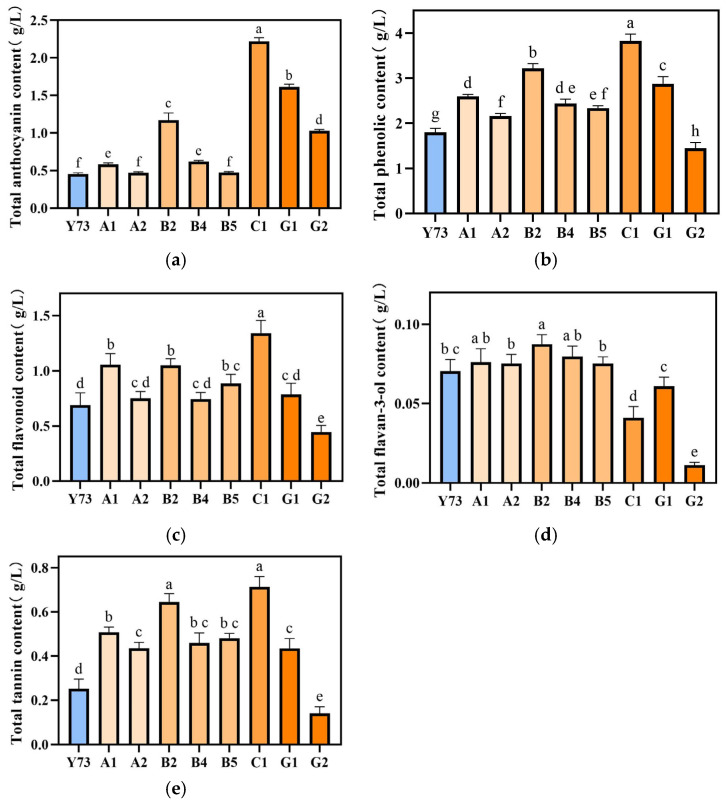 Figure 2
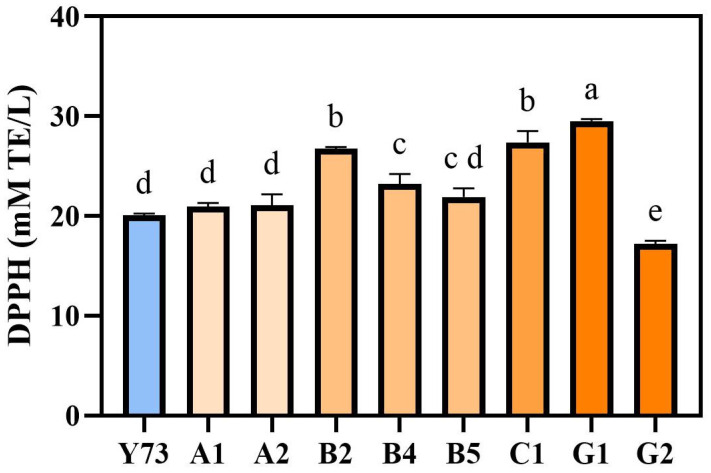 Figure 3
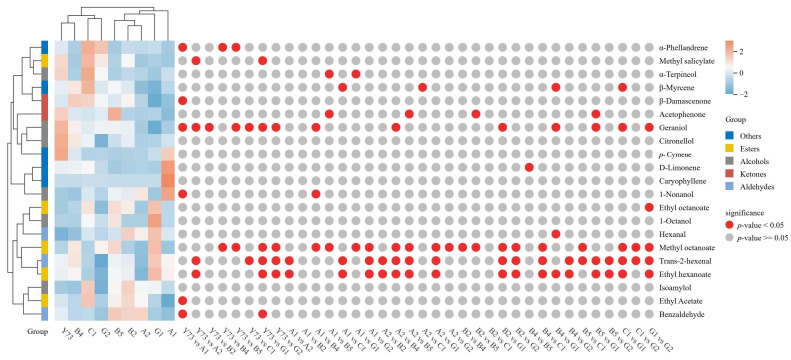 Figure 4
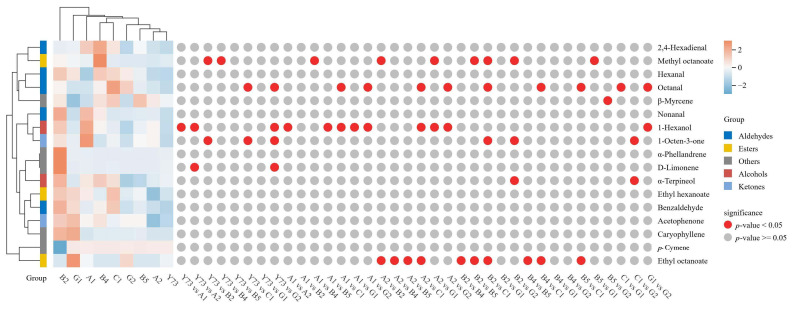 Figure 5
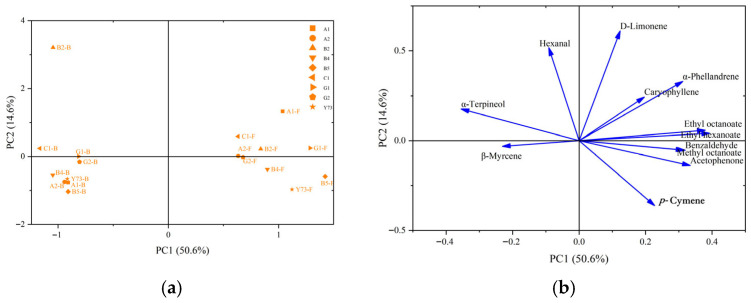 Figure 6
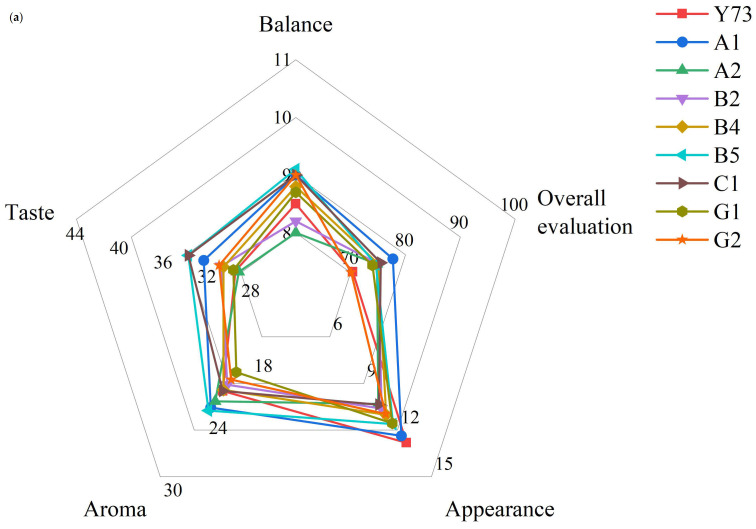 Figure 7
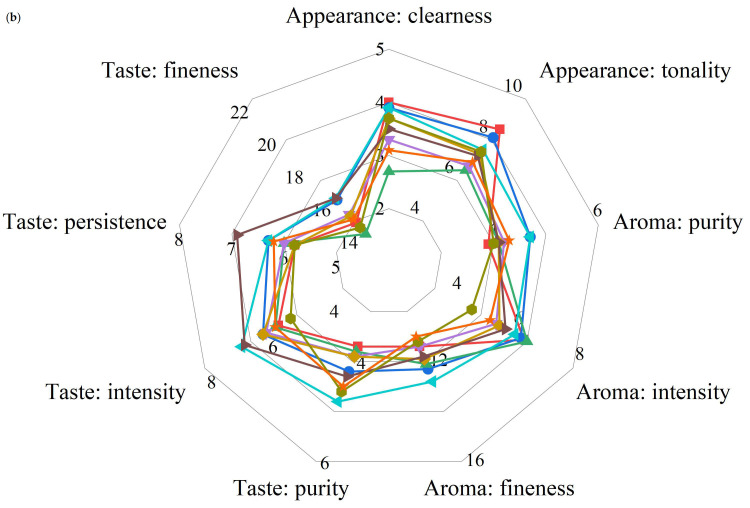 Figure 8
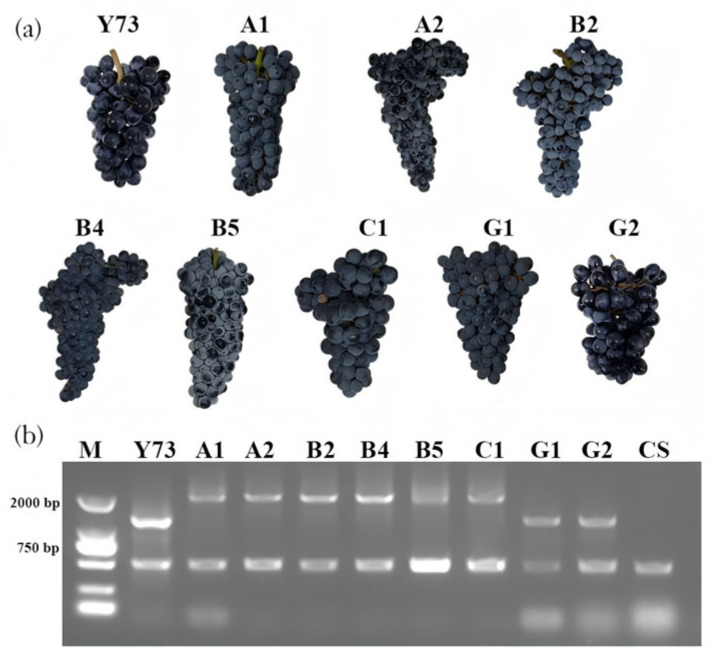 Figure 9
Peer Reviews
No public reviews on file for this paper yet. If you reviewed it on a platform where reviews are public (OpenReview, ICLR, NeurIPS, ICML), you can paste yours below so the community can read it here.
Videos
No videos yet. Explain this paper in a talk, walkthrough, or lecture? Add one.
Taxonomy
TopicsHorticultural and Viticultural Research · Fermentation and Sensory Analysis · Phytochemicals and Antioxidant Activities