Advancements in Functional Dressings and a Case for Cotton Fiber Technology: Protease Modulation, Hydrogen Peroxide Generation, and ESKAPE Pathogen Antibacterial Activity
J. Vincent Edwards, Nicolette T. Prevost, Doug J. Hinchliffe, Sunghyun Nam, Crista A. Madison

TL;DR
This paper explores new wound dressings made from cotton that can control protease levels, generate hydrogen peroxide, and fight antibiotic-resistant bacteria.
Contribution
The study introduces a modified cotton-based technology with antibacterial properties against ESKAPE pathogens and wound-healing functions.
Findings
The cotton-based technology showed significant protease uptake and hydrogen peroxide generation.
It demonstrated >99.99% efficacy against ESKAPE pathogens in antibacterial testing.
The modified cotton outperformed traditional dressings in promoting wound healing functions.
Abstract
The development of functionality in wound dressings has progressed since the discovery by Winter that moist wounds heal more rapidly. Approaches to incorporate functionality on several fronts of wound healing have been targeted. Here, we consider three functional features that have received increased attention for their role in promoting healing in hard-to-heal wounds: control of protease levels, hydrogen peroxide generation, and antibacterial efficacy against multidrug resistance bacteria, the ESKAPE (Enterococcus faecium, Staphylococcus aureus, Klebsiella pneumoniae, Acinetobacter baumannii, Pseudomonas aeruginosa, and Enterobacter species) pathogens. We review some clinically employed dressings used to treat chronic and burn wounds that have been characterized by their functional protease-modulating activity and contrast one well-studied analog with a cotton-based technology.…
Genes, proteins, chemicals, diseases, species, mutations and cell lines named across the full text — each resolved to its canonical identifier and authoritative record.
Click any figure to enlarge with its caption.
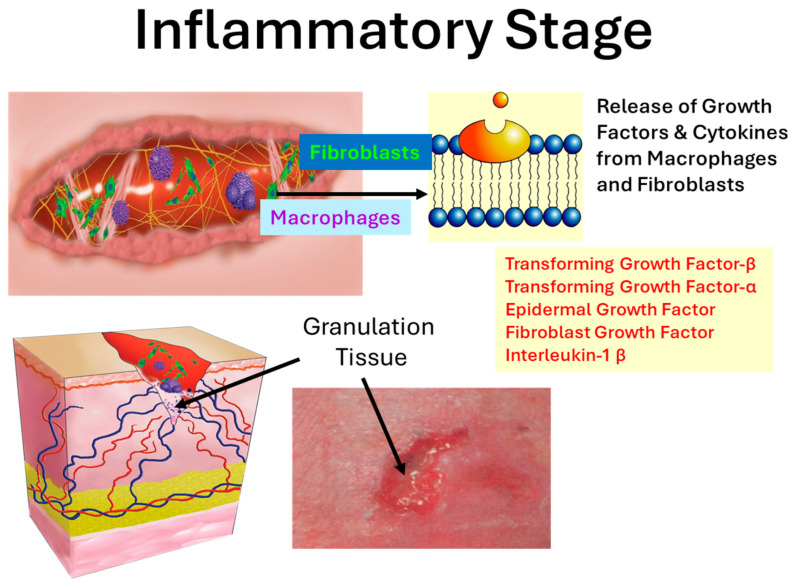 Figure 1
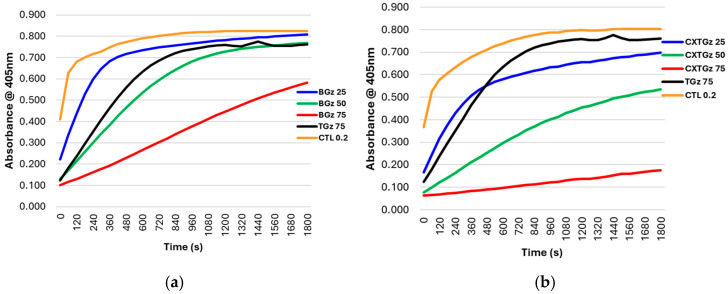 Figure 2
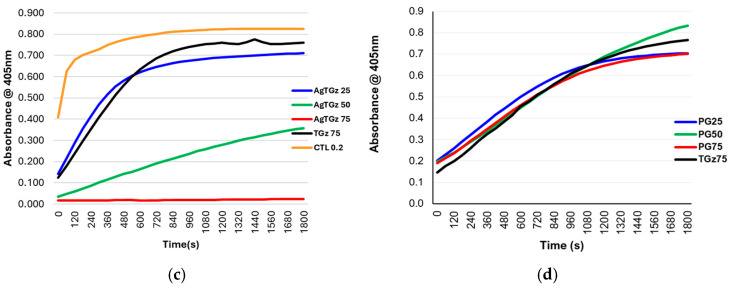 Figure 3
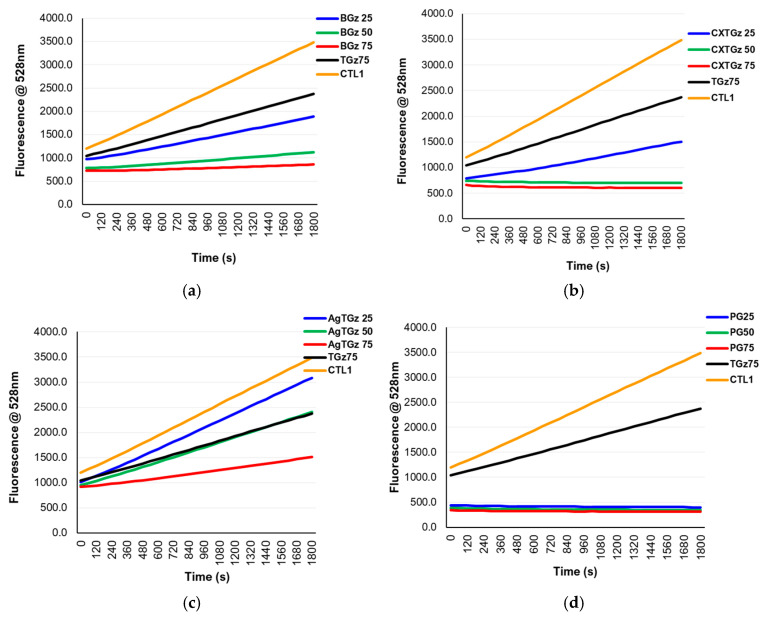 Figure 4
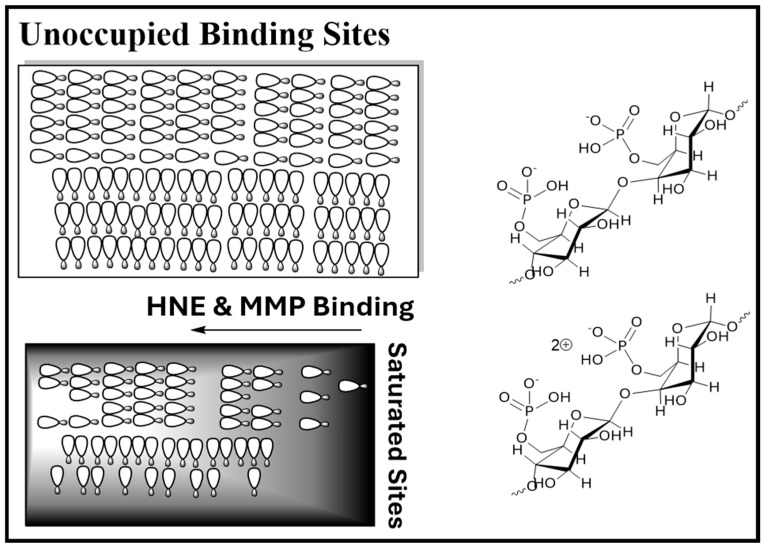 Figure 5
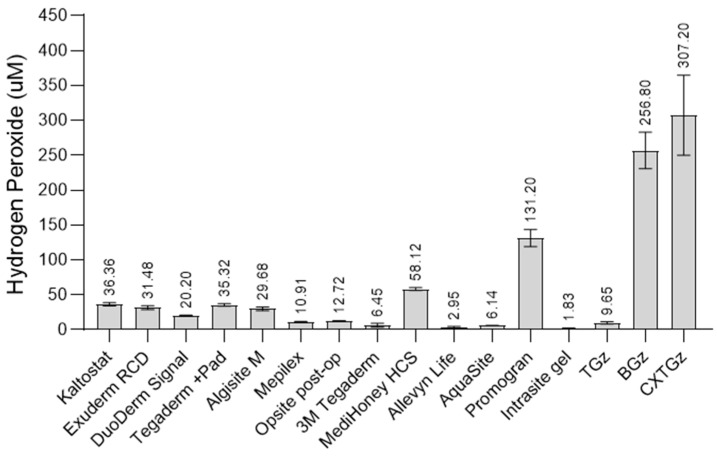 Figure 6
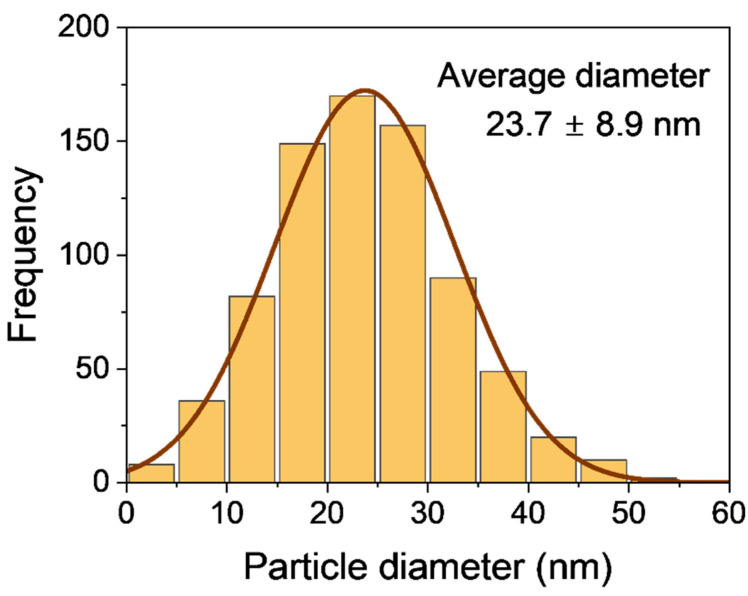 Figure 7
Peer Reviews
No public reviews on file for this paper yet. If you reviewed it on a platform where reviews are public (OpenReview, ICLR, NeurIPS, ICML), you can paste yours below so the community can read it here.
Videos
No videos yet. Explain this paper in a talk, walkthrough, or lecture? Add one.
Taxonomy
TopicsWound Healing and Treatments · Hemostasis and retained surgical items · Surgical site infection prevention