Upper Crossed Syndrome in the Workplace: A Narrative Review with Clinical Recommendations for Non-Pharmacologic Management
Nina Hanenson Russin, Carson Robertson, Alicia Montalvo

TL;DR
Upper crossed syndrome, a posture-related musculoskeletal disorder common in office workers, causes neck and shoulder pain and can be managed with non-drug treatments like stretching and ergonomic improvements.
Contribution
This paper provides clinical recommendations for non-pharmacologic management of upper crossed syndrome and highlights its public health impact.
Findings
Upper crossed syndrome is prevalent among office workers and contributes to high rates of neck and shoulder pain.
Early diagnosis and non-invasive treatments like stretching and ergonomic adjustments can reduce symptoms and prevent complications.
Improving workplace ergonomics and increasing provider awareness can lead to a healthier and more productive workforce.
Abstract
Public health relevance—How does this work relate to a public health issue? Upper crossed syndrome, a musculoskeletal disorder characterized by a forward head posture, rounded shoulders, and scapular dyskinesis, is a major global contributor to neck pain, rated at 2450 individuals per 100,000, with shoulder pain incidence at 37.8 per 1000 individuals per year.This syndrome is particularly common among office workers who spend long periods working on computers, leading to high rates of absenteeism, reduced productivity, and disability. Upper crossed syndrome, a musculoskeletal disorder characterized by a forward head posture, rounded shoulders, and scapular dyskinesis, is a major global contributor to neck pain, rated at 2450 individuals per 100,000, with shoulder pain incidence at 37.8 per 1000 individuals per year. This syndrome is particularly common among office workers who spend…
Genes, proteins, chemicals, diseases, species, mutations and cell lines named across the full text — each resolved to its canonical identifier and authoritative record.
Click any figure to enlarge with its caption.
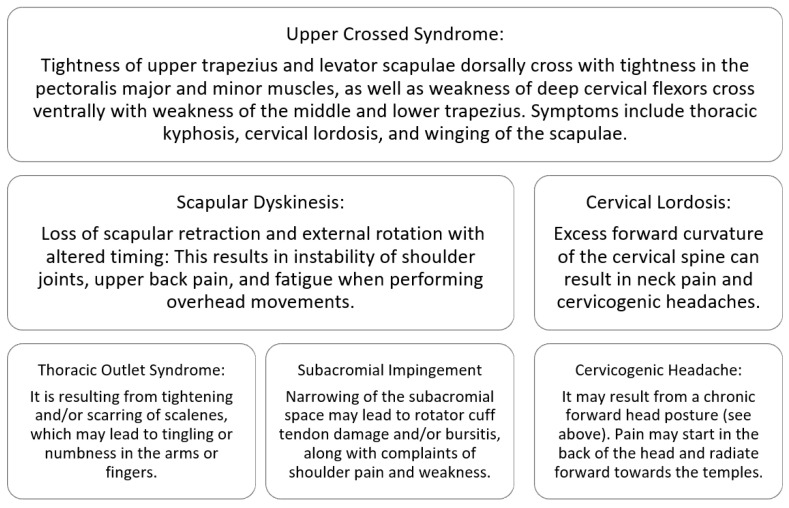 Figure 1
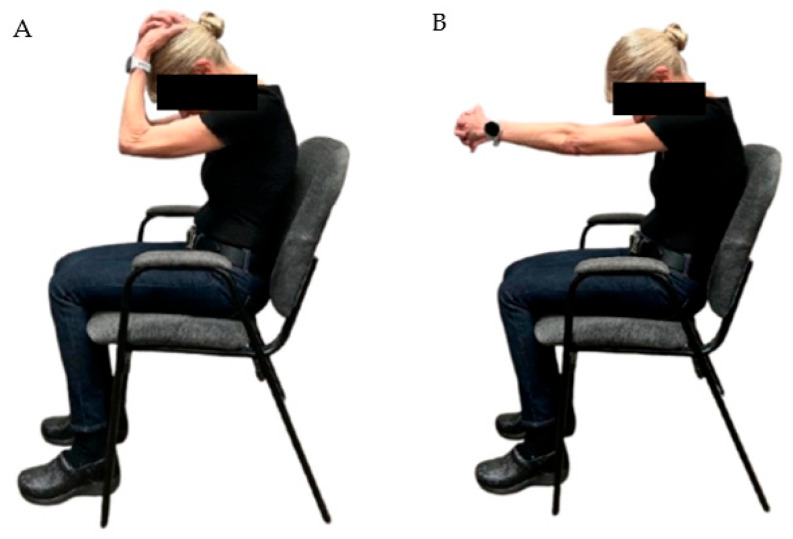 Figure 2
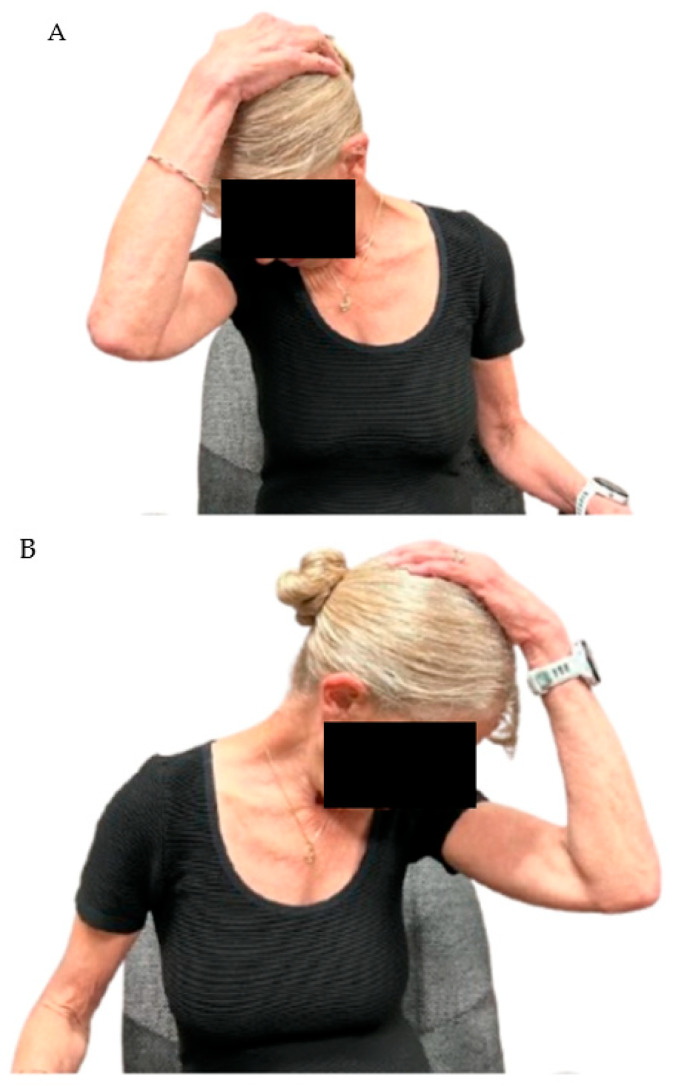 Figure 3
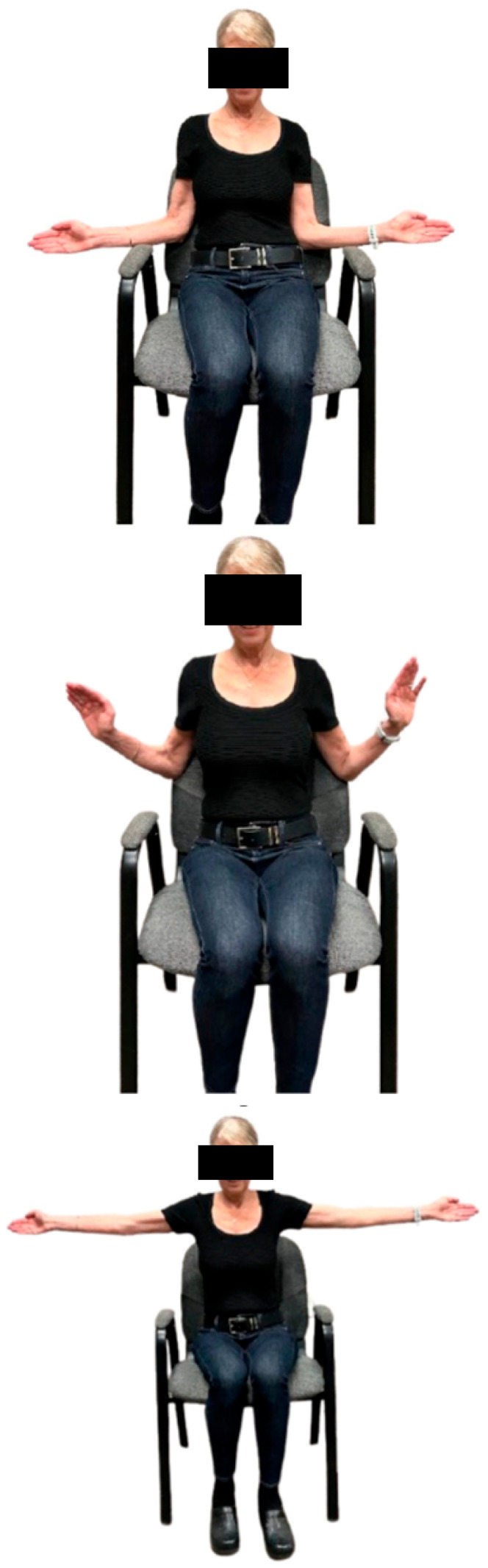 Figure 4
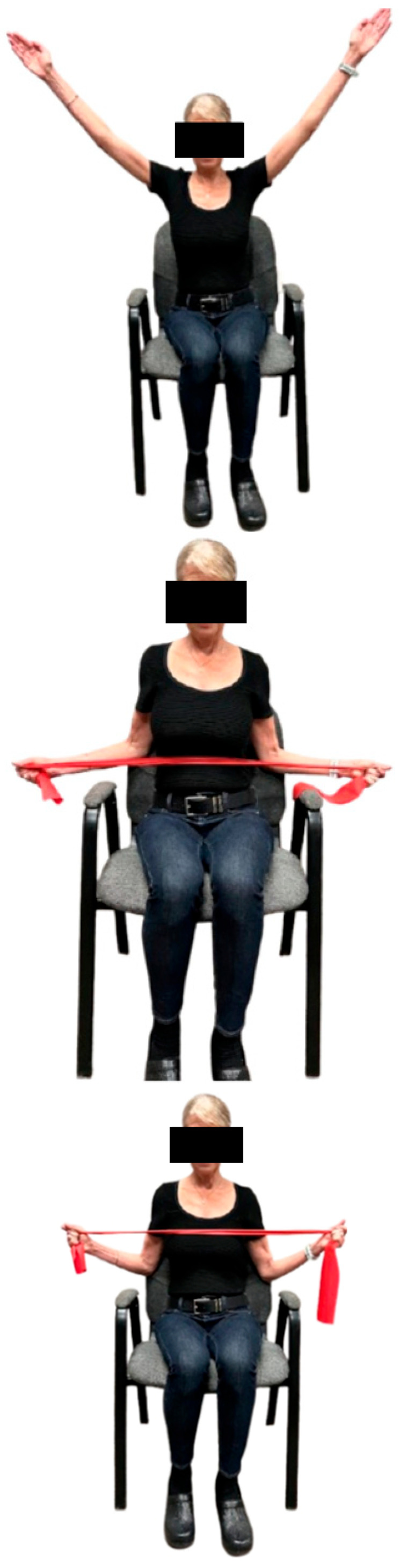 Figure 5
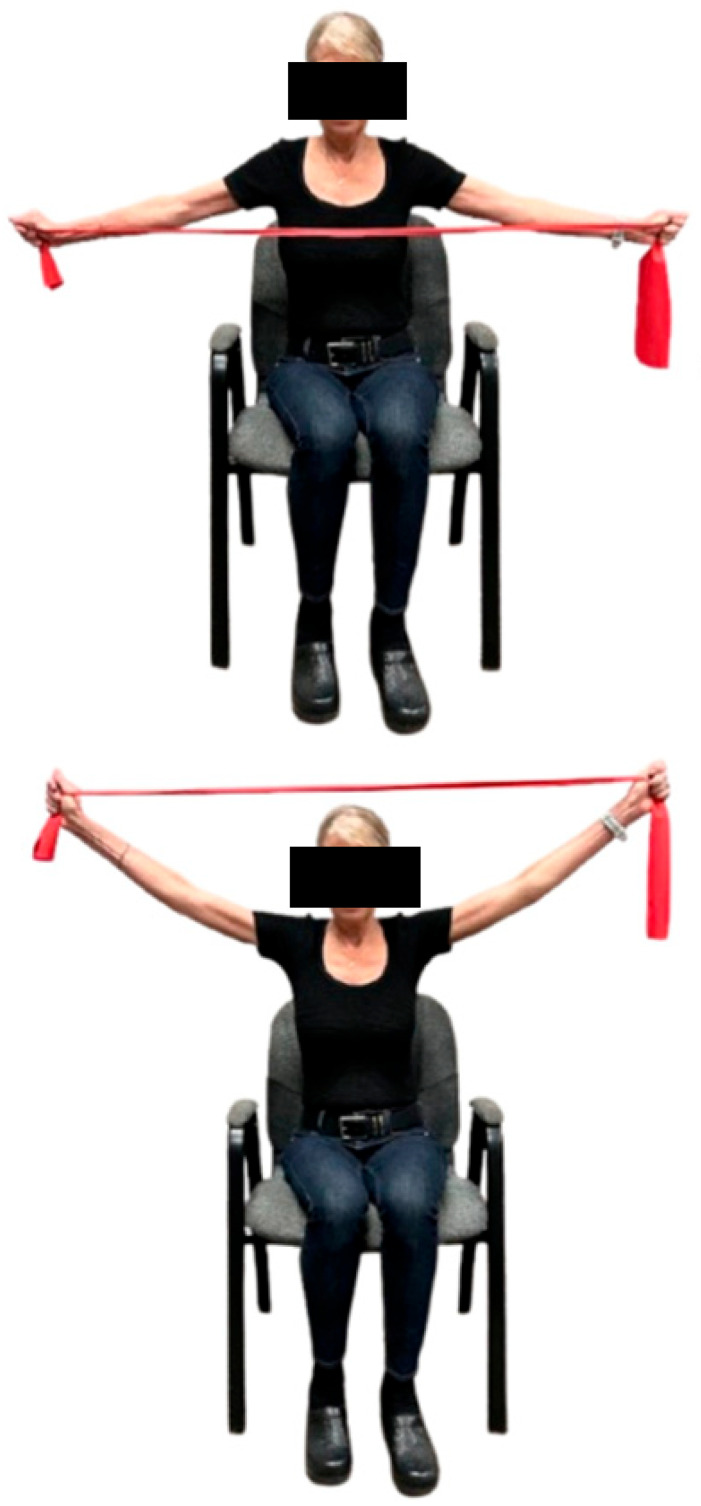 Figure 6
Peer Reviews
No public reviews on file for this paper yet. If you reviewed it on a platform where reviews are public (OpenReview, ICLR, NeurIPS, ICML), you can paste yours below so the community can read it here.
Videos
No videos yet. Explain this paper in a talk, walkthrough, or lecture? Add one.
Taxonomy
TopicsMusculoskeletal pain and rehabilitation · Ergonomics and Musculoskeletal Disorders · Occupational health in dentistry