Statistical Genetics of DMD Gene Mutations in a Kazakhstan Cohort: MLPA/NGS Variant Validation and Genotype–Phenotype Modelling
Aizhan Moldakaryzova, Dias Dautov, Saken Khaidarov, Saniya Ossikbayeva, Dilyara Kaidarova

TL;DR
This study characterizes DMD gene mutations in Kazakhstan, revealing patterns and clinical correlations that could improve treatment strategies in Central Asia.
Contribution
The first statistically modeled analysis of DMD mutations in Kazakhstan, highlighting population-specific clinical variability.
Findings
Multi-exon deletions are predominant, concentrated in exons 44–55.
Hotspot deletions and early truncating variants correlate with earlier loss of ambulation.
Regression models identify hotspot localization and out-of-frame mutations as predictors of ambulation loss.
Abstract
Background: Duchenne muscular dystrophy (DMD) results from pathogenic variants in the DMD gene, one of the most significant and most mutation-prone genes in the human genome. Although global mutation registries are well developed, genetic data from Central Asian populations remain extremely limited, leaving essential gaps in regional epidemiology and in the understanding of genotype–phenotype patterns. Methods: We conducted a retrospective analysis of patients with genetically confirmed dystrophinopathy in Kazakhstan. Variants were identified using multiplex ligation-dependent probe amplification (MLPA) for exon-level copy number alterations and next-generation sequencing (NGS) with Sanger confirmation for sequence-level changes. All variants were classified under ACMG guidelines. Statistical modelling incorporated mutation-class grouping, exon-hotspot mapping, reading-frame status, CPK…
Genes, proteins, chemicals, diseases, species, mutations and cell lines named across the full text — each resolved to its canonical identifier and authoritative record.
Click any figure to enlarge with its caption.
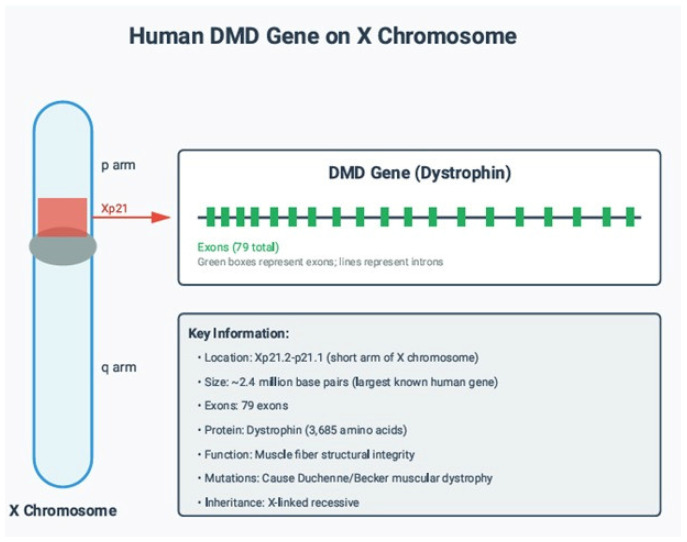 Figure 1
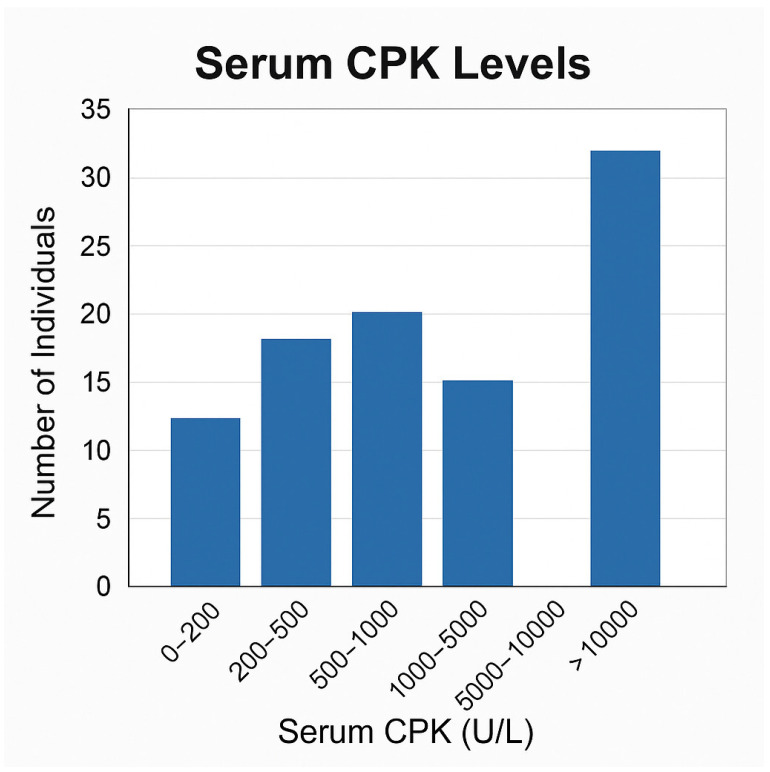 Figure 2
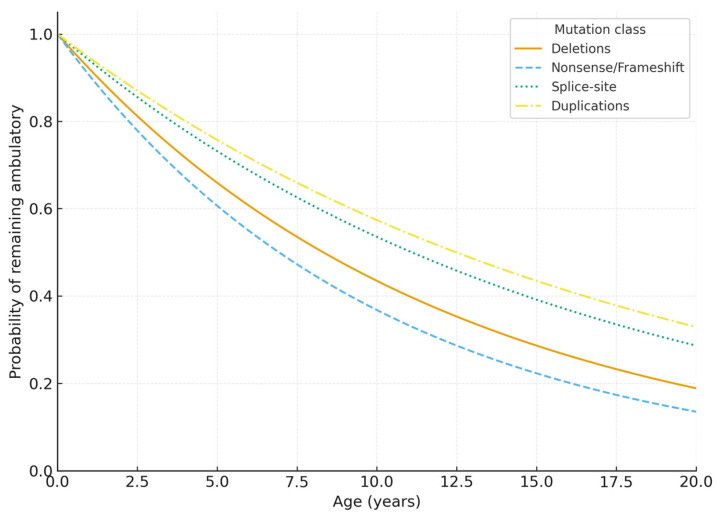 Figure 3
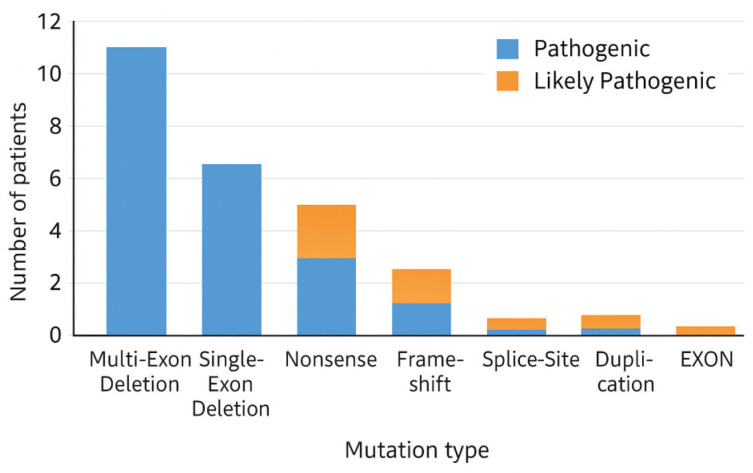 Figure 4
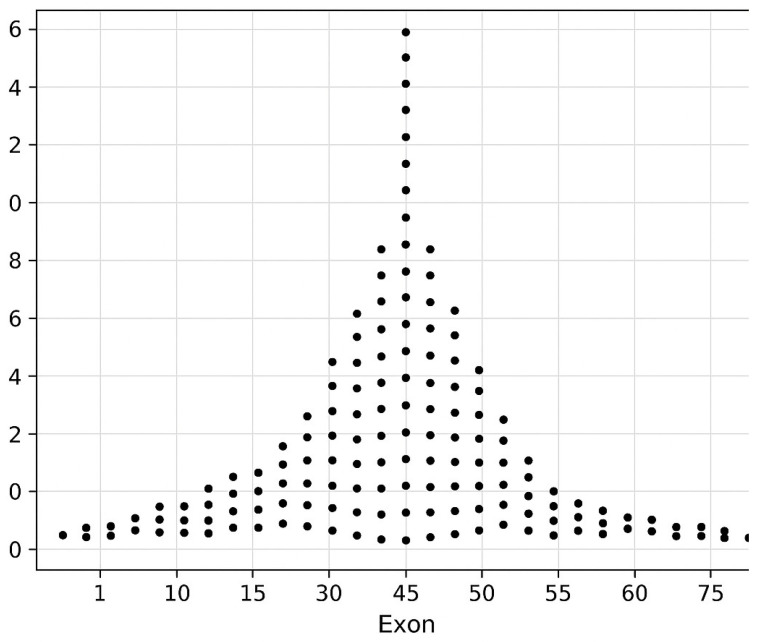 Figure 5
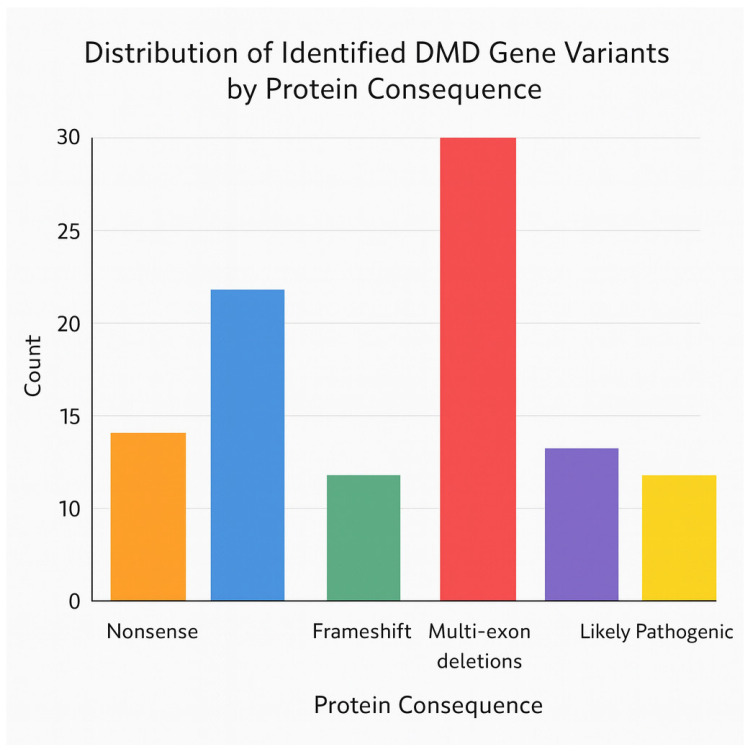 Figure 6
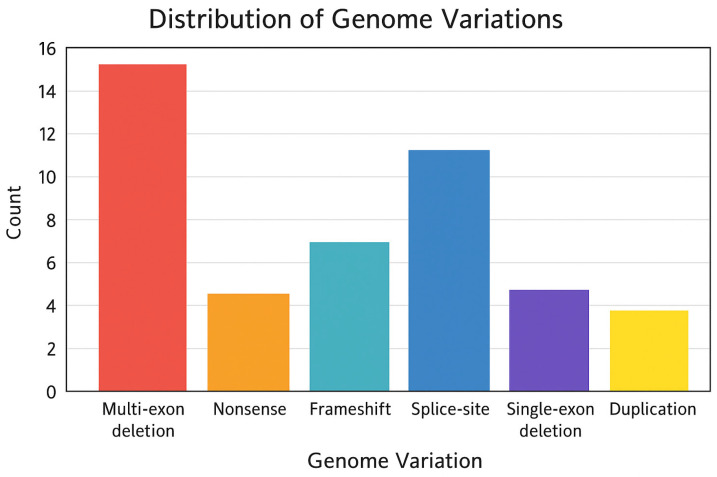 Figure 7
 Figure 8
Peer Reviews
No public reviews on file for this paper yet. If you reviewed it on a platform where reviews are public (OpenReview, ICLR, NeurIPS, ICML), you can paste yours below so the community can read it here.
Videos
No videos yet. Explain this paper in a talk, walkthrough, or lecture? Add one.
Taxonomy
TopicsMuscle Physiology and Disorders · Neurogenetic and Muscular Disorders Research · Genetic Neurodegenerative Diseases