The Phylogenomic Approach Suggests That Butyrophilins Have Ligands Beyond Gamma–Delta Receptors
Ludovic Marenco, Daniel Olive, Pierre Pontarotti

TL;DR
Butyrophilins, known to activate γδ T cells, are found in all jawed vertebrates, including reptiles that lack these cells, suggesting they may have other functions or partners.
Contribution
The study reveals butyrophilin conservation in squamates without γδ T cells, suggesting new ligand interactions.
Findings
Butyrophilin genes are present in all jawed vertebrates, including squamates.
Squamates lack γδ T cells, yet butyrophilins are conserved, implying alternative functions.
The findings suggest butyrophilins may interact with unknown ligands beyond γδ T cells.
Abstract
Since γδ T cells are present in all jawed vertebrates, we wondered whether butyrophilins, proteins that play a key role in the activation of these cells, were also present in these organisms. Our analyses revealed the presence of genes encoding butyrophilins across all jawed vertebrates, including in squamates, a reptilian clade that is nonetheless reported in the literature to have lost γδ T cells. The conservation of butyrophilins in this group, despite the absence of their only known cellular partner, suggests that they may fulfill an alternative function, possibly through interaction with another ligand. Given their strong conservation across jawed vertebrates, it is reasonable to hypothesize that this alternative ligand may also be present in humans.
Genes, proteins, chemicals, diseases, species, mutations and cell lines named across the full text — each resolved to its canonical identifier and authoritative record.
Click any figure to enlarge with its caption.
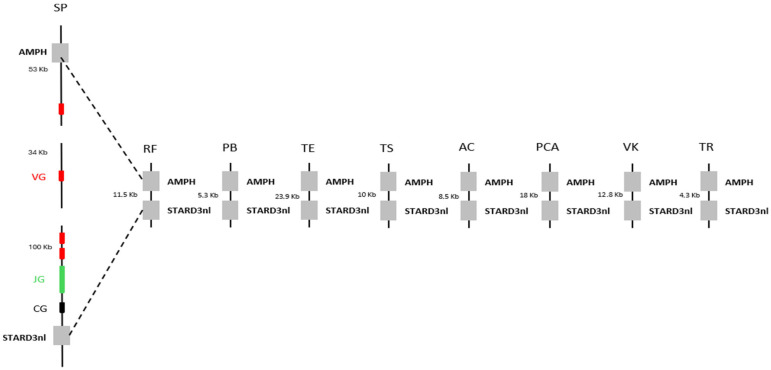 Figure 1
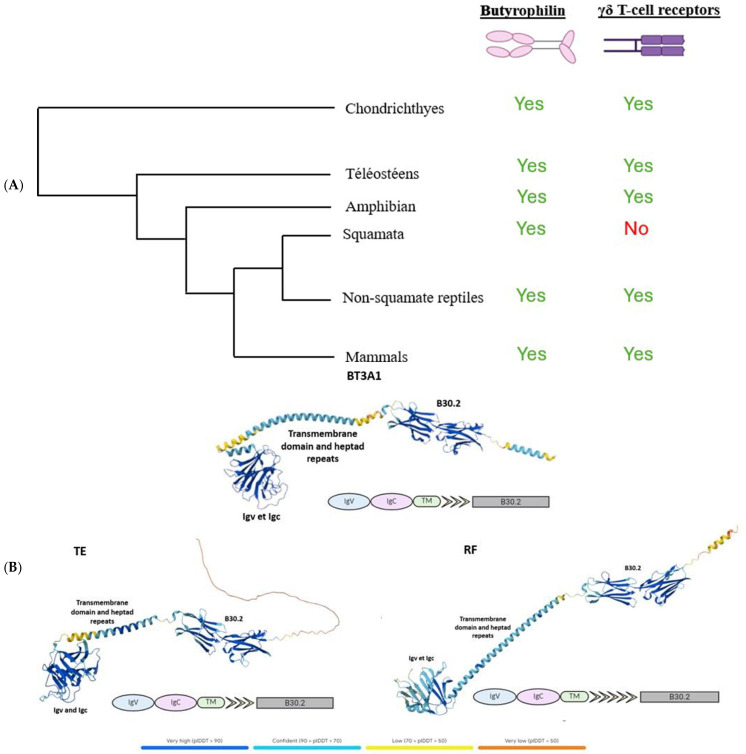 Figure 2
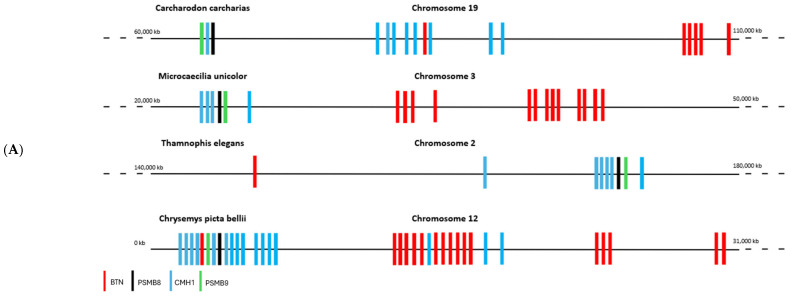 Figure 3
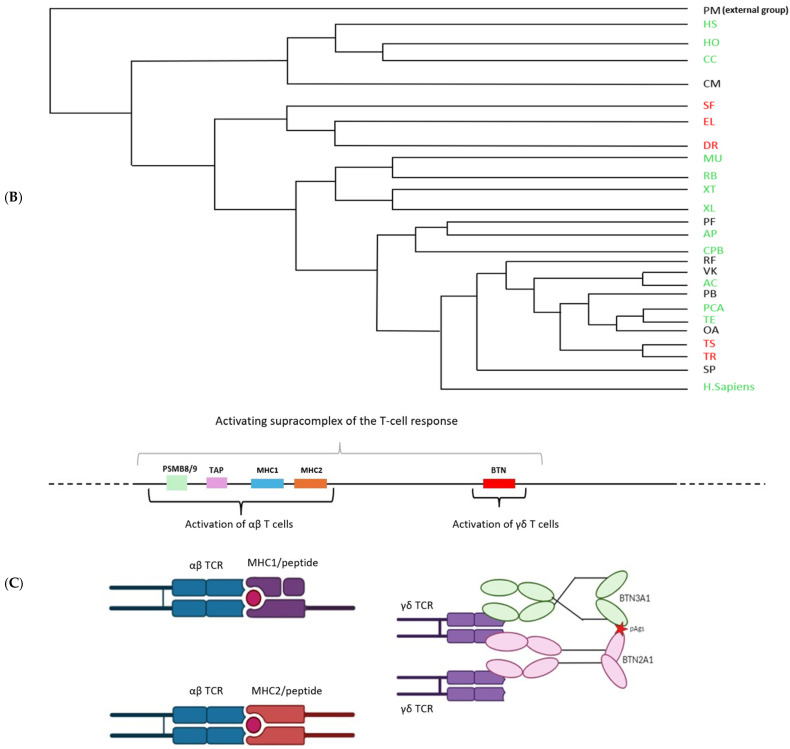 Figure 4
Peer Reviews
No public reviews on file for this paper yet. If you reviewed it on a platform where reviews are public (OpenReview, ICLR, NeurIPS, ICML), you can paste yours below so the community can read it here.
Videos
No videos yet. Explain this paper in a talk, walkthrough, or lecture? Add one.
Taxonomy
TopicsBiochemical and Structural Characterization · Toxin Mechanisms and Immunotoxins