Transcriptomic Profiling Reveals Biphasic Regulatory Instability and Late-Stage Proteostatic Decline in Aging Mouse Oocytese
Phuong Thanh N. Dinh, Seung Hwan Lee, Inchul Choi

TL;DR
This study maps how mouse oocytes change with age, revealing two distinct phases of molecular decline that could help address age-related infertility.
Contribution
The paper identifies a biphasic aging trajectory in oocytes, with midlife as a critical regulatory inflection point followed by late-stage proteostatic collapse.
Findings
Transcriptional destabilization peaks during the transition from young to middle age, with 1197 differentially expressed genes.
Midlife oocytes show regulatory potential via TFBS changes without TF expression changes, suggesting epigenetic control.
Late-stage aging is marked by mitochondrial dysfunction and proteostatic stress, indicating systemic collapse.
Abstract
Background: Maternal aging progressively compromises oocyte competence, yet the precise molecular trajectory across the reproductive lifespan remains insufficiently defined. Methods: Here, we mapped the transcriptomic landscape of mouse germinal vesicle (GV) oocytes across three distinct reproductive stages: post-pubertal peak fertility (Young, 8 weeks), fertility decline (Middle, 12 months), and reproductive senescence (Old, 18 months). Results: Our bioinformatic analyses reveal that oocyte aging follows a biphasic nonlinear trajectory. The transition from Young to Middle age marked the most profound period of transcriptional destabilization, characterized by 1197 DEGs and extensive perturbation of metabolic and signaling networks. To elucidate the regulatory drivers of this early drift, we performed transcription factor binding site (TFBS) analysis, which identified massive regulatory…
Genes, proteins, chemicals, diseases, species, mutations and cell lines named across the full text — each resolved to its canonical identifier and authoritative record.
Click any figure to enlarge with its caption.
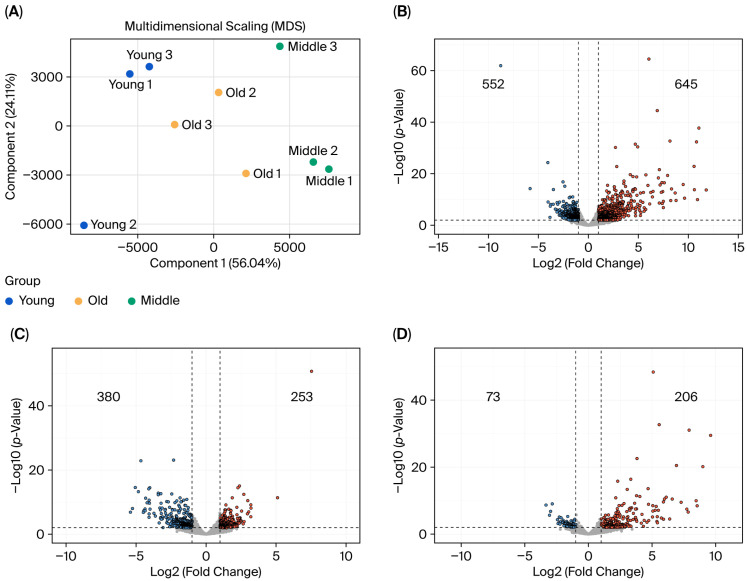 Figure 1
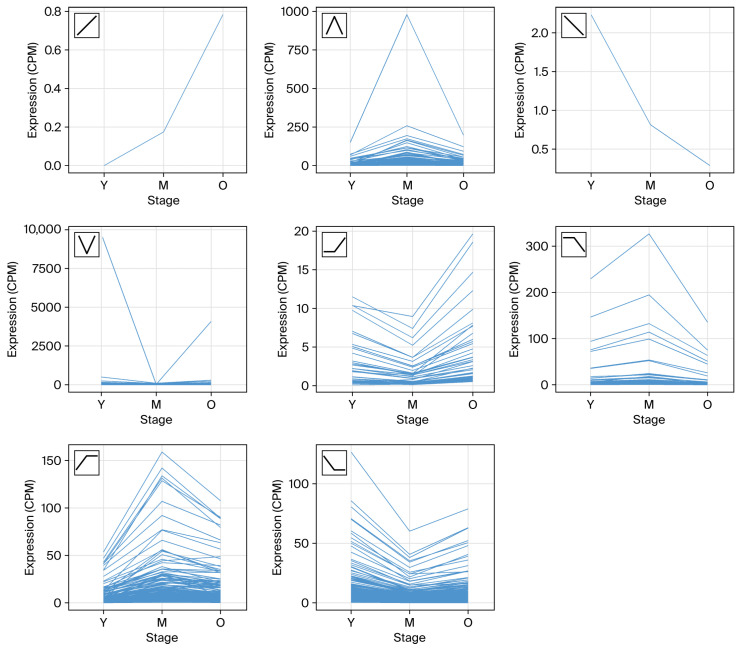 Figure 2
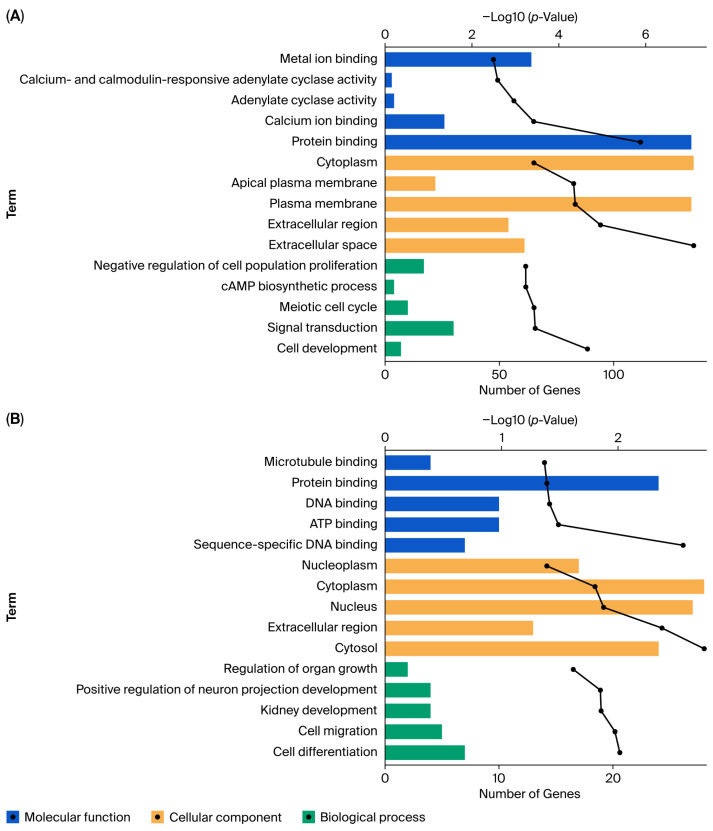 Figure 3
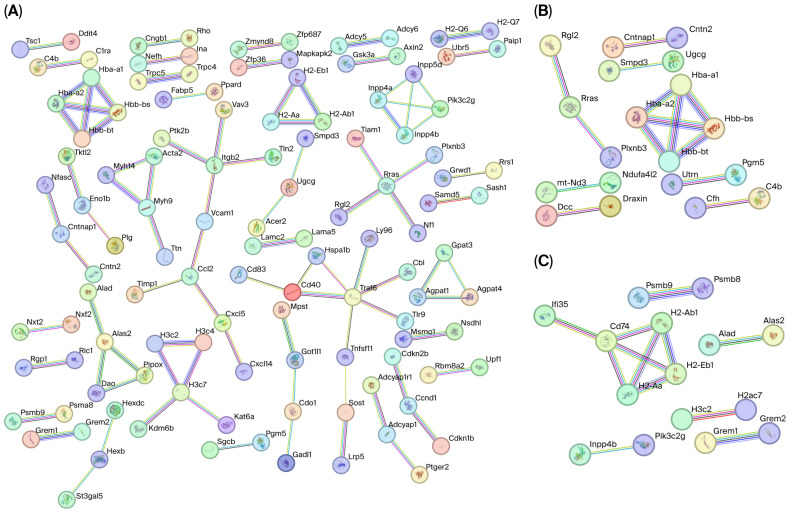 Figure 4
Peer Reviews
No public reviews on file for this paper yet. If you reviewed it on a platform where reviews are public (OpenReview, ICLR, NeurIPS, ICML), you can paste yours below so the community can read it here.
Videos
No videos yet. Explain this paper in a talk, walkthrough, or lecture? Add one.
Taxonomy
TopicsReproductive Biology and Fertility · Genetics, Aging, and Longevity in Model Organisms · Pluripotent Stem Cells Research