Characterization of the PHO1 Gene Family in Vigna radiata L. and Its Expression Analysis Under Phosphate-Deficient Stress
Lina Jiang, Ping Sun, Tingting Zhou, Yang Liu, Zihan Kong, Nan Zhang, Hongli He, Xingzheng Zhang

TL;DR
This study identifies and analyzes the PHO1 gene family in mung beans to understand how they respond to low phosphorus stress, which could help in developing better mung bean varieties.
Contribution
The study provides the first genome-wide characterization of the PHO1 gene family in mung beans and identifies key genes responding to phosphorus-deficient stress.
Findings
Mung bean PHO1 genes were grouped into three phylogenetic groups and show closer relationships with legume PHO1 genes.
Six collinear gene pairs with soybean suggest purifying selection in mung bean PHO1 genes.
Expression of specific VrPHO1 genes was significantly induced by prolonged phosphorus-deficient stress in roots.
Abstract
Background: Phosphorus is an essential nutrient for plant growth and development, playing a multifaceted and vital role in plants. Phosphate Transporter 1 (PHO1) is a class of important functional genes involved in plant phosphorus uptake and transport. We identify PHOSPHATE 1 (PHO1) members in mung beans and investigate their response to low phosphorus stress, thereby aiding in the development of stress-tolerant, high-yielding mung bean varieties. Methods: A bioinformatic analysis was performed, which led to the identification of the PHO1 homologue sequence in mung beans. This analysis also elucidated its gene and protein structural characteristics alongside its phylogenetic relationships. qRT-PCR was used to analyze the expression patterns of genes in roots and leaves in response to conditions of prolonged low-phosphorus and phosphorus-deprivation stress. Results: Total PHO1…
Genes, proteins, chemicals, diseases, species, mutations and cell lines named across the full text — each resolved to its canonical identifier and authoritative record.
Click any figure to enlarge with its caption.
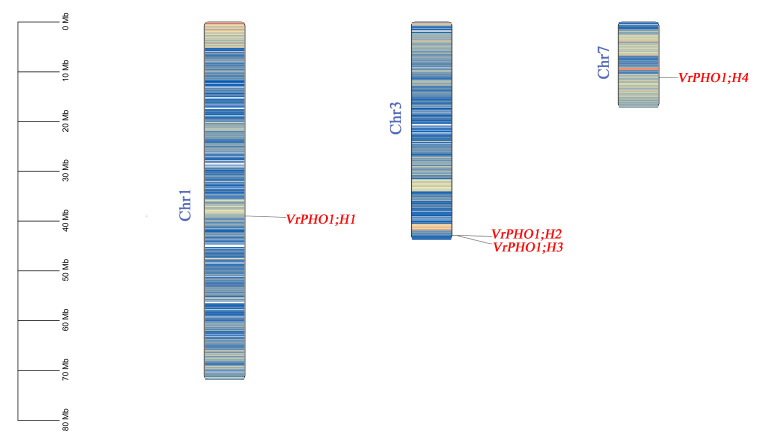 Figure 1
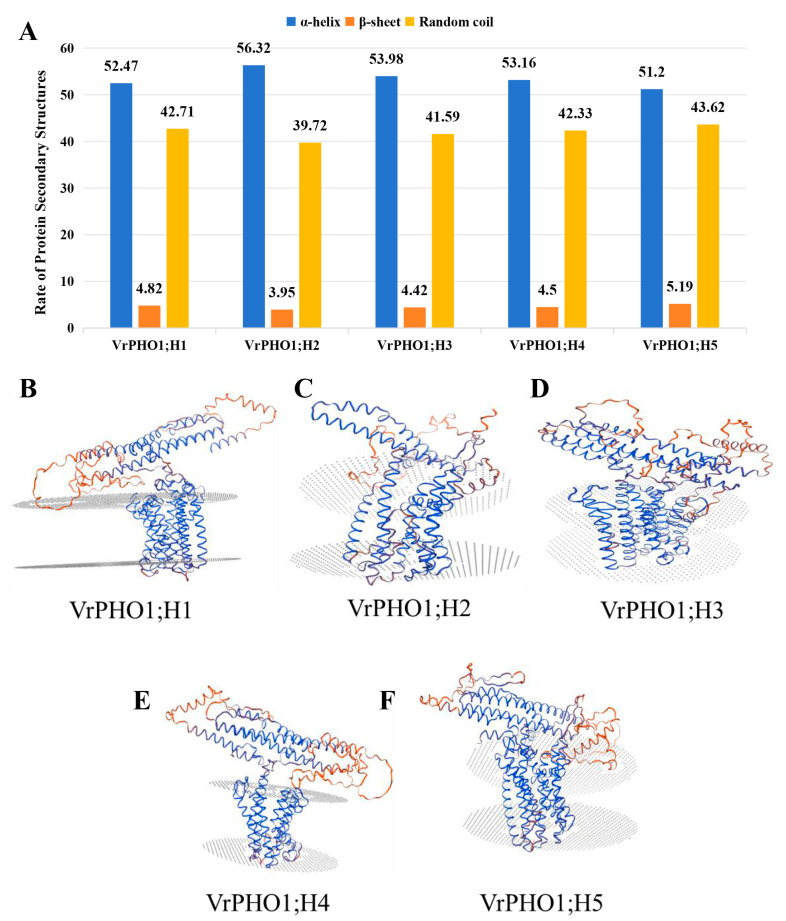 Figure 2
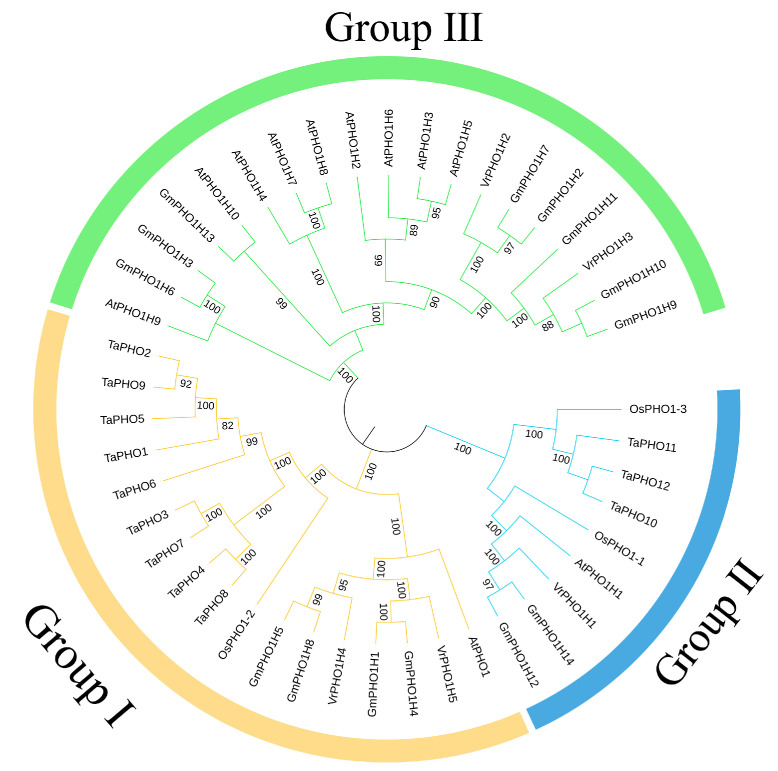 Figure 3
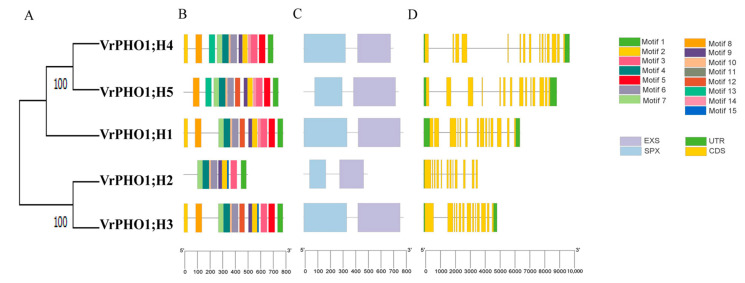 Figure 4
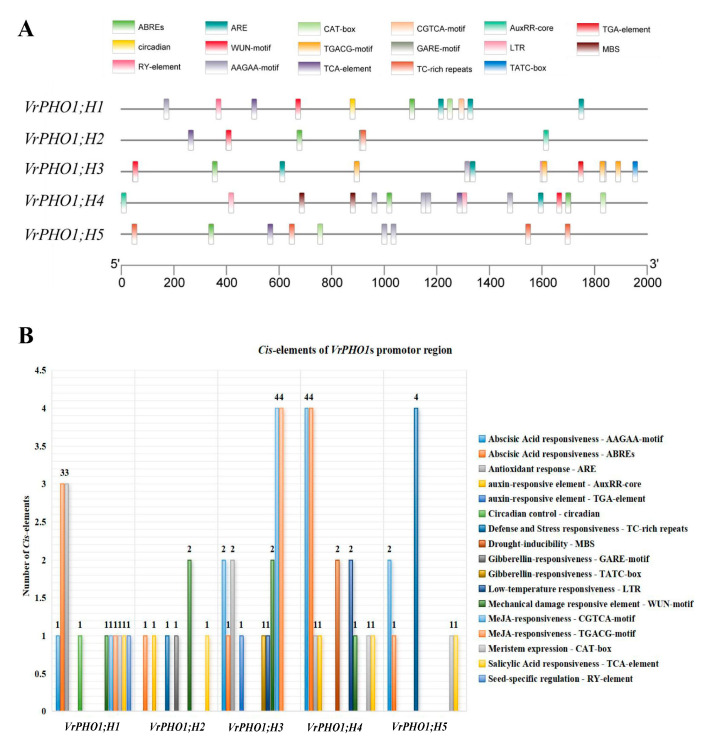 Figure 5
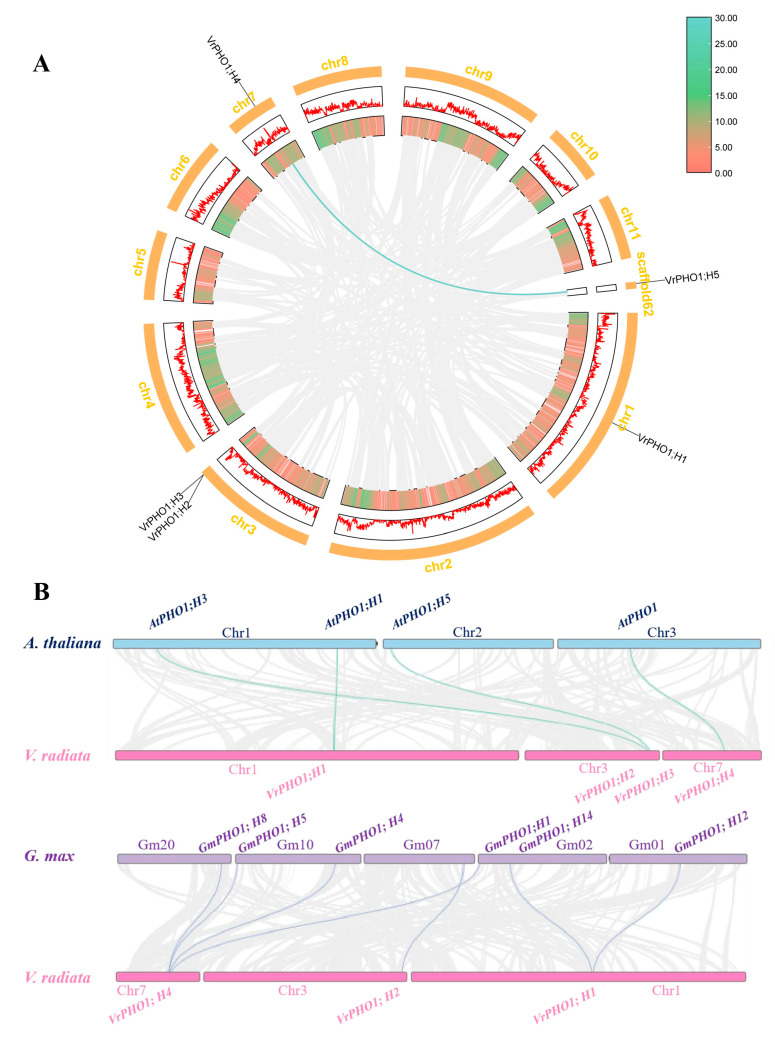 Figure 6
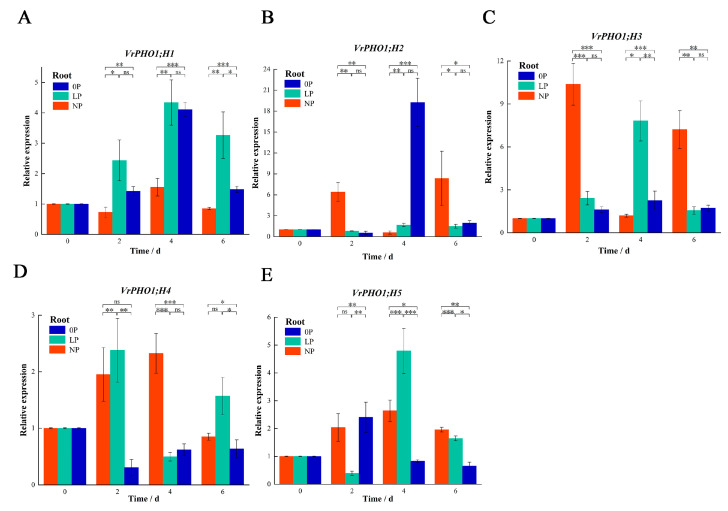 Figure 7
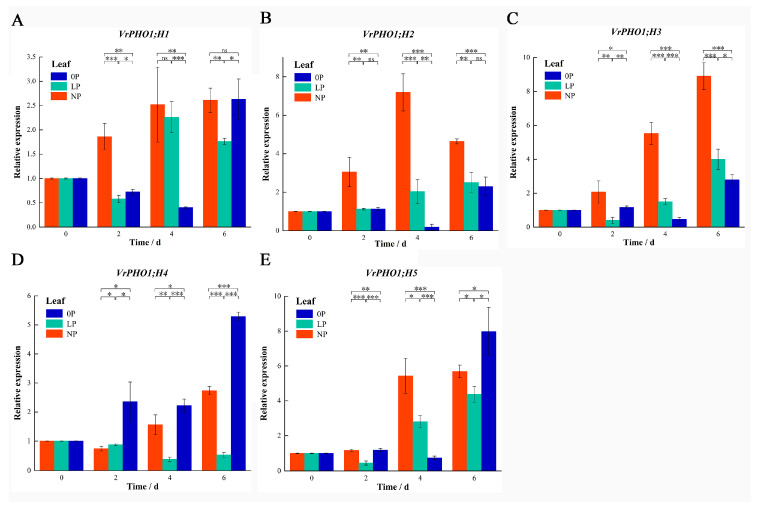 Figure 8
Peer Reviews
No public reviews on file for this paper yet. If you reviewed it on a platform where reviews are public (OpenReview, ICLR, NeurIPS, ICML), you can paste yours below so the community can read it here.
Videos
No videos yet. Explain this paper in a talk, walkthrough, or lecture? Add one.
Taxonomy
TopicsPlant nutrient uptake and metabolism · Nitrogen and Sulfur Effects on Brassica · Phytase and its Applications