Spectroscopic Methods in Evaluation of Antioxidant Potential, Enzyme Inhibition, Cytotoxicity, and Antimicrobial Activity of the Synthesized N3-Substituted Amidrazones
Renata Paprocka, Leszek Pazderski, Jolanta Kutkowska, Iqra Naeem, Amna Shahid Awan, Zahid Mushtaq, Aleksandra Szydłowska-Czerniak

TL;DR
This paper reports the synthesis and biological evaluation of amidrazones, showing their antioxidant, enzyme inhibition, cytotoxicity, and antimicrobial properties.
Contribution
The study introduces new amidrazones with substituted moieties and demonstrates their diverse biological activities through experimental and multivariate analysis.
Findings
Compound 2d exhibited potent antioxidant activity with DPPH = 90.43% and FRAP = 4.73 mM FeSO4.
Compound 2d showed high inhibition of α-amylase (86.8%) and moderate inhibition of lipase and pepsin.
Unsupervised multivariate analysis confirmed that Ar1 and Ar2 substituents significantly influence amidrazone biological activity.
Abstract
Seven amidrazones containing a characteristic NH2–N=C(Ar1)–NHAr2 moiety, where Ar1, Ar2 are phenyl, 4-methylphenyl, 4-nitrophenyl, 2-pyridyl, and 4-pyridyl substituents, denoted as 2a–2g, were synthesized by the reactions between thioamides and hydrazine. Their molecular structures were confirmed by 1H, 13C, 1H-13C HMQC, 1H-13C HMBC, and 1H-15N HMBC NMR spectroscopy, with complete assignment of the detected signals, as well as by high-resolution mass spectra. The biological activity of all compounds was studied, exhibiting antioxidant properties determined by 2,2-diphenyl-1-picrylhydrazyl (DPPH) and ferric reducing antioxidant power (FRAP) methods, inhibitory potential against digestive tract enzymes (α-amylase, lipase, pepsin), cytotoxicity (hemolysis), and antimicrobial activities (against Gram-positive and Gram-negative bacteria, and a fungus). The antioxidant activity of the studied…
Genes, proteins, chemicals, diseases, species, mutations and cell lines named across the full text — each resolved to its canonical identifier and authoritative record.
Click any figure to enlarge with its caption.
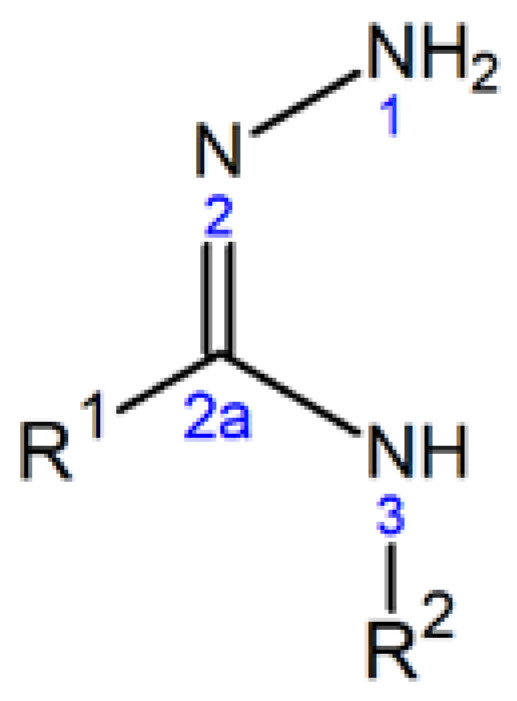 Figure 1
 Figure 2
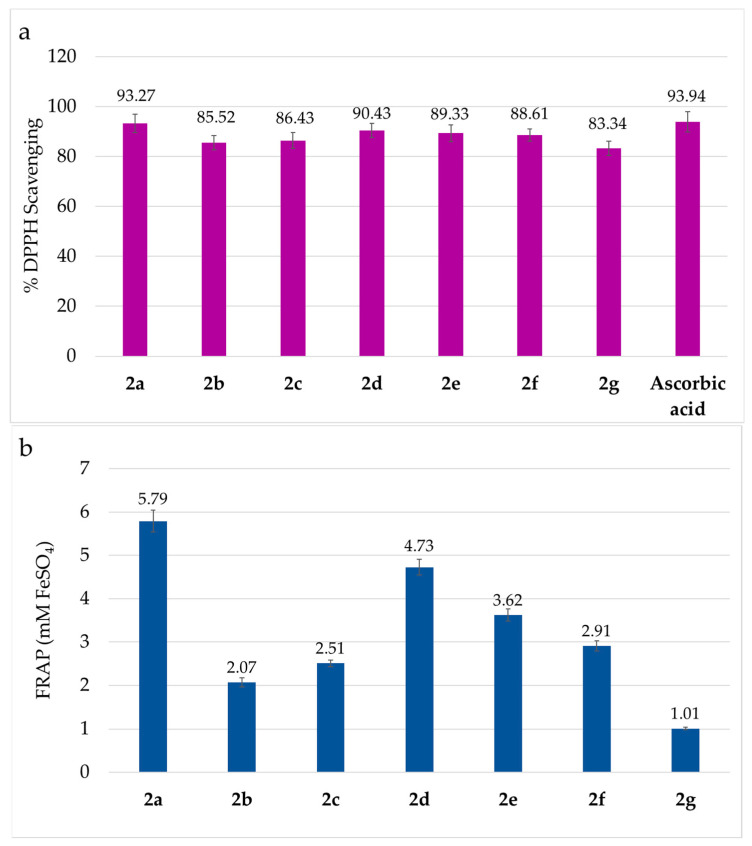 Figure 3
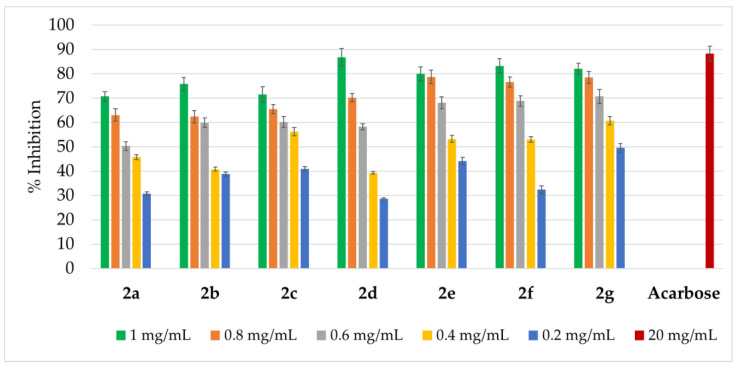 Figure 4
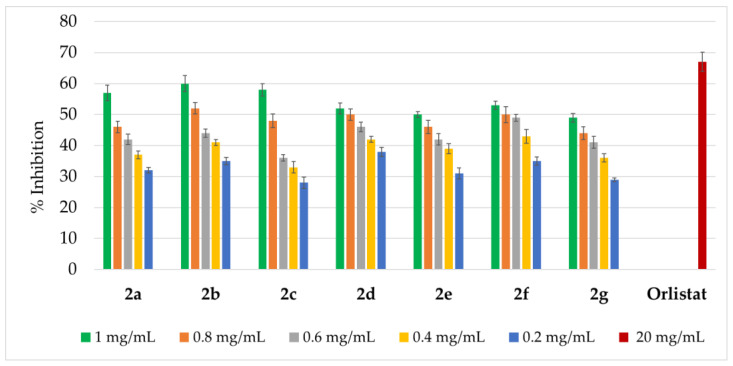 Figure 5
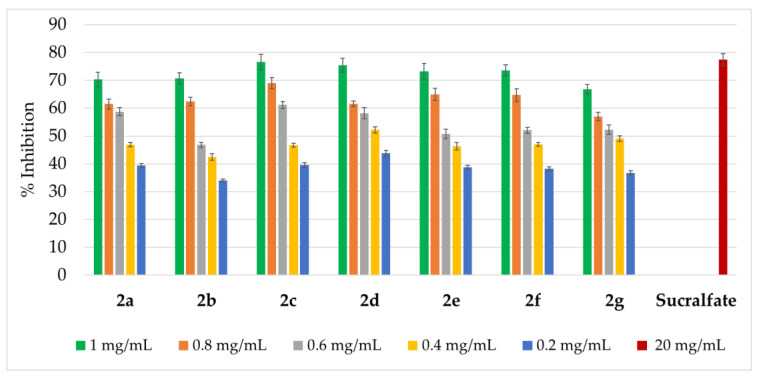 Figure 6
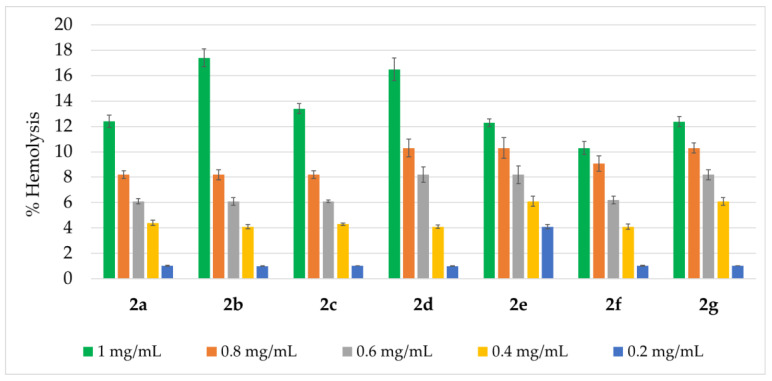 Figure 7
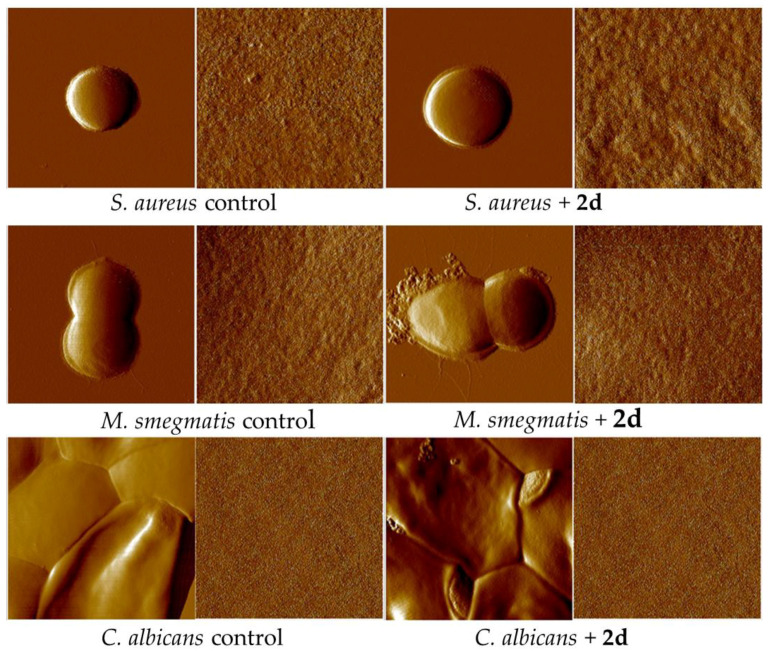 Figure 8
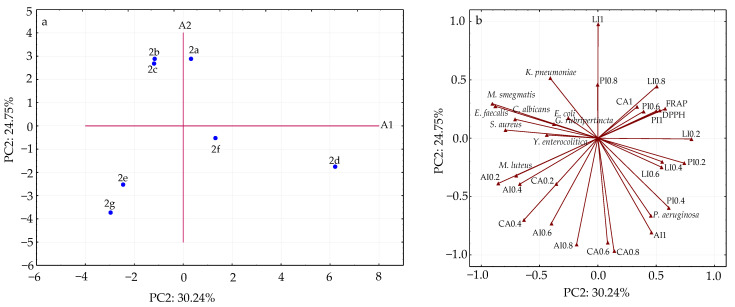 Figure 9
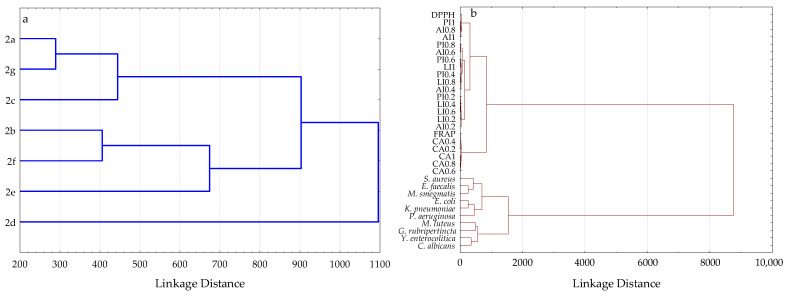 Figure 10
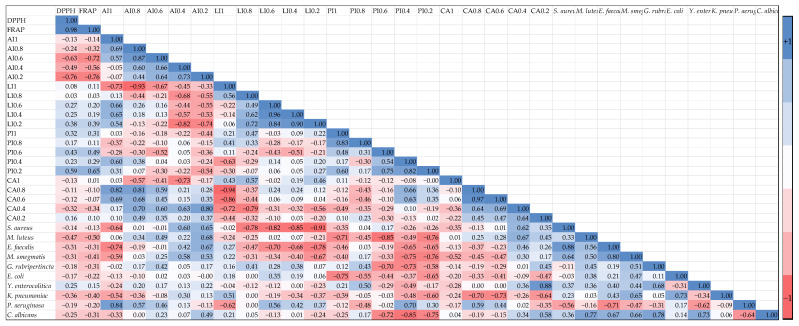 Figure 11
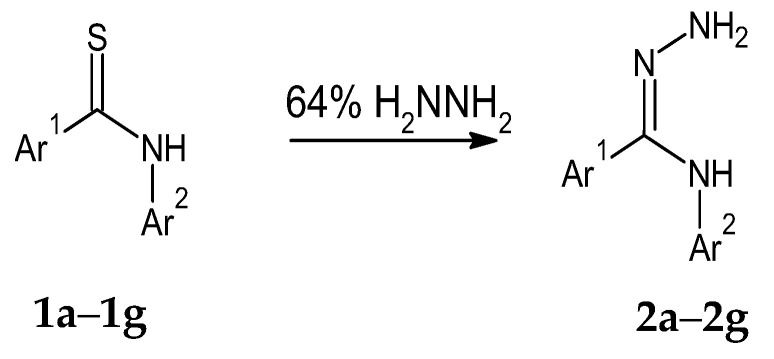 Figure 12
Peer Reviews
No public reviews on file for this paper yet. If you reviewed it on a platform where reviews are public (OpenReview, ICLR, NeurIPS, ICML), you can paste yours below so the community can read it here.
Videos
No videos yet. Explain this paper in a talk, walkthrough, or lecture? Add one.
Taxonomy
TopicsMetal complexes synthesis and properties · Free Radicals and Antioxidants · Nonlinear Optical Materials Research