LASSBio-1986 as a Multifunctional Antidiabetic Lead: SGLT1/2 Docking, Redox–Inflammatory Modulation and Metabolic Benefits in C57BL/6 Mice
Landerson Lopes Pereira, Raimundo Rigoberto B. Xavier Filho, Gabriela Araújo Freire, Caio Bruno Rodrigues Martins, Maurício Gabriel Barros Perote, Cibelly Loryn Martins Campos, Manuel Carlos Serrazul Monteiro, Isabelle de Fátima Vieira Camelo Maia, Renata Barbosa Lacerda

TL;DR
LASSBio-1986 is a promising new compound that lowers blood sugar and reduces inflammation and oxidative stress in mice with type 2 diabetes.
Contribution
LASSBio-1986 is a novel multifunctional antidiabetic lead that targets SGLT1/2 and modulates redox-inflammation.
Findings
LASSBio-1986 improved glucose tolerance and glycemic control in mice.
It reduced oxidative stress and rebalanced inflammatory markers in metabolic tissues.
Its effects were comparable to dapagliflozin in insulin resistance models.
Abstract
Type 2 diabetes mellitus (T2DM) involves chronic hyperglycemia, insulin resistance, low-grade inflammation, and oxidative stress that drive cardiometabolic and renal damage despite current therapies. Sodium–glucose cotransporter (SGLT) inhibitors have reshaped the treatment landscape, but residual risk and safety concerns highlight the need for new agents that combine glucose-lowering efficacy with redox–inflammatory modulation. LASSBio-1986 is a synthetic N-acylhydrazone (NAH) derivative designed as a gliflozin-like scaffold with the potential to interact with SGLT1/2 while also influencing oxidative and inflammatory pathways. Here, we integrated in silico and in vivo approaches to characterize LASSBio-1986 as a multifunctional antidiabetic lead in murine models of glucose dysregulation. PASS and target class prediction suggested a broad activity spectrum and highlighted transporter-…
Genes, proteins, chemicals, diseases, species, mutations and cell lines named across the full text — each resolved to its canonical identifier and authoritative record.
Click any figure to enlarge with its caption.
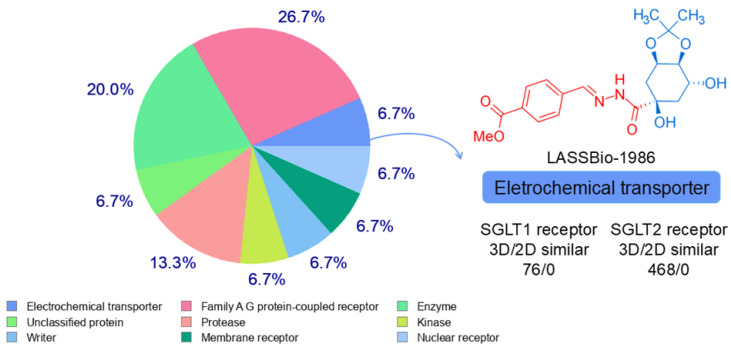 Figure 1
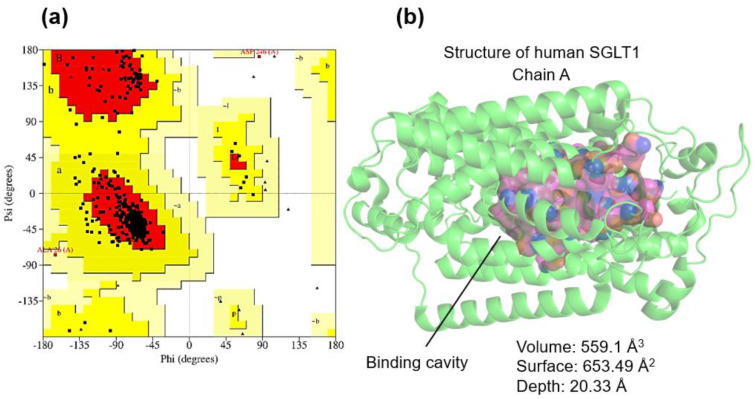 Figure 2
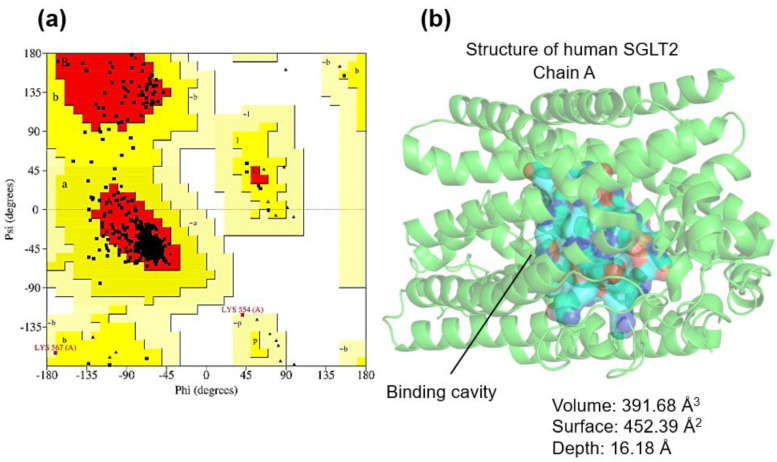 Figure 3
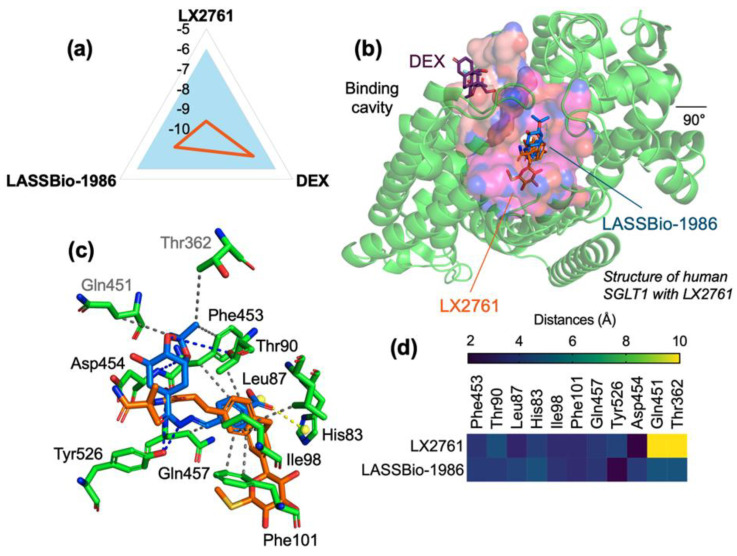 Figure 4
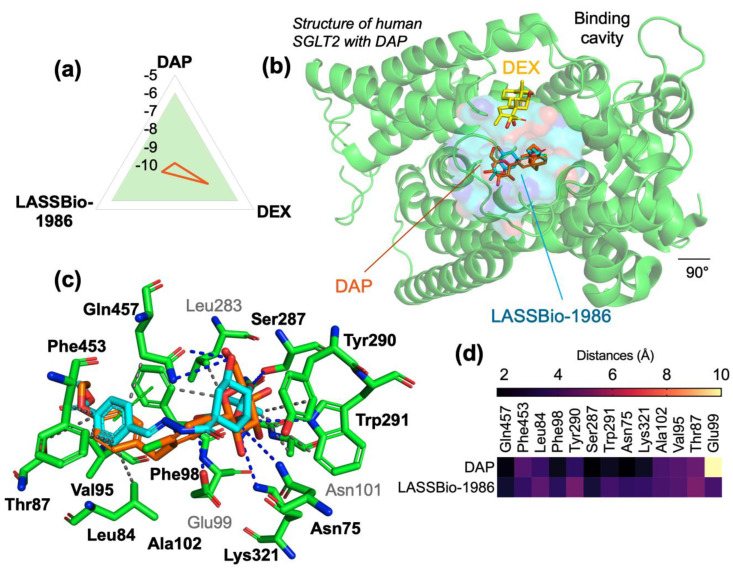 Figure 5
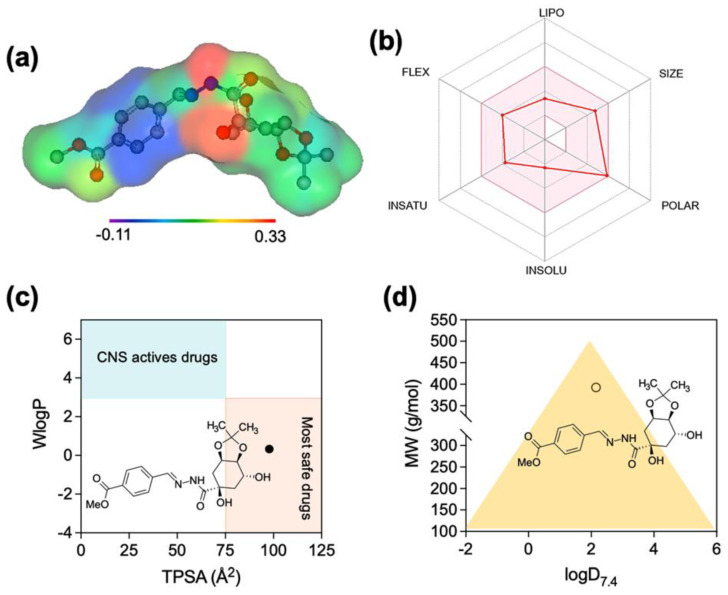 Figure 6
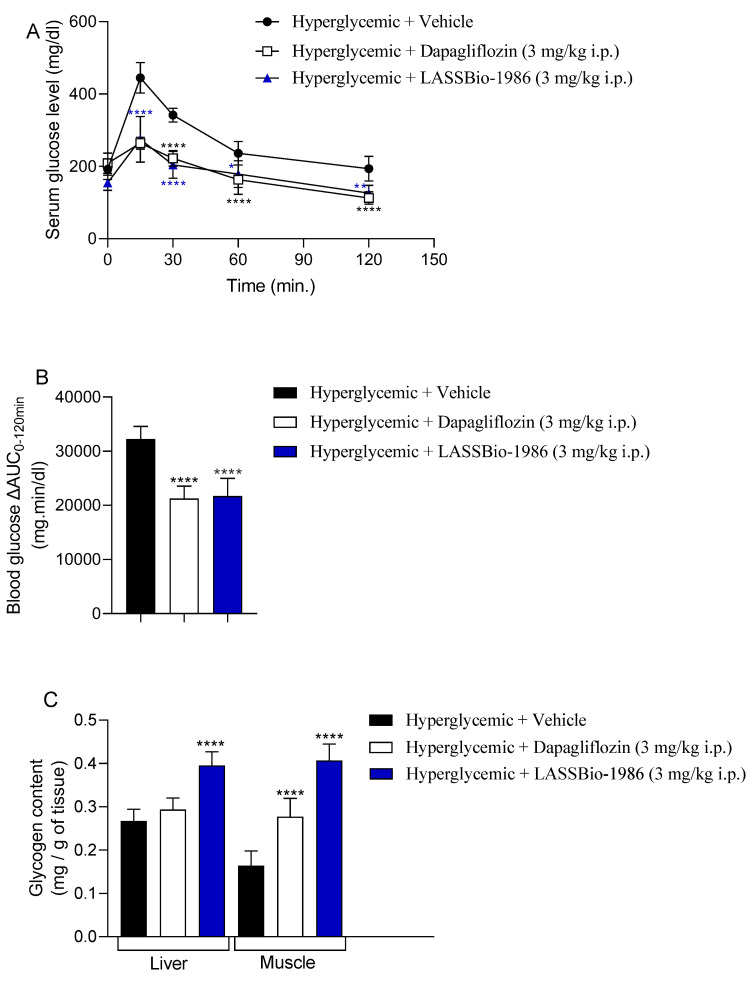 Figure 7
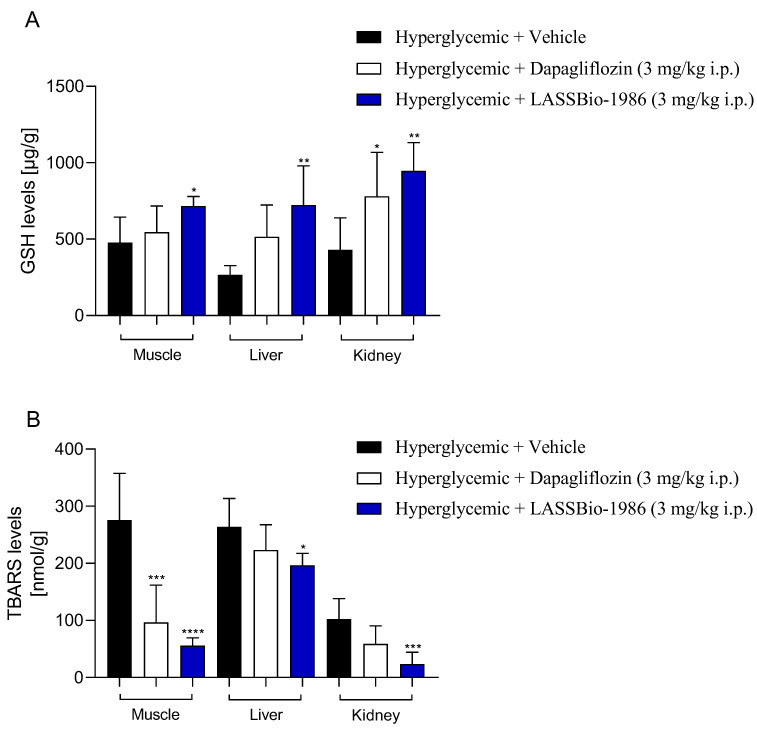 Figure 8
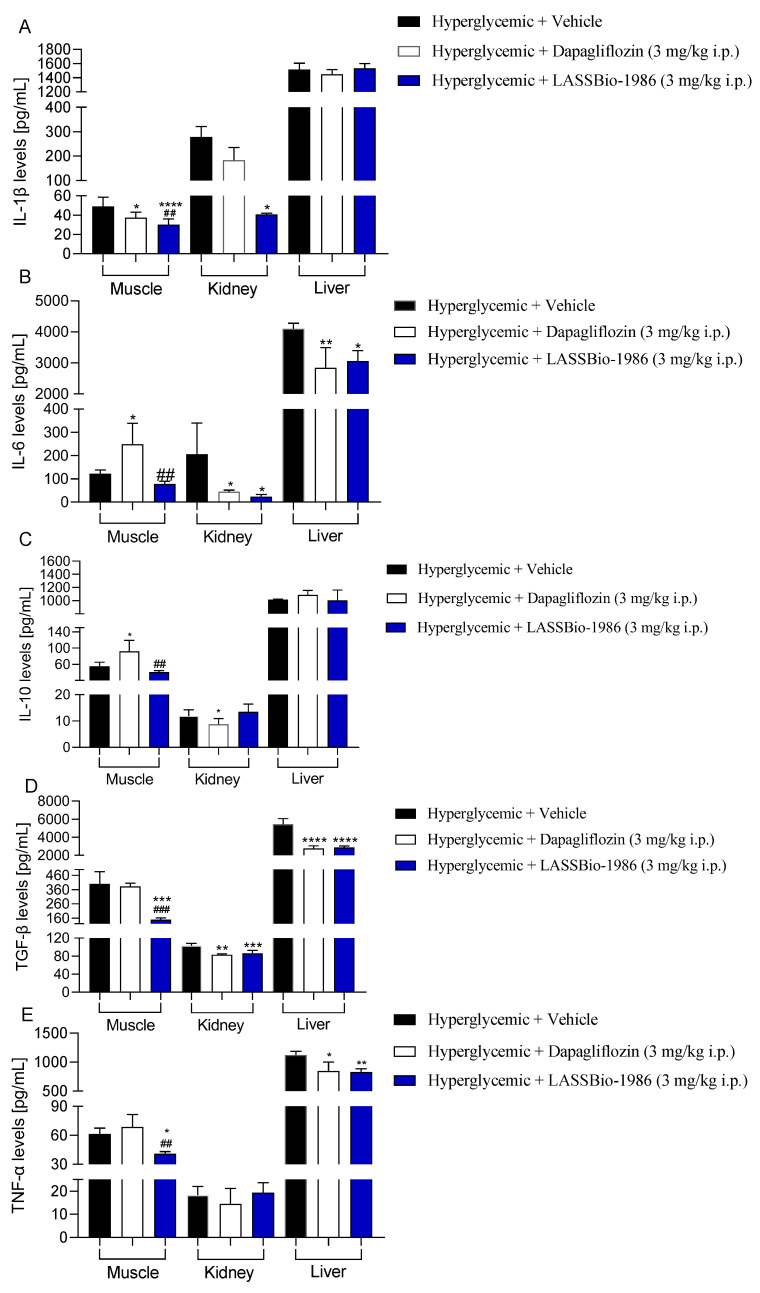 Figure 9
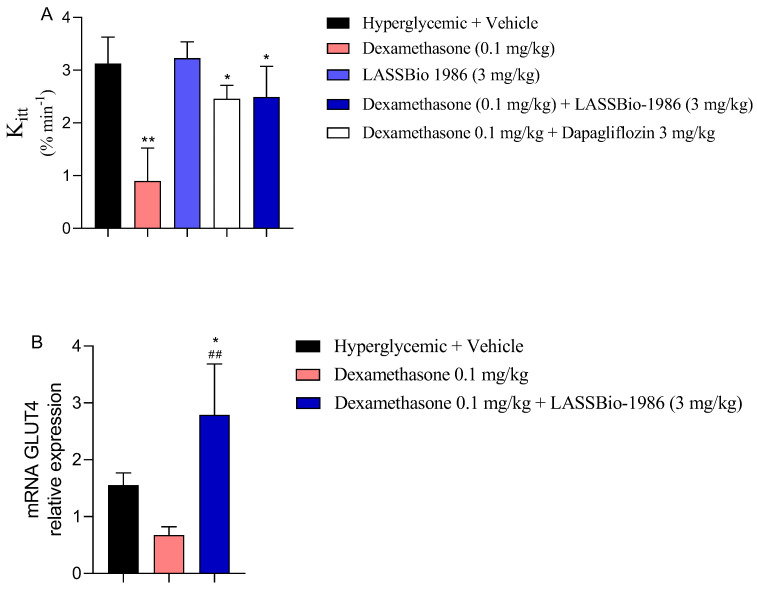 Figure 10
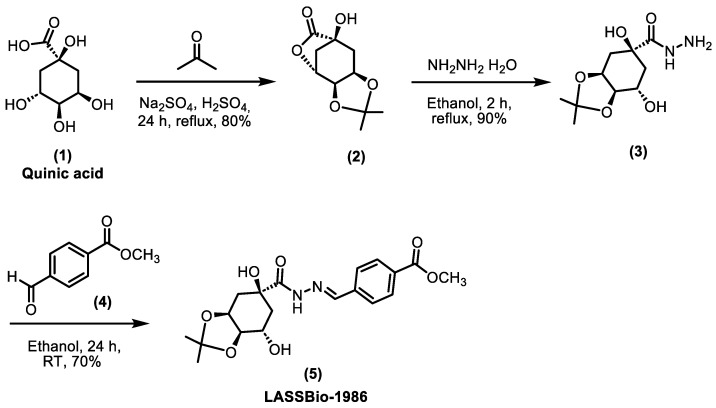 Figure 11
Peer Reviews
No public reviews on file for this paper yet. If you reviewed it on a platform where reviews are public (OpenReview, ICLR, NeurIPS, ICML), you can paste yours below so the community can read it here.
Videos
No videos yet. Explain this paper in a talk, walkthrough, or lecture? Add one.
Taxonomy
TopicsDiabetes Treatment and Management · Natural Antidiabetic Agents Studies · Metabolism, Diabetes, and Cancer