Reactive Extrusion of Sorghum Flour with Ozone Modifies the Texture, Thermal Behavior, and Digestibility of Starch and Proteins
Pablo Palavecino, Esteban Carrillo Parra, Marianela Rodriguez, María Isabel Curti, Mariela Bustos Shmidt, Pablo Ribotta

TL;DR
This study shows that using ozone during extrusion changes the texture, water absorption, and digestibility of sorghum flour, offering a sustainable food processing method.
Contribution
The novel contribution is using ozone-assisted reactive extrusion to modify sorghum flour properties in a sustainable and clean-label way.
Findings
Ozone reduced specific mechanical energy and increased extrudate density in sorghum flour.
XPS confirmed oxidation of hydroxyl groups into carbonyl and carboxyl groups.
Ozonation improved protein digestibility but reduced starch hydrolysis in the gastric phase.
Abstract
This study addresses the need for sustainable and clean-label processing methods to enhance the functional and nutritional properties of sorghum flour. Reactive extrusion combining high shear forces and ozonization was selected as an environmentally friendly modification strategy. Whole and polished sorghum flours were processed using a twin-screw extruder, with ozone introduced via ozonated feed water under varying temperature profiles (140 °C and 160 °C) and moisture contents (20% and 23%). Characterization included specific mechanical energy (SME), textural attributes, water absorption and solubility indices (WAI/WSI), viscosity profiles (RVA), and surface chemistry via X-ray photoelectron spectroscopy (XPS). Finally, in vitro digestion was used to monitor the kinetics of starch and protein hydrolysis. Ozone reduced SME, increased extrudate density, and lowered expansion and fracture…
Genes, proteins, chemicals, diseases, species, mutations and cell lines named across the full text — each resolved to its canonical identifier and authoritative record.
Click any figure to enlarge with its caption.
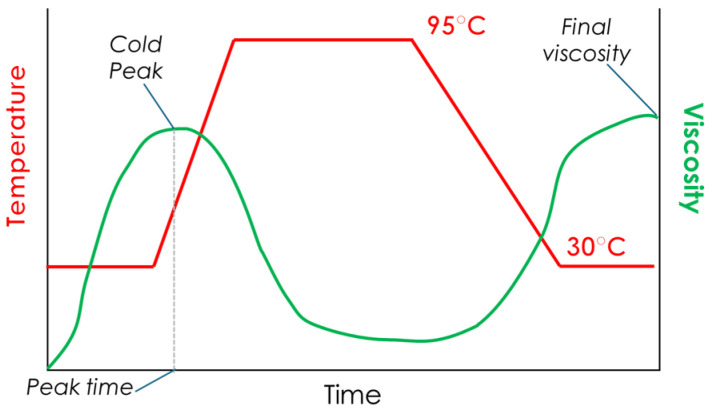 Figure 1
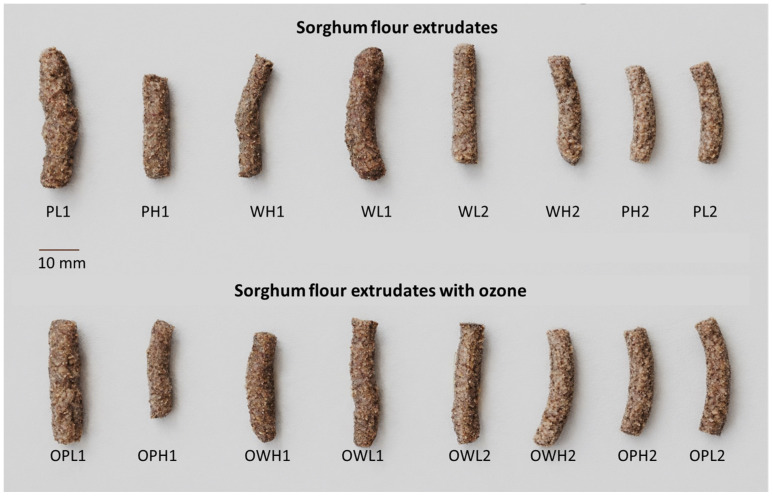 Figure 2
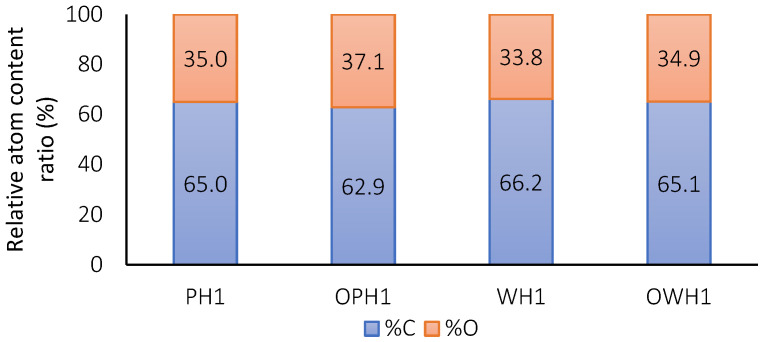 Figure 3
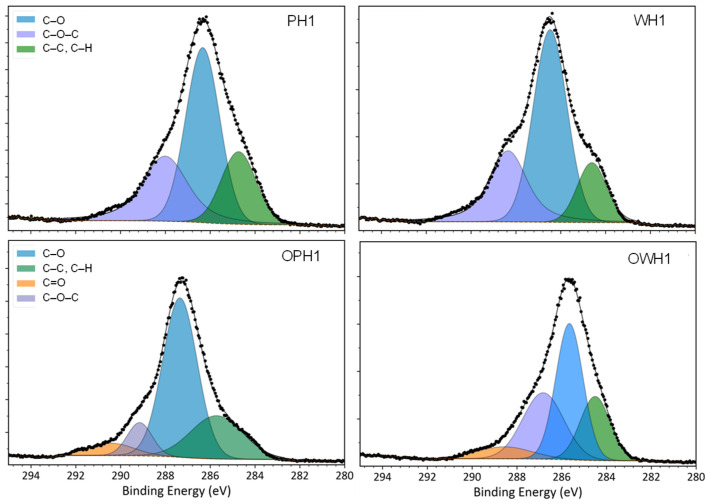 Figure 4
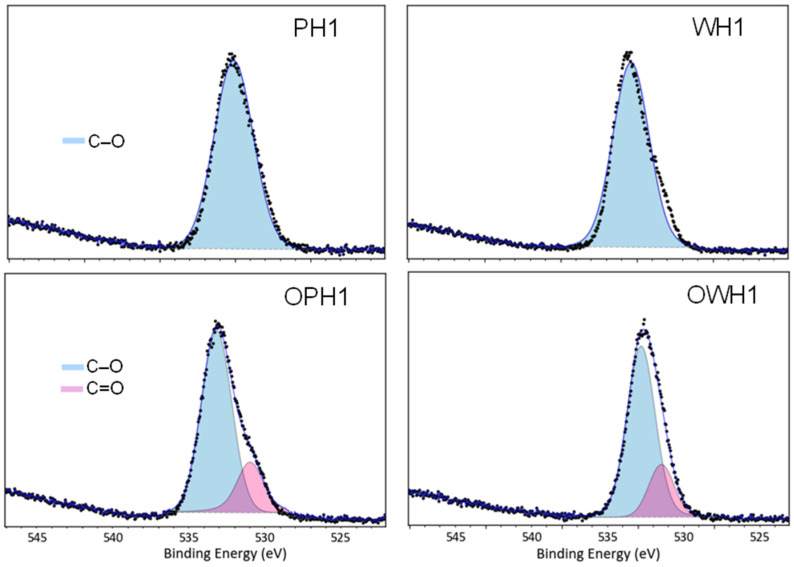 Figure 5
 Figure 6
 Figure 7
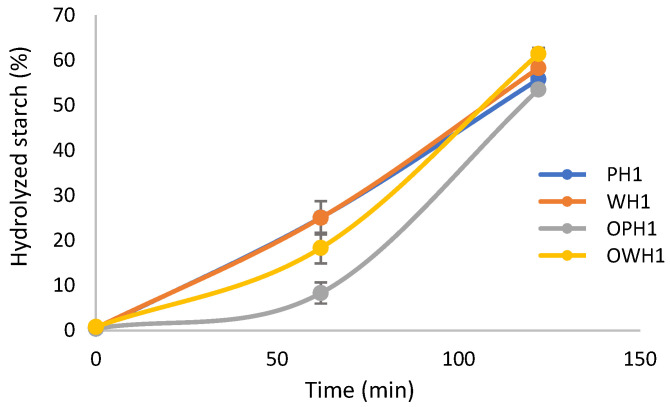 Figure 8
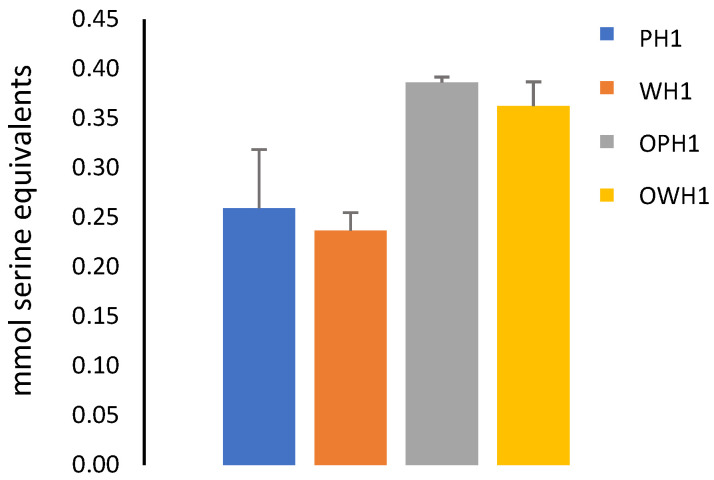 Figure 9
Peer Reviews
No public reviews on file for this paper yet. If you reviewed it on a platform where reviews are public (OpenReview, ICLR, NeurIPS, ICML), you can paste yours below so the community can read it here.
Videos
No videos yet. Explain this paper in a talk, walkthrough, or lecture? Add one.
Taxonomy
TopicsFood composition and properties · Food Drying and Modeling · Microencapsulation and Drying Processes