Farnesol, a Dietary Sesquiterpene, Attenuates Rotenone-Induced Dopaminergic Neurodegeneration by Inhibiting Oxidative Stress, Inflammation, and Apoptosis via Mediation of Cell Signaling Pathways in Rats
Lujain Bader Eddin, Seenipandi Arunachalam, Sheikh Azimullah, Mohamed Fizur Nagoor Meeran, Mouza Ali Hasan AlQaishi Alshehhi, Amar Mahgoub, Rami Beiram, Shreesh Ojha

TL;DR
Farnesol, a natural compound, protects against Parkinson's disease by reducing brain inflammation, oxidative stress, and cell death in rats exposed to a toxin.
Contribution
Farnesol's protective effects against dopaminergic neurodegeneration are demonstrated through multiple cellular mechanisms in a rat model of Parkinson's disease.
Findings
Farnesol reduced inflammation by suppressing TLR4, NF-κB, and related inflammatory markers.
Farnesol enhanced antioxidant activity by increasing SOD and catalase while lowering oxidative stress markers.
Farnesol restored autophagy and preserved BDNF and tyrosine hydroxylase levels in the brain.
Abstract
Parkinson’s disease is a neurodegenerative disorder that affects the elderly population worldwide. Rotenone (ROT) is an environmental toxin that impairs mitochondrial dynamics by inhibiting respiratory chain complex I and thus inducing oxidative stress. Farnesol (FSL) is a dietary sesquiterpene with antioxidant and anti-inflammatory properties reported in various in vivo models. To evaluate the efficacy of FSL in the management of PD, Wistar rats were injected with ROT (2.5 mg/kg, i.p) and pretreated with FSL. Immunohistochemical staining measured tyrosine hydroxylase-positive cells in the substantia nigra and striatum. Western blotting was employed to determine protein expression of inflammatory, apoptotic, and autophagic markers. Our results indicate that FSL significantly protected against ROT-induced inflammation by suppressing microglial and astrocytic activation through the…
Genes, proteins, chemicals, diseases, species, mutations and cell lines named across the full text — each resolved to its canonical identifier and authoritative record.
Click any figure to enlarge with its caption.
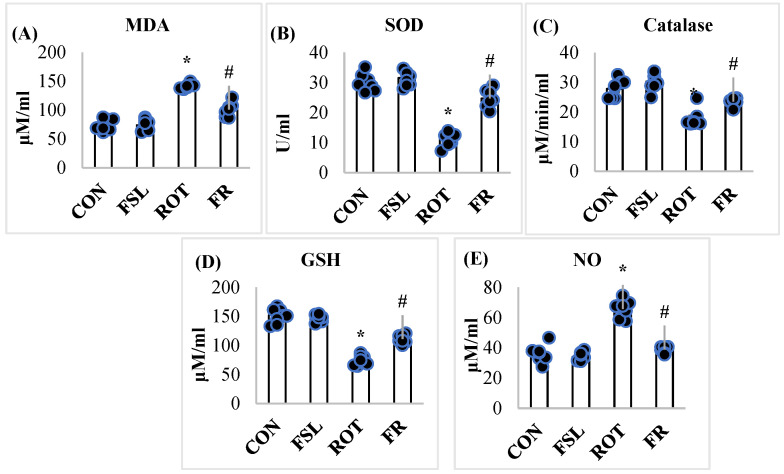 Figure 1
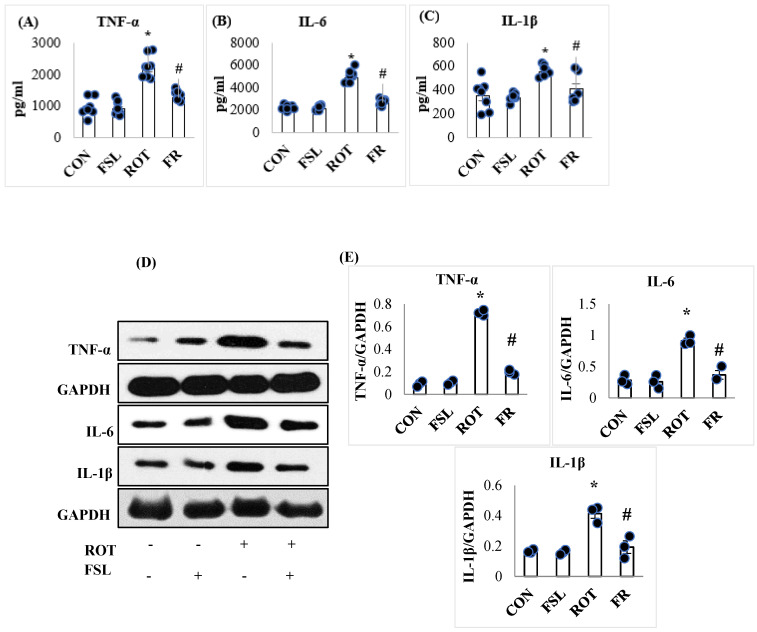 Figure 2
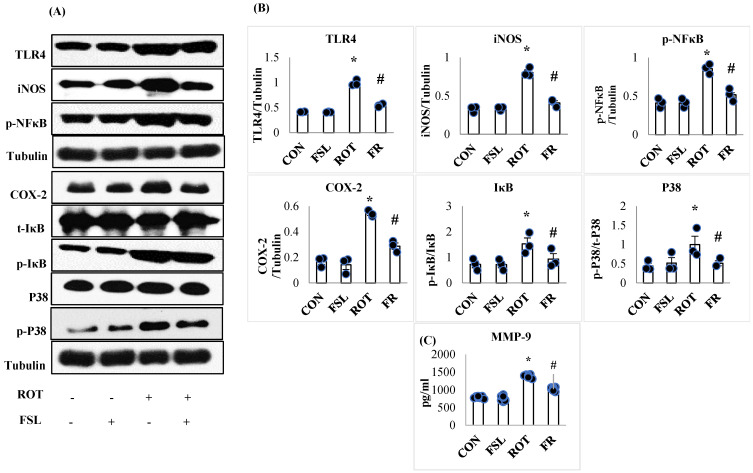 Figure 3
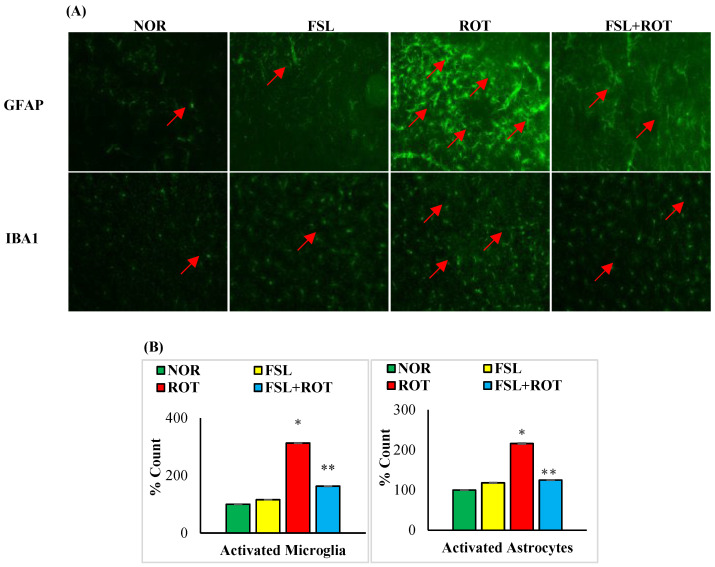 Figure 4
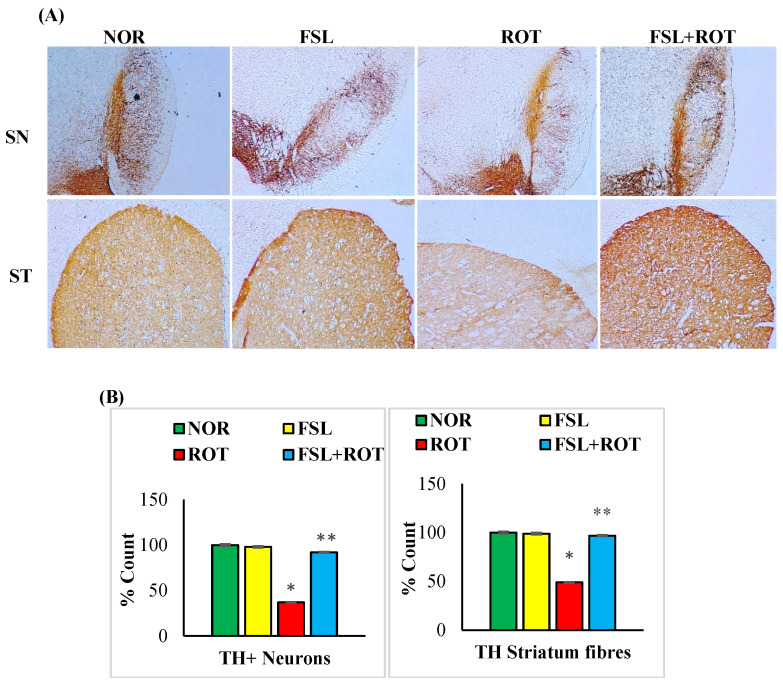 Figure 5
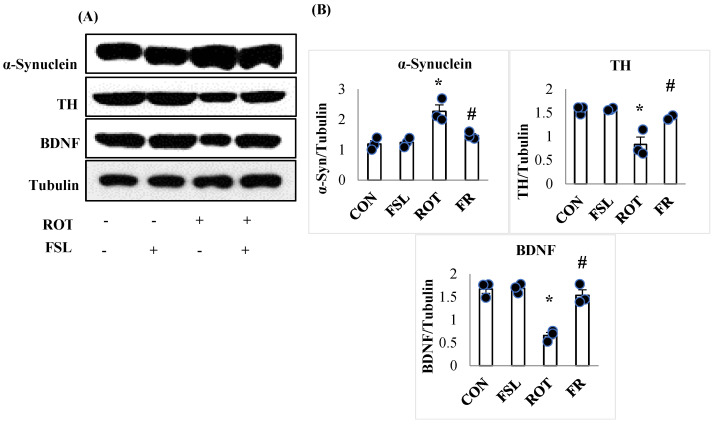 Figure 6
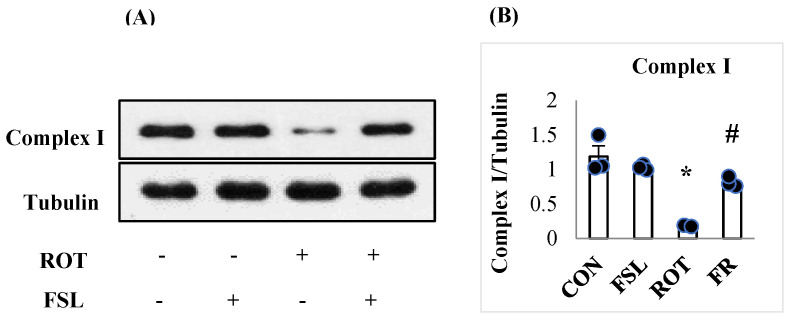 Figure 7
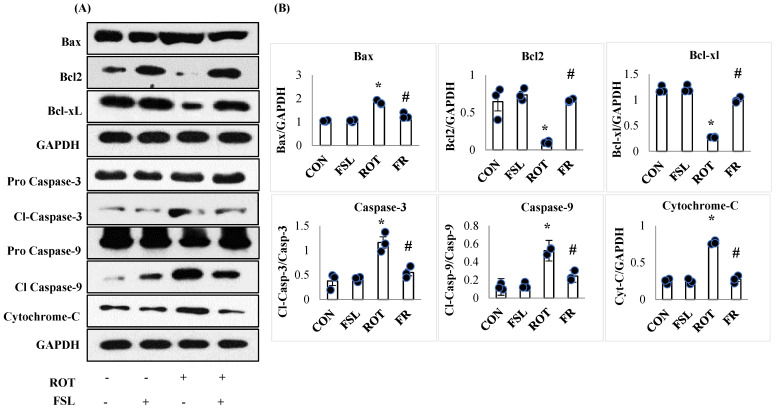 Figure 8
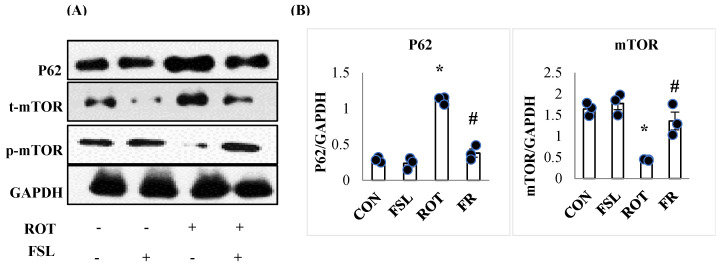 Figure 9
Peer Reviews
No public reviews on file for this paper yet. If you reviewed it on a platform where reviews are public (OpenReview, ICLR, NeurIPS, ICML), you can paste yours below so the community can read it here.
Videos
No videos yet. Explain this paper in a talk, walkthrough, or lecture? Add one.
Taxonomy
TopicsParkinson's Disease Mechanisms and Treatments · Neuroinflammation and Neurodegeneration Mechanisms · Magnolia and Illicium research