REV1 Loss Triggers a G2/M Cell-Cycle Arrest Through Dysregulation of Mitotic Regulators
Brailey Buntin, Madison Guyette, Vihit Gupta, Kanayo Ikeh, Sombodhi Bhattacharya, Erica N. Lamkin, Allison Lafuze, Roxana del Rio-Guerra, Jiyong Hong, Pei Zhou, Nimrat Chatterjee

TL;DR
This study shows that losing the REV1 protein causes cells to stop dividing at a specific stage, which could help understand cancer cell behavior.
Contribution
The study reveals a new role for REV1 in cell cycle regulation, specifically in G2/M arrest, beyond its known DNA repair functions.
Findings
REV1 loss causes G2/M cell cycle arrest in flow cytometry analysis.
REV1-deficient cells show dysregulation of G2/M regulators like Cyclin B1 and tubulins.
Phosphorylation of histone H3 is reduced in REV1-deficient cells.
Abstract
Background: Genomic integrity is crucial to the cellular life cycle, which involves a tightly regulated process where cells progress through specific phases to ensure that fully replicated, undamaged DNA is inherited by daughter cells. Any dysfunction in this process or unrepaired DNA damage leads to cell cycle arrest and programmed cell death. Cancer cells are known to exploit these mechanisms to continue dividing. Usually, DNA damage arrests replication, allowing the DNA Damage Response (DDR) pathway to activate, which repairs the DNA or bypasses the damage to support cell survival and preserve genome integrity. For DNA damage bypass or translesion synthesis (TLS), a group of low-fidelity polymerases perform error-prone DNA synthesis opposite damaged bases, where REV1 functions as the main scaffolding protein. Previously, we reported non-TLS functions of REV1, including its role in…
Genes, proteins, chemicals, diseases, species, mutations and cell lines named across the full text — each resolved to its canonical identifier and authoritative record.
Click any figure to enlarge with its caption.
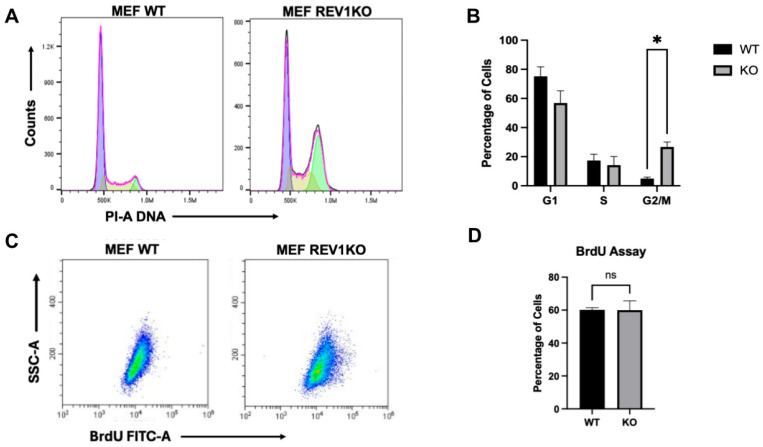 Figure 1
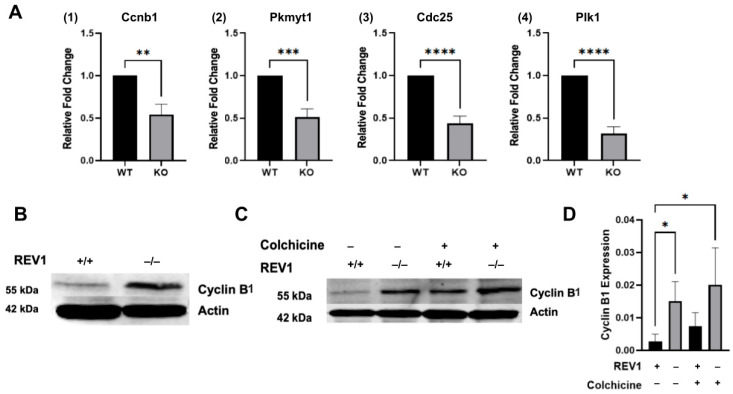 Figure 2
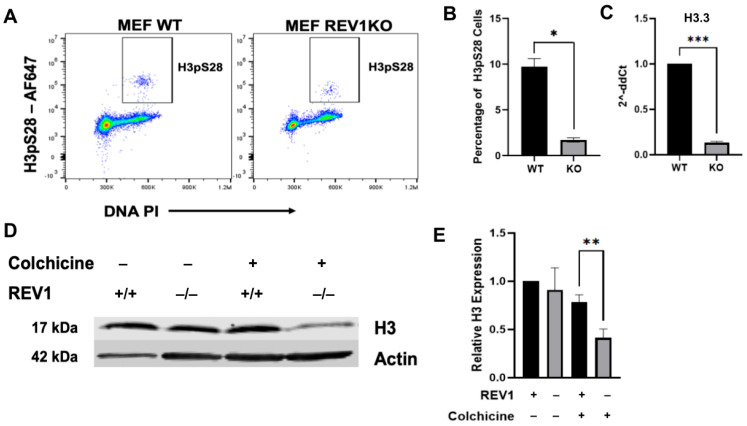 Figure 3
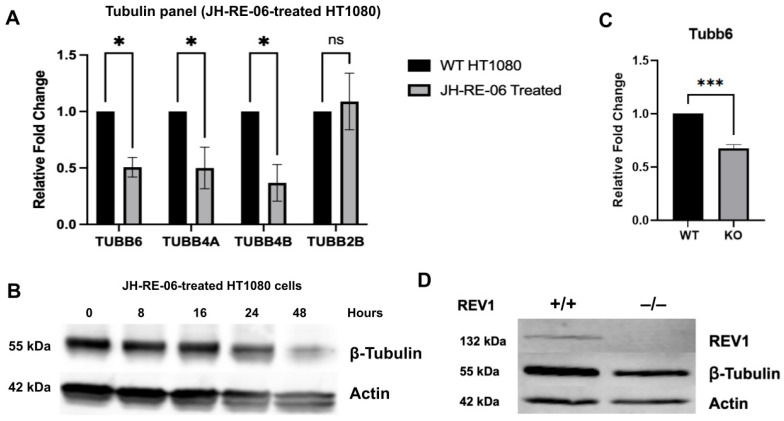 Figure 4
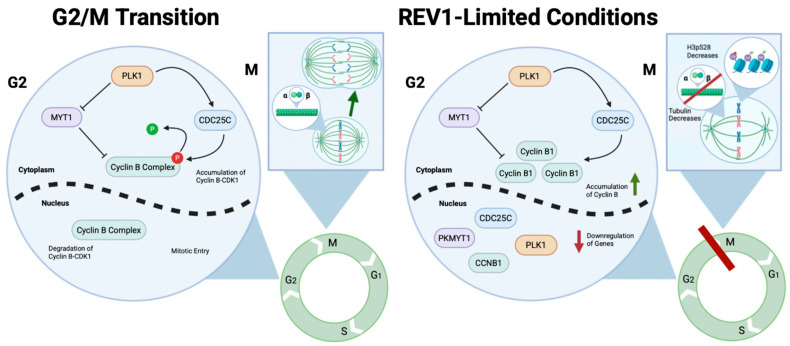 Figure 5
Peer Reviews
No public reviews on file for this paper yet. If you reviewed it on a platform where reviews are public (OpenReview, ICLR, NeurIPS, ICML), you can paste yours below so the community can read it here.
Videos
No videos yet. Explain this paper in a talk, walkthrough, or lecture? Add one.
Taxonomy
TopicsDNA Repair Mechanisms · PARP inhibition in cancer therapy · Cancer-related Molecular Pathways