Betulinic Acid and Betulin Suppress Melanoma Growth by Modulating Apoptosis and Autophagy via PI3K/AKT/mTOR and MAPK Pathways
Yingying Zhang, Meng Yuan, Quan Xu, Jun Lin, Pei Lin

TL;DR
Betulinic acid and betulin fight melanoma by triggering cell death and autophagy through key signaling pathways, with betulinic acid showing stronger effects.
Contribution
This study reveals the mechanisms of betulinic acid and betulin in melanoma treatment via PI3K/AKT/mTOR and MAPK pathways.
Findings
Betulinic acid and betulin inhibit melanoma cell growth by inducing apoptosis and autophagy.
In vivo experiments show betulinic acid suppresses melanoma growth in mice by blocking key signaling pathways.
Betulinic acid has stronger anti-melanoma effects compared to betulin in inhibiting migration and tube formation.
Abstract
Malignant melanoma (MM) is a highly invasive and metastatic form of skin cancer. Betulinic acid (BA) and betulin (BE) possess pharmacological activities such as heat-clearing, detoxification, and anti-tumor effects, with BA showing potent selective cytotoxicity against melanoma cells. However, their underlying mechanisms in MM treatment remain unclear. Herein, this study systematically evaluated the anti-melanoma effects of BA and BE via integrated network pharmacology, in vitro and in vivo assays. Network pharmacology analysis revealed that BA and BE exerted anti-MM effects mainly by regulating apoptosis, angiogenesis and autophagy through the PI3K/AKT and MAPK signaling pathways. In vitro, both BA and BE inhibited colony formation and migration of B16-F10 cells, induced apoptosis by enhancing DNA damage and upregulating apoptotic protein expression, increased autophagic activity, and…
Genes, proteins, chemicals, diseases, species, mutations and cell lines named across the full text — each resolved to its canonical identifier and authoritative record.
Click any figure to enlarge with its caption.
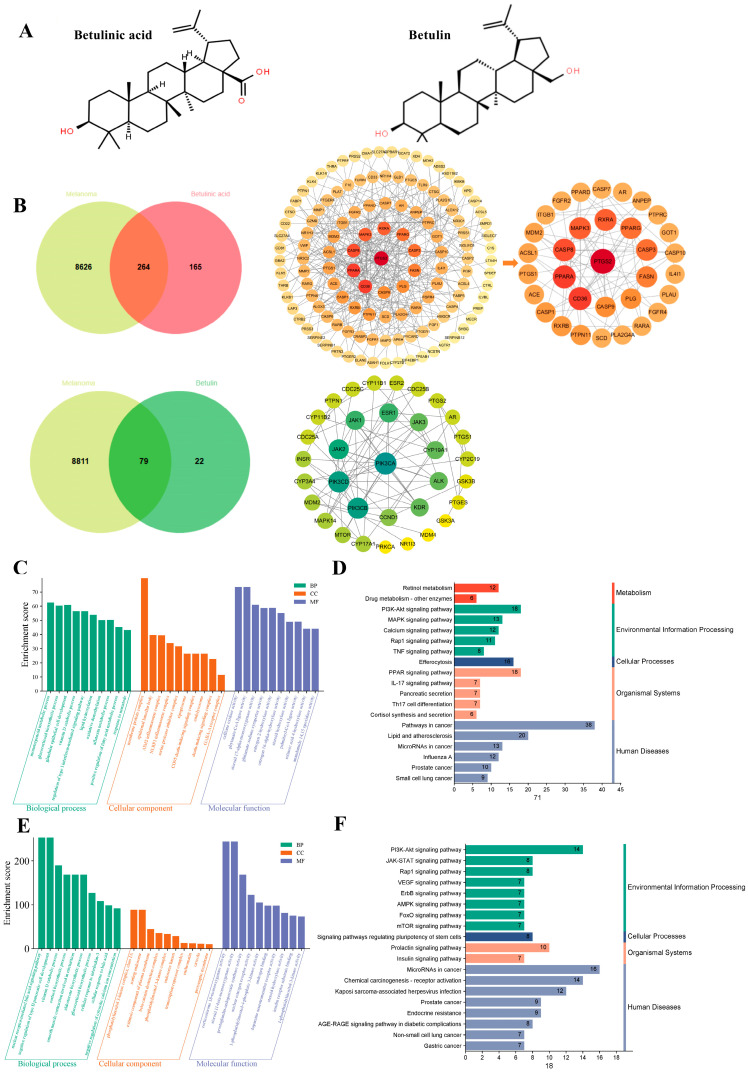 Figure 1
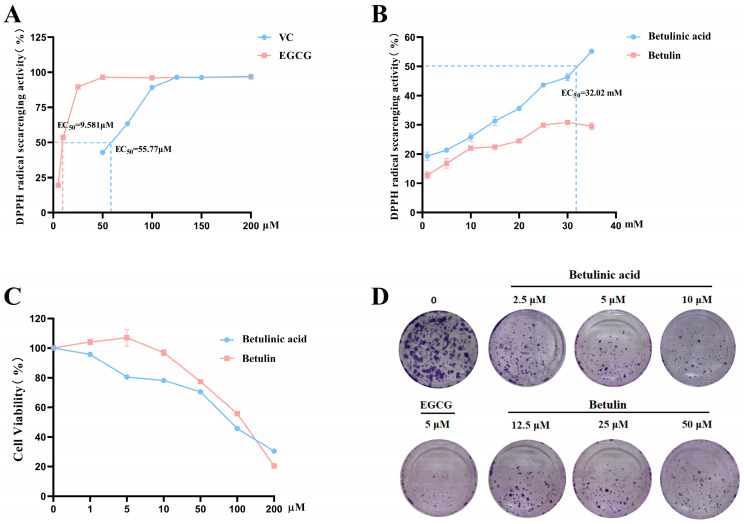 Figure 2
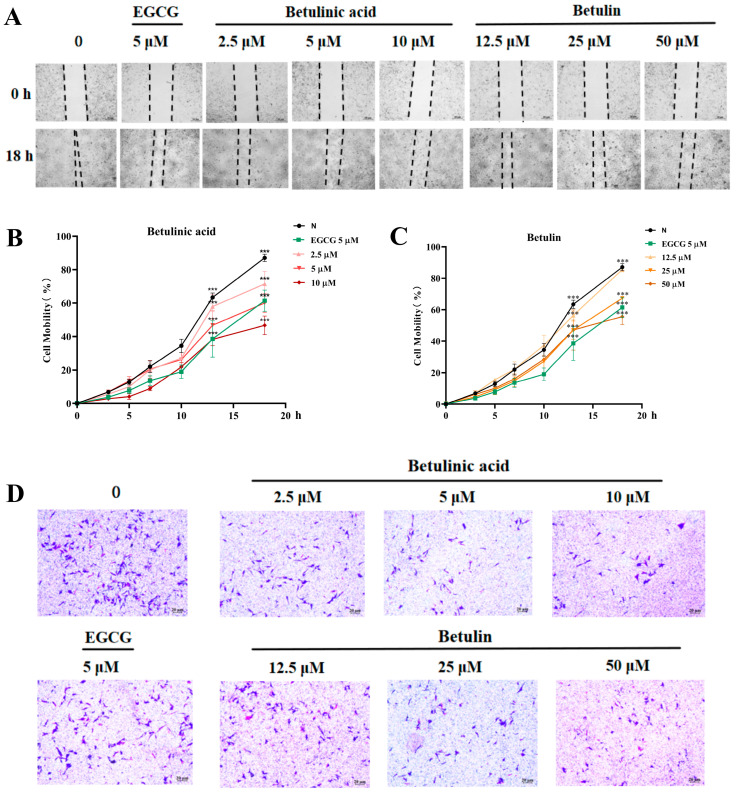 Figure 3
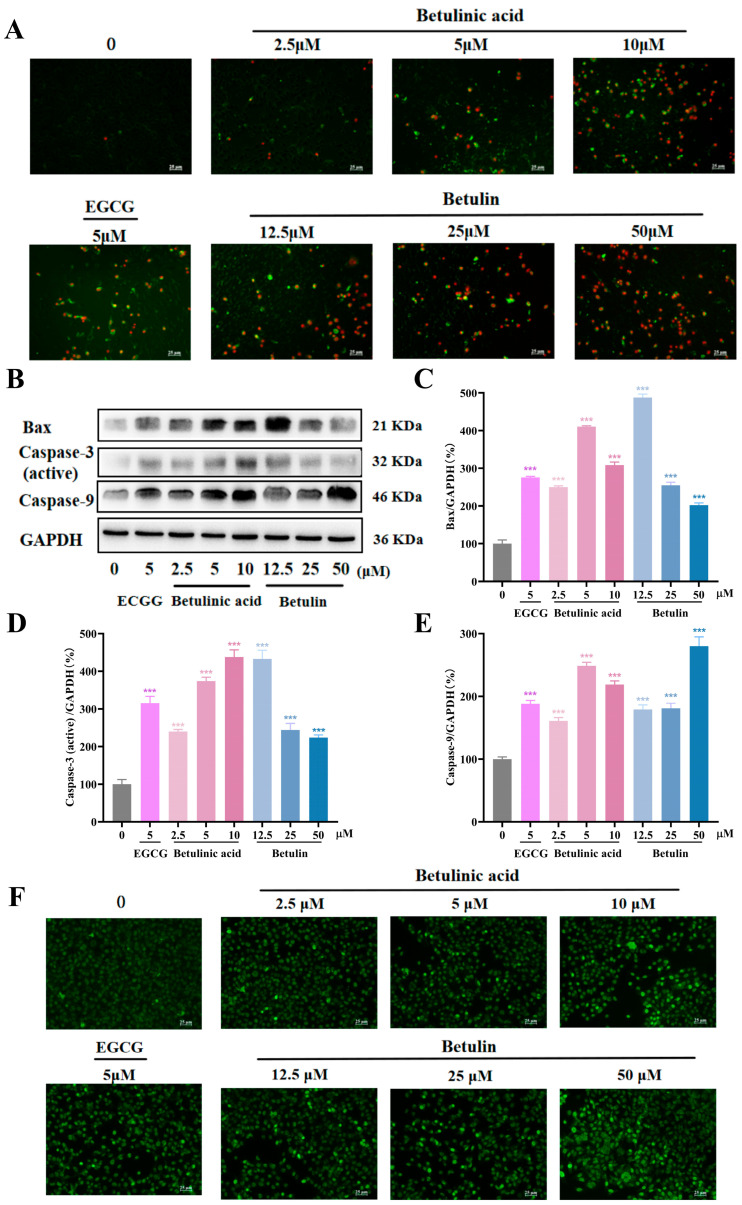 Figure 4
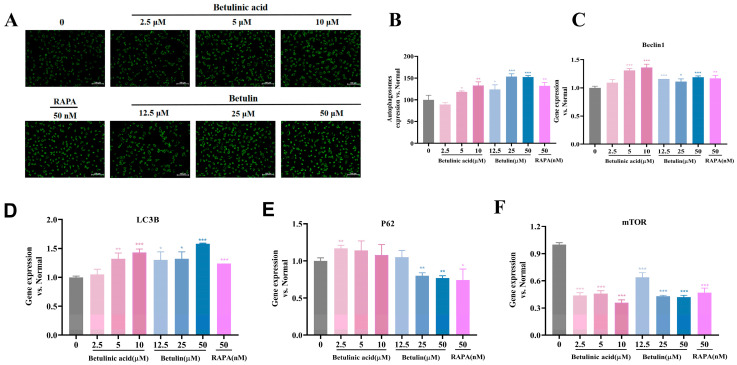 Figure 5
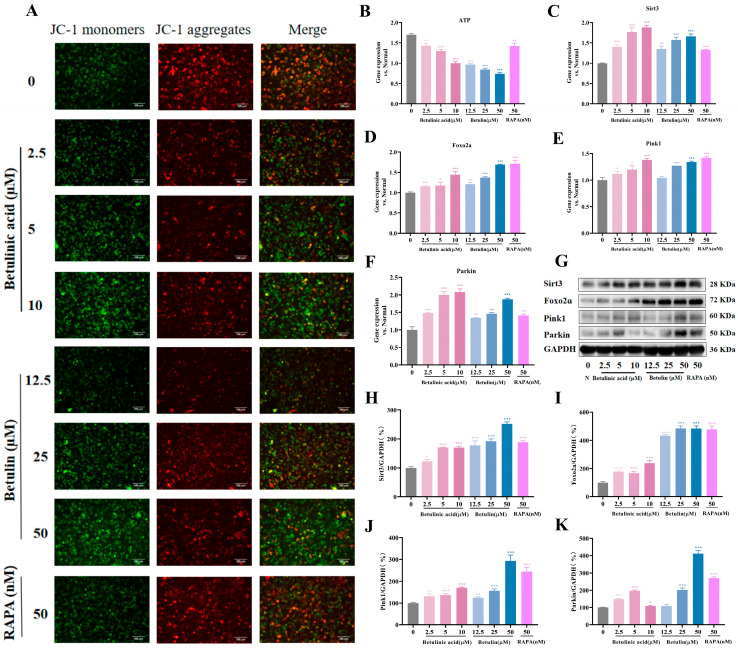 Figure 6
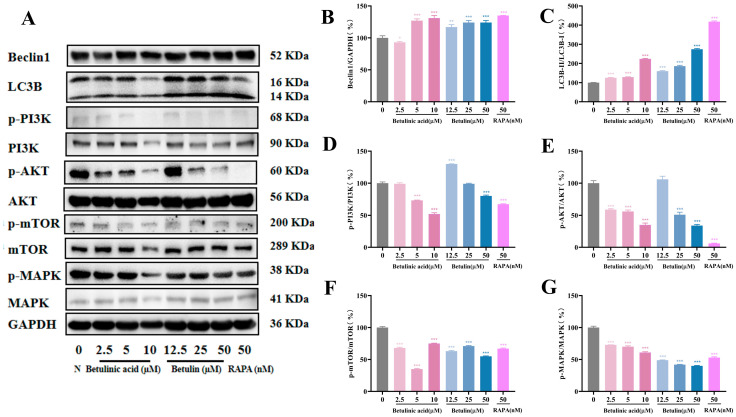 Figure 7
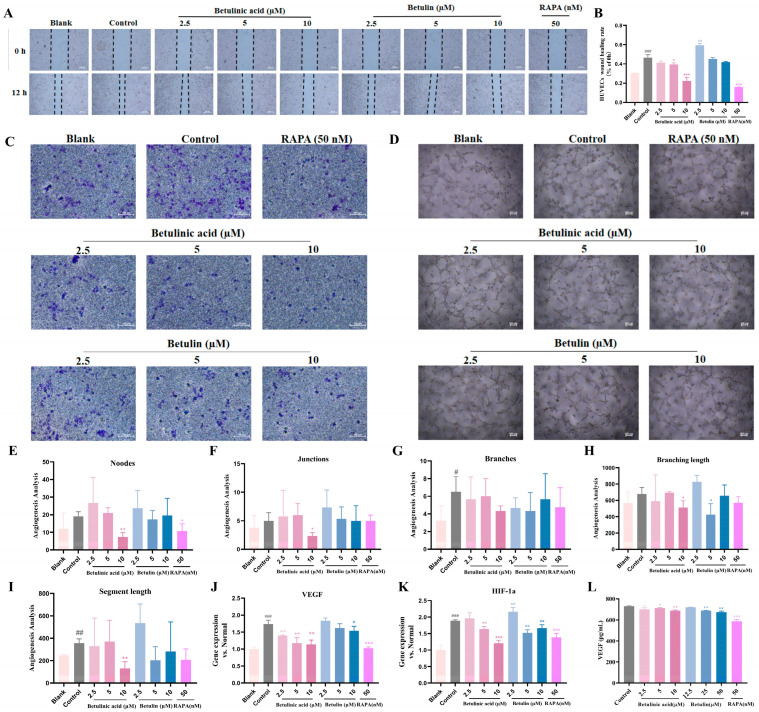 Figure 8
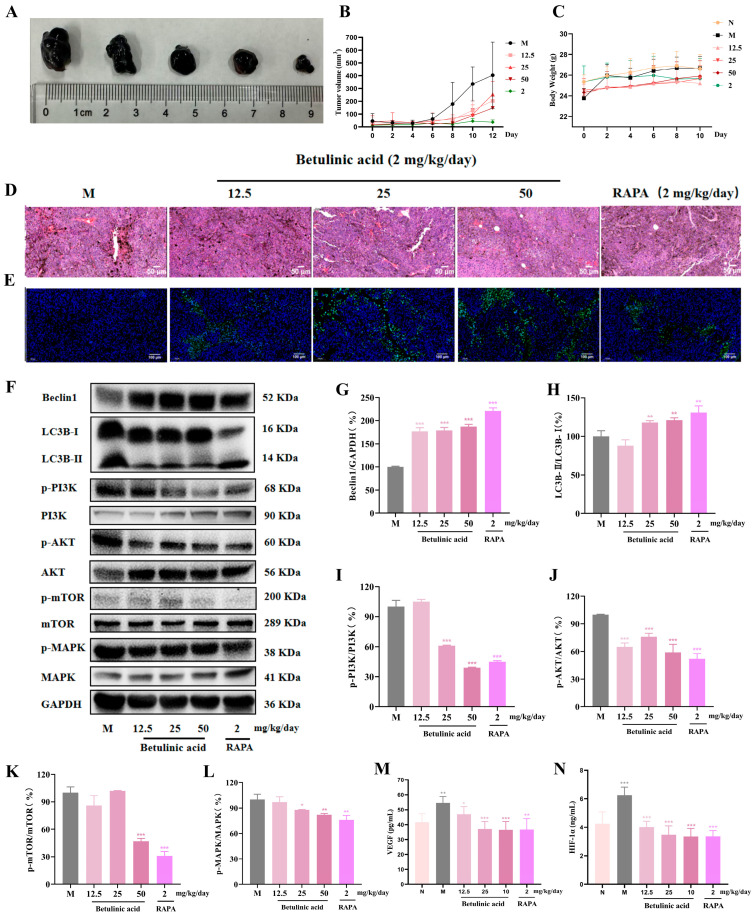 Figure 9
Peer Reviews
No public reviews on file for this paper yet. If you reviewed it on a platform where reviews are public (OpenReview, ICLR, NeurIPS, ICML), you can paste yours below so the community can read it here.
Videos
No videos yet. Explain this paper in a talk, walkthrough, or lecture? Add one.
Taxonomy
TopicsNatural product bioactivities and synthesis · Flavonoids in Medical Research · Tannin, Tannase and Anticancer Activities