Biallelic Truncating DNAH14 Variant in Siblings with Neurodevelopmental Disorder and Predominant Ataxia: Clinical Report and Literature Review
Savas Baris, Mustafa Dogan, Kerem Terali, Alper Gezdirici, Recep Eroz, Peren Perk Yucel, Huseyin Kilic, Cuneyd Yavas, Gizem Yildirim, Ibrahim Baris

TL;DR
This paper reports two siblings with a rare DNAH14 gene variant and Friedreich’s ataxia, showing how multiple genetic factors can contribute to complex neurological symptoms.
Contribution
The first report of co-occurring FRDA and a homozygous DNAH14 variant, expanding the genetic understanding of ataxia and neurodevelopmental disorders.
Findings
A novel homozygous frameshift variant in DNAH14 was identified in two Turkish siblings with ataxia and cognitive impairment.
The DNAH14 variant is predicted to be harmful and absent from population databases, supporting its pathogenic role.
The combination of FRDA and DNAH14 variants suggests a dual genetic basis for the observed neurological phenotype.
Abstract
Neurodevelopmental disorders (NDDs) with ataxia are genetically heterogeneous and remain a diagnostic challenge. Recent advances in genomic technologies have facilitated the identification of rare, potentially causative variants in genes not traditionally associated with classic NDD phenotypes. The DNAH14 gene, encoding a dynein axonemal heavy chain involved in ciliary motility, has recently emerged as a novel candidate in neurological syndromes. Here, we report two Turkish siblings presenting with late-onset balance disorder, progressive ataxia, and cognitive impairment. Initial genetic analysis revealed that both siblings also harbor FXN GAA repeat expansions consistent with pathogenic Friedreich’s ataxia (FRDA). To elucidate the molecular basis of the patients’ cognitive impairment, whole-exome sequencing was performed. This analysis identified a novel homozygous frameshift variant…
Genes, proteins, chemicals, diseases, species, mutations and cell lines named across the full text — each resolved to its canonical identifier and authoritative record.
Click any figure to enlarge with its caption.
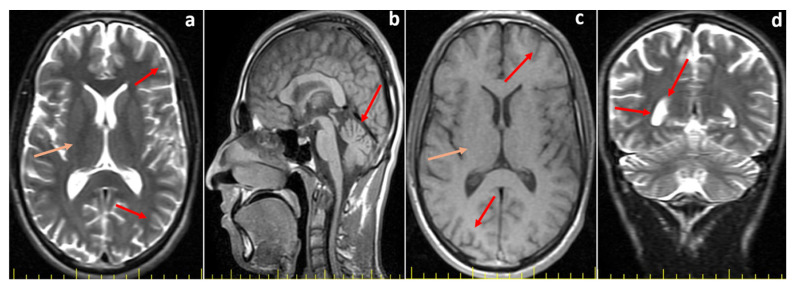 Figure 1
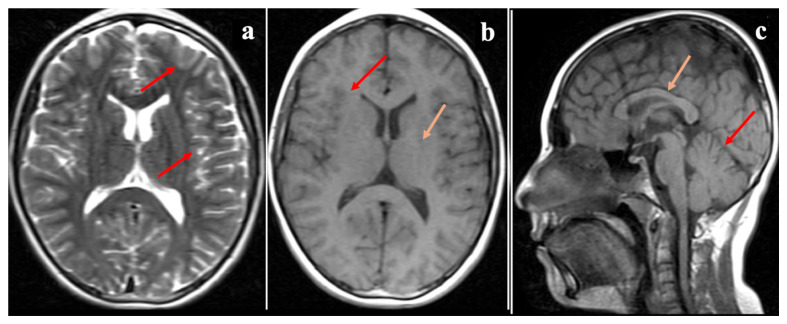 Figure 2
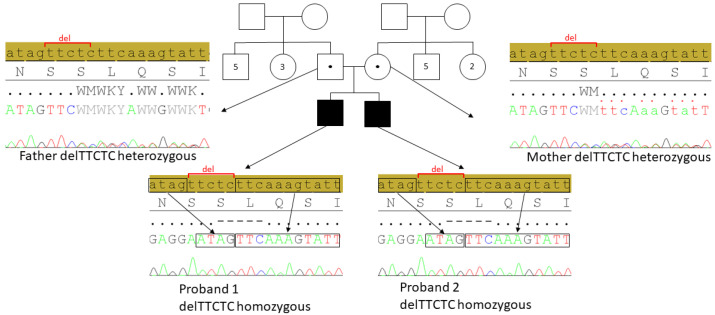 Figure 3
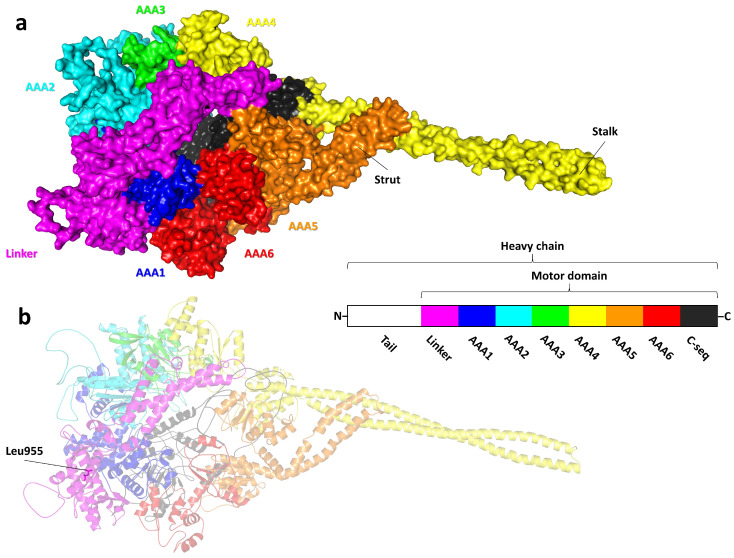 Figure 4
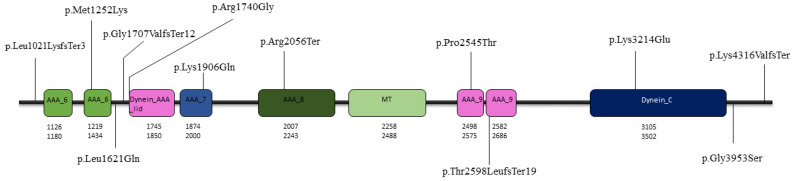 Figure 5
Peer Reviews
No public reviews on file for this paper yet. If you reviewed it on a platform where reviews are public (OpenReview, ICLR, NeurIPS, ICML), you can paste yours below so the community can read it here.
Videos
No videos yet. Explain this paper in a talk, walkthrough, or lecture? Add one.
Taxonomy
TopicsGenetic Neurodegenerative Diseases · Genetic and Kidney Cyst Diseases · Genomics and Rare Diseases