Effect of Different Preservation Methods on the Microbiological Quality, Physicochemical, and Antioxidant Properties of Red Prickly Pear (Opuntia streptacantha) Juice
Jorge Alberto Jose-Salazar, Diana Maylet Hernández-Martínez, Eliseo Cristiani-Urbina, Liliana Morales-Barrera

TL;DR
This study finds that freezing vacuum-packaged and pasteurized red prickly pear juice best preserves its quality and nutrients over 12 months.
Contribution
The study introduces a novel preservation method combining freezing, vacuum packaging, and pasteurization for red prickly pear juice.
Findings
Freezing vacuum-packaged and pasteurized juice (J4) preserved pH, acidity, and antioxidant activity for 12 months.
J4 treatment maintained high levels of phenols, betalains, and total sugars in the juice.
Sensory analysis showed no significant difference between J4-treated juice and control juice.
Abstract
The red prickly pear (Opuntia streptacantha) is a fruit that is distinguished by its sensory properties and high content of bioactive compounds. Its rapid spoilage rate significantly impacts its commercialization, underscoring the urgent need for effective preservation methods. This study investigated the effectiveness of various juice preservation techniques—refrigeration, freezing, pasteurization, and vacuum packaging —in maintaining the microbiological quality, physicochemical properties, and antioxidant capacity of red prickly pear juice during storage. The most effective preservation method was found to be freezing the vacuum-packaged and pasteurized juice, referred to as J4. This method adequately maintained key nutritional and physicochemical qualities after 12 months, which was evidenced by a reduction in the microbial growth and the preservation of pH (4.64), acidity (0.74 g…
Genes, proteins, chemicals, diseases, species, mutations and cell lines named across the full text — each resolved to its canonical identifier and authoritative record.
Click any figure to enlarge with its caption.
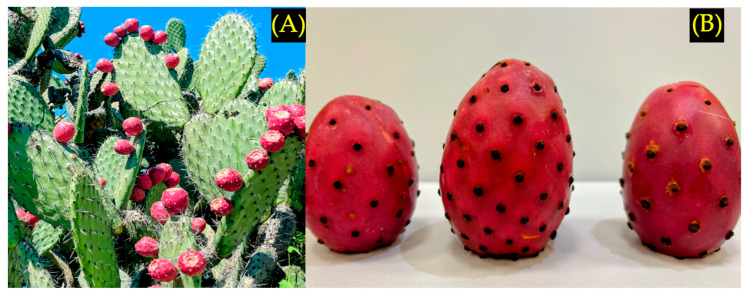 Figure 1
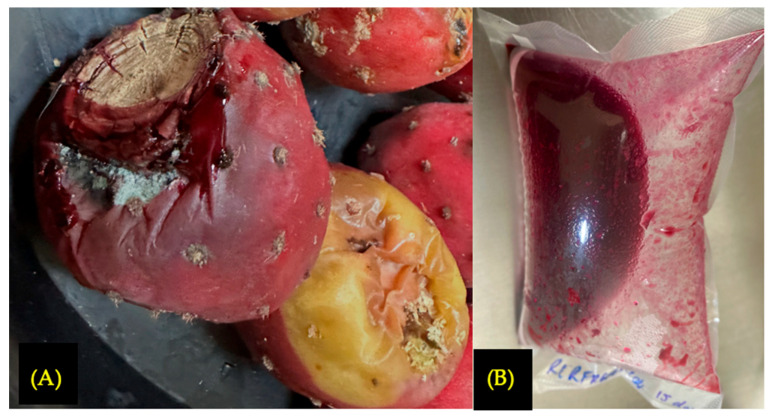 Figure 2
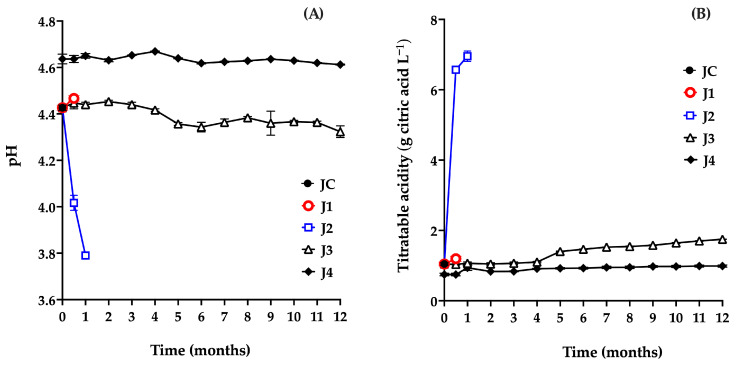 Figure 3
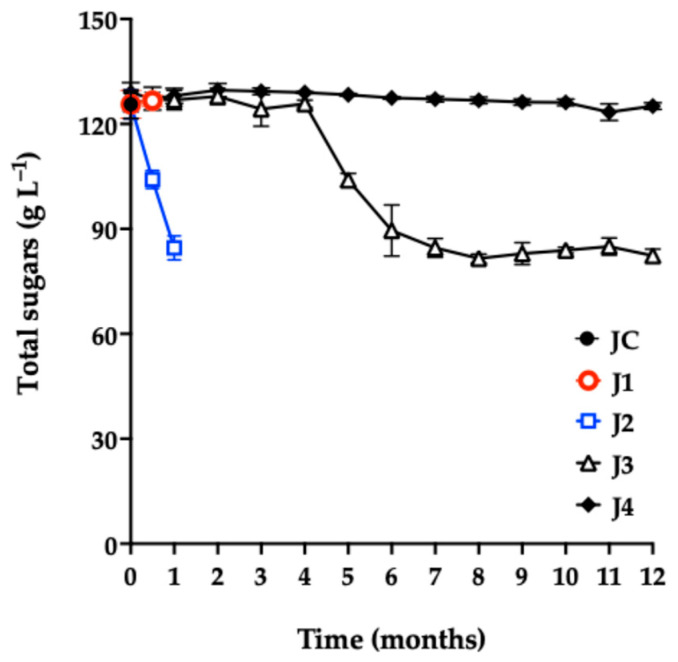 Figure 4
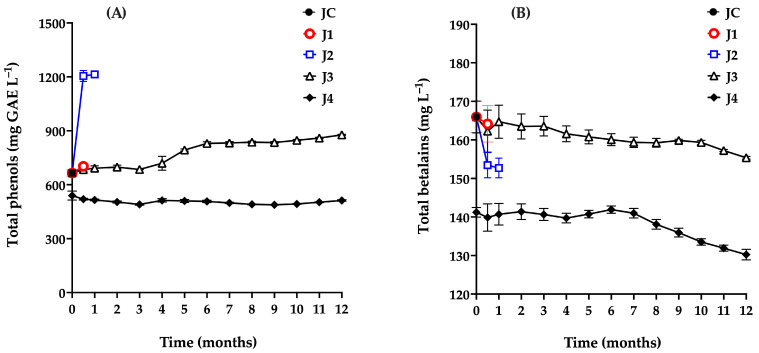 Figure 5
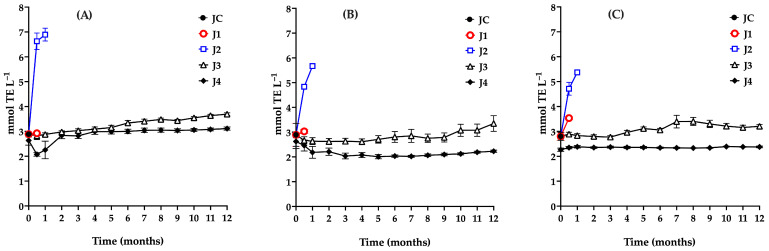 Figure 6
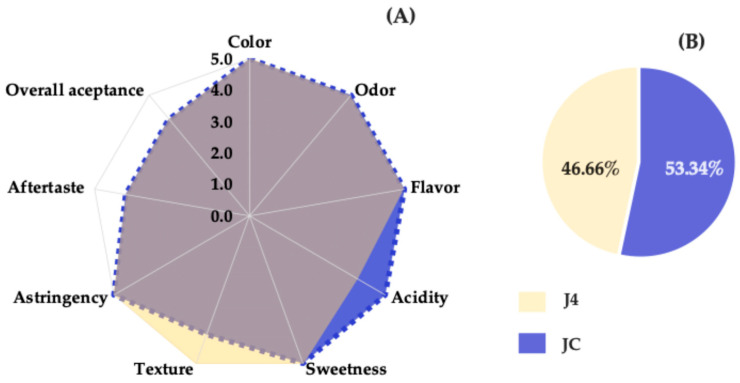 Figure 7
Peer Reviews
No public reviews on file for this paper yet. If you reviewed it on a platform where reviews are public (OpenReview, ICLR, NeurIPS, ICML), you can paste yours below so the community can read it here.
Videos
No videos yet. Explain this paper in a talk, walkthrough, or lecture? Add one.
Taxonomy
TopicsBotanical Research and Applications · Food Science and Nutritional Studies · Microencapsulation and Drying Processes