Potential of Fermented Food-Derived Lactiplantibacillus Cell-Free Supernatants to Control Staphylococcus aureus Growth and Biofilm Development
Lena Ilieva, Vesselin Baev, Mariana Marhova, Galina Yahubyan, Elena Apostolova, Mariyana Gozmanova, Velizar Gochev, Tsvetelina Paunova-Krasteva, Tsvetozara Damyanova, Sonya Kostadinova, Miroslava Gocheva, Ivan Iliev

TL;DR
This study explores how fermented food bacteria can inhibit dangerous staphylococcal biofilms, offering a potential alternative to antibiotics.
Contribution
A genome-first approach identifies lactic acid bacteria with potent antibiofilm activity against S. aureus.
Findings
Two Lactiplantibacillus strains show dose-dependent inhibition of S. aureus growth and biofilm formation.
Genome analysis reveals antimicrobial gene clusters consistent with observed phenotypic activity.
Lyophilized cell-free supernatants disrupt biofilms and permeabilize cell membranes.
Abstract
Staphylococcus aureus biofilms represent a critical healthcare challenge, driving chronic infections and antimicrobial resistance. This study investigates the anti-staphylococcal efficacy of two Lactiplantibacillus strains isolated from traditional Bulgarian pickled vegetables (turshiya): L. plantarum IZITR_24 and L. paraplantarum IZITR_13. Combining whole genome sequencing (WGS) with functional assays, we established a robust genotype-to-phenotype framework to characterize their antimicrobial arsenal. Based on WGS, we identified conserved plantaricin (plnJK, plnEF) clusters in both isolates, with IZITR_13 additionally carrying genes for pediocin and enterolysin A—alongside the confirmed absence of virulence factors. Reconstituted lyophilized cell-free supernatants (LCFSs) were evaluated in dose–response microtiter assays to determine the minimum biofilm inhibitory concentration (MBIC)…
Genes, proteins, chemicals, diseases, species, mutations and cell lines named across the full text — each resolved to its canonical identifier and authoritative record.
Click any figure to enlarge with its caption.
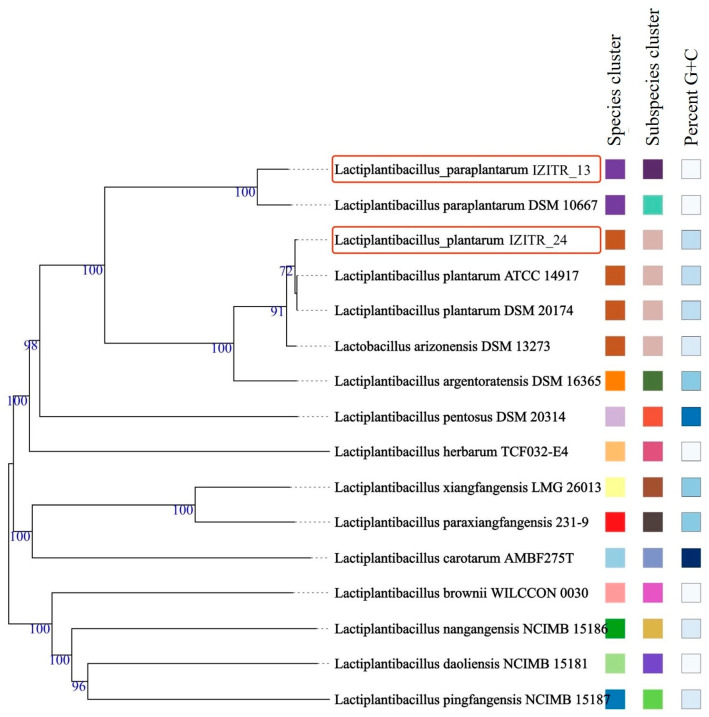 Figure 1
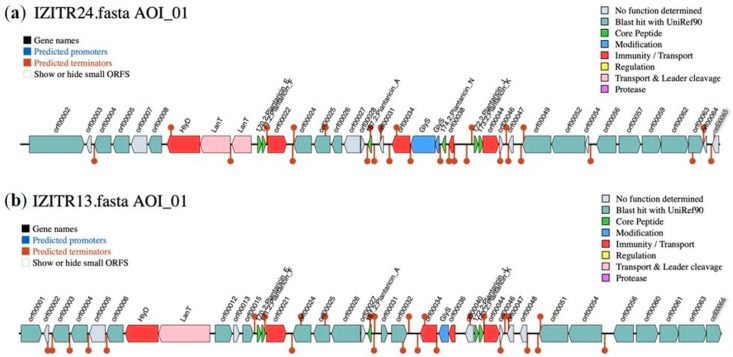 Figure 2
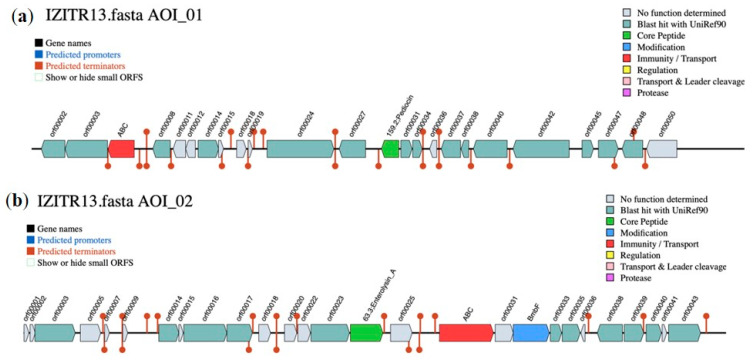 Figure 3
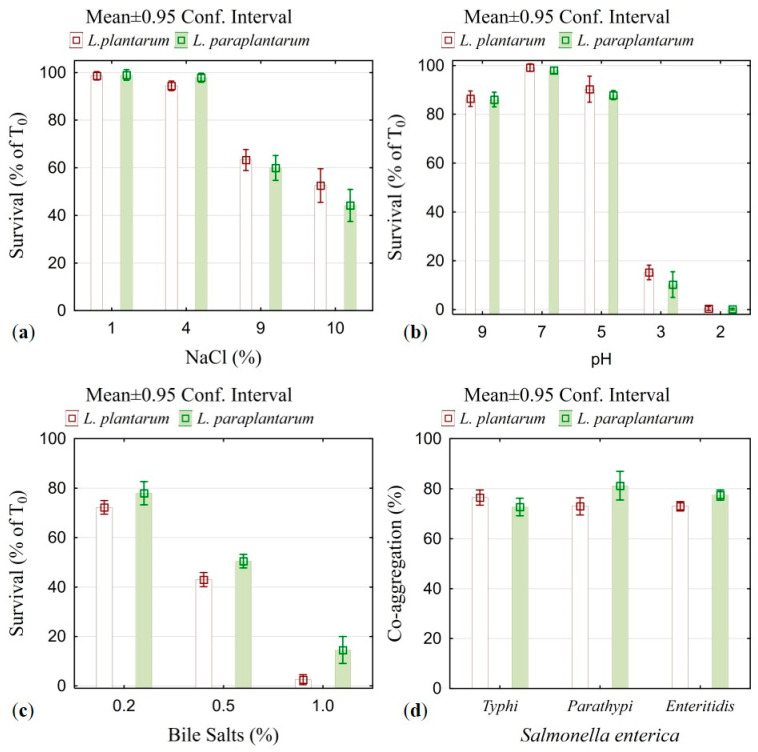 Figure 4
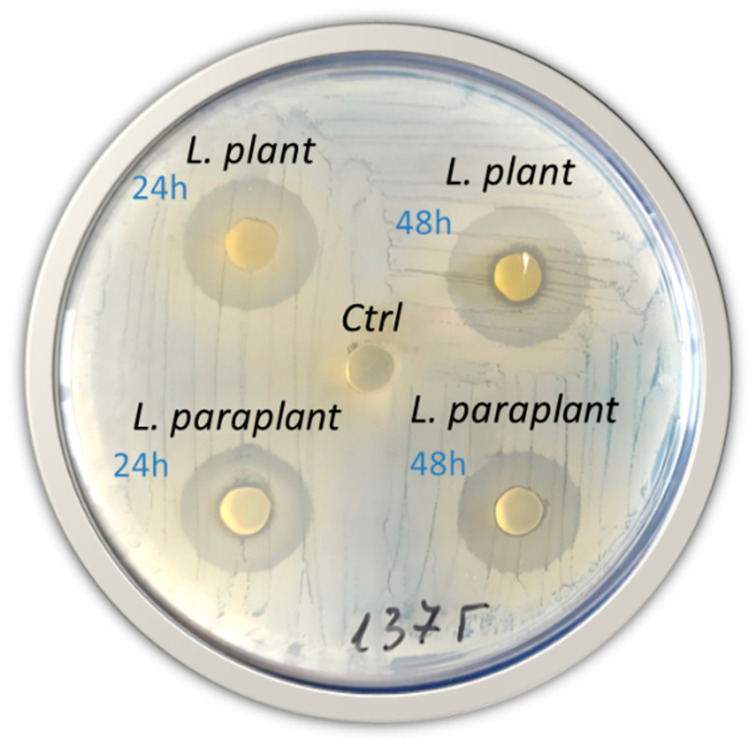 Figure 5
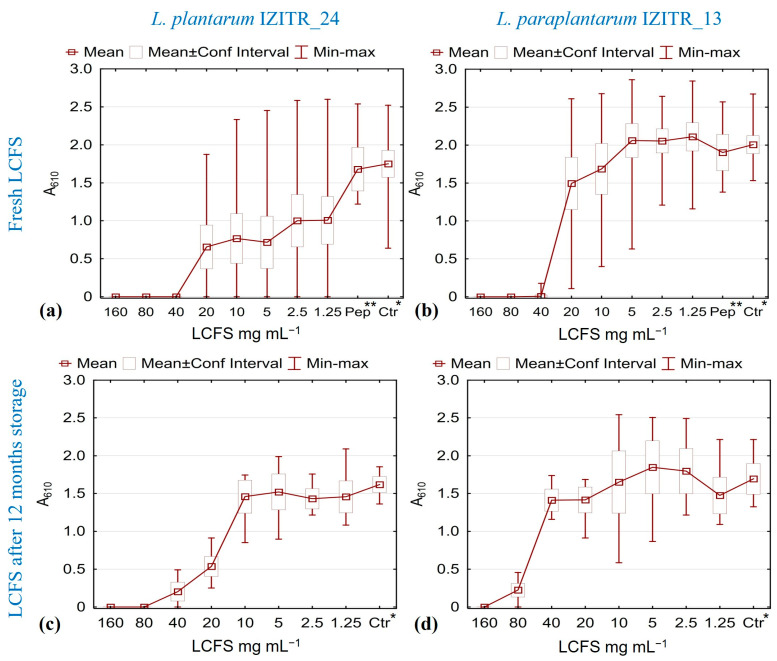 Figure 6
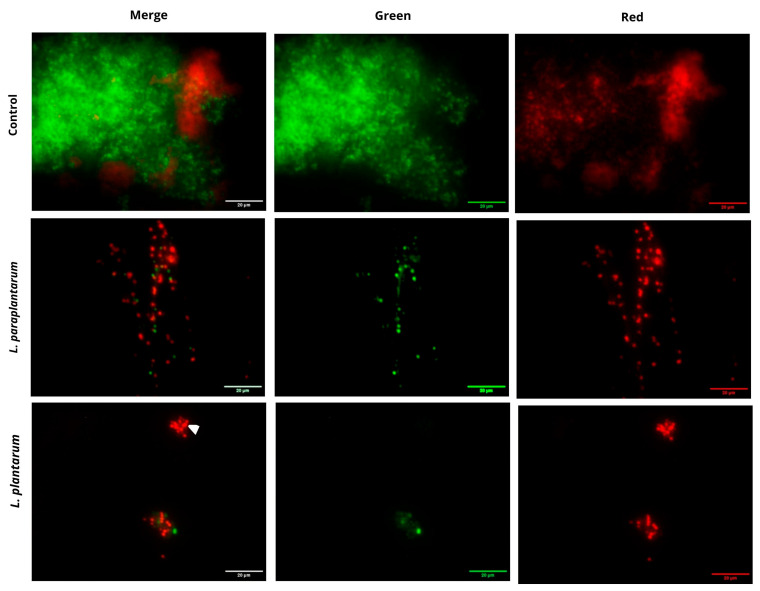 Figure 7
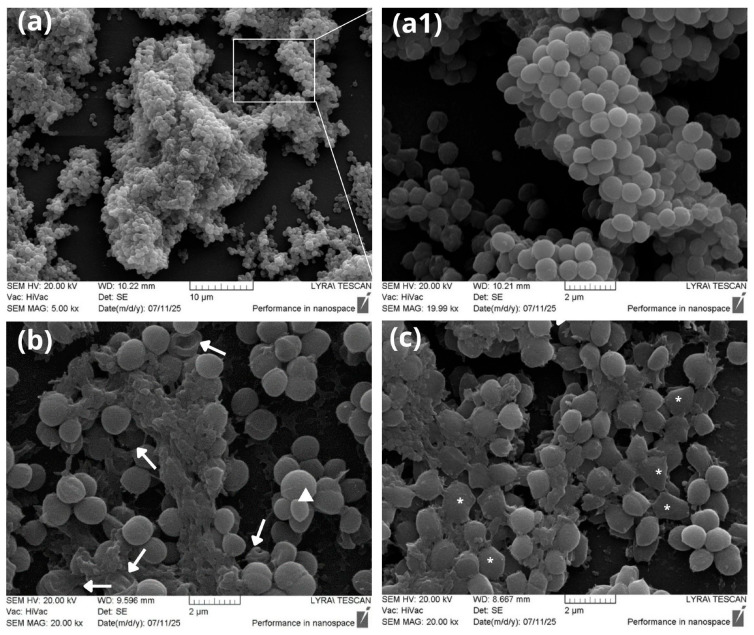 Figure 8
Peer Reviews
No public reviews on file for this paper yet. If you reviewed it on a platform where reviews are public (OpenReview, ICLR, NeurIPS, ICML), you can paste yours below so the community can read it here.
Videos
No videos yet. Explain this paper in a talk, walkthrough, or lecture? Add one.
Taxonomy
TopicsProbiotics and Fermented Foods · Bacterial biofilms and quorum sensing · Antimicrobial Resistance in Staphylococcus