Comparative Transcriptome Analysis Reveals the Seawater Adaptation Mechanism in Pseudaspius hakonensis
Ziyue Xu, Wen Zheng, Wenjun Chen, Min Zhou, Dongdong Zhai, Ming Xia, Hongyan Liu, Fei Xiong, Ying Wang

TL;DR
This study compares gene activity in seawater and freshwater fish to understand how Pseudaspius hakonensis adapts to saltwater.
Contribution
The study provides the first multi-tissue transcriptomic comparison of an anadromous and a freshwater cyprinid, revealing novel molecular mechanisms of seawater adaptation.
Findings
Gill, kidney, and liver tissues showed thousands of differentially expressed genes in seawater-adapted P. hakonensis.
Key pathways like MAPK signaling, ABC transporters, and glutathione metabolism were consistently activated across tissues.
Candidate genes such as DUSP10, SLC38A2, ATP8B1, GSTA4, and MGST1 were significantly upregulated in seawater-adapted fish.
Abstract
Background: The family Cyprinidae is predominantly restricted to freshwater habitats, making the evolution of diadromy and seawater adaptation exceptionally rare within this group. Pseudaspius hakonensis, a rare anadromous cyprinid, and its strictly freshwater congener P. leptocephalus, provide an ideal comparative model to investigate the molecular mechanisms underlying salinity adaptation. This study aimed to elucidate the tissue-specific transcriptional reprogramming, identify candidate genes and key pathways, and explore their association with seawater acclimation in P. hakonensis. Methods: We performed comparative transcriptomic analyses of gill, liver, and kidney tissues from both species using RNA-Seq. Sequencing reads were aligned to a high-quality reference genome of P. hakonensis. Differential expression analysis was conducted using DESeq2, followed by functional enrichment…
Genes, proteins, chemicals, diseases, species, mutations and cell lines named across the full text — each resolved to its canonical identifier and authoritative record.
Click any figure to enlarge with its caption.
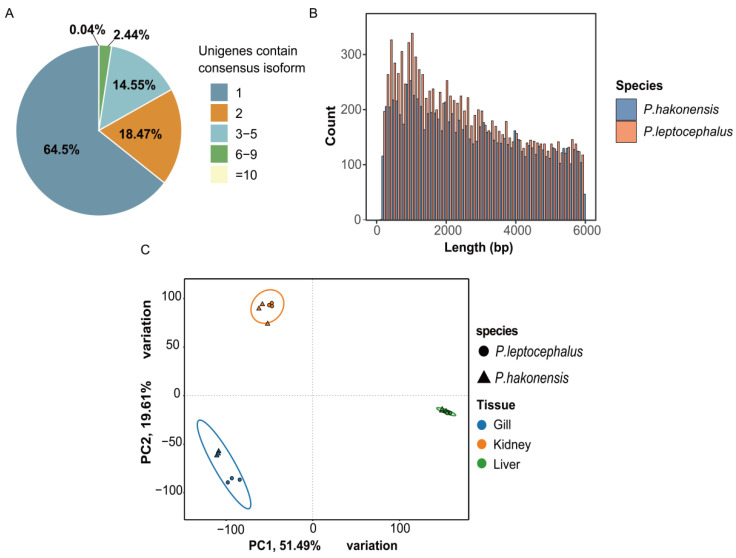 Figure 1
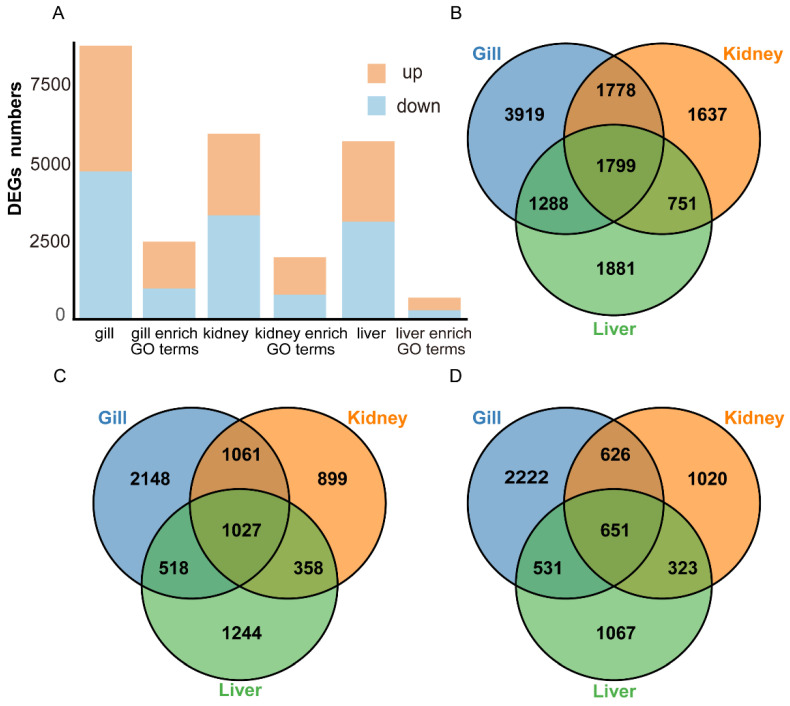 Figure 2
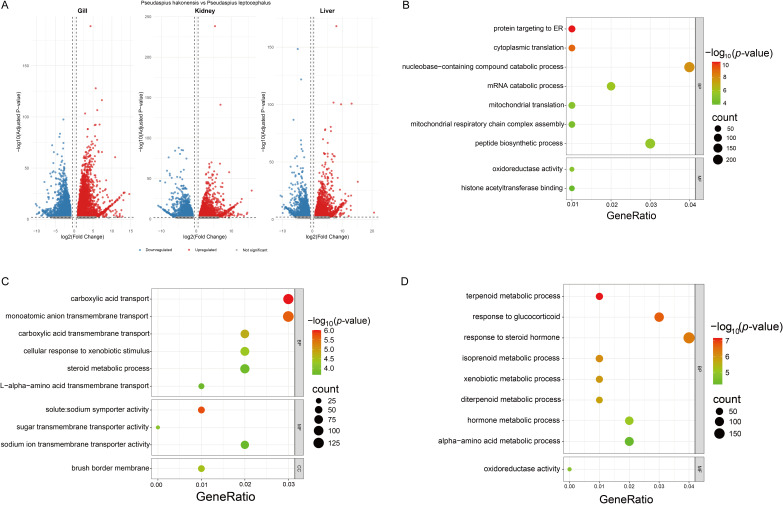 Figure 3
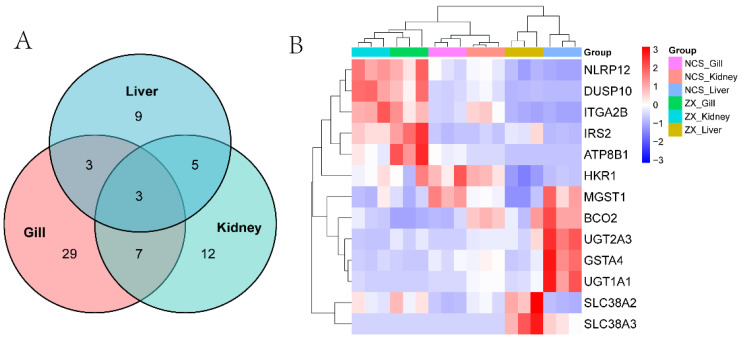 Figure 4
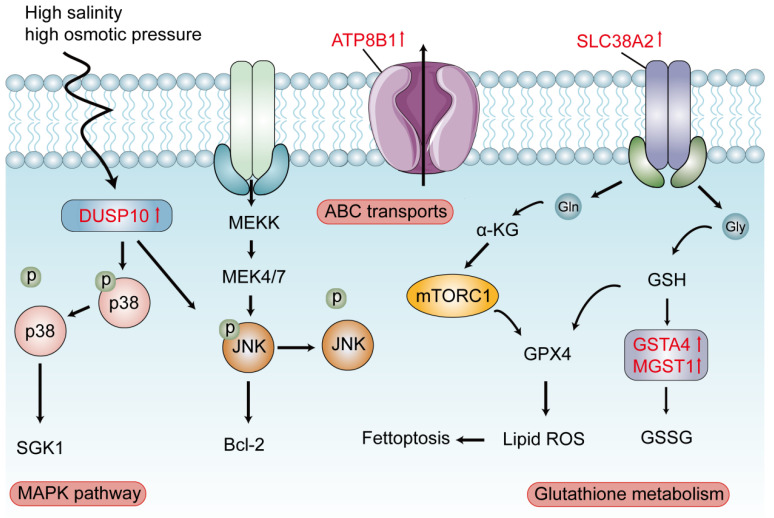 Figure 5
Peer Reviews
No public reviews on file for this paper yet. If you reviewed it on a platform where reviews are public (OpenReview, ICLR, NeurIPS, ICML), you can paste yours below so the community can read it here.
Videos
No videos yet. Explain this paper in a talk, walkthrough, or lecture? Add one.
Taxonomy
TopicsPhysiological and biochemical adaptations · Aquaculture Nutrition and Growth · Reproductive biology and impacts on aquatic species