Predicting Sepsis in Heart Failure Patients Supported by Left Ventricular Assist Devices: The Role of VE-Cadherin and ADAM10
Shiyi Li, Iván Murrieta-Álvarez, Ismael Garcia, Katherine V. Nordick, Rishav Bhattacharya, Shreyo Ghosh, Ronald A. Shaju, Adel M. Hassan, Carl P. Walther, Camila Hochman-Mendez, Alexis E. Shafii, Kenneth K. Liao, Nandan K. Mondal

TL;DR
This study shows that VE-Cadherin and ADAM10 levels in blood can help predict sepsis in heart failure patients using a left ventricular assist device.
Contribution
The study introduces VE-Cadherin and ADAM10 as potential biomarkers for predicting sepsis in LVAD patients.
Findings
Plasma VE-Cadherin and ADAM10 levels were significantly higher in patients who developed sepsis.
VE-Cadherin alone showed good predictive performance for sepsis with AUC values ranging from 0.69 to 0.81.
Combining VE-Cadherin with ADAM10 improved the predictive performance of sepsis prediction models.
Abstract
Vascular endothelial cadherin (VE-Cadherin) is a major endothelial adhesion molecule and can be cleaved explicitly by metalloproteinase domain-containing protein 10 (ADAM10). Vascular hyperpermeability may contribute to a greater susceptibility to sepsis in left ventricular assist device (LVAD) support patients. We aim to evaluate the efficacy of VE-Cadherin and ADAM10 for predicting sepsis in LVAD patients. We prospectively recruited 50 patients with advanced heart failure receiving LVAD therapy. Baseline and weekly postoperative blood samples (weeks 1–4) were collected, and plasma VE-cadherin and ADAM10 levels were measured. Sepsis occurred in 9 of 50 patients (18.0%). Across all sampling points, plasma VE-cadherin and ADAM10 levels were significantly higher in the sepsis group relative to the non-sepsis group. From pre-implantation to 1-week and 1-month post-operation, VE-Cadherin…
Genes, proteins, chemicals, diseases, species, mutations and cell lines named across the full text — each resolved to its canonical identifier and authoritative record.
Click any figure to enlarge with its caption.
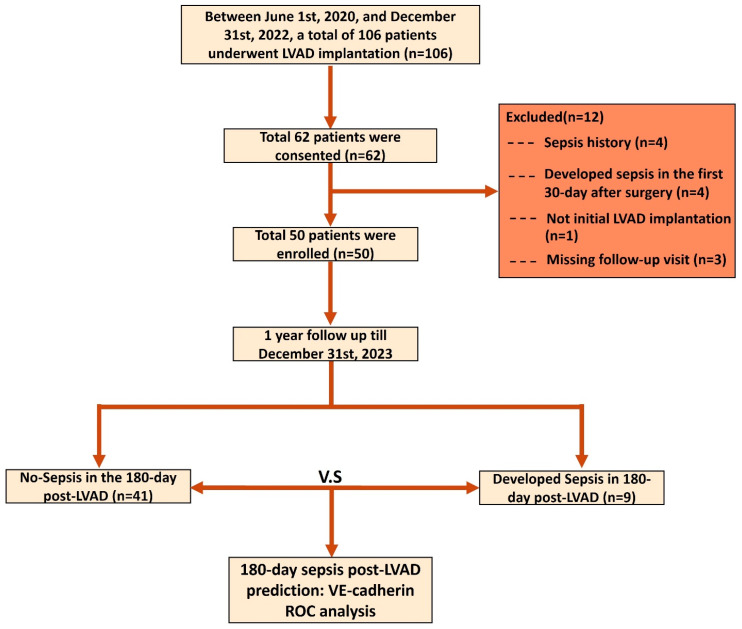 Figure 1
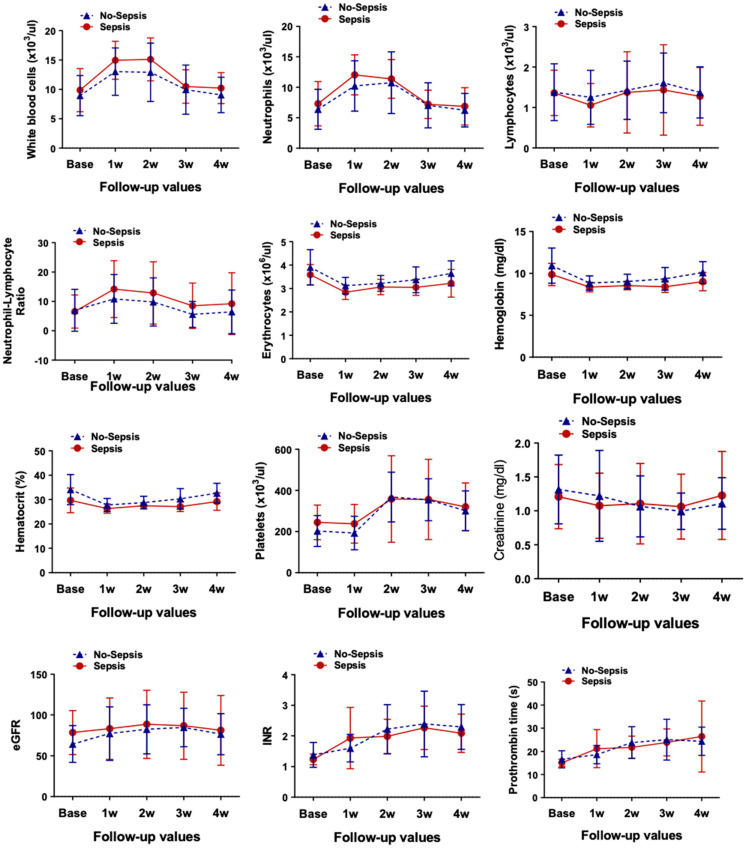 Figure 2
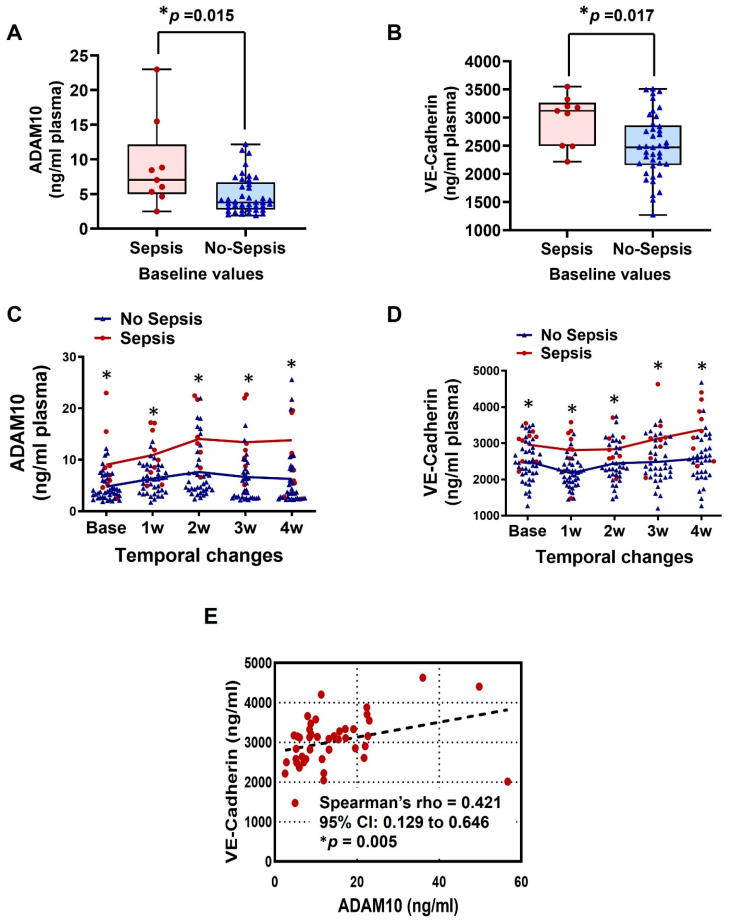 Figure 3
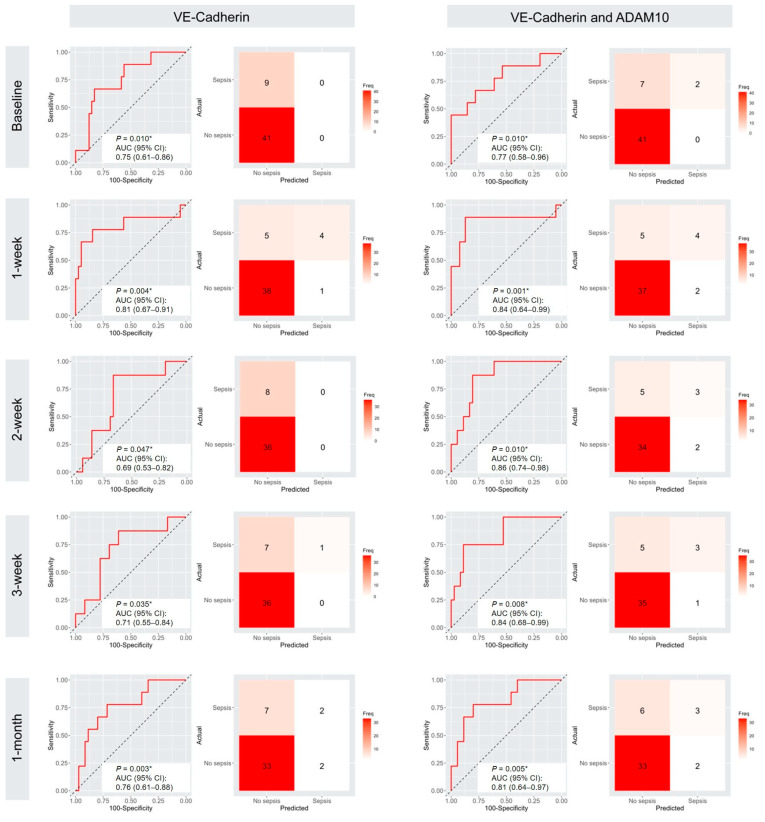 Figure 4
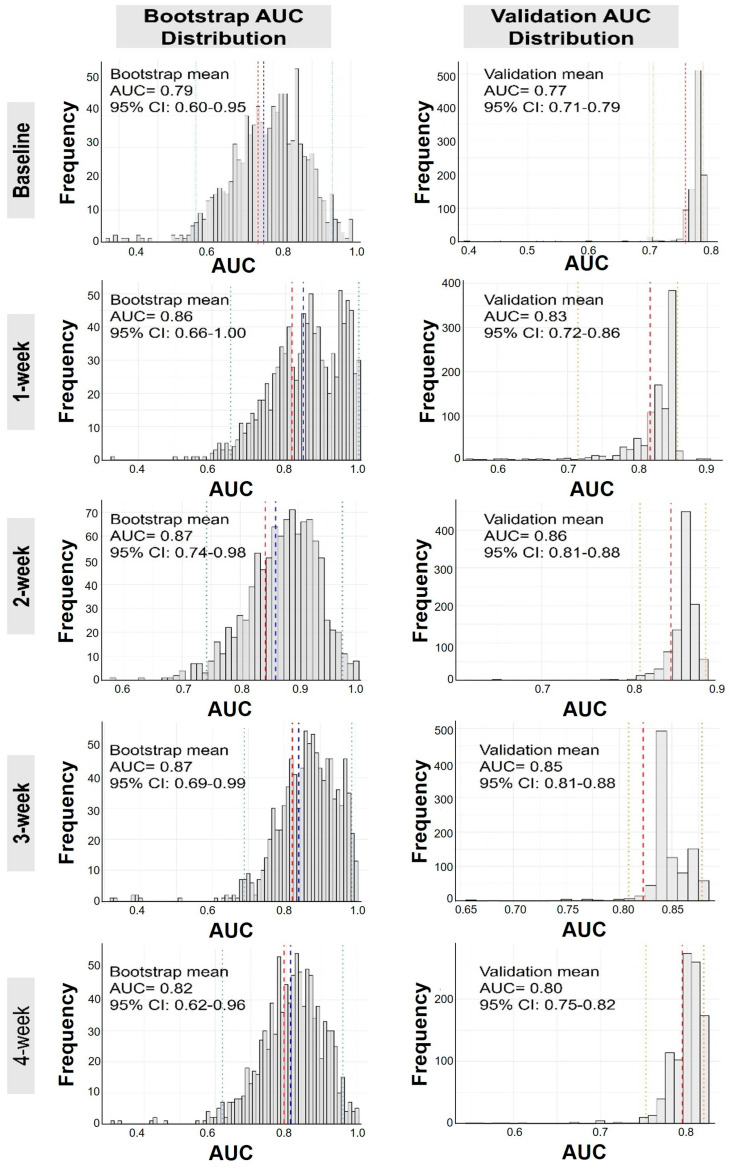 Figure 5
Peer Reviews
No public reviews on file for this paper yet. If you reviewed it on a platform where reviews are public (OpenReview, ICLR, NeurIPS, ICML), you can paste yours below so the community can read it here.
Videos
No videos yet. Explain this paper in a talk, walkthrough, or lecture? Add one.
Taxonomy
TopicsMechanical Circulatory Support Devices · Sepsis Diagnosis and Treatment · Hemoglobin structure and function