Multicellular Model Reveals the Mechanism of AEE Alleviating Vascular Endothelial Cell Injury via Anti-Inflammatory and Antioxidant Effects
Ji Feng, Qi Tao, Meng-Zhen Li, Zhi-Jie Zhang, Qin-Fang Yu, Jian-Yong Li

TL;DR
A study shows that aspirin eugenol ester (AEE) protects vascular endothelial cells by reducing inflammation and oxidative stress across multiple injury models.
Contribution
This study systematically reveals the universal protective mechanisms of AEE in various vascular endothelial injury models using a multicellular approach and metabolomics.
Findings
AEE protects vascular endothelial cells across nine injury models by reducing inflammation and oxidative stress.
Metabolomic analysis shows AEE modulates lipid and amino acid metabolism, upregulating antioxidants like EPA and GSH.
AEE downregulates harmful metabolites such as phytosphingosine and palmitic acid, which cause endothelial damage.
Abstract
Vascular endothelial injury is a key pathological characteristic of multiple diseases, such as atherosclerosis, stroke, and mastitis. Aspirin eugenol ester (AEE) has been confirmed to exert a significant protective effect on vascular endothelial injury. However, the universal action patterns and underlying mechanisms of AEE across different pathological scenarios have not been systematically elucidated. This study aimed to investigate the effect and mechanism of AEE in alleviating multiple vascular endothelial injury models. Nine vascular endothelial injury models were established by treating bovine aortic endothelial cells (BAECs), mouse aortic endothelial cells (MAECs), and human umbilical vein endothelial cells (Huvecs) with ethanol (EtOH), hydrogen peroxide (H2O2), and copper sulfate (CuSO4), respectively. The protective effects of AEE were systematically evaluated via morphological…
Genes, proteins, chemicals, diseases, species, mutations and cell lines named across the full text — each resolved to its canonical identifier and authoritative record.
Click any figure to enlarge with its caption.
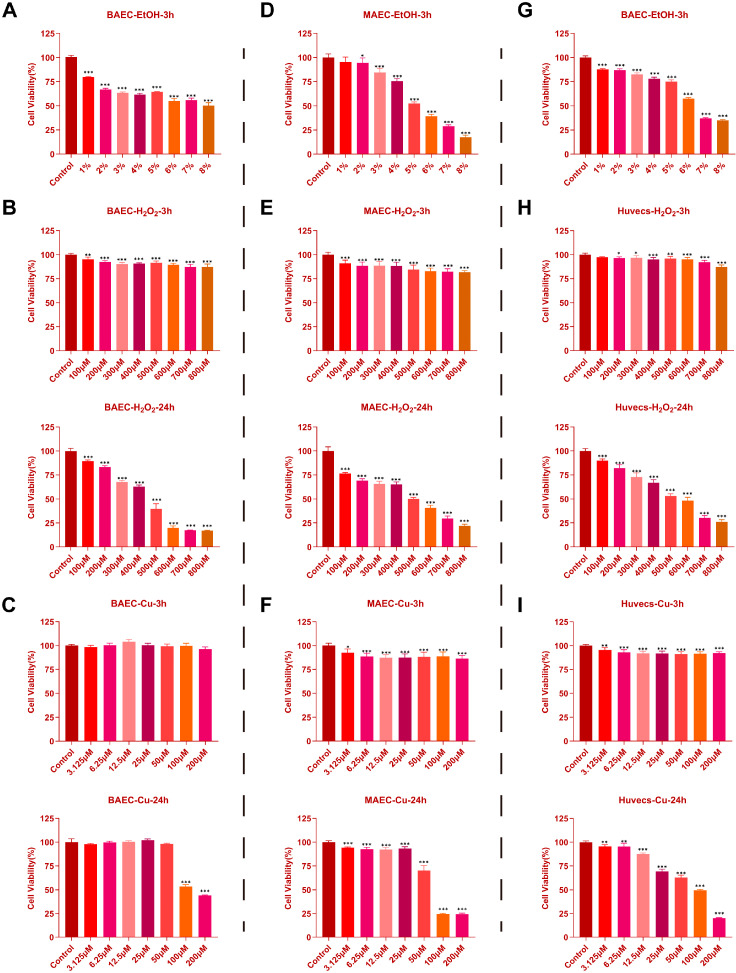 Figure 1
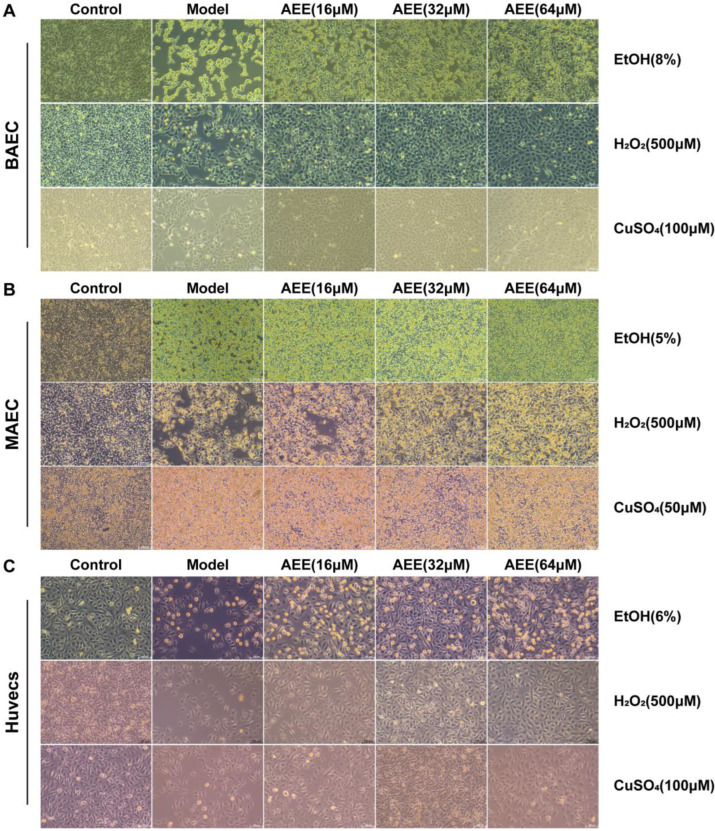 Figure 2
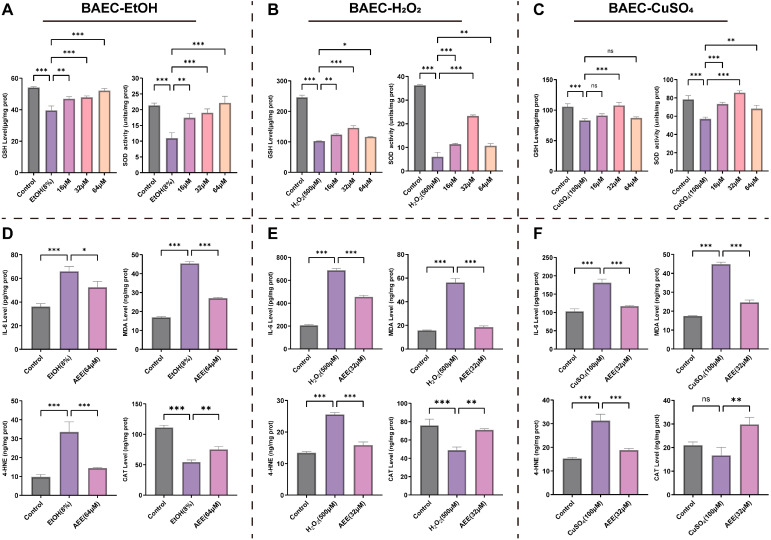 Figure 3
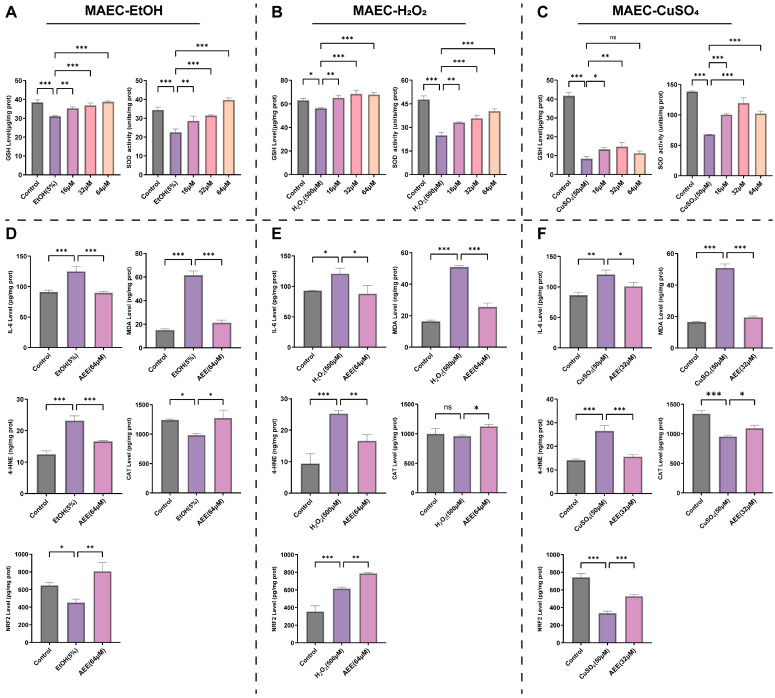 Figure 4
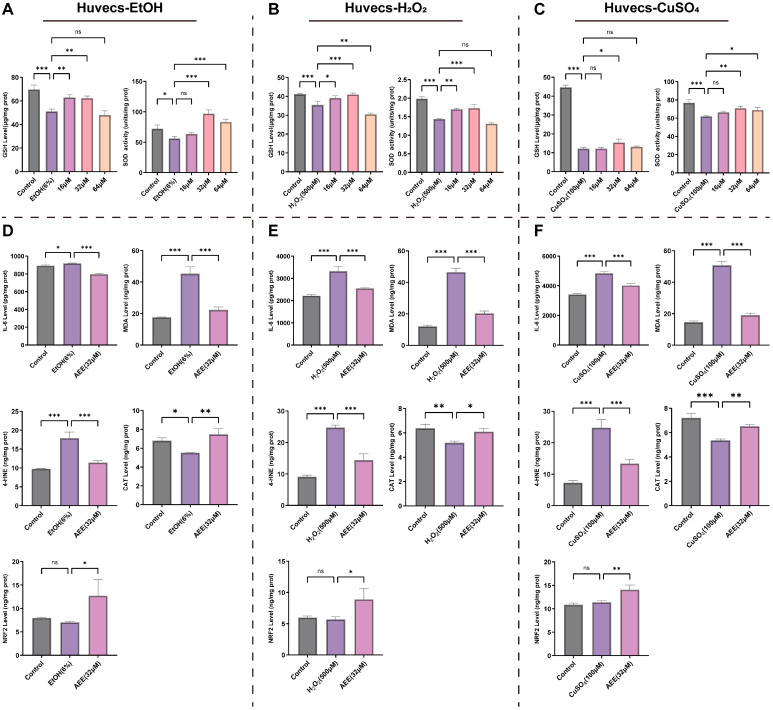 Figure 5
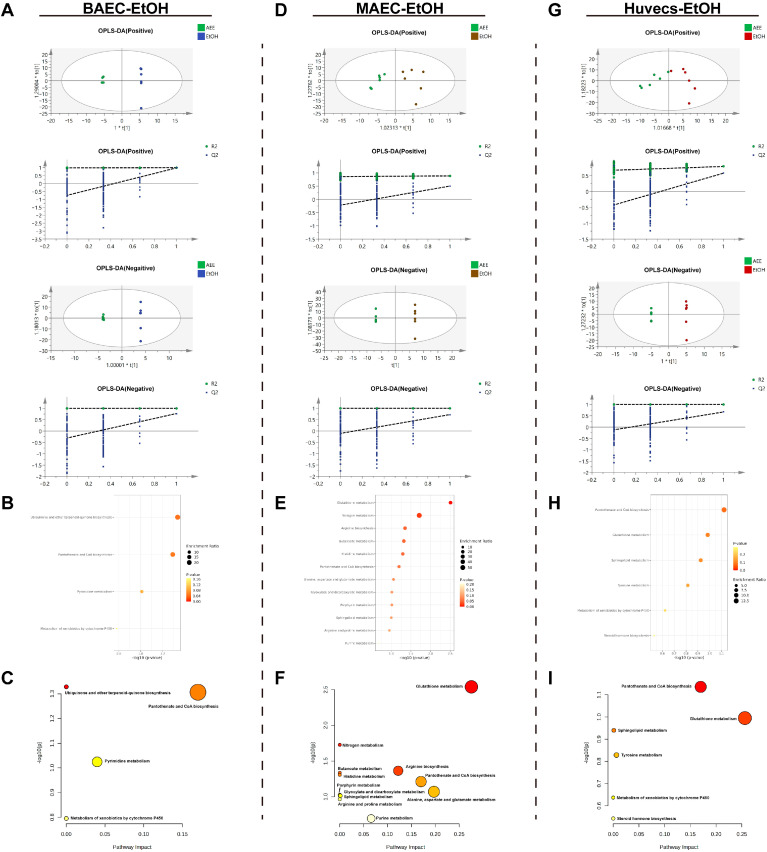 Figure 6
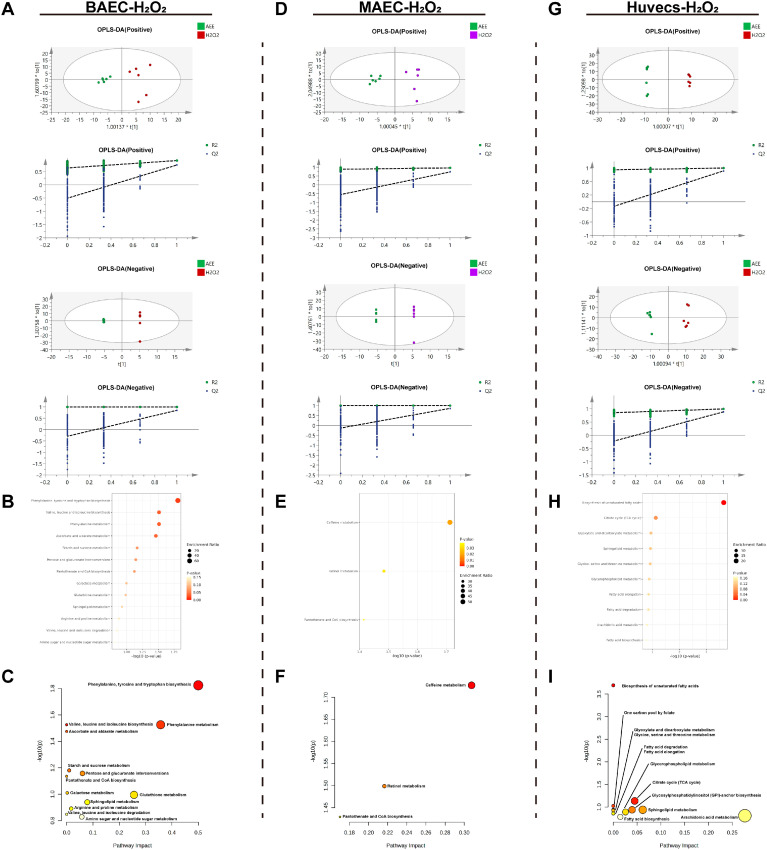 Figure 7
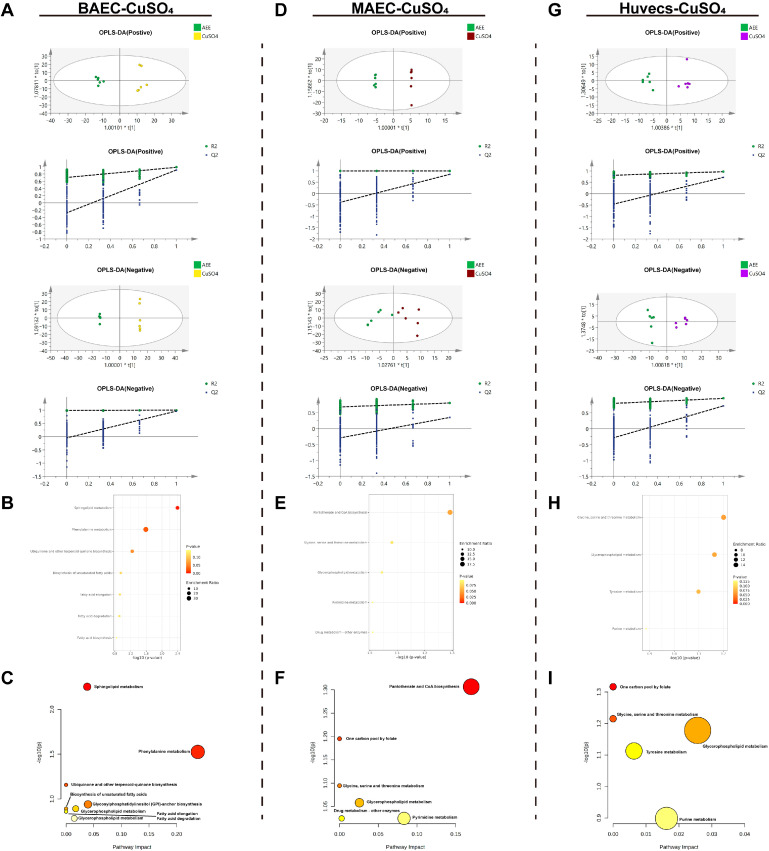 Figure 8
Peer Reviews
No public reviews on file for this paper yet. If you reviewed it on a platform where reviews are public (OpenReview, ICLR, NeurIPS, ICML), you can paste yours below so the community can read it here.
Videos
No videos yet. Explain this paper in a talk, walkthrough, or lecture? Add one.
Taxonomy
TopicsEicosanoids and Hypertension Pharmacology · Microbial metabolism and enzyme function · Fatty Acid Research and Health