Transcriptomic Profile of Directed Differentiation of iPSCs into Hepatocyte-like Cells
Irina Panchuk, Valeriia Kovalskaia, Konstantin Kochergin-Nikitsky, Valentina Yakushina, Natalia Balinova, Oxana Ryzhkova, Alexander Lavrov, Svetlana Smirnikhina

TL;DR
This study compares 2D and 3D methods for turning stem cells into liver-like cells, finding that 3D cultures better mimic liver genes but still lack full adult liver function.
Contribution
The study provides a reproducible transcriptomic benchmark for iPSC-derived hepatocyte-like cells under 2D and 3D conditions.
Findings
3D organoids showed enhanced hepatic gene expression compared to 2D cultures.
3D cultures retained fetal characteristics and had significantly reduced CYP3A4 expression.
Transcriptomic profiles were highly reproducible across multiple iPSC lines.
Abstract
The liver is the central organ in metabolism; however, modeling hepatic diseases remains limited by current experimental models. Animal models frequently fail to predict human liver physiology, while primary hepatocytes rapidly dedifferentiate in culture. We performed comprehensive transcriptomic profiling of induced pluripotent stem cells (iPSCs) differentiation into hepatocyte-like cells (HLCs) under two-dimensional (2D) and three-dimensional (3D) culture conditions. RNA sequencing analysis revealed the sequential activation of lineage-specific markers across major developmental stages: definitive endoderm (FOXA2, SOX17, CXCR4, CER1, GATA4), posterior foregut (PROX1, GATA6), and hepatoblasts (HNF4A, AFP). Comparative analysis demonstrated a markedly enhanced hepatic gene expression of 3D organoids, as demonstrated by a 33-fold increase in HNF4A expression and elevated levels of mature…
Genes, proteins, chemicals, diseases, species, mutations and cell lines named across the full text — each resolved to its canonical identifier and authoritative record.
Click any figure to enlarge with its caption.
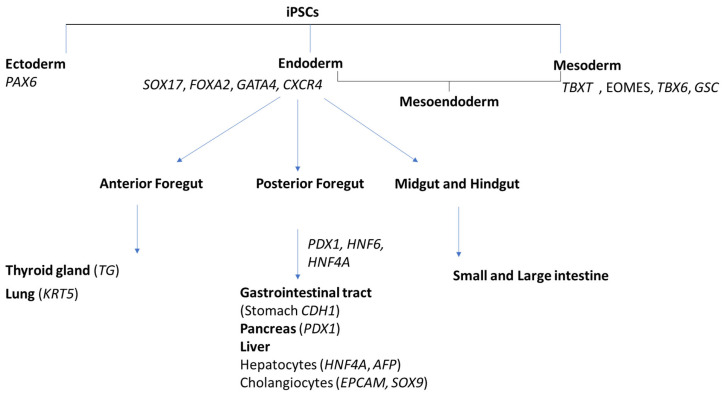 Figure 1
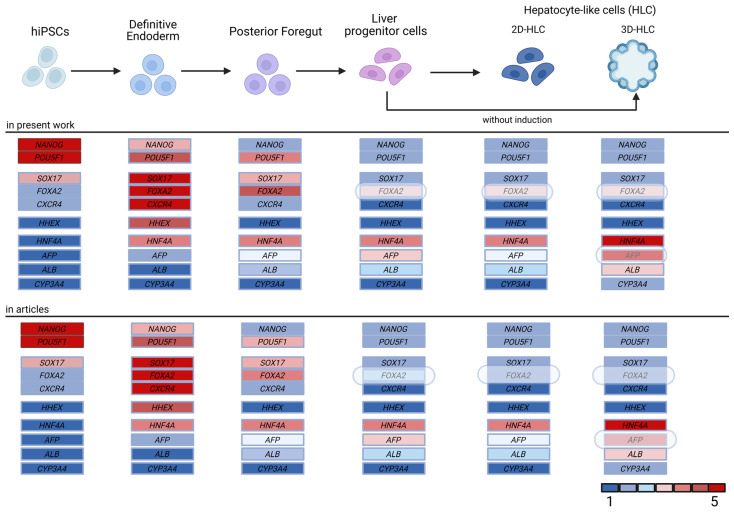 Figure 2
 Figure 3
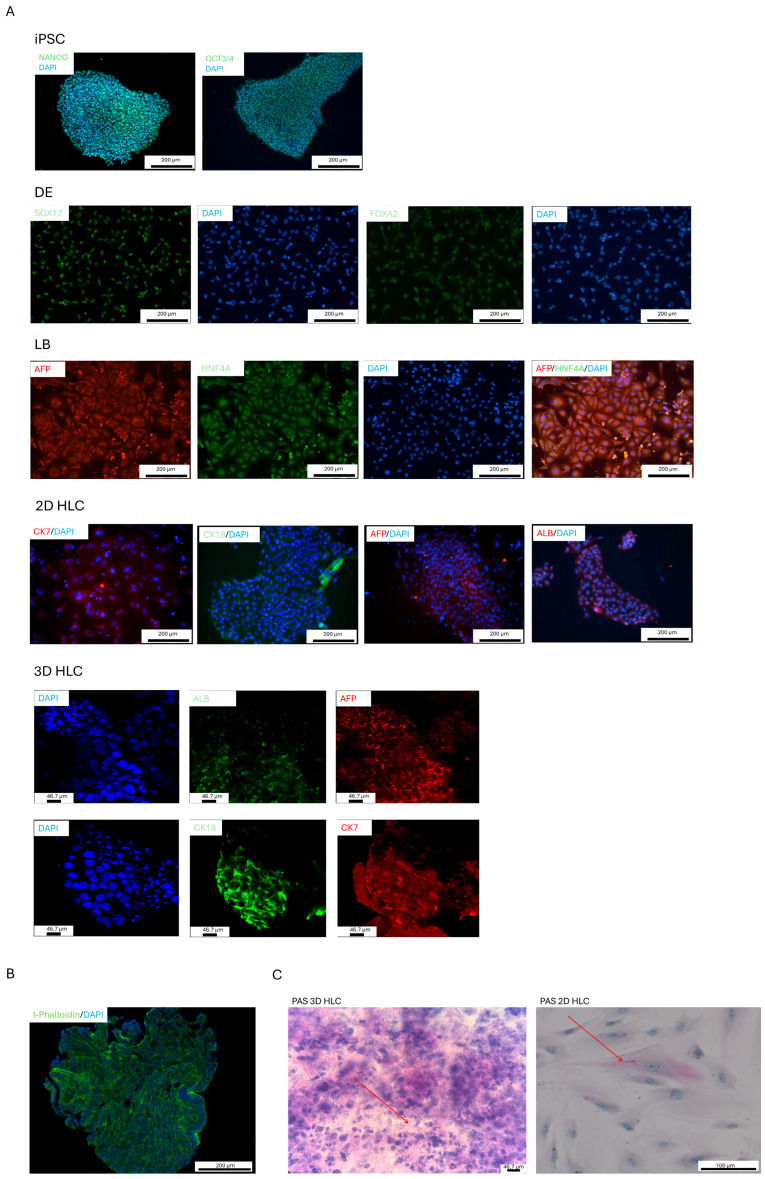 Figure 4
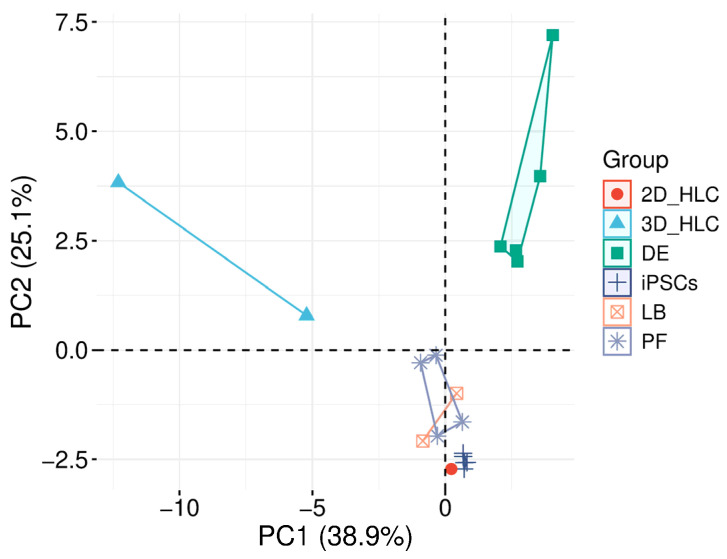 Figure 5
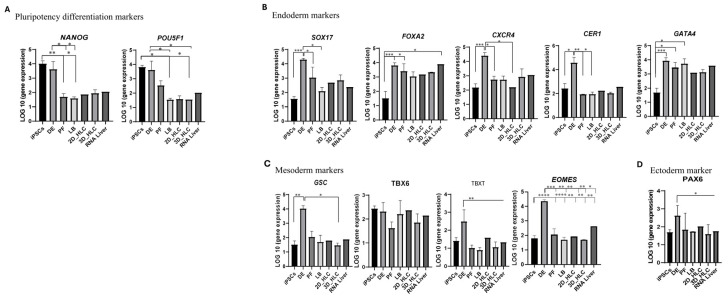 Figure 6
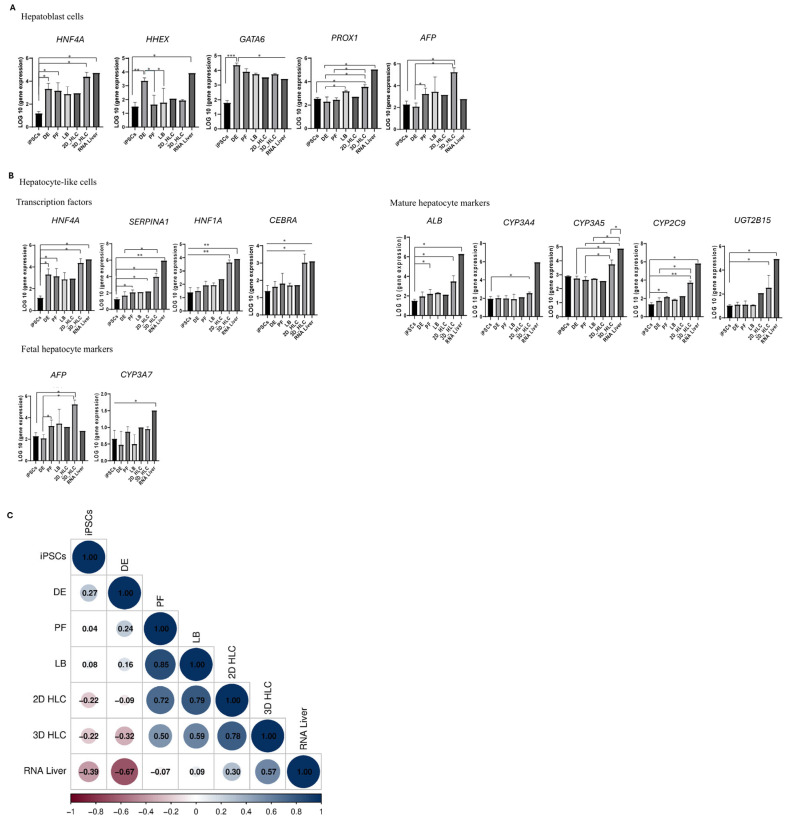 Figure 7
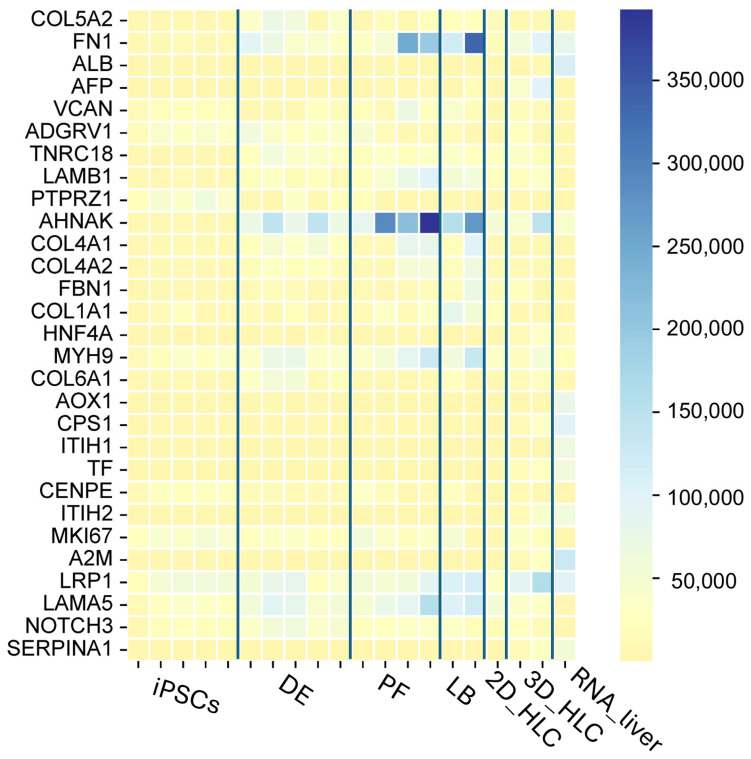 Figure 8
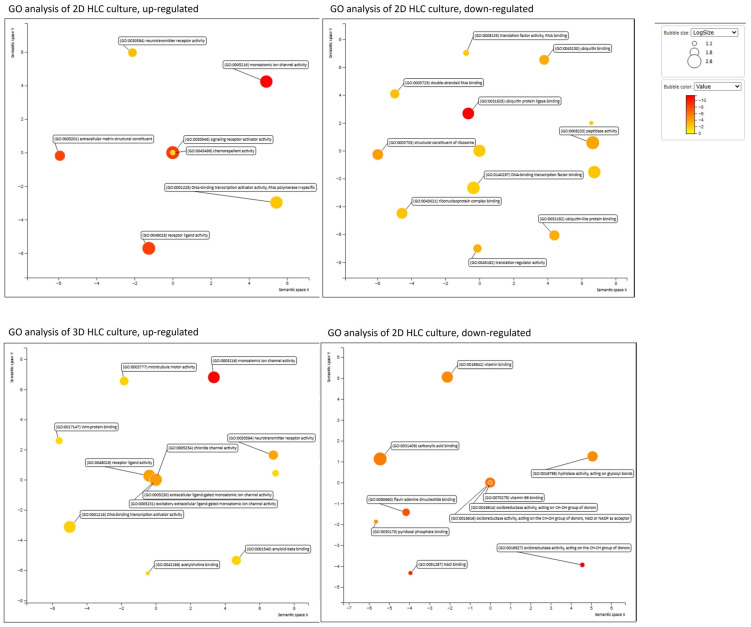 Figure 9
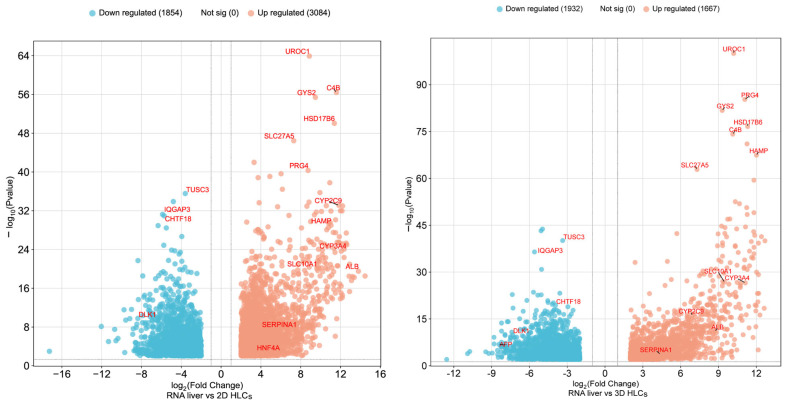 Figure 10
Peer Reviews
No public reviews on file for this paper yet. If you reviewed it on a platform where reviews are public (OpenReview, ICLR, NeurIPS, ICML), you can paste yours below so the community can read it here.
Videos
No videos yet. Explain this paper in a talk, walkthrough, or lecture? Add one.
Taxonomy
TopicsPluripotent Stem Cells Research · Liver physiology and pathology · Reproductive Biology and Fertility