Dual-Channel Extrusion-Based 3D Printing of a Gradient Hydroxyapatite Hydrogel Scaffold with Spatial Curved Architecture
Yahao Wang, Yongteng Song, Qingxi Hu, Haiguang Zhang

TL;DR
Researchers developed a 3D-printed cartilage scaffold with a graded HA composition and curved structure, mimicking natural cartilage for tissue engineering.
Contribution
A dual-channel extrusion method enables precise fabrication of curved, compositionally graded cartilage scaffolds.
Findings
The scaffold achieved a continuous HA gradient from bottom to top, mimicking native cartilage composition.
The printed scaffolds showed improved compressive performance and stable swelling and degradation behavior.
In vitro tests confirmed good cytocompatibility and biosafety for cartilage tissue engineering.
Abstract
A biomimetic cartilage scaffold featuring a continuous hydroxyapatite (HA) concentration gradient and a spatially curved architecture was developed using a dual-channel mixing extrusion-based 3D printing approach. By dynamically regulating the feeding rates of two bioinks during printing, a continuous HA gradient decreasing from the bottom to the top of the scaffold was precisely achieved, mimicking the compositional transition from the calcified to the non-calcified cartilage region in native articular cartilage. The integration of gradient material deposition with synchronized multi-axis motion enabled accurate fabrication of curved geometries with high structural fidelity. The printed scaffolds exhibited stable swelling and degradation behavior and showed improved compressive performance compared with step-gradient counterparts. Rheological analysis confirmed that the bioinks…
Genes, proteins, chemicals, diseases, species, mutations and cell lines named across the full text — each resolved to its canonical identifier and authoritative record.
Click any figure to enlarge with its caption.
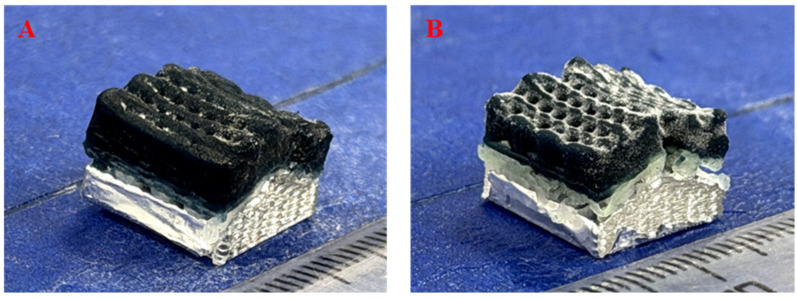 Figure 1
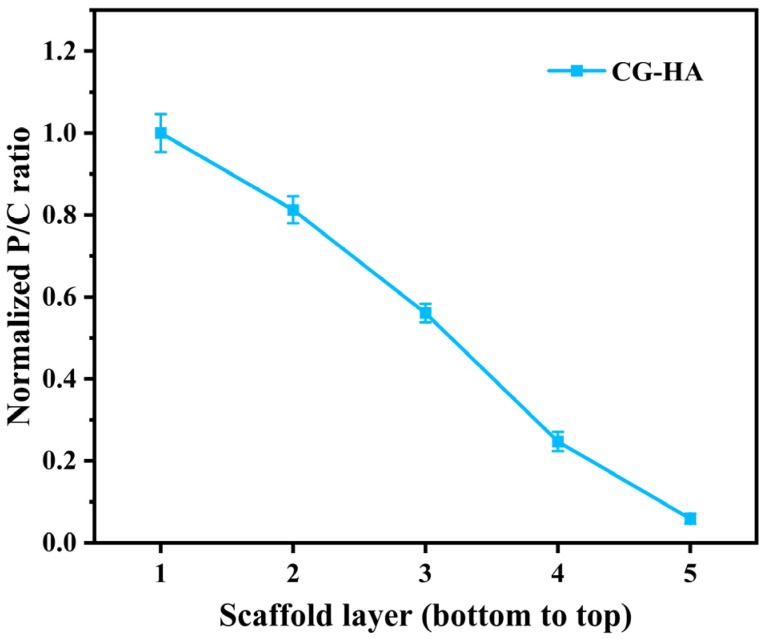 Figure 2
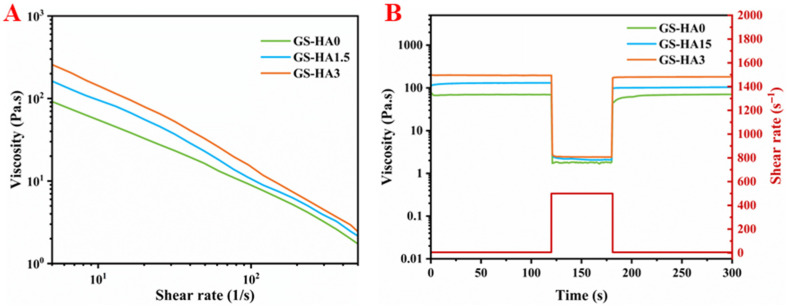 Figure 3
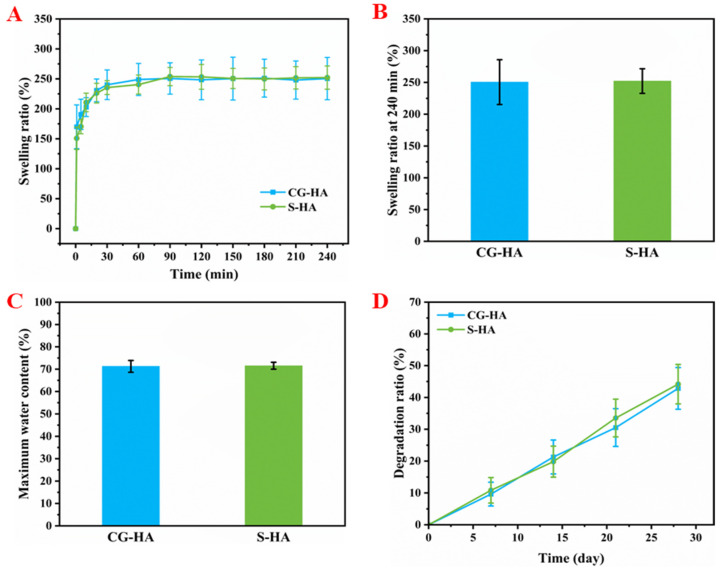 Figure 4
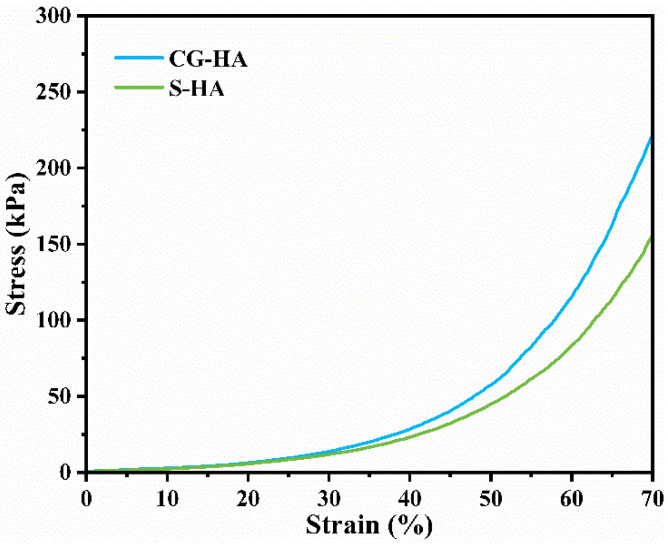 Figure 5
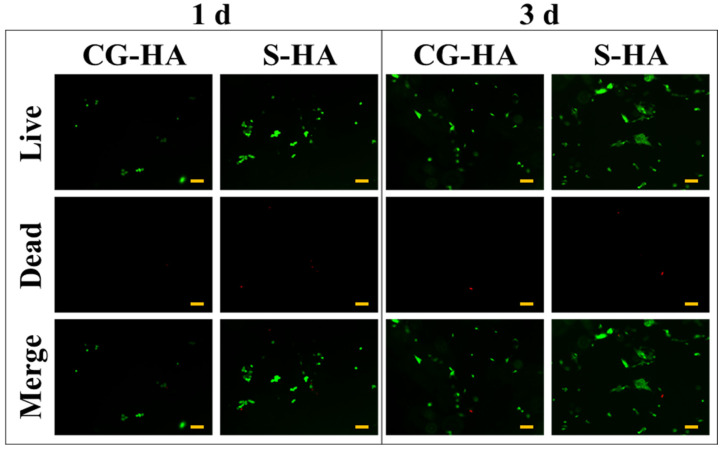 Figure 6
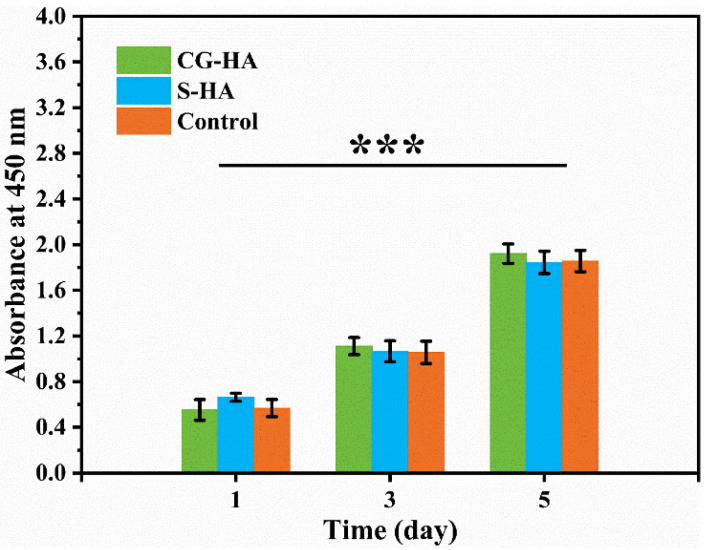 Figure 7
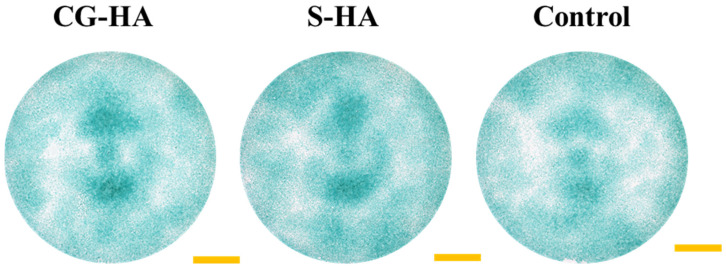 Figure 8
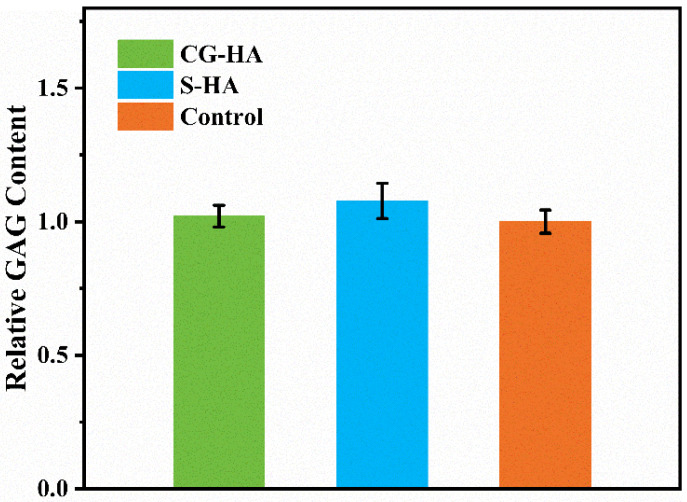 Figure 9
Peer Reviews
No public reviews on file for this paper yet. If you reviewed it on a platform where reviews are public (OpenReview, ICLR, NeurIPS, ICML), you can paste yours below so the community can read it here.
Videos
No videos yet. Explain this paper in a talk, walkthrough, or lecture? Add one.
Taxonomy
Topics3D Printing in Biomedical Research · Bone Tissue Engineering Materials · Hydrogels: synthesis, properties, applications