Reference Gene Stability in Agrostemma githago Using Quantitative Real-Time PCR
Monika Bielecka, Bartosz Pencakowski, Marta Stafiniak, Weronika Kozłowska, Michał Dziwak, Katarzyna Nowis, Łukasz Łaczmański, Adam Matkowski

TL;DR
This study identifies the most stable reference genes for qPCR in Agrostemma githago under various growth conditions and developmental stages.
Contribution
The first validated reference genes for Agrostemma githago under diverse experimental conditions are identified.
Findings
TIF5A1-2 and GAPHD showed the most stable expression in in vitro conditions.
EF1α and H3 performed best in soil-grown plant organs.
H3 and TIF5A1-2 are the most universally stable reference genes across all tested conditions.
Abstract
Quantitative real-time PCR (qPCR) remains a cornerstone method for analyzing gene expression due to its high sensitivity, specificity, and reproducibility. However, for reliable results in relative quantification studies, the choice of an appropriate reference gene is critical to ensure accurate normalization. The expression of commonly used reference genes can vary depending on developmental stage and experimental conditions, making their validation essential. To date, no validated reference genes have been reported for Agrostemma githago L. (corn cockle, Caryophyllaceae). To facilitate research on genes involved in natural product biosynthesis and specialized metabolism regulation, we aimed to identify the most stable reference genes across various plant organs and cultivation conditions of this species. Drawing on previous literature, we have selected seven housekeeping genes widely…
Genes, proteins, chemicals, diseases, species, mutations and cell lines named across the full text — each resolved to its canonical identifier and authoritative record.
Click any figure to enlarge with its caption.
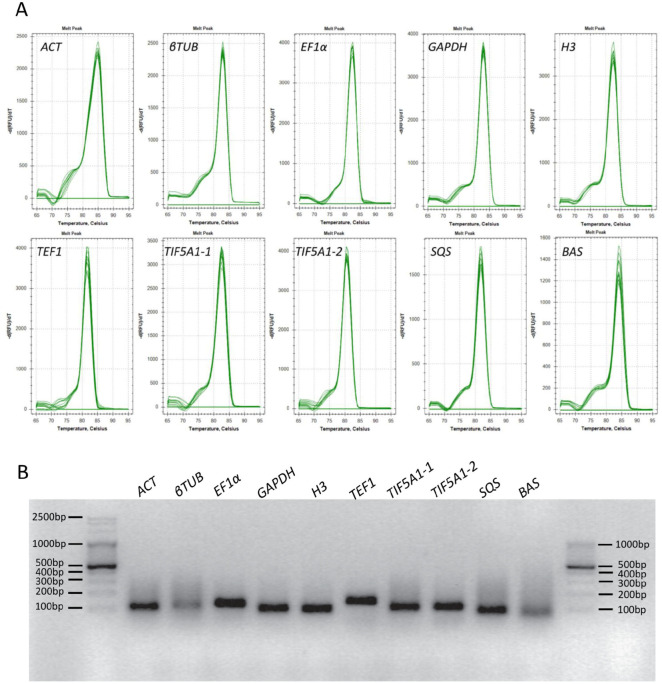 Figure 1
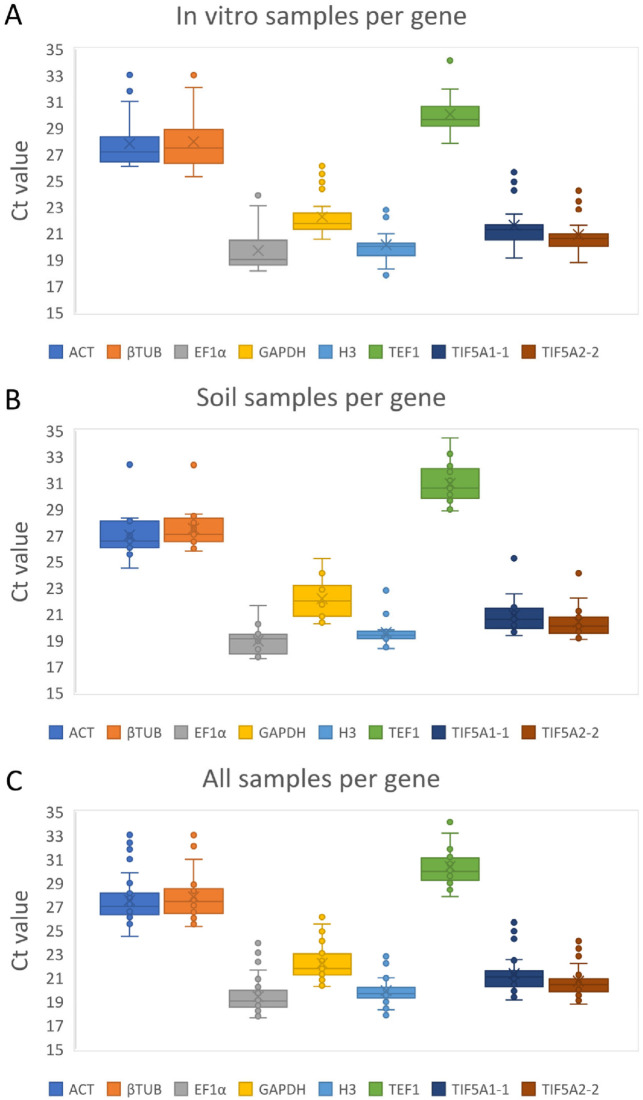 Figure 2
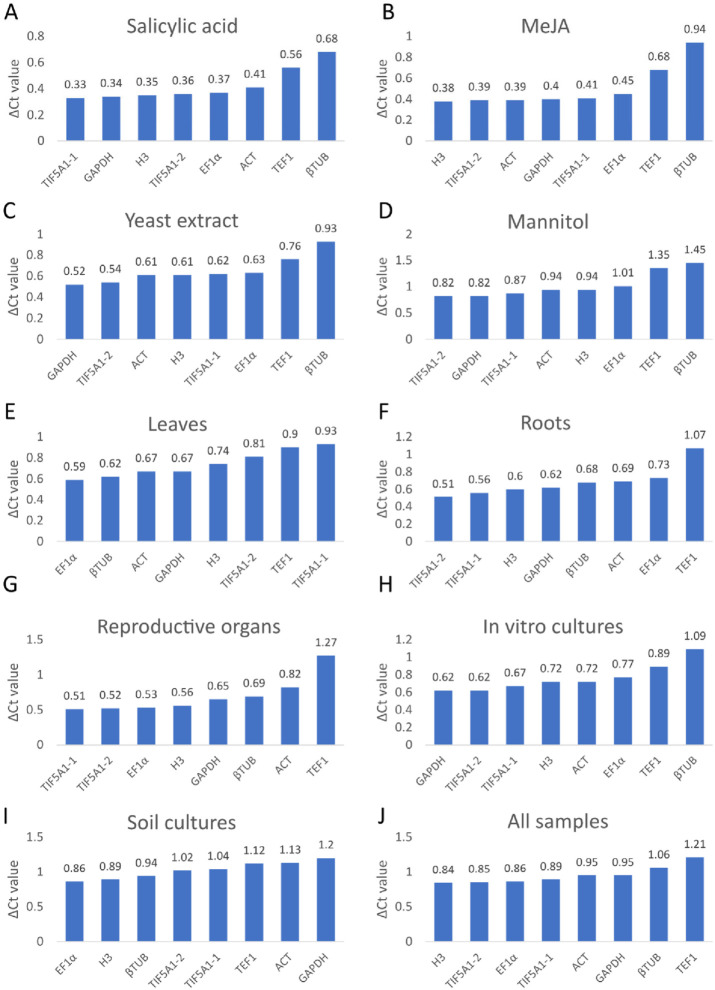 Figure 3
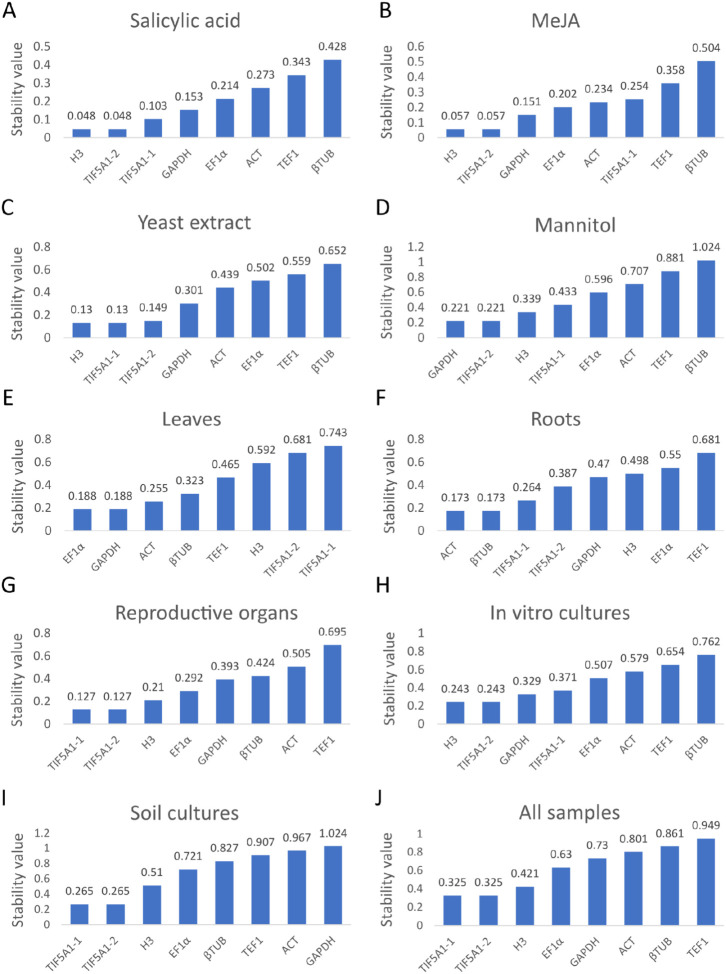 Figure 4
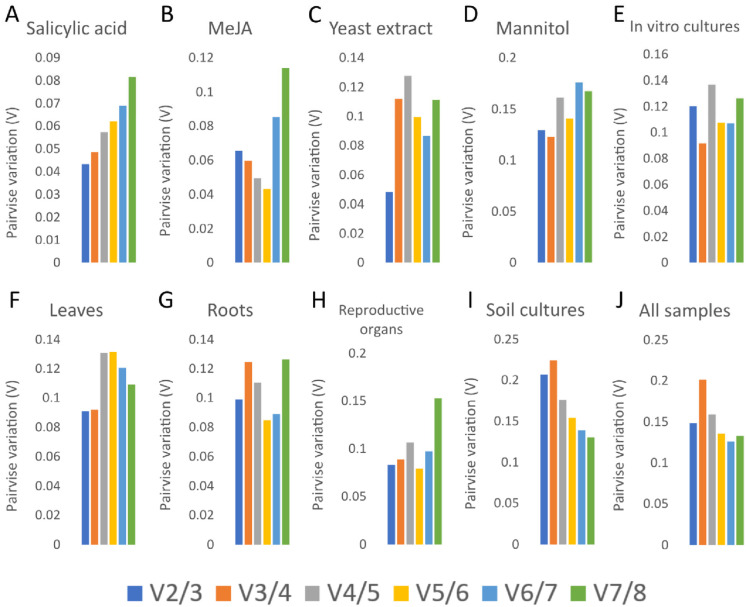 Figure 5
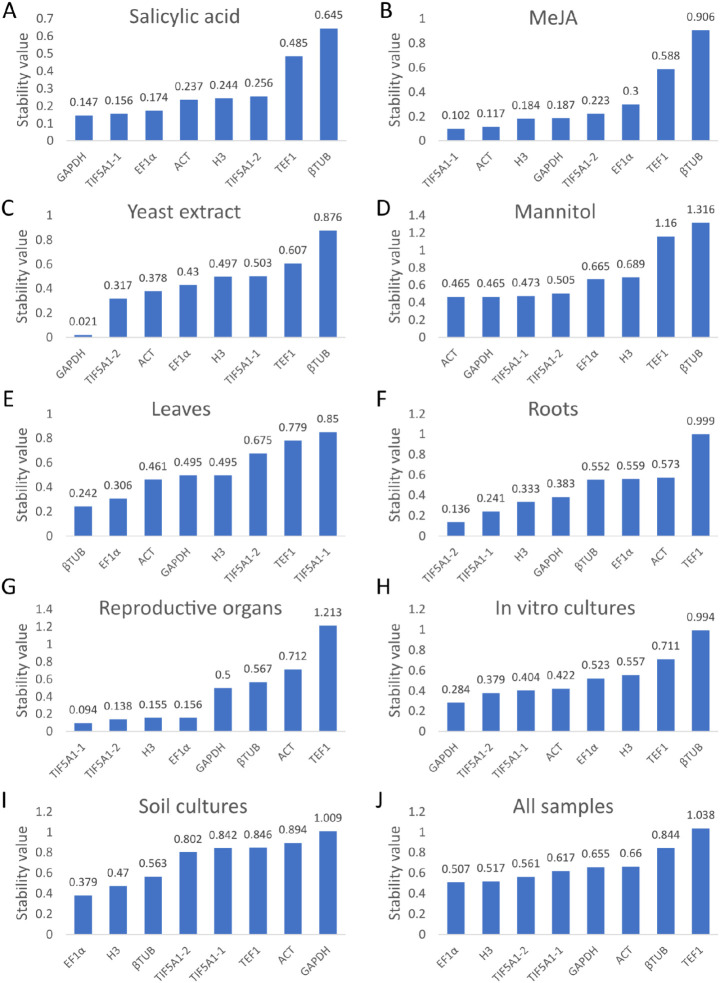 Figure 6
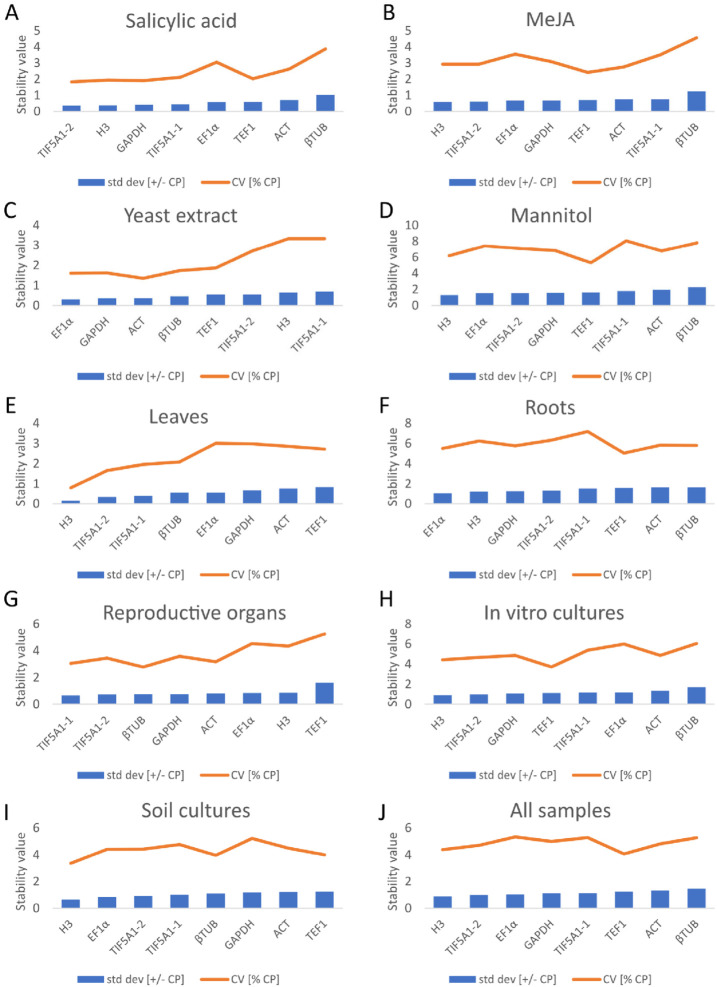 Figure 7
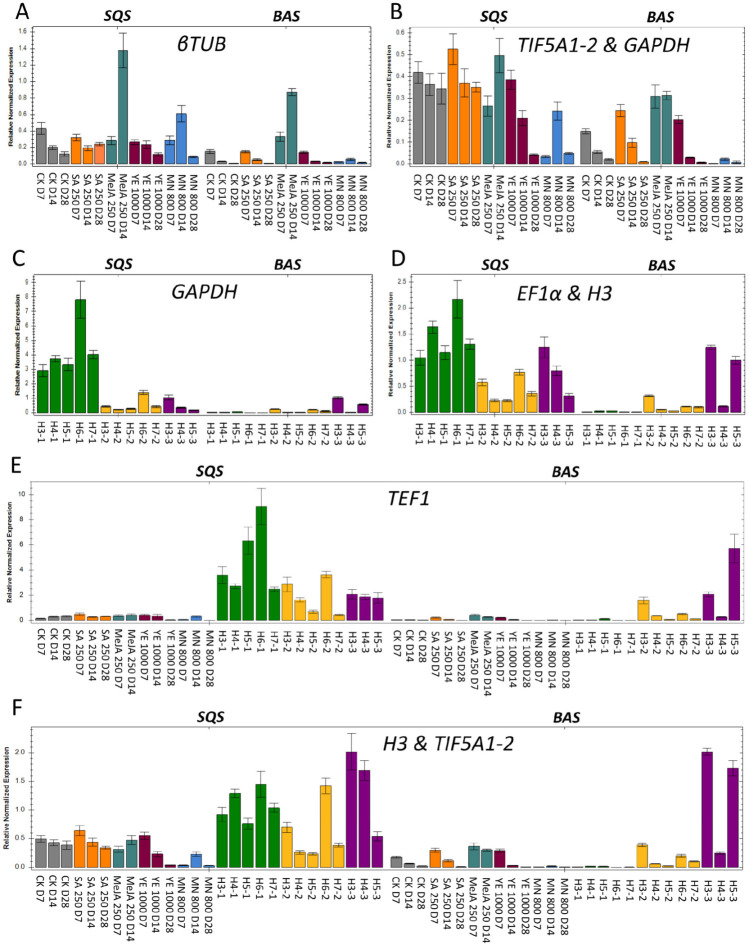 Figure 8
Peer Reviews
No public reviews on file for this paper yet. If you reviewed it on a platform where reviews are public (OpenReview, ICLR, NeurIPS, ICML), you can paste yours below so the community can read it here.
Videos
No videos yet. Explain this paper in a talk, walkthrough, or lecture? Add one.
Taxonomy
TopicsMolecular Biology Techniques and Applications · Gene expression and cancer classification · Animal Genetics and Reproduction