Hypobaric Hypoxia Ameliorates Impaired Regeneration After Diabetic Skeletal Muscle Injury by Promoting HIF-1α Signaling
Jinrun Lin, Minghao Geng, Li Zhou, Danni Qu, Hao Lin, Jihao Xing, Ryosuke Nakanishi, Hiroyo Kondo, Noriaki Maeshige, Hidemi Fujino

TL;DR
Hypobaric hypoxia improves muscle regeneration in diabetic mice by boosting HIF-1α signaling, which helps blood vessel growth and muscle repair.
Contribution
This study reveals that hypobaric hypoxia enhances diabetic muscle regeneration through HIF-1α signaling and coordinated vascular-myogenic pathways.
Findings
Hypobaric hypoxia increases HIF-1α, VEGF, and eNOS expression, promoting early myogenic and angiogenic responses.
Hypobaric hypoxia reduces fibrosis and increases myofiber cross-sectional area in diabetic muscle.
Angpt1/Angpt2 ratio and CD31 density improve, indicating better vascular stability and muscle recovery.
Abstract
Diabetes mellitus severely impairs skeletal muscle regeneration after injury, limiting satellite cell activation and angiogenesis and disrupting barrier integrity while increasing fibrosis. Hypobaric hypoxia has been proposed to improve the regenerative microenvironment through hypoxia-responsive signaling, but its temporal effects and the coordination between vascular and myogenic programs in diabetic muscle remain unclear. To clarify these processes, adult male mice were divided into five groups: diabetes mellitus control (DM), cardiotoxin-injured (CTX) diabetes assessed on days 7 and 14 (CTX7, CTX14), and hypobaric-hypoxia-treated diabetic injury assessed on days 7 and 14 (H+CTX7, H+CTX14). Animals in the hypoxia groups were exposed to a hypobaric hypoxia chamber for 8 h per day for 14 days. Fibrosis, angiogenic and myogenic markers, and endothelial junctional genes were examined…
Genes, proteins, chemicals, diseases, species, mutations and cell lines named across the full text — each resolved to its canonical identifier and authoritative record.
Click any figure to enlarge with its caption.
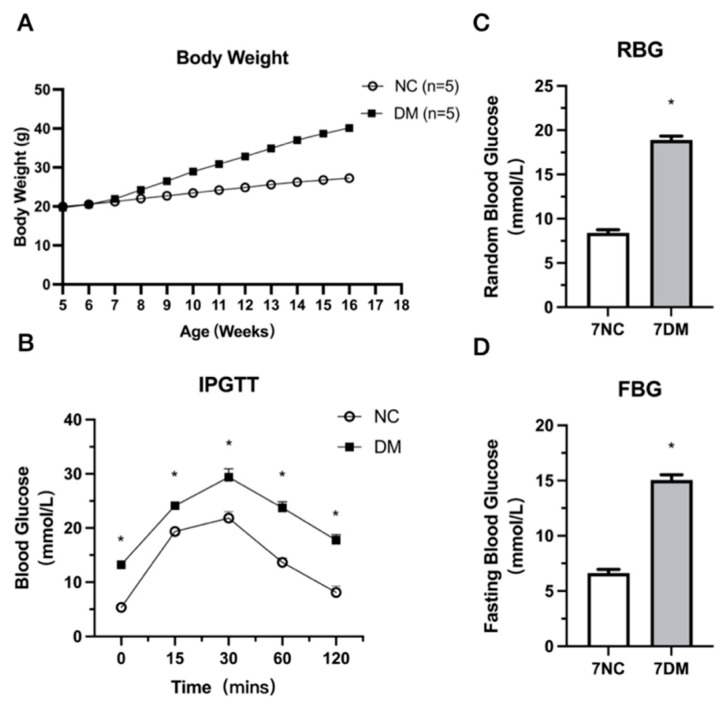 Figure 1
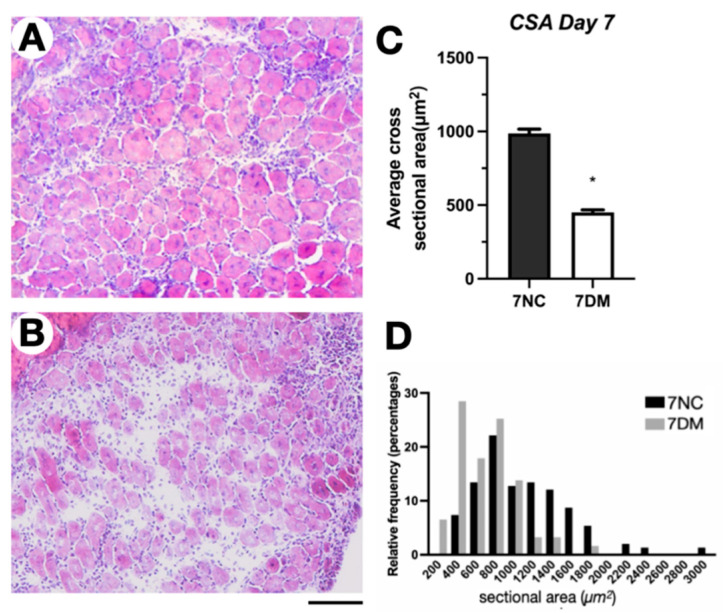 Figure 2
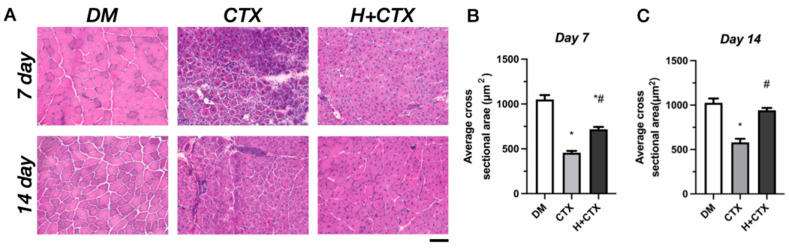 Figure 3
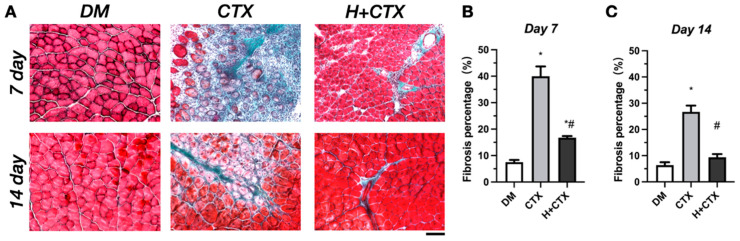 Figure 4
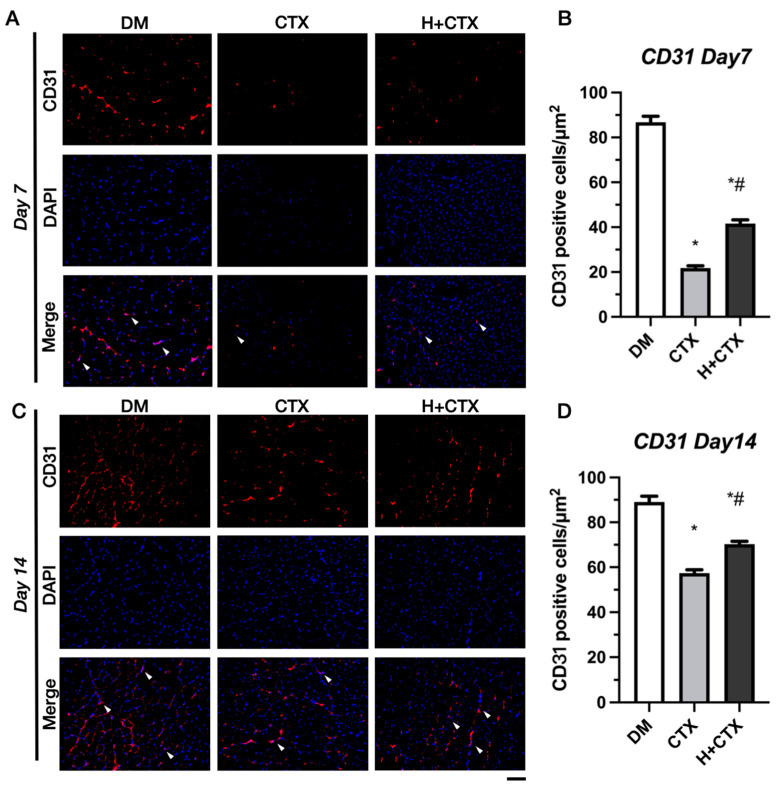 Figure 5
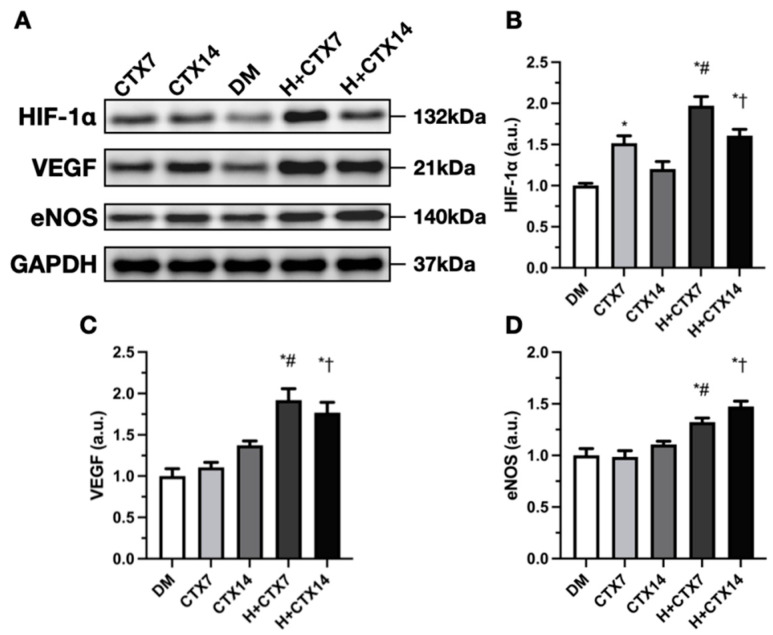 Figure 6
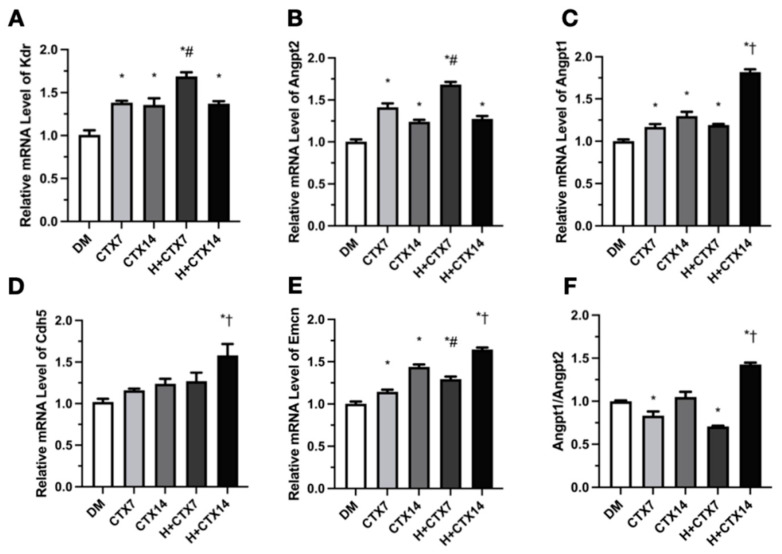 Figure 7
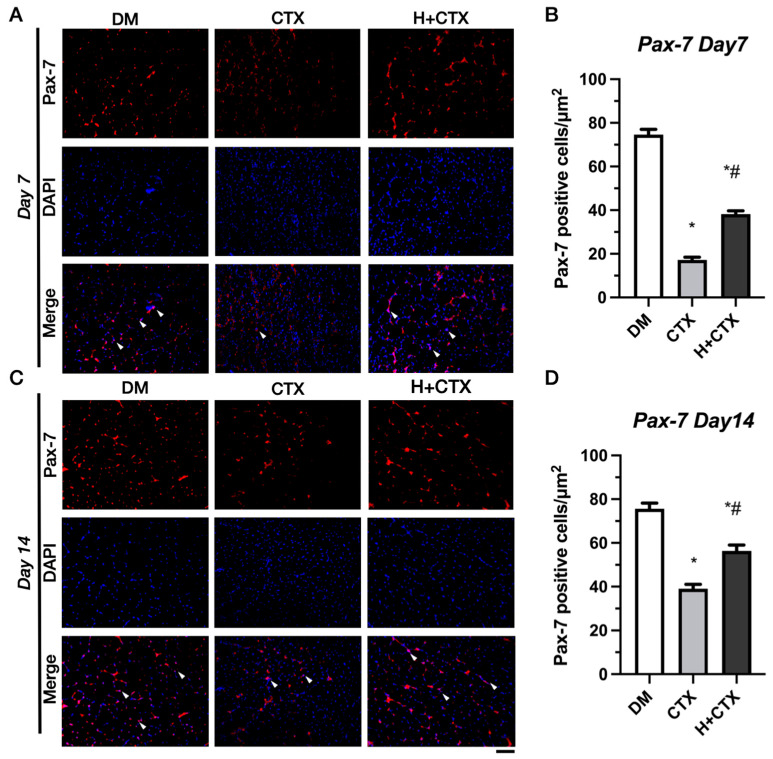 Figure 8
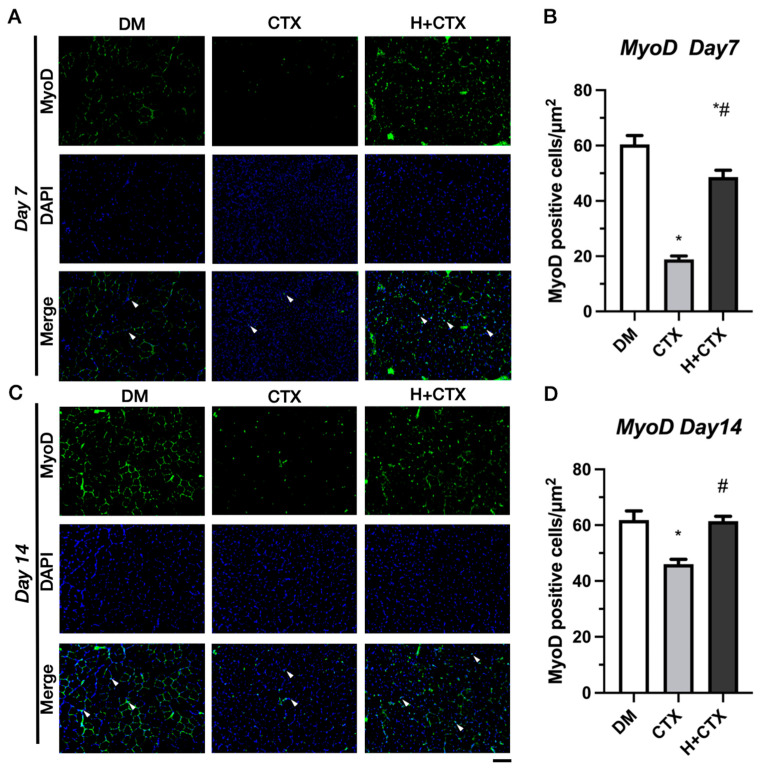 Figure 9
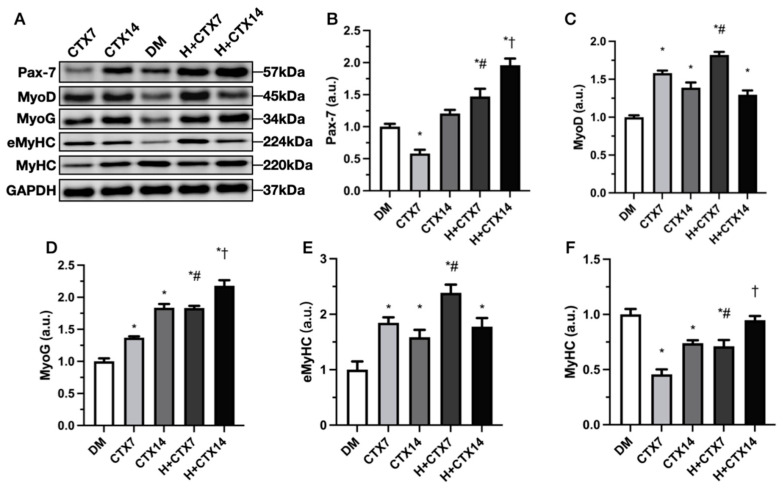 Figure 10
Peer Reviews
No public reviews on file for this paper yet. If you reviewed it on a platform where reviews are public (OpenReview, ICLR, NeurIPS, ICML), you can paste yours below so the community can read it here.
Videos
No videos yet. Explain this paper in a talk, walkthrough, or lecture? Add one.
Taxonomy
TopicsHigh Altitude and Hypoxia · Angiogenesis and VEGF in Cancer · Cancer, Hypoxia, and Metabolism