Stage-Specific Proteomic Adaptations to Heme-Induced Oxidative Stress in Aedes aegypti: Differential Mechanisms in Larvae and Adults
Karla Barreto da Silva Orozimbo, Maria Aparecida Aride Bertonceli, Raquel de Souza Braga Silva, Rívea Cristina Custódio Rodrigues, Jucélia da Silva Araújo, Olga Lima Tavares Machado, Felipe Astolpho Almeida, Francisco José Alves Lemos

TL;DR
This study reveals how Aedes aegypti mosquitoes use different proteomic strategies in larvae and adults to handle heme-induced oxidative stress during blood digestion.
Contribution
The paper identifies stage-specific proteomic adaptations to heme toxicity in Aedes aegypti larvae and adults.
Findings
Larvae downregulate metabolic and antioxidant proteins but upregulate mitochondrial MnSOD and cytoskeletal proteins.
Adults show a coordinated bioenergetic response with enriched mitochondrial and redox pathways.
Both stages exhibit heme-induced structural remodeling via cuticle-associated proteins.
Abstract
Heme released during blood digestion represents a major oxidative challenge for hematophagous insects, promoting the generation of reactive oxygen species (ROS) and redox imbalance. Although Aedes aegypti has evolved specialized mechanisms to mitigate heme toxicity, how these responses vary across developmental stages remains poorly understood. Here, we applied quantitative proteomics to compare the effects of heme exposure in larvae and adult females. In larvae, heme treatment predominantly led to downregulation of metabolic and antioxidant proteins, consistent with a shift toward energy conservation and growth regulation. Nonetheless, selective upregulation of proteins associated with mitochondrial MnSOD activity, lipid remodeling, and cytoskeletal organization indicates the engagement of complementary protective mechanisms. In contrast, adults exhibited a coordinated bioenergetic…
Genes, proteins, chemicals, diseases, species, mutations and cell lines named across the full text — each resolved to its canonical identifier and authoritative record.
Click any figure to enlarge with its caption.
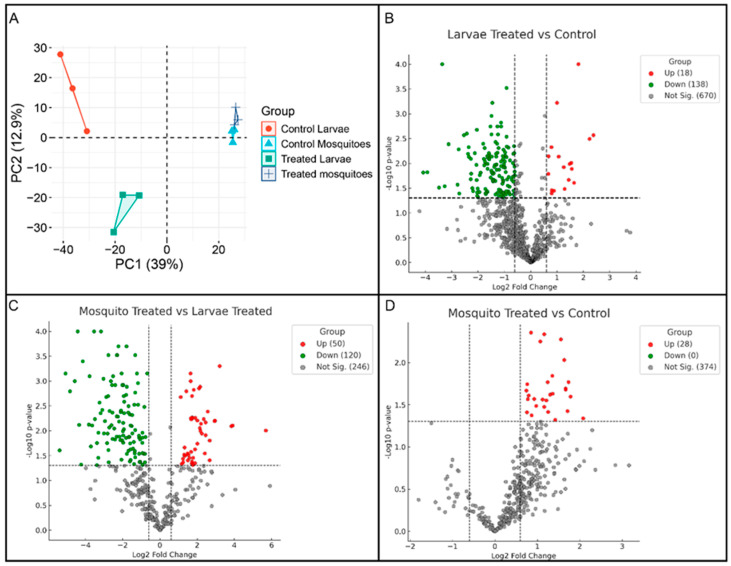 Figure 1
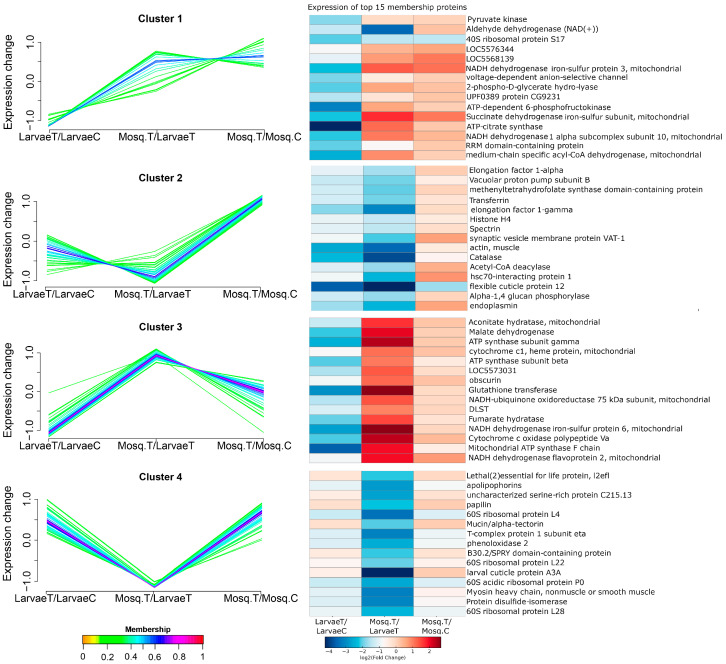 Figure 2
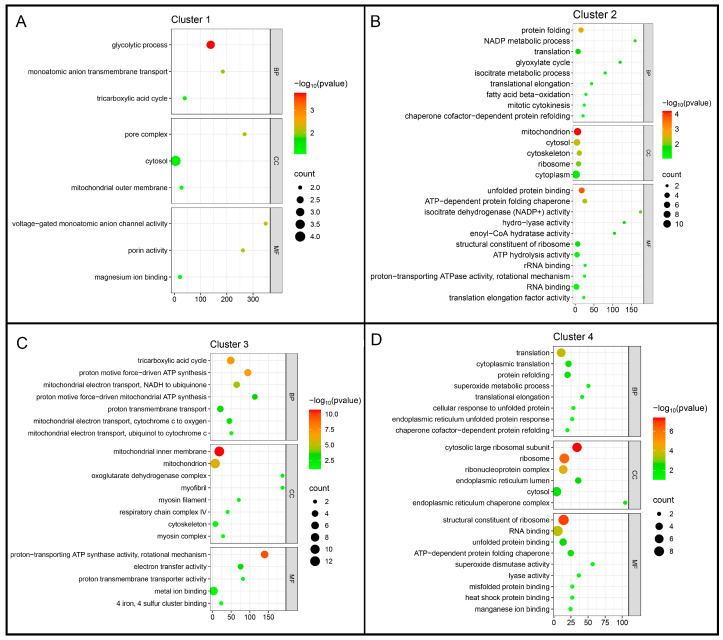 Figure 3
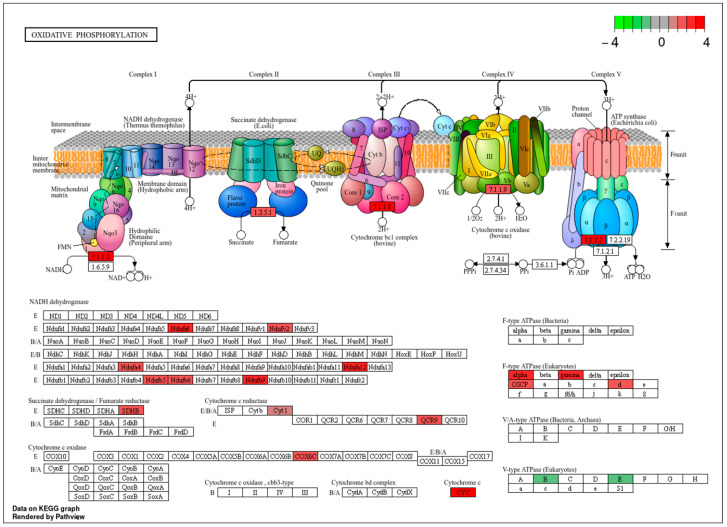 Figure 4
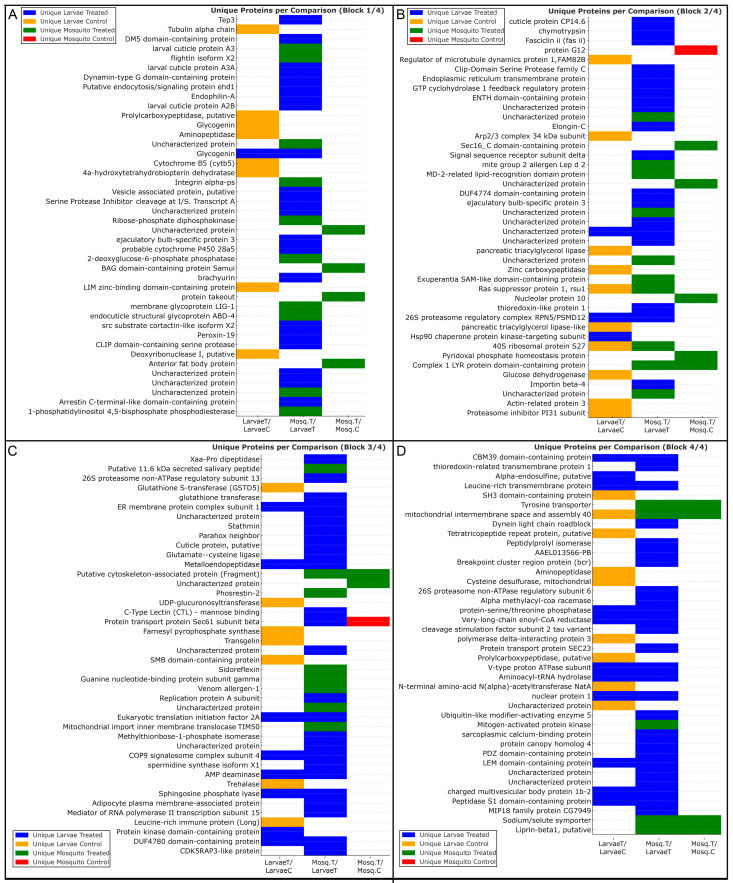 Figure 5
Peer Reviews
No public reviews on file for this paper yet. If you reviewed it on a platform where reviews are public (OpenReview, ICLR, NeurIPS, ICML), you can paste yours below so the community can read it here.
Videos
No videos yet. Explain this paper in a talk, walkthrough, or lecture? Add one.
Taxonomy
TopicsInvertebrate Immune Response Mechanisms · Mosquito-borne diseases and control · Insect symbiosis and bacterial influences