Puerarin-Loaded Proniosomal Gel: Formulation, Characterization, In Vitro Antimelanoma Cytotoxic Potential, and In Ovo Irritation Assessment
Sergio Liga, Andra Tămaș, Raluca Vodă, Gerlinde Rusu, Ioan Bîtcan, Vlad Socoliuc, Raluca Pop, Diana Haj Ali, Iasmina-Alexandra Predescu, Cristina Adriana Dehelean, Francisc Péter

TL;DR
A new gel formulation containing Puerarin was developed to improve its topical delivery and test its potential against melanoma.
Contribution
The study introduces a proniosomal gel formulation of Puerarin for enhanced topical delivery and evaluates its antimelanoma potential and safety.
Findings
The Puerarin-loaded gel showed a 62% entrapment efficiency and favorable physicochemical properties for topical use.
In vitro tests showed the gel reduced melanoma cell viability and disrupted mitochondrial networks.
The formulation was classified as non-irritant in an in ovo irritation assessment.
Abstract
Puerarin is a naturally occurring isoflavone with reported anticancer activity, yet its topical translation is constrained by limited stability and suboptimal dermal delivery. A Puerarin-loaded proniosomal gel was developed as a potential dermal delivery platform, and we performed an initial assessment of its antimelanoma activity and safety. The gel was produced by coacervation–phase separation using Span 60, Tween 80, phosphatidylcholine, and cholesterol. Physicochemical characterization included pH, entrapment efficiency, rheology, FTIR, DSC, and vesicle properties (DLS, PDI, ζ-potential). In silico geometry optimization and docking were carried out for melanoma-associated targets (MITF and DNMT3B). Biological effects were investigated in vitro on A375 melanoma cells using MTT, morphological analysis, and nuclear/mitochondrial staining, while irritation potential was evaluated in ovo…
Genes, proteins, chemicals, diseases, species, mutations and cell lines named across the full text — each resolved to its canonical identifier and authoritative record.
Click any figure to enlarge with its caption.
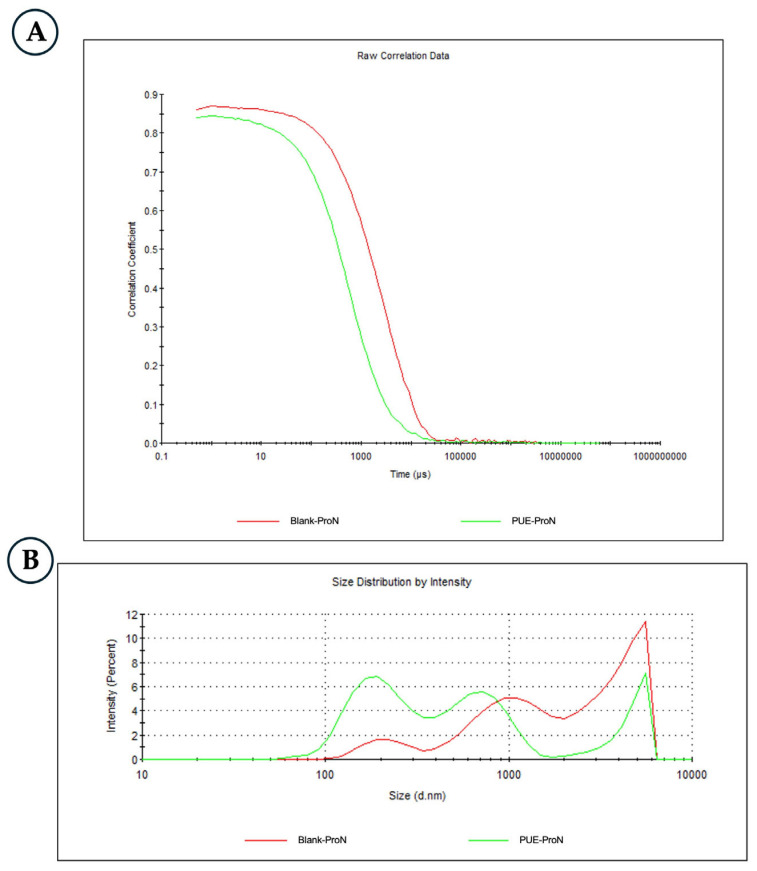 Figure 1
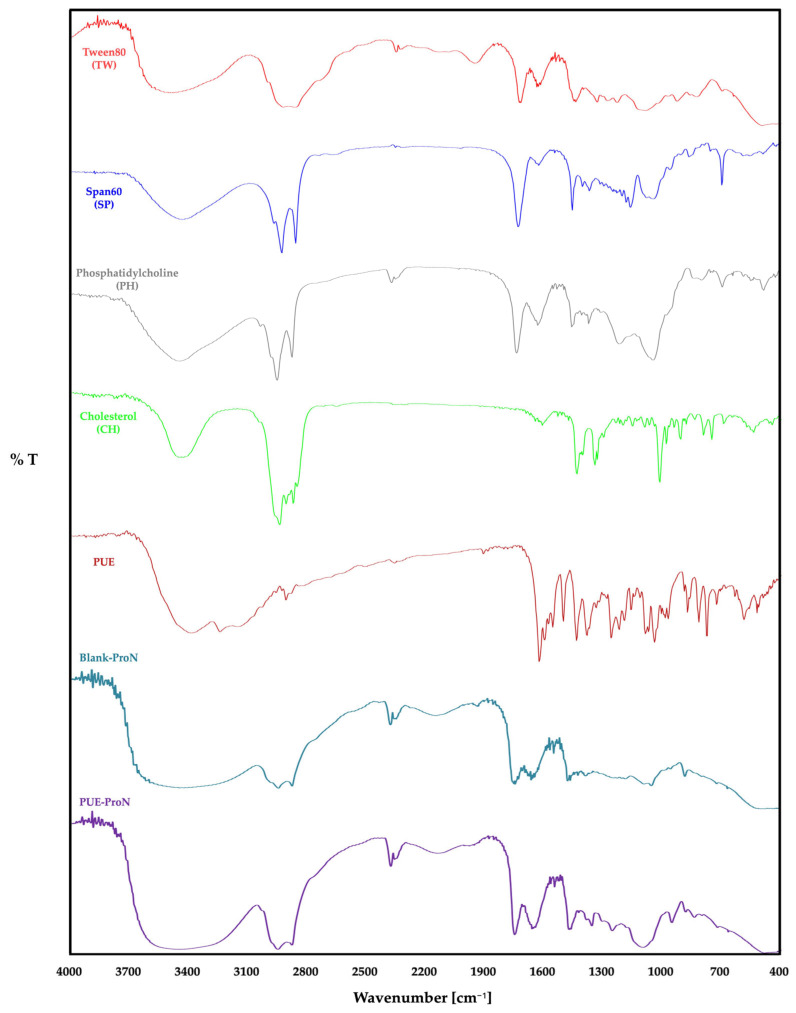 Figure 2
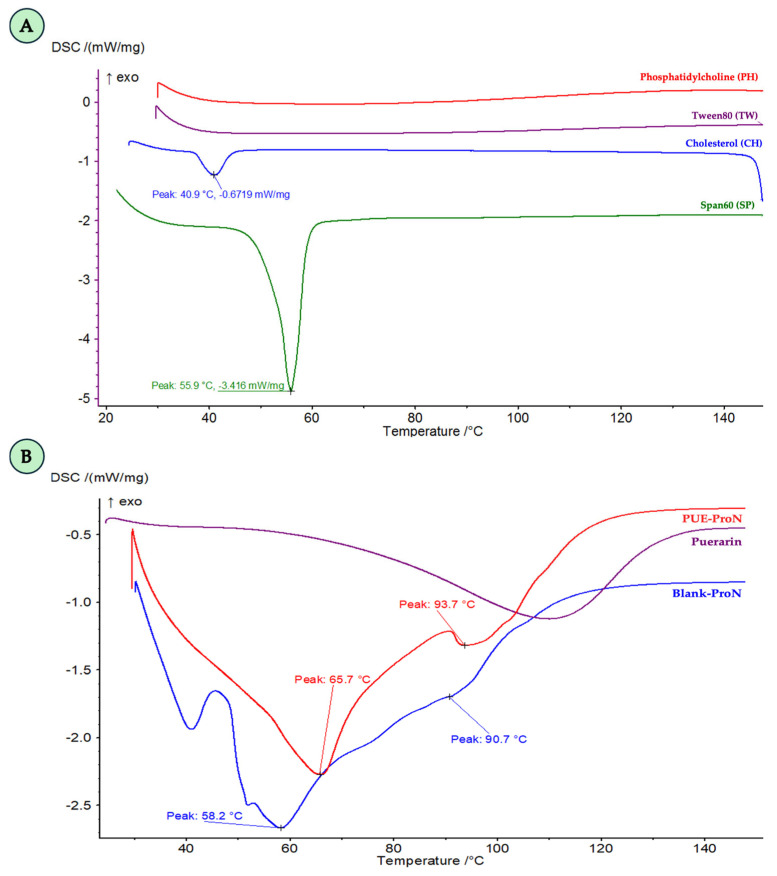 Figure 3
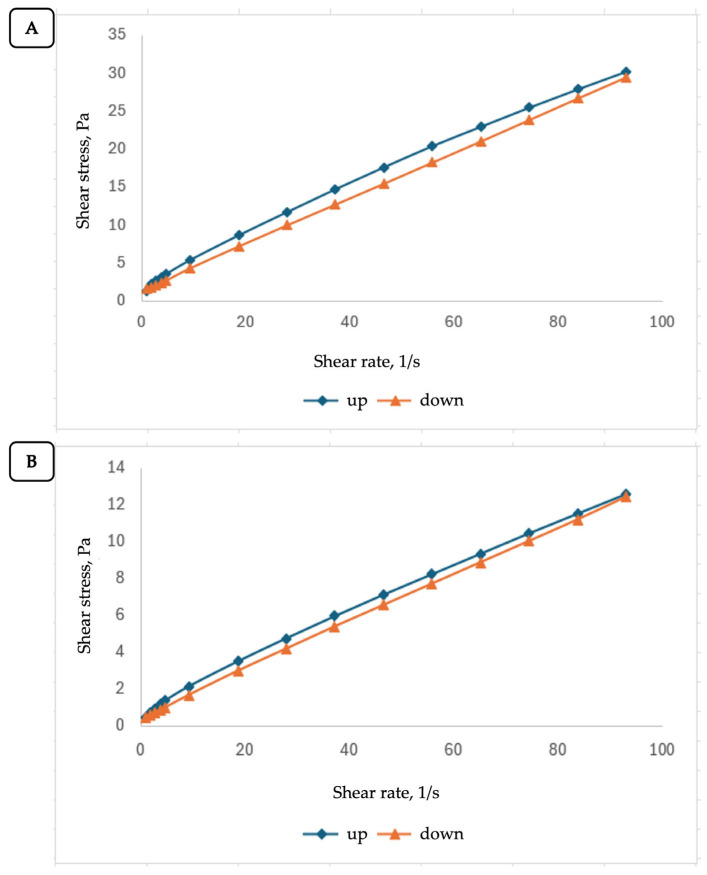 Figure 4
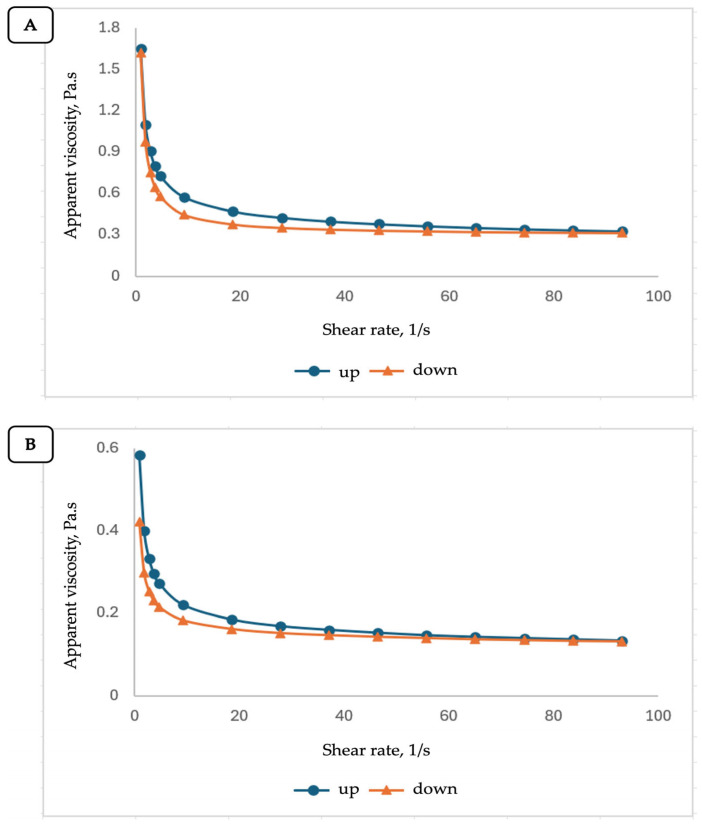 Figure 5
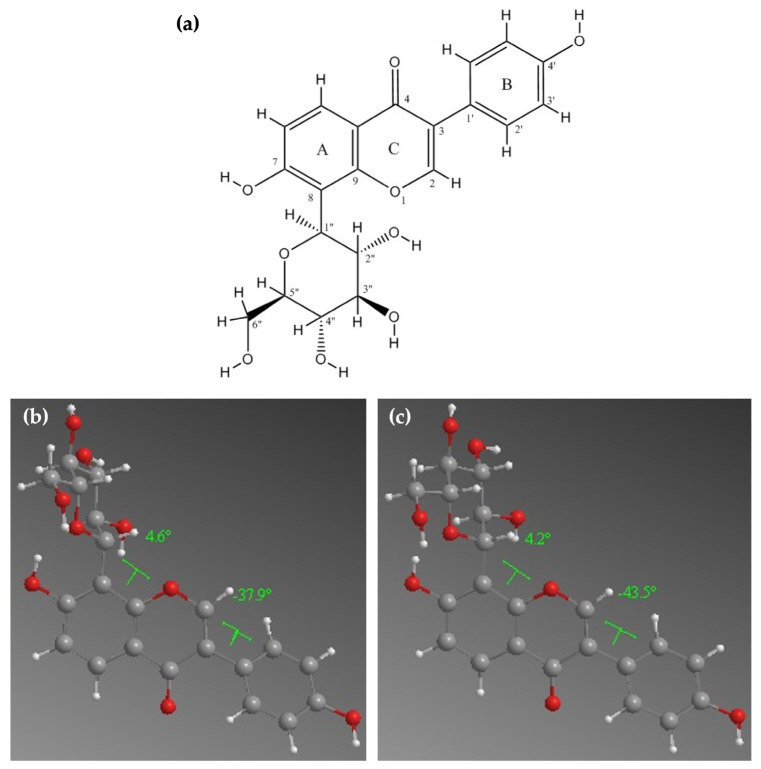 Figure 6
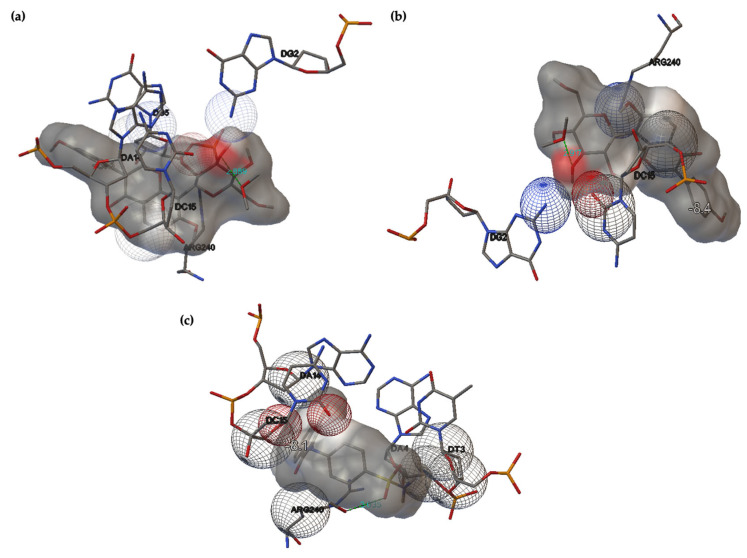 Figure 7
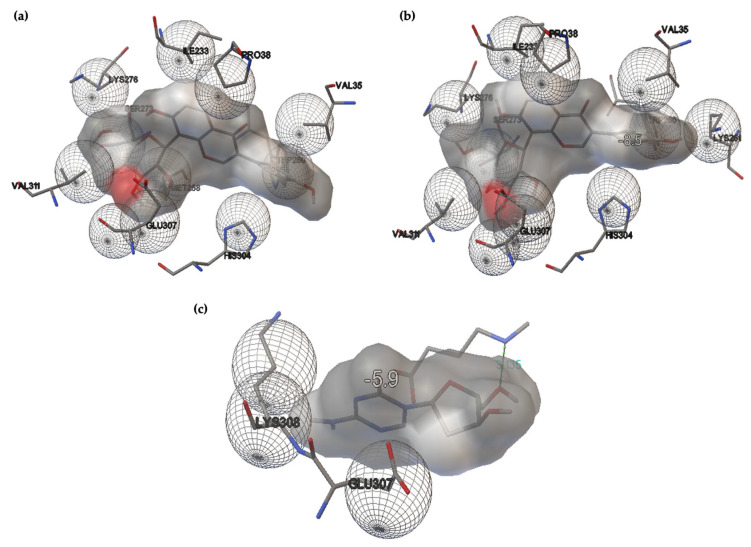 Figure 8
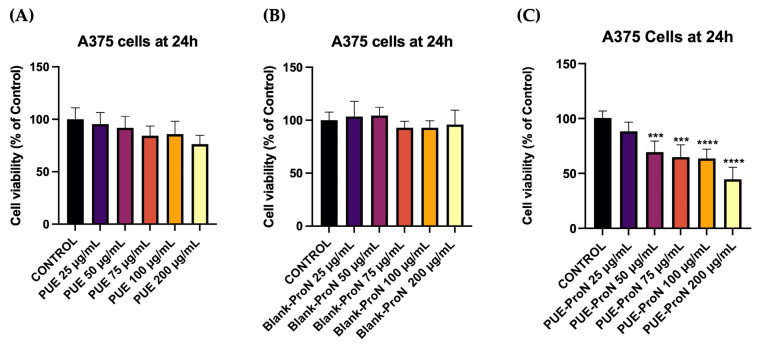 Figure 9
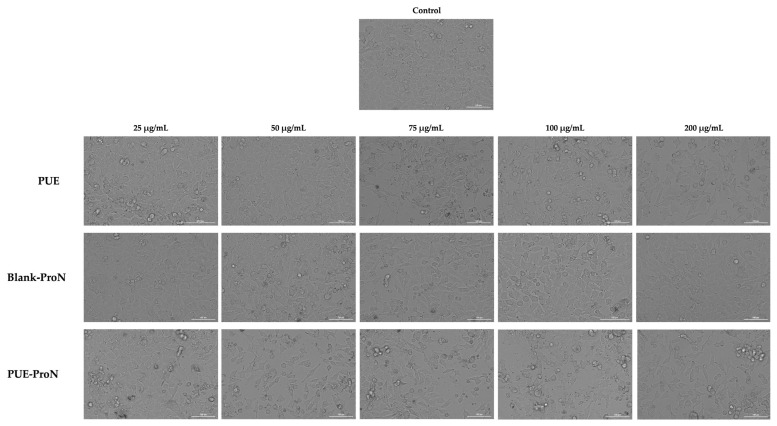 Figure 10
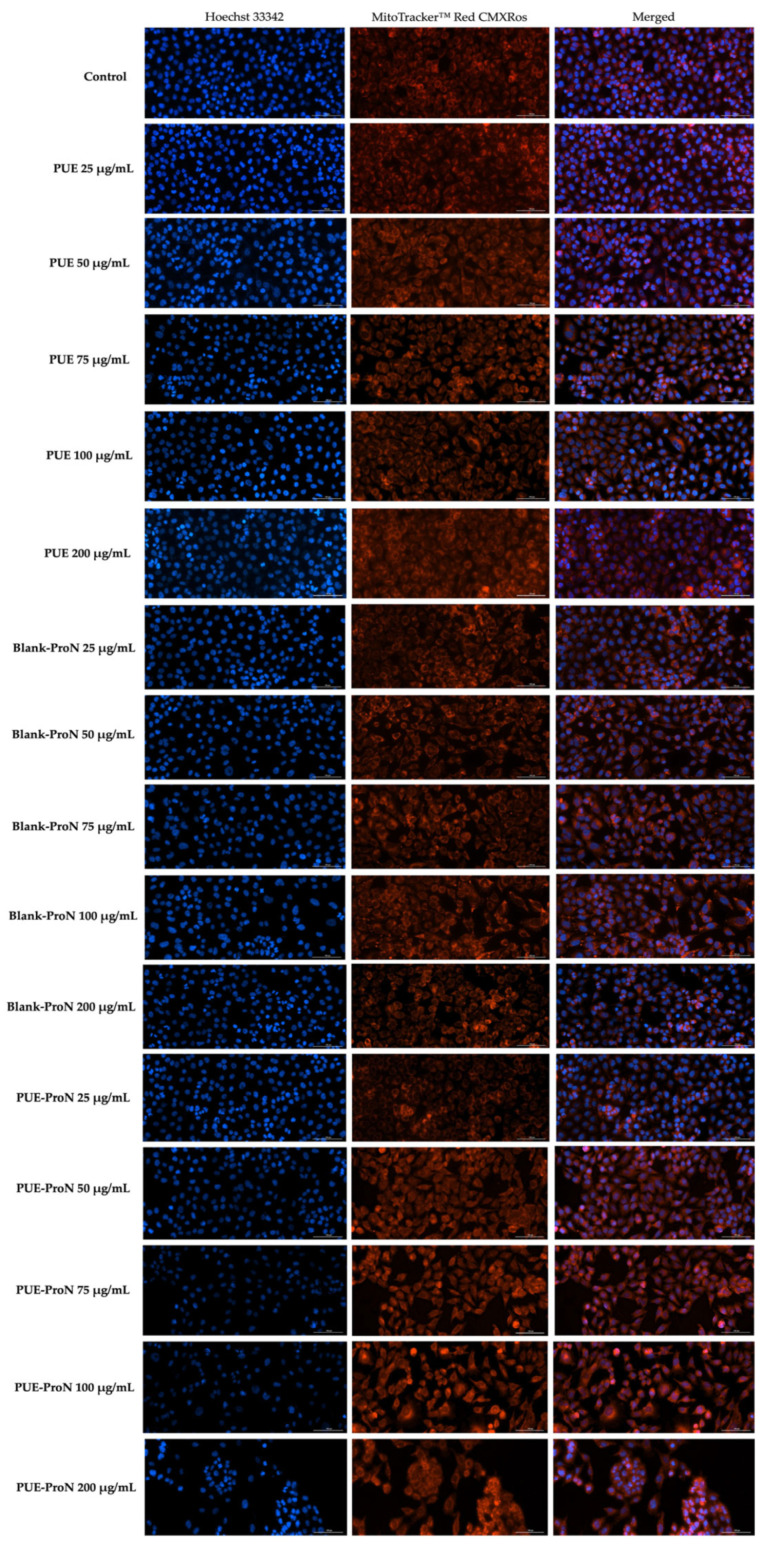 Figure 11
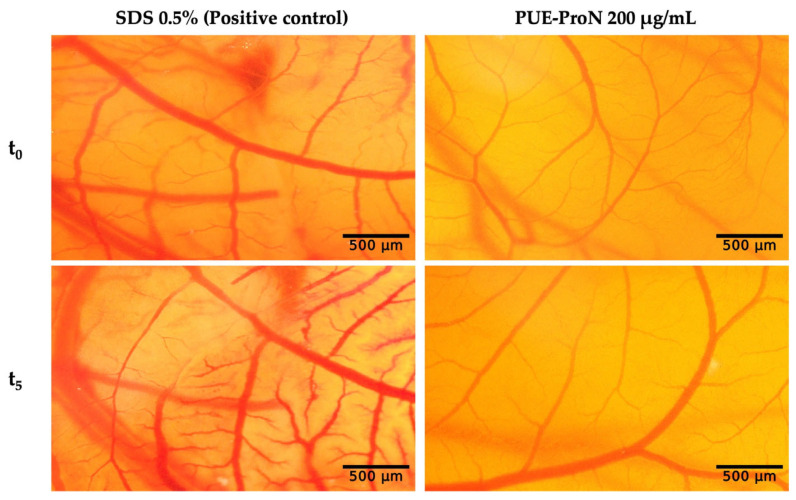 Figure 12
Peer Reviews
No public reviews on file for this paper yet. If you reviewed it on a platform where reviews are public (OpenReview, ICLR, NeurIPS, ICML), you can paste yours below so the community can read it here.
Videos
No videos yet. Explain this paper in a talk, walkthrough, or lecture? Add one.
Taxonomy
TopicsAdvancements in Transdermal Drug Delivery · Advanced Drug Delivery Systems · Proteins in Food Systems