The Complete Mitochondrial Genome of Gynostemma pentaphyllum Reveals a Multipartite Structure and Dynamic Evolution in Cucurbitaceae
Ming Zhu, Yanping Xie, Caiyan Chen, Yun Han

TL;DR
This study sequenced the complete mitochondrial genome of Gynostemma pentaphyllum, revealing its complex structure and evolutionary insights within the Cucurbitaceae family.
Contribution
The study provides the first complete mitochondrial genome of Gynostemma pentaphyllum and identifies dynamic evolutionary features and gene transfer events.
Findings
The mitogenome has a multipartite structure of six circular molecules and encodes typical mitochondrial genes.
Extensive RNA editing and chloroplast-derived gene transfer were detected, indicating active intracellular gene transfer.
Phylogenomic analysis places G. pentaphyllum closely with Thladiantha cordifolia and Momordica charantia.
Abstract
Background: Gynostemma pentaphyllum (Thunb.) Makino is an important medicinal plant within the Cucurbitaceae family. Despite its economic and pharmacological importance, genomic resources for this species remain limited. Methods: We sequenced and assembled the complete mitochondrial genome of G. pentaphyllum. Comparative analyses were conducted to investigate the genomic structure, gene content, RNA editing events, and intracellular gene transfer (IGT) from chloroplasts. Additionally, phylogenomic relationships, synteny, and the selective pressure on mitochondrial genes were evaluated against related species within Cucurbitaceae. Results: The ~324 kb mitogenome has a multipartite architecture of six circular-mapping molecules. It encodes the typical complement of mitochondrial protein-coding genes, tRNAs, and rRNAs found in angiosperms. Extensive C-to-U RNA editing, including events…
Genes, proteins, chemicals, diseases, species, mutations and cell lines named across the full text — each resolved to its canonical identifier and authoritative record.
Click any figure to enlarge with its caption.
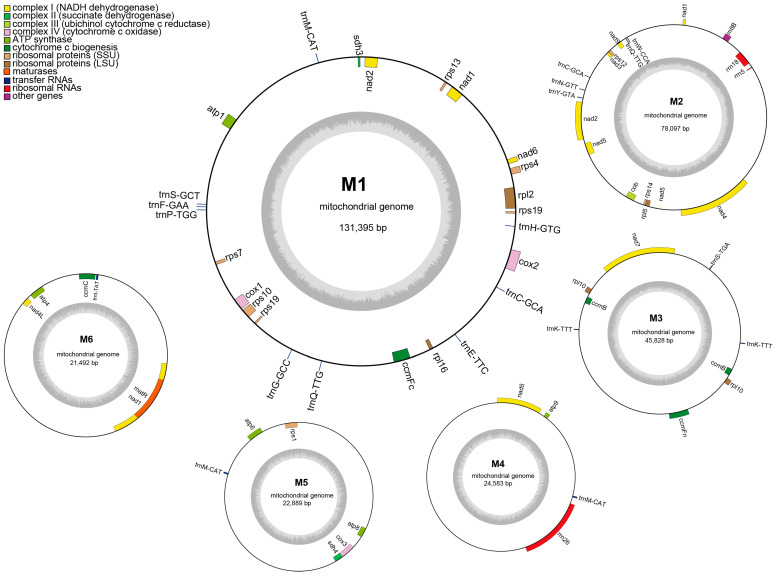 Figure 1
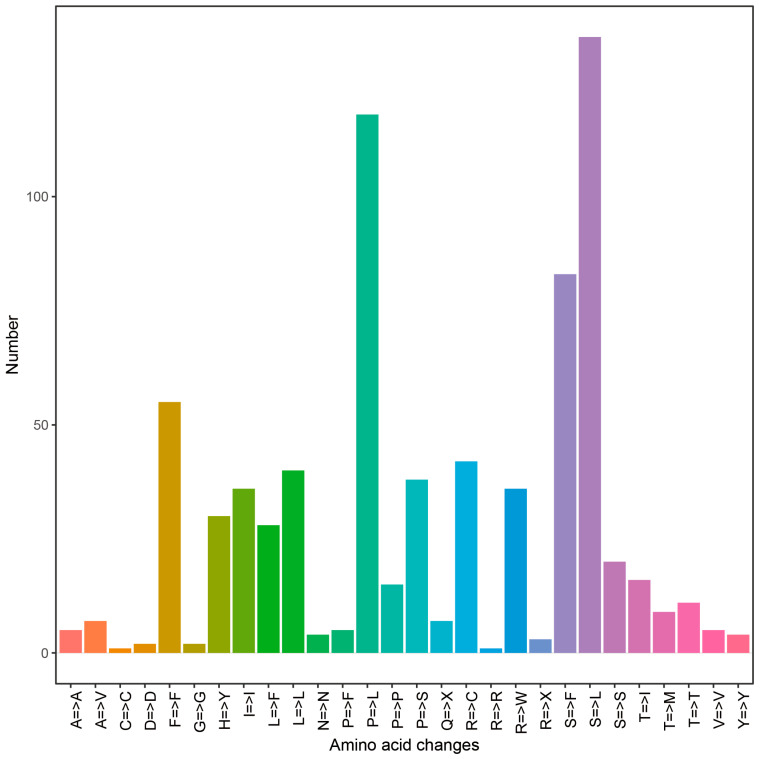 Figure 2
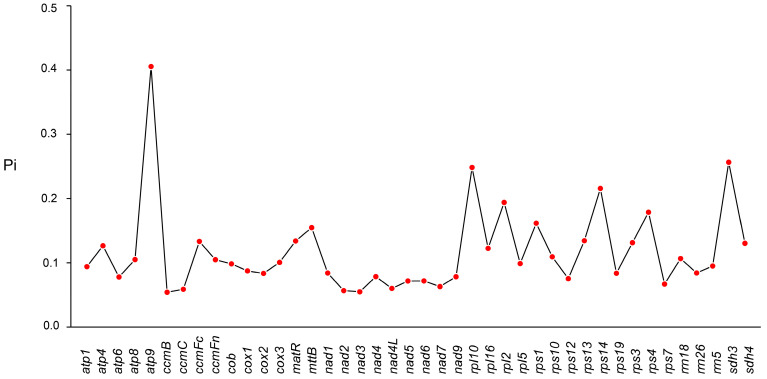 Figure 3
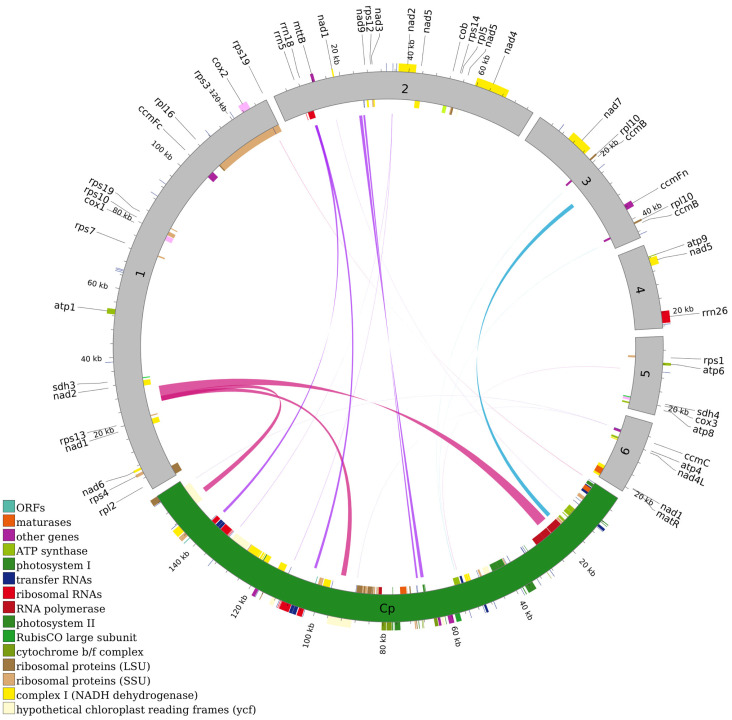 Figure 4
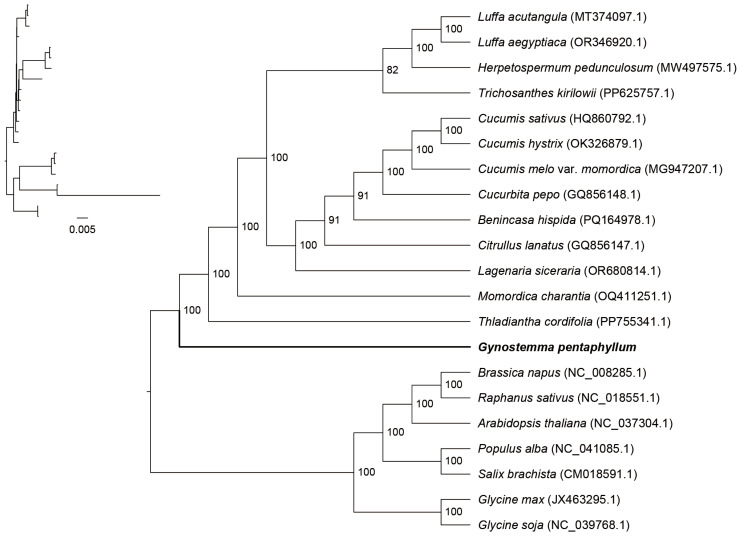 Figure 5
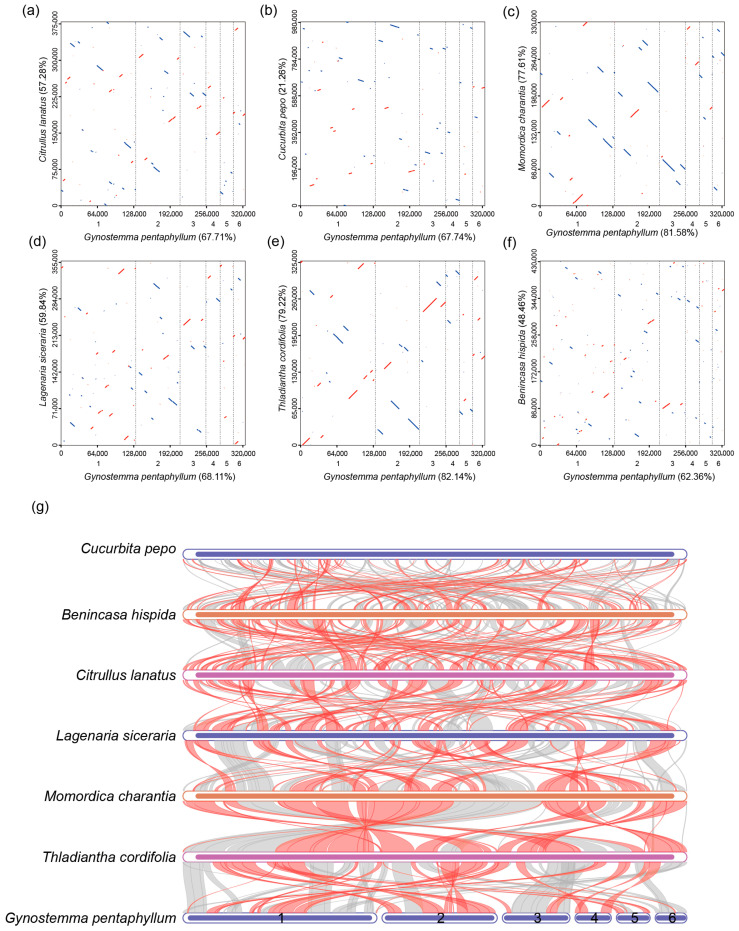 Figure 6
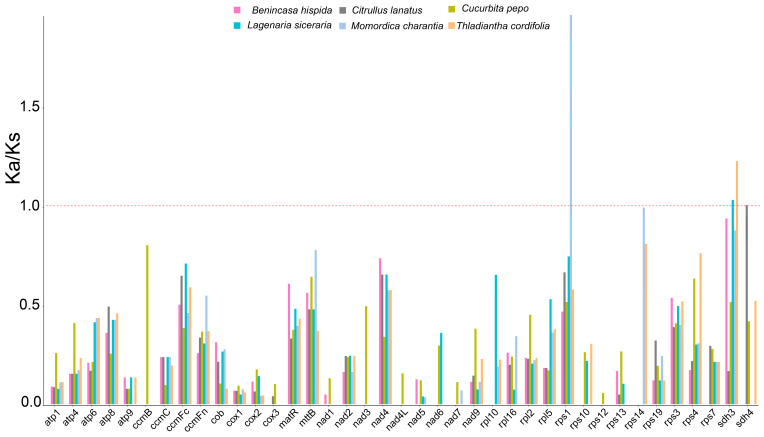 Figure 7
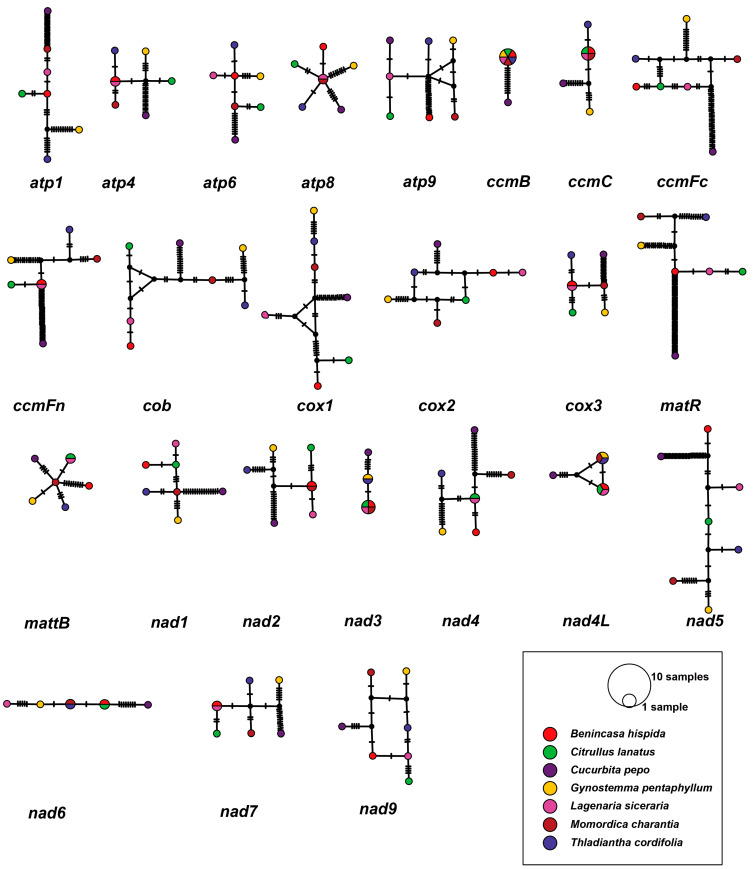 Figure 8
Peer Reviews
No public reviews on file for this paper yet. If you reviewed it on a platform where reviews are public (OpenReview, ICLR, NeurIPS, ICML), you can paste yours below so the community can read it here.
Videos
No videos yet. Explain this paper in a talk, walkthrough, or lecture? Add one.
Taxonomy
TopicsGenomics and Phylogenetic Studies · Advances in Cucurbitaceae Research · Photosynthetic Processes and Mechanisms