Identification and Analysis of the Terpene Synthases (TPS) Gene Family in Camellia Based on Pan-Genome
Renjie Yin, Haibin Liu, Shanyuanrui Lin, Zhuolin Li, Linna Ma, Peng Liu

TL;DR
This study identifies and analyzes terpene synthase genes in Camellia species, revealing differences between wild and cultivated tea plants and how these genes contribute to aroma-related genetic diversity.
Contribution
The study provides a pan-genome resource for Camellia TPS genes and highlights domestication-driven genetic changes.
Findings
Wild Camellia species have more TPS genes than cultivated ones, suggesting a contraction in cultivated accessions.
TPS-b and TPS-a subfamilies dominate, while TPS-c is rare and highly conserved.
TPS expression is higher in cultivated tea, especially in mature leaves and stems.
Abstract
Terpenes are major determinants of tea aroma, and terpene synthases (TPSs) catalyze key steps in terpenoid biosynthesis. To capture gene-family variation beyond a single reference, we performed a pan-genome–based analysis of TPS genes across nine Camellia genomes (three wild tea relatives and six cultivated Camellia sinensis accessions) and integrated pan-transcriptome profiling across eight tissues. We identified 381 TPS genes; wild species contained more TPSs than cultivated accessions (mean 58.3 vs. 34.3), suggesting a putative contraction. Phylogenetic analysis with Arabidopsis TPSs classified Camellia TPSs into five subfamilies, dominated by TPS-b (149) and TPS-a (140), whereas TPS-c was rare (8). Gene-structure and physicochemical analyses revealed marked subfamily divergence, with TPS-c showing highly conserved coding-region length. Orthology clustering assigned 355 TPSs to 19…
Genes, proteins, chemicals, diseases, species, mutations and cell lines named across the full text — each resolved to its canonical identifier and authoritative record.
Click any figure to enlarge with its caption.
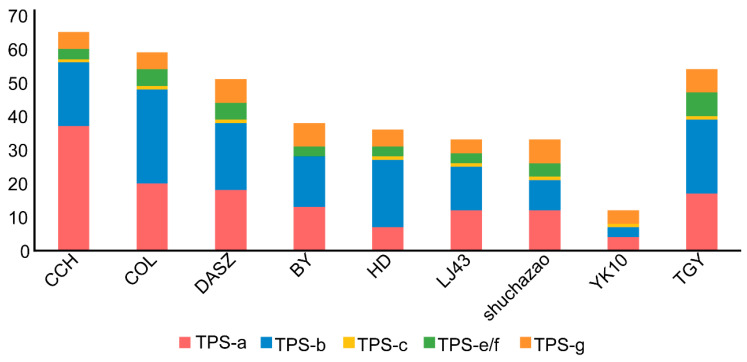 Figure 1
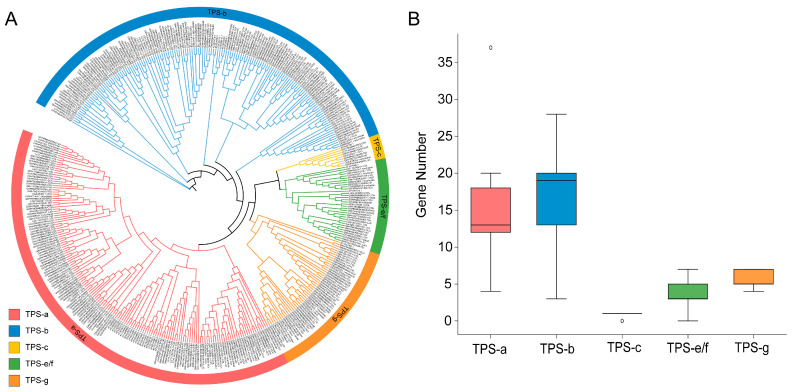 Figure 2
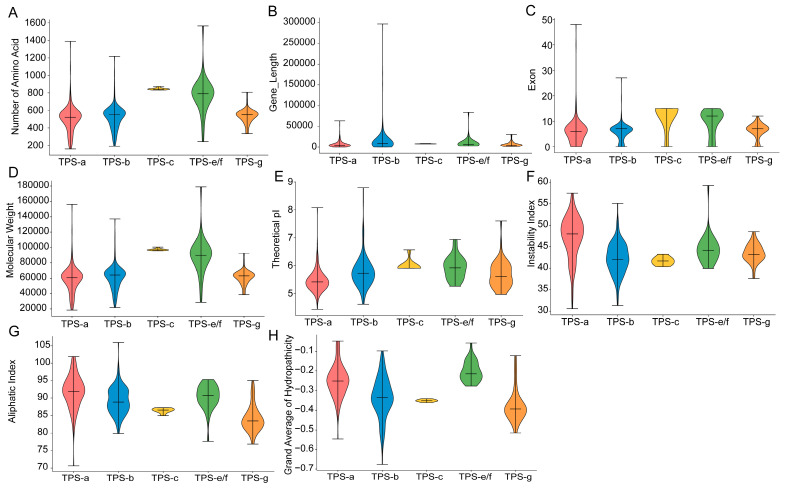 Figure 3
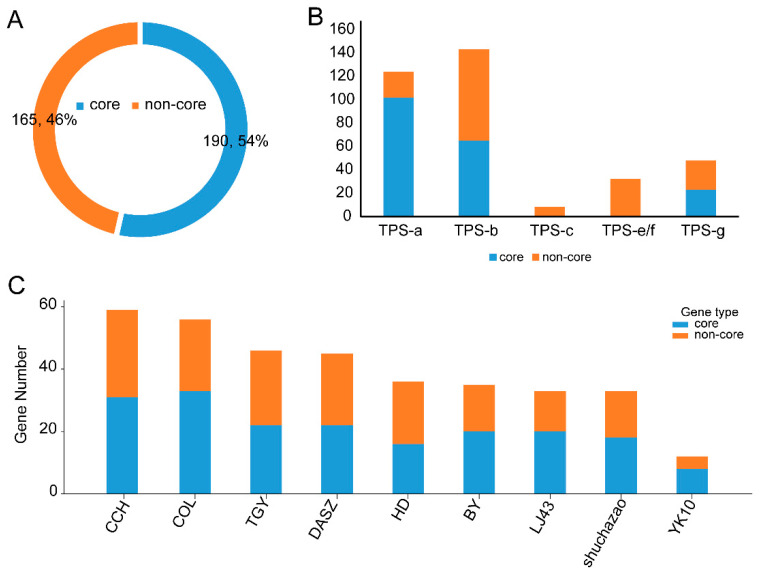 Figure 4
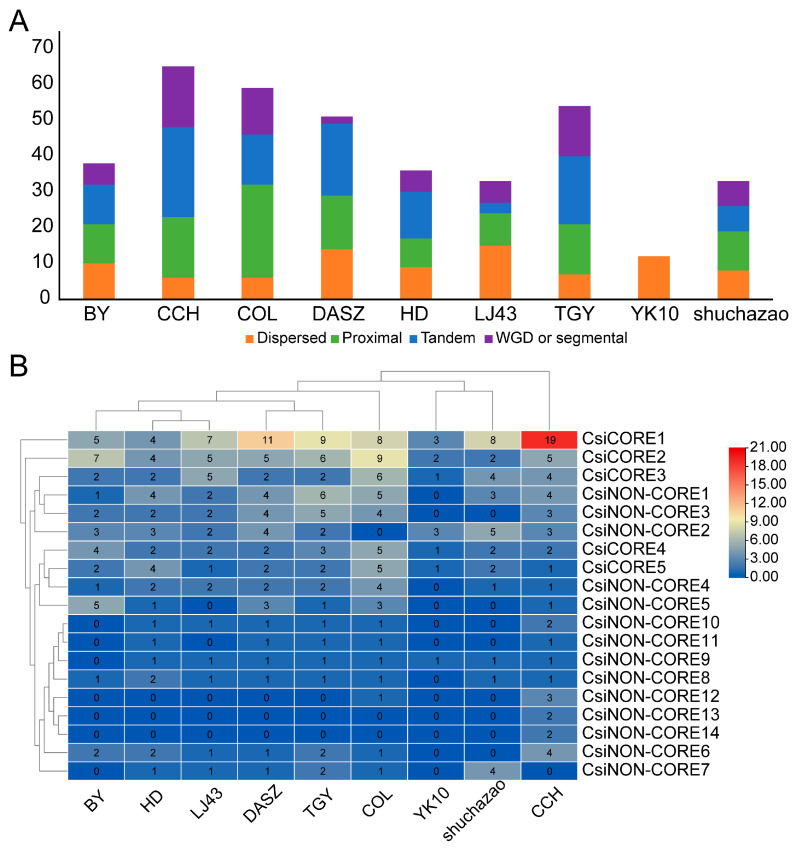 Figure 5
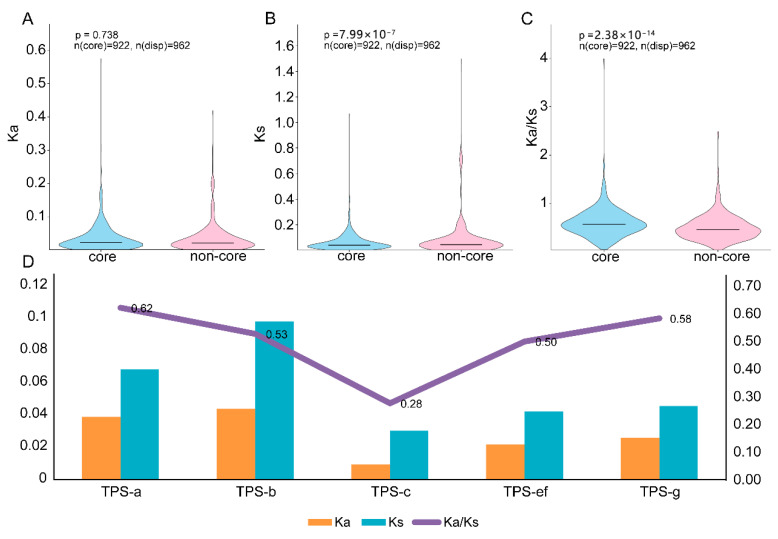 Figure 6
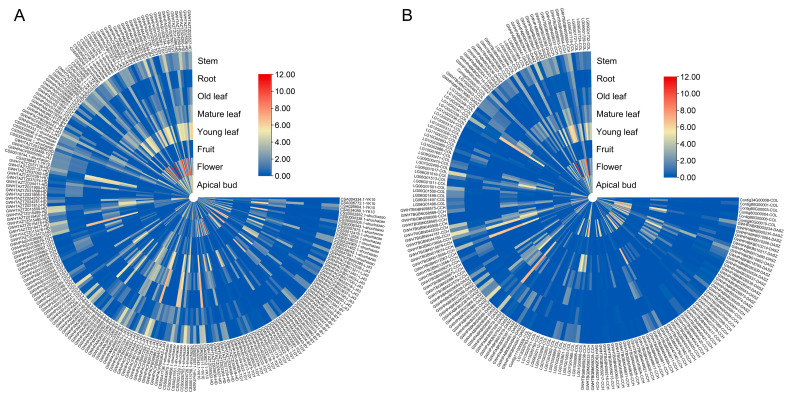 Figure 7
Peer Reviews
No public reviews on file for this paper yet. If you reviewed it on a platform where reviews are public (OpenReview, ICLR, NeurIPS, ICML), you can paste yours below so the community can read it here.
Videos
No videos yet. Explain this paper in a talk, walkthrough, or lecture? Add one.
Taxonomy
TopicsPlant biochemistry and biosynthesis · Tea Polyphenols and Effects · Plant Gene Expression Analysis