Uncovering the Role of Thrombospodin-1 and Occludin as Potential Prognostic and Diagnostic Biomarkers in Traumatic Brain Injury
Céline Decouty-Pérez, Inés Valencia, María Alvarez-Rubal, Elena Martínez-Cuevas, Víctor Farré-Alins, María J. Calzada, Anna Penalba, Joan Montaner, Javier Rodríguez de Cía, Mario Taravilla-Loma, Borja J. Hernández-García, Esther Fuertes-Yebra, Águeda González-Rodríguez

TL;DR
This study explores thrombospondin-1 and occludin as potential biomarkers for diagnosing and predicting outcomes in traumatic brain injury patients.
Contribution
The study identifies TSP-1 and occludin as novel biomarkers for TBI prognosis and diagnosis.
Findings
Lower serum TSP-1 levels correlate with poor patient outcomes at 6 months.
Occludin shows potential as a biomarker for prognosis and mild TBI diagnosis, though with limited discriminative power.
TSP-1-deficient animals exhibit worsened TBI conditions, highlighting TSP-1's role in BBB integrity and inflammation.
Abstract
Traumatic brain injury (TBI) is a highly heterogeneous disease and achieving an accurate diagnosis remains a significant challenge. Biomarkers play a crucial role in minimizing the reliance on invasive techniques like computed tomography, which also have significant economic costs. Human samples were obtained from prospective cohort studies. Mice were subjected to an experimental model of traumatic brain injury. Biomarker levels, gene expression, and blood–brain barrier integrity were analyzed using ELISA, qRT-PCR, and Evans Blue assay; data were statistically evaluated using parametric or non-parametric tests as appropriate. This study focuses on evaluating the role of matricellular protein thrombospondin-1 (TSP-1) and the tight junction proteins occludin and ZO-1 as potential biomarkers of TBI. We showed that lower serum TSP-1 levels correlated with poor patient outcomes at 6 months…
Genes, proteins, chemicals, diseases, species, mutations and cell lines named across the full text — each resolved to its canonical identifier and authoritative record.
Click any figure to enlarge with its caption.
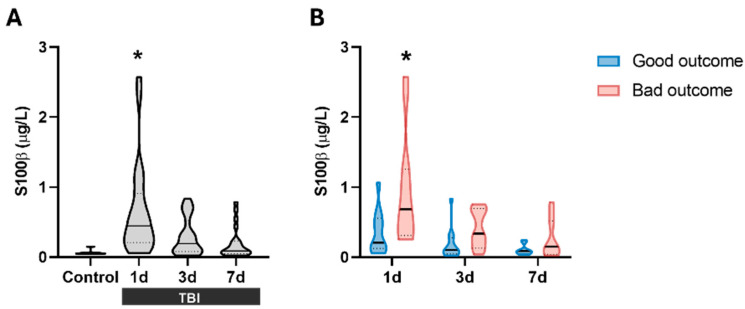 Figure 1
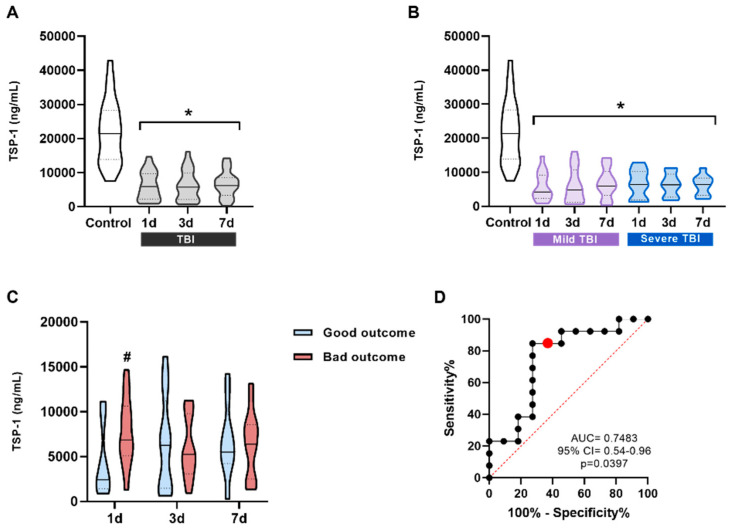 Figure 2
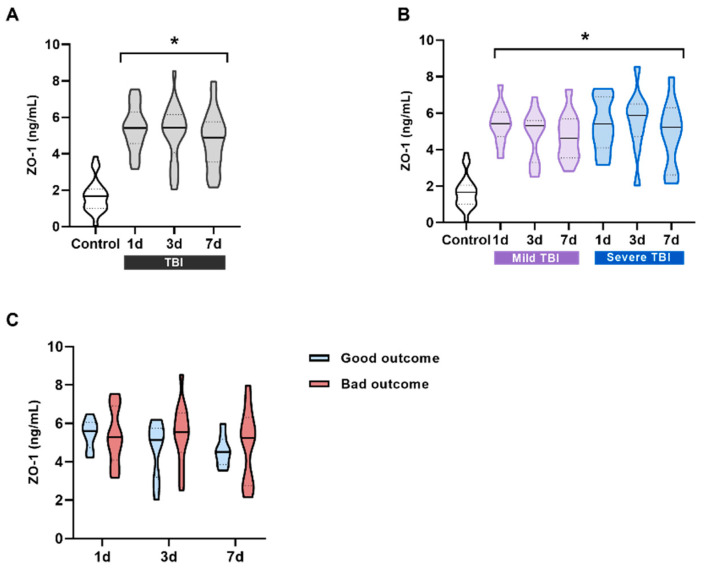 Figure 3
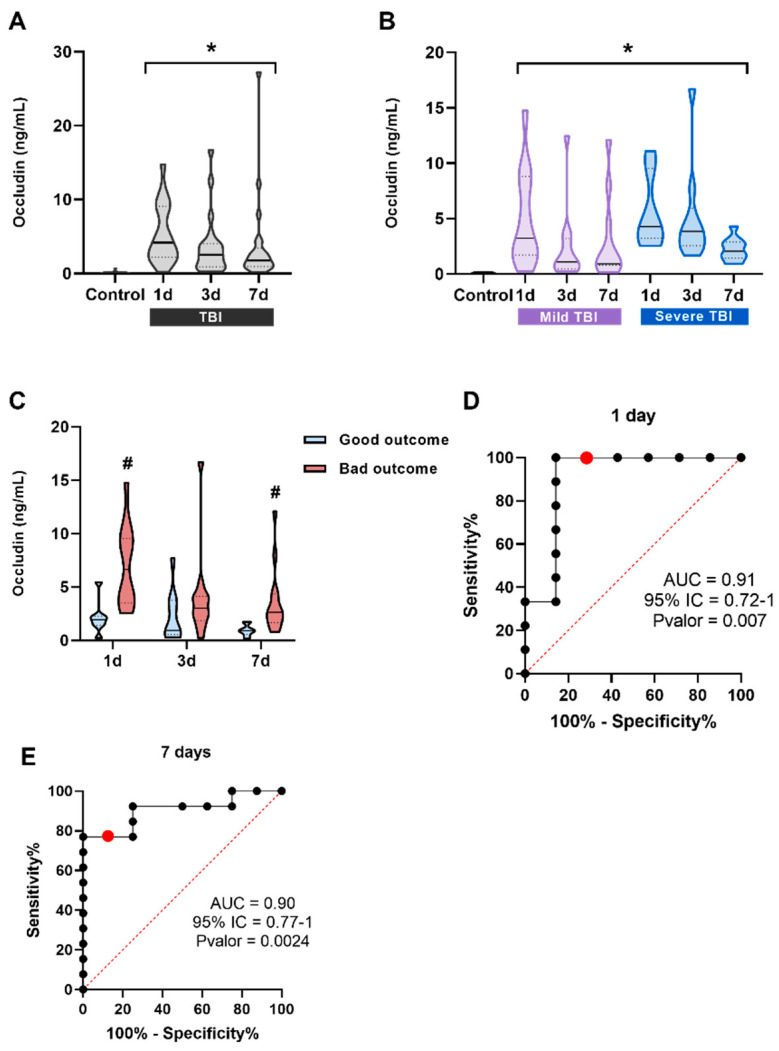 Figure 4
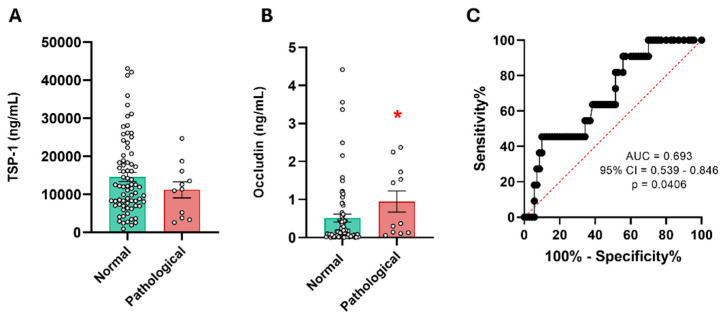 Figure 5
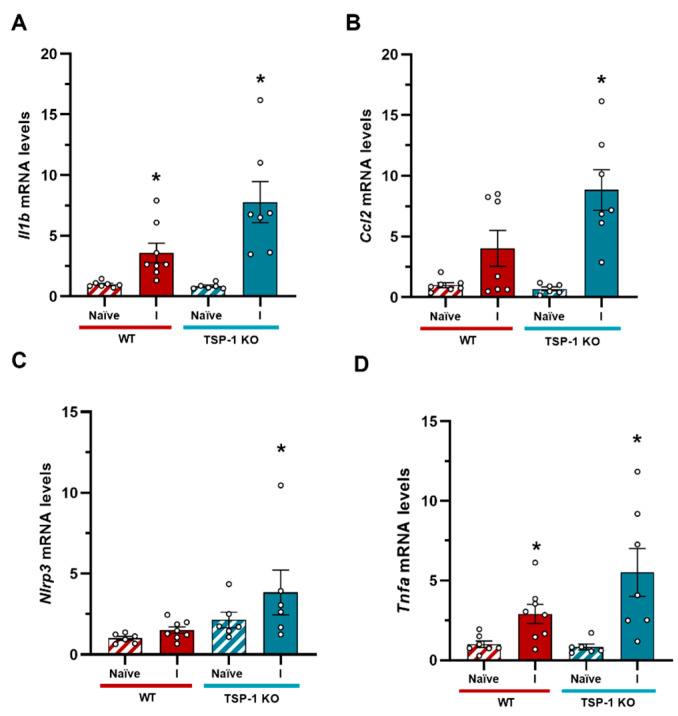 Figure 6
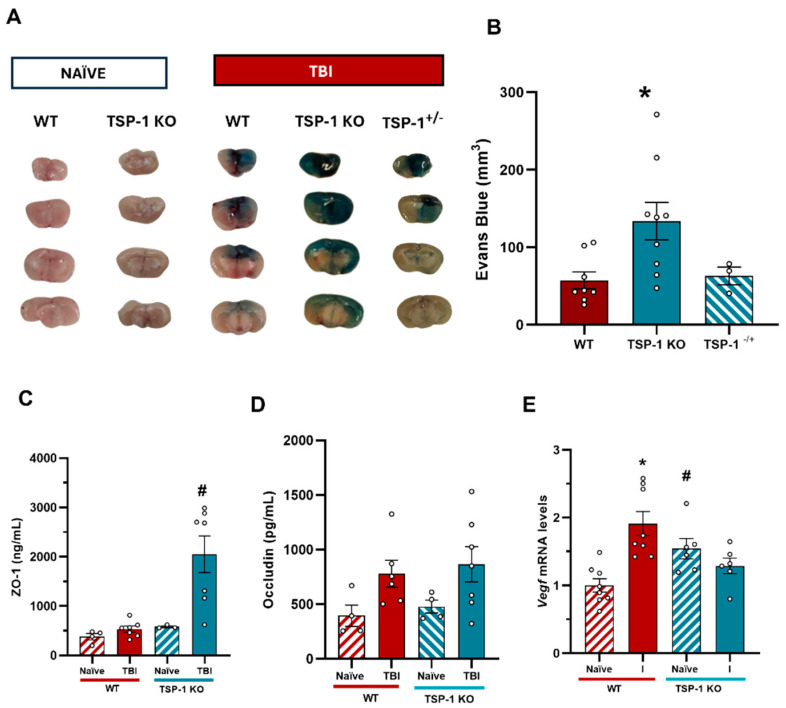 Figure 7
Peer Reviews
No public reviews on file for this paper yet. If you reviewed it on a platform where reviews are public (OpenReview, ICLR, NeurIPS, ICML), you can paste yours below so the community can read it here.
Videos
No videos yet. Explain this paper in a talk, walkthrough, or lecture? Add one.
Taxonomy
TopicsBarrier Structure and Function Studies · Traumatic Brain Injury and Neurovascular Disturbances · S100 Proteins and Annexins