Development of the CO2-Resistant Gel by Designing a Novel CO2-Responsive Polymer for Channel Control in Low-Permeability Reservoirs
Xiangjuan Meng, Xinjie Xu, Yining Wu, Zhenfeng Ma, Herui Fan, Ziyi Wang, Wenhao Ren, Zhongzheng Xu, Mingwei Zhao

TL;DR
This paper introduces a new CO2-resistant gel that improves oil recovery in low-permeability reservoirs by preventing gas channeling during CO2 flooding.
Contribution
The study develops a novel CO2-responsive polymer (ADA) that forms a CO2-tolerant gel with superior stability and oil recovery performance.
Findings
The ADA gel retains over 99% of its initial viscosity after CO2 exposure, compared to 61% for conventional gels.
Core flooding experiments showed the ADA gel achieved up to 48.5% oil recovery in heterogeneous cores.
The CO2 resistance is due to a reinforced dual-crosslinked network formed by protonated amines and sulfonate groups.
Abstract
To address the problem of serious gas channeling during CO2 flooding in low-permeability reservoirs, which leads to poor oil recovery, this study developed a CO2-resistant gel using a novel CO2-responsive polymer (ADA) for gas channel control. The ADA polymer was synthesized via free-radical copolymerization of acrylamide (AM), dimethylaminopropyl methacrylamide (DMAPMA), and 2-acrylamido-2-methylpropanesulfonic acid (AMPS), which introduced protonatable tertiary-amine groups and sulfonate moieties into the polymer backbone. Comprehensive characterizations confirmed the designed structure and adequate thermal stability of the ADA polymer. Rheological tests demonstrated that the ADA polymer solution exhibits significant CO2-triggered viscosity enhancement and excellent shear resistance. When crosslinked with phenolic resin, the resulting ADA gel showed outstanding CO2 tolerance under…
Genes, proteins, chemicals, diseases, species, mutations and cell lines named across the full text — each resolved to its canonical identifier and authoritative record.
Click any figure to enlarge with its caption.
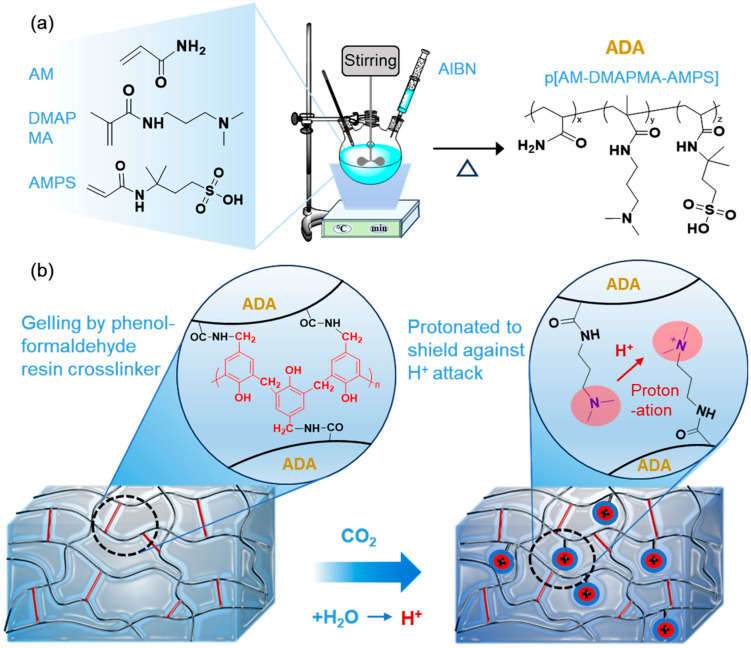 Figure 1
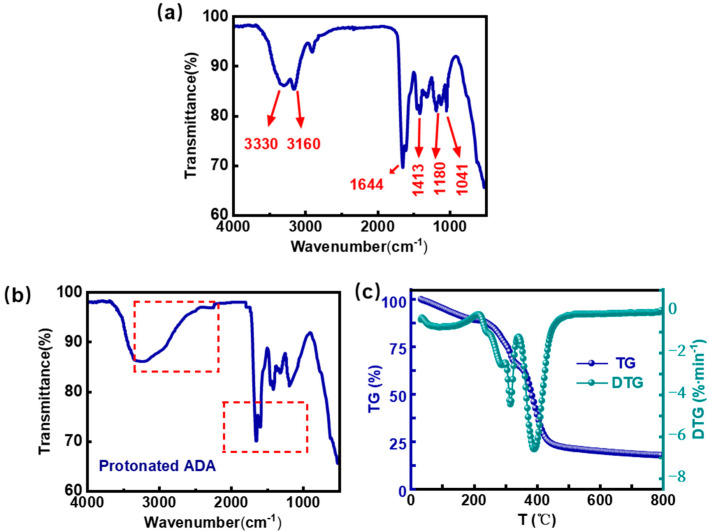 Figure 2
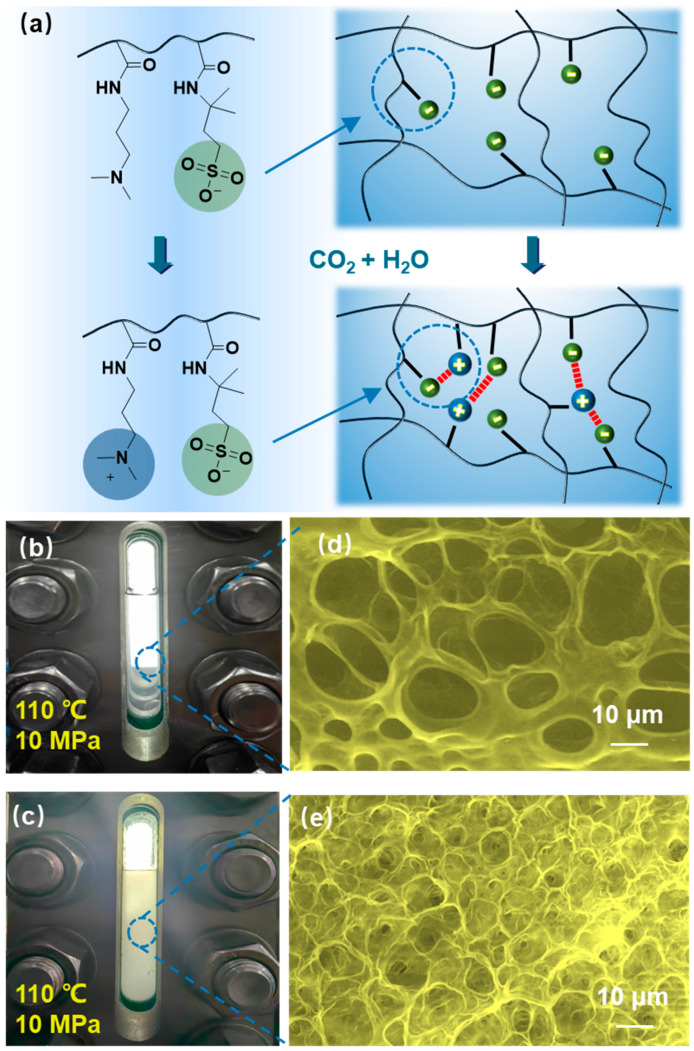 Figure 3
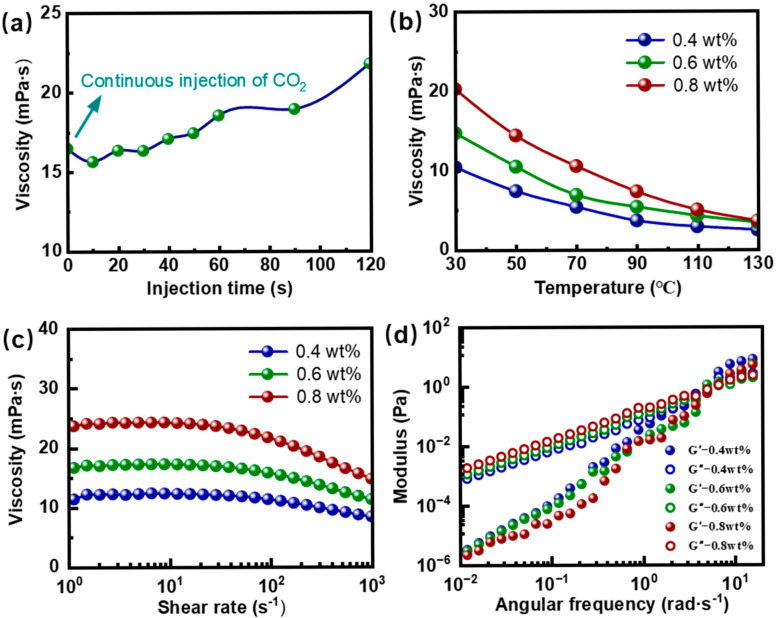 Figure 4
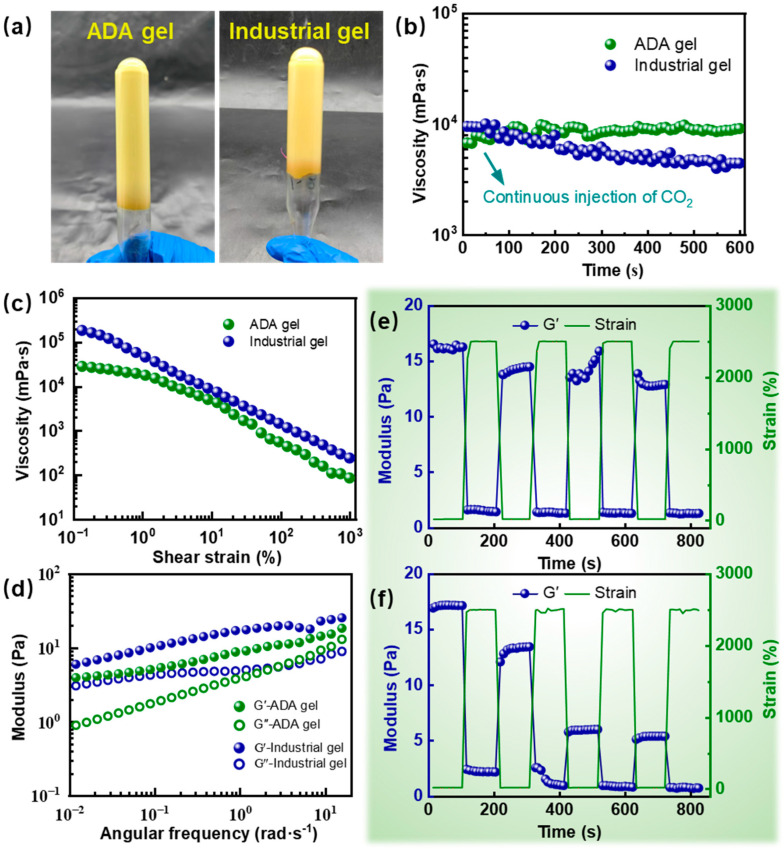 Figure 5
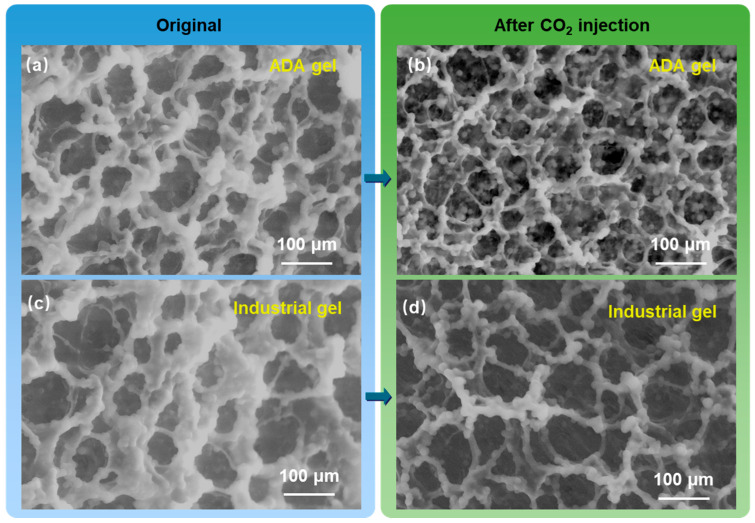 Figure 6
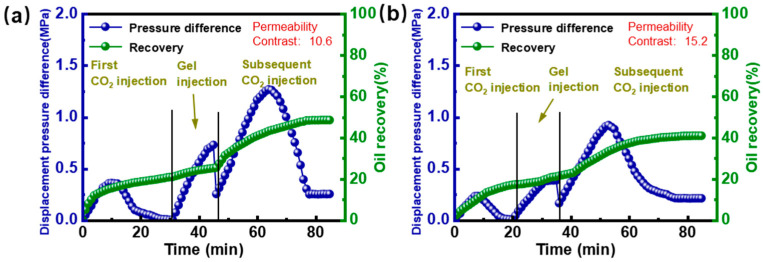 Figure 7
Peer Reviews
No public reviews on file for this paper yet. If you reviewed it on a platform where reviews are public (OpenReview, ICLR, NeurIPS, ICML), you can paste yours below so the community can read it here.
Videos
No videos yet. Explain this paper in a talk, walkthrough, or lecture? Add one.
Taxonomy
TopicsEnhanced Oil Recovery Techniques · Carbon Dioxide Capture Technologies · CO2 Sequestration and Geologic Interactions