Trisferrocenyltrithiophosphite-Copper(I) Bromide Composites for Electrochemical CO2 Reduction
Mikhail Khrizanforov, Ilya Bezkishko, Anastasiia Samorodnova, Ruslan Shekurov, Radis Gainullin, Kirill Kholin, Igor Yanilkin, Aidar Gubaidullin, Alexey Galushko, Vasili Miluykov

TL;DR
This paper reports on new copper-based composites that efficiently convert CO2 into methanol and ethanol through electrochemical reactions.
Contribution
The study introduces tunable trisferrocenyltrithiophosphite–copper(I) bromide composites with distinct catalytic products based on Cu-to-ligand ratios.
Findings
The 1:1 composite produced methanol with 5.79% Faradaic efficiency, while the 2:1 composite produced ethanol with 9.26% efficiency.
The composites showed excellent stability with only a 9% decline in current density over 5 hours of electrolysis.
Structural integrity was maintained before and after testing, as confirmed by PXRD analysis.
Abstract
Copper-based catalysts have emerged as promising materials for electrochemical carbon dioxide reduction reactions, owing to copper’s unique ability to facilitate multi-electron transfer processes and produce valuable products such as methanol and ethanol. In this study, novel trisferrocenyltrithiophosphite–copper(I) bromide composites with Cu-to-ligand molar ratios of 1:1 and 2:1 were synthesized and evaluated for their catalytic performance. The composites were characterized by a combination of techniques, including powder X-ray diffraction (PXRD), linear sweep voltammetry (LSV), potentiostatic testing, chromatographic analysis, scanning electron microscopy (SEM) and X-ray photoelectron spectroscopy (XPS). Electrochemical measurements demonstrated significant current enhancements in the presence of CO2, highlighting the composites’ catalytic activity. Potentiostatic tests revealed…
Genes, proteins, chemicals, diseases, species, mutations and cell lines named across the full text — each resolved to its canonical identifier and authoritative record.
Click any figure to enlarge with its caption.
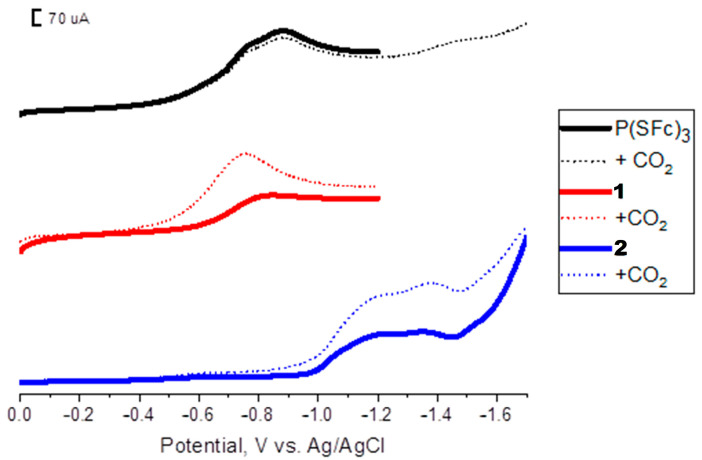 Figure 1
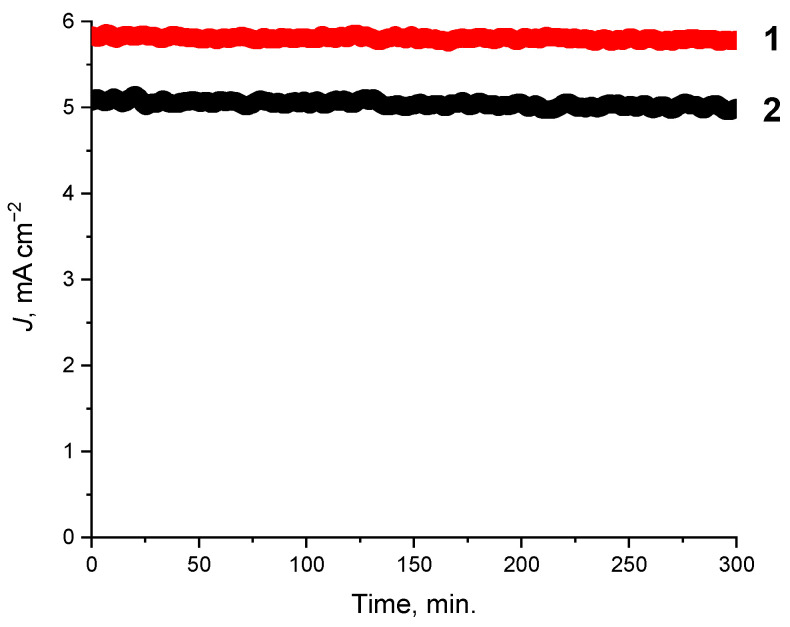 Figure 2
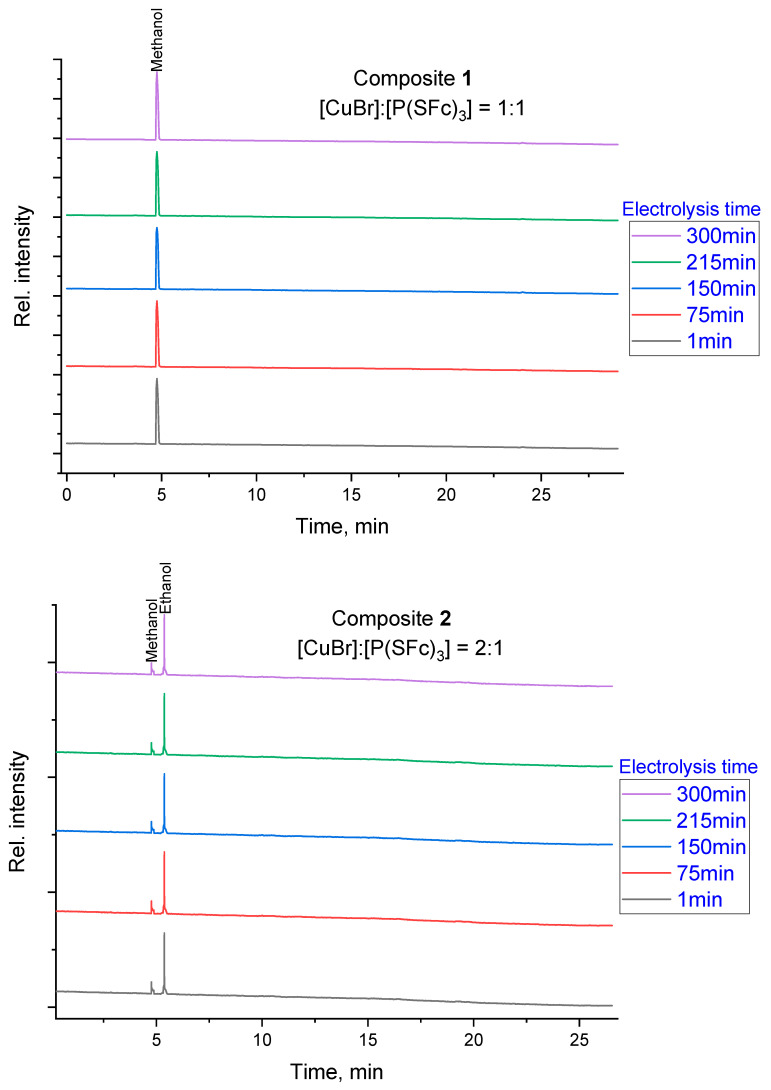 Figure 3
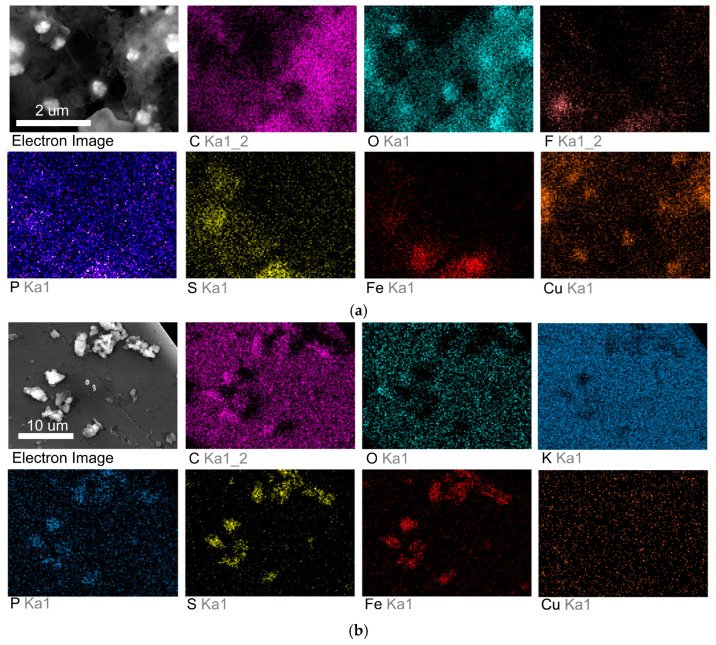 Figure 4
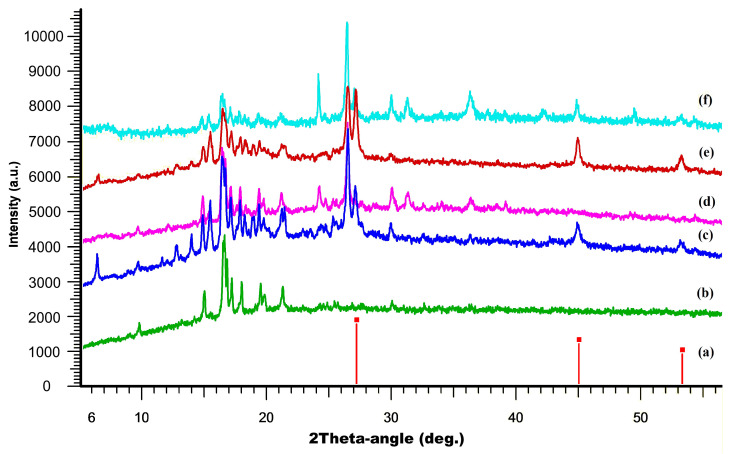 Figure 5
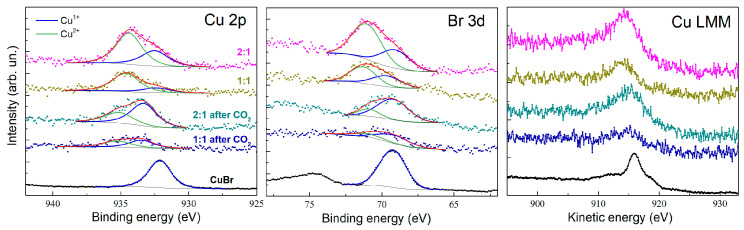 Figure 6
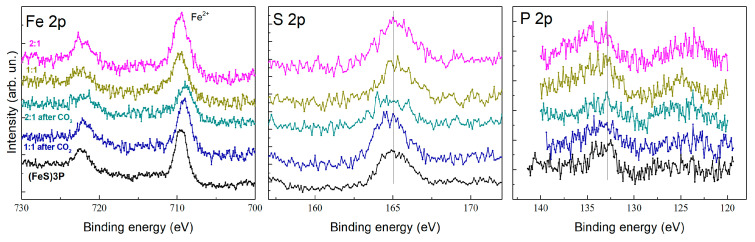 Figure 7
Peer Reviews
No public reviews on file for this paper yet. If you reviewed it on a platform where reviews are public (OpenReview, ICLR, NeurIPS, ICML), you can paste yours below so the community can read it here.
Videos
No videos yet. Explain this paper in a talk, walkthrough, or lecture? Add one.
Taxonomy
TopicsCO2 Reduction Techniques and Catalysts · Carbon dioxide utilization in catalysis · Ammonia Synthesis and Nitrogen Reduction