A Distinct Defense Strategy: The Molecular Basis of WSSV Tolerance in Macrobrachium nipponense Revealed by Comparative Transcriptomics with Litopenaeus vannamei
Yunpeng Niu, Sufei Jiang, Wenyi Zhang, Yiwei Xiong, Shubo Jin, Hui Qiao, Hongtuo Fu

TL;DR
This study compares how two shrimp species respond to a deadly virus, revealing a unique defense strategy in the resistant species that could help breed more disease-resistant shrimp.
Contribution
The study identifies a novel 'proactive homeostatic reinforcement' strategy in Macrobrachium nipponense and validates HSP70 as a key antiviral gene.
Findings
Resistant Macrobrachium nipponense uses a proactive homeostatic strategy to control the virus without excessive immune activation.
HSP70 was identified as a key gene in antiviral defense, and its knockdown increased mortality and viral load in Macrobrachium nipponense.
Susceptible Litopenaeus vannamei either experiences systemic collapse or relies on specific immune pathways like Toll-like receptor signaling.
Abstract
White Spot Syndrome Virus (WSSV) remains one of the most devastating pathogens in global shrimp aquaculture, causing massive economic losses annually. This study employed comparative transcriptomics to elucidate the molecular basis of the differential resistance to WSSV between the highly susceptible Pacific white shrimp (Litopenaeus vannamei) and the remarkably resistant oriental river prawn (Macrobrachium nipponense). Our analysis of gill, hepatopancreas, and muscle tissues at 24 h post-infection revealed fundamentally distinct defense strategies. The resistant M. nipponense employs a unique “proactive homeostatic reinforcement” strategy, characterized by significant enrichment of pathways central to cellular homeostasis, including signal transduction, cellular processes, and transport/catabolism. This approach, supported by coordinated up-regulation of heat shock proteins and…
Genes, proteins, chemicals, diseases, species, mutations and cell lines named across the full text — each resolved to its canonical identifier and authoritative record.
Click any figure to enlarge with its caption.
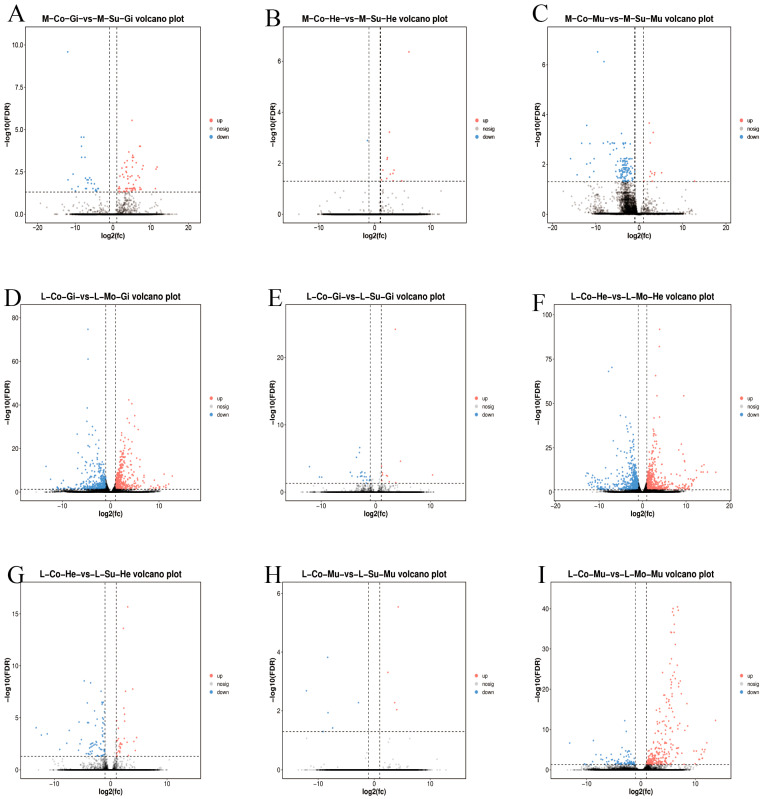 Figure 1
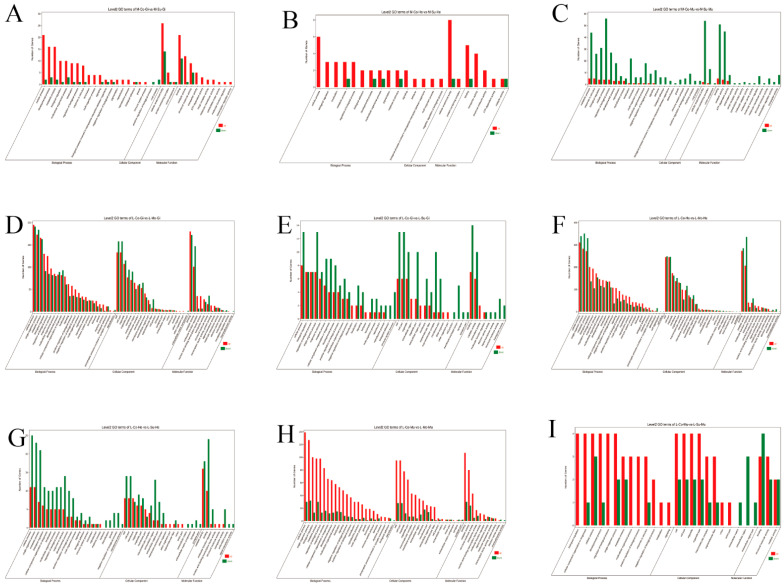 Figure 2
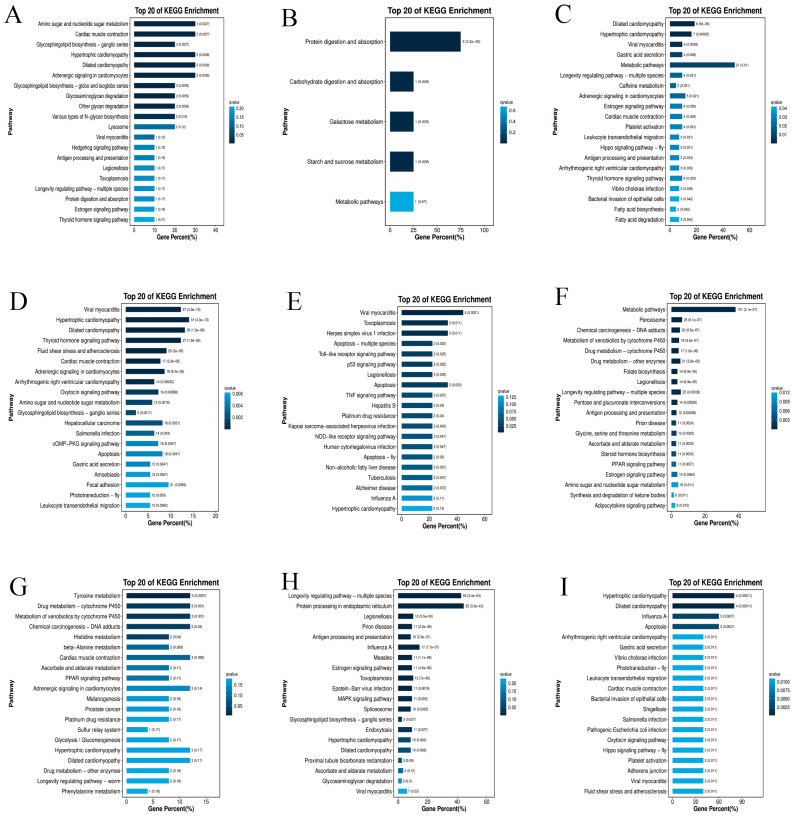 Figure 3
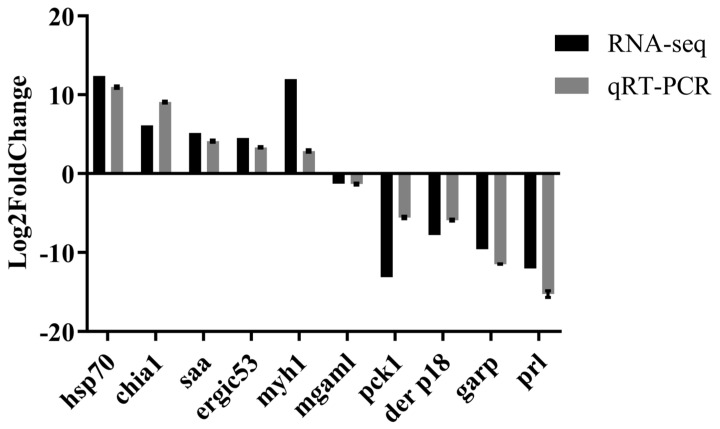 Figure 4
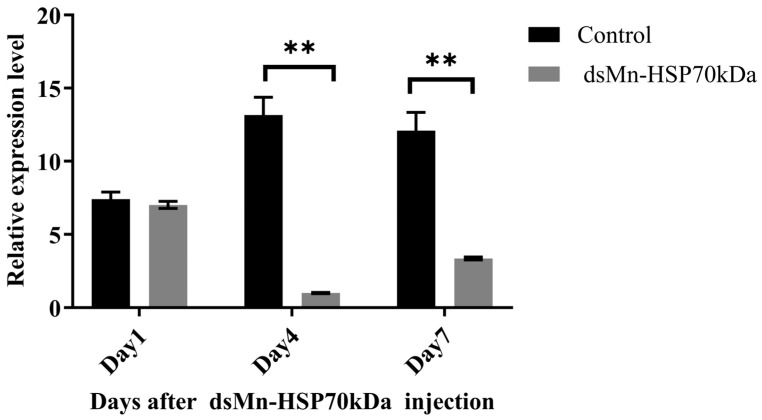 Figure 5
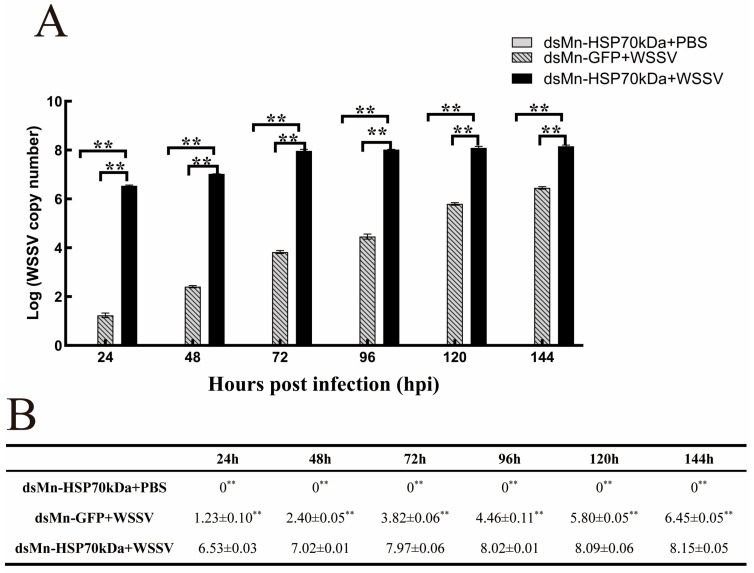 Figure 6
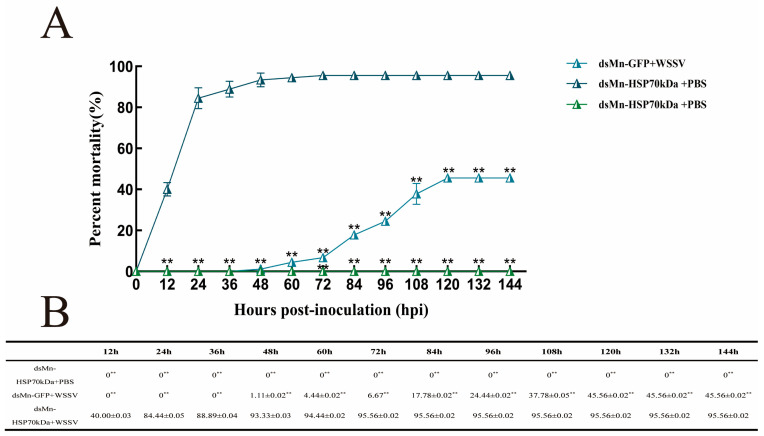 Figure 7
Peer Reviews
No public reviews on file for this paper yet. If you reviewed it on a platform where reviews are public (OpenReview, ICLR, NeurIPS, ICML), you can paste yours below so the community can read it here.
Videos
No videos yet. Explain this paper in a talk, walkthrough, or lecture? Add one.
Taxonomy
TopicsInvertebrate Immune Response Mechanisms · Crustacean biology and ecology · Neurobiology and Insect Physiology Research