Emerging Gel Technologies for Atherosclerosis Research and Intervention
Sen Tong, Jiaxin Chen, Yan Li, Wei Zhao

TL;DR
This paper reviews how gel technologies can improve atherosclerosis treatment by offering better drug delivery and disease modeling.
Contribution
The paper systematically reviews gel-based technologies across multiple scales for atherosclerosis research and intervention.
Findings
Gel-based in vitro models simulate plaque microenvironments and enable study of disease mechanisms under physiological flow.
Macroscopic gels offer localized treatment options with natural polymers showing anti-inflammatory and immunomodulatory properties.
Nano- and microgels enable stimuli-responsive drug release and theranostic applications through integration with imaging agents.
Abstract
Atherosclerosis remains a leading cause of cardiovascular mortality despite advances in pharmacological and interventional therapies. Current treatment approaches face limitations including systemic side effects, inadequate local drug delivery, and restenosis following vascular interventions. Gel-based technologies offer unique advantages through tunable mechanical properties, controlled degradation kinetics, high drug-loading capacity, and potential for stimuli-responsive therapeutic release. This review examines gel platforms across multiple scales and applications in atherosclerosis research and intervention. First, gel-based in vitro models are discussed. These include hydrogel matrices simulating plaque microenvironments, three-dimensional cellular culture platforms, and microfluidic organ-on-chip devices. These devices incorporate physiological flow to investigate disease…
Genes, proteins, chemicals, diseases, species, mutations and cell lines named across the full text — each resolved to its canonical identifier and authoritative record.
Click any figure to enlarge with its caption.
 Figure 1
 Figure 2
 Figure 3
 Figure 4
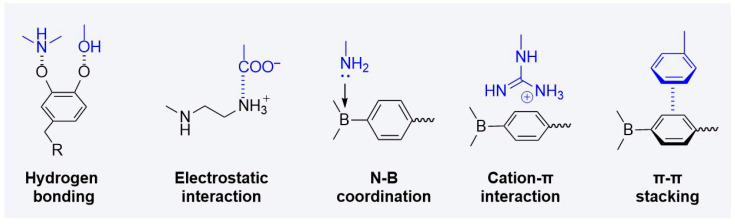 Figure 5
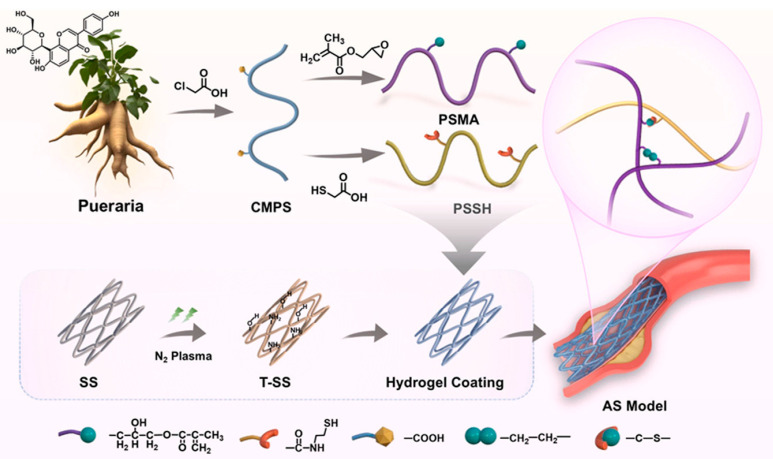 Figure 6
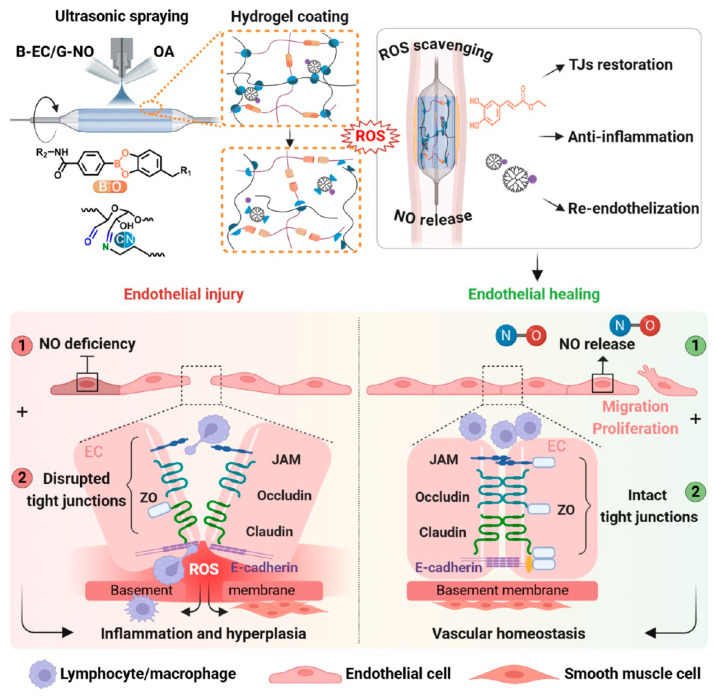 Figure 7
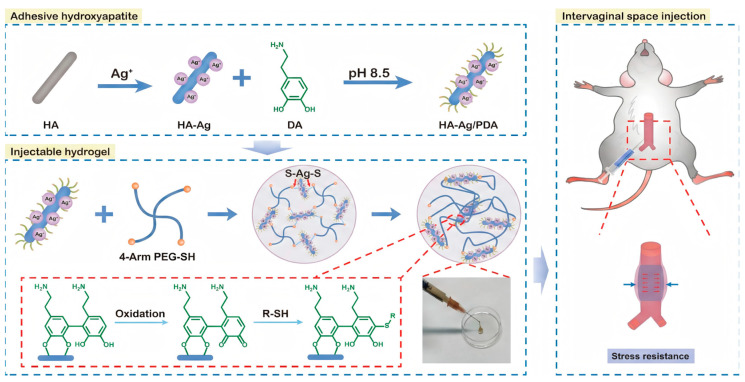 Figure 8
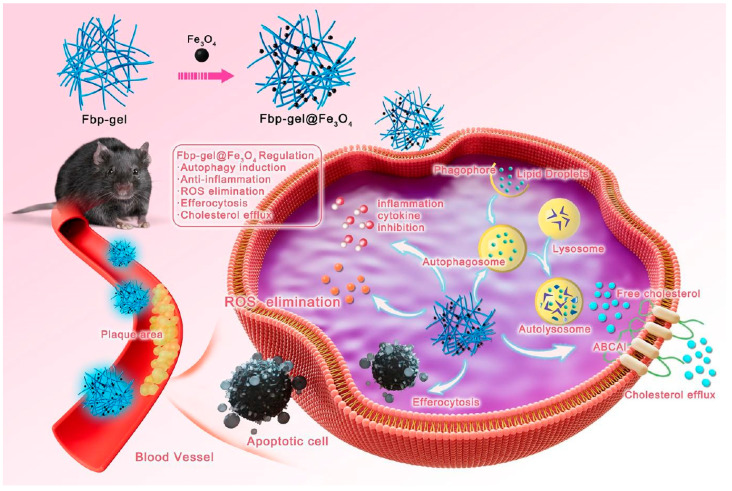 Figure 9
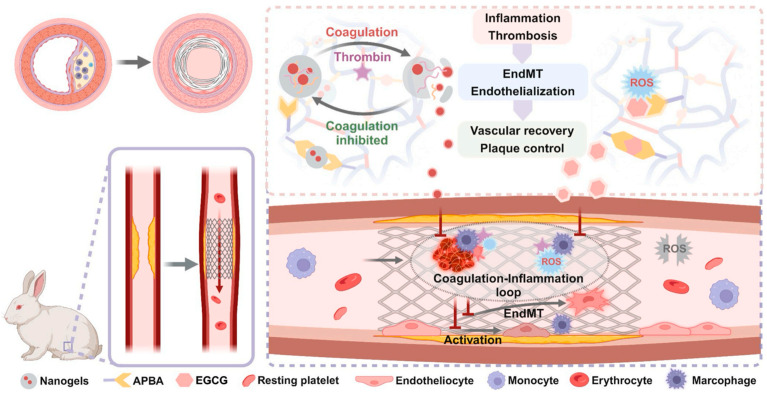 Figure 10
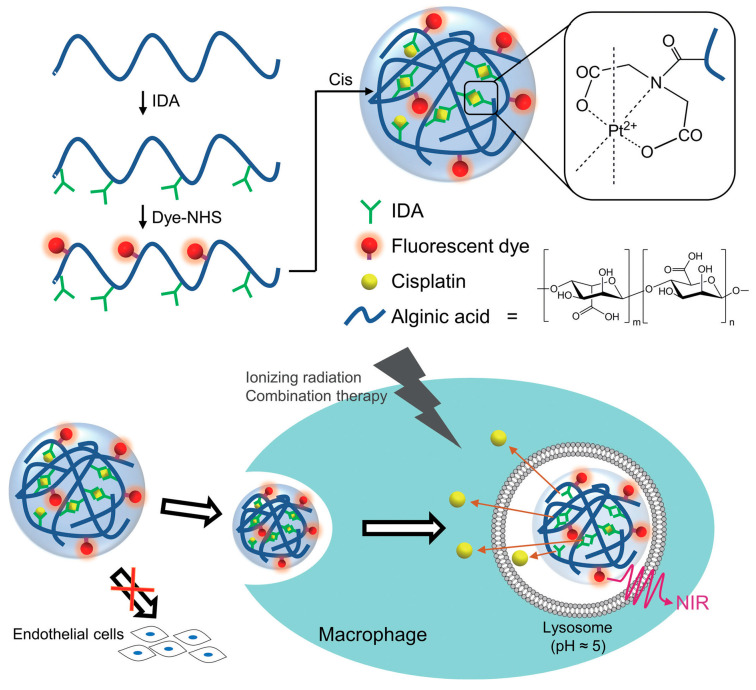 Figure 11
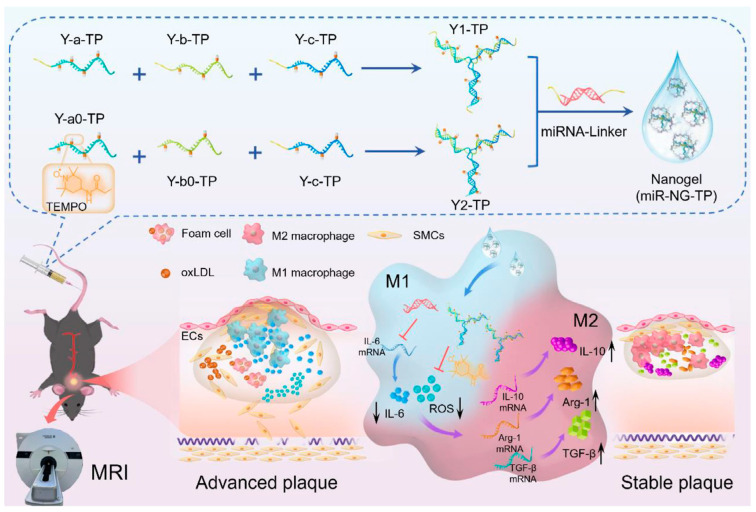 Figure 12
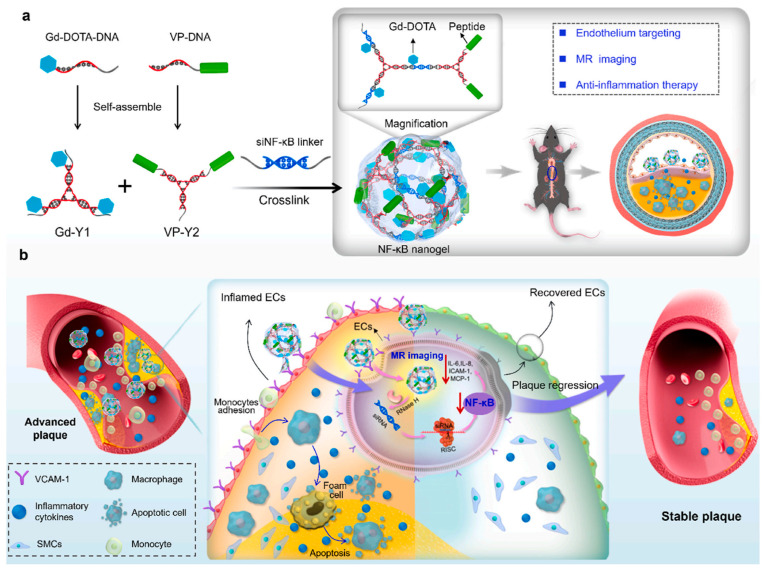 Figure 13
Peer Reviews
No public reviews on file for this paper yet. If you reviewed it on a platform where reviews are public (OpenReview, ICLR, NeurIPS, ICML), you can paste yours below so the community can read it here.
Videos
No videos yet. Explain this paper in a talk, walkthrough, or lecture? Add one.
Taxonomy
Topics3D Printing in Biomedical Research · Hydrogels: synthesis, properties, applications · Coronary Interventions and Diagnostics