Antimicrobial Properties of Analogs of Dimeric A-Type Proanthocyanidins in Food Matrices
Antonio Cobo, Alfonso Alejo-Armijo, Daniel Cruz, Cristina Cuadrado, Elena Ortega-Morente

TL;DR
This study explores how dimeric A-type proanthocyanidin analogs can inhibit foodborne bacteria in different food types, with cherry tomatoes showing the best results.
Contribution
The novel contribution is identifying synergistic antimicrobial effects of proanthocyanidin analogs in food matrices, particularly cherry tomatoes.
Findings
Cherry tomato matrix showed best antimicrobial effects against multiple bacteria.
Synergistic effects observed mainly against Staphylococcus aureus CECT 828.
Lower concentrations of analogs may be possible due to synergistic activity.
Abstract
Polyphenols with antimicrobial and antibiofilm properties are gaining popularity due to their natural origins and relatively safe nature, and they have met the interest of the food industry because of their possible applicability as food preservatives. We have investigated the effect of different analogs of dimeric A-type proanthocyanidins (PACs) on four food matrix models, including unprocessed meat, fish, vegetables and dairy products previously contaminated with susceptible food pathogens. The best effects were achieved when cherry tomato was used as the food matrix for all the target bacteria (Staphylococcus aureus CECT 828, Listeria innocua CECT 910 and Bacillus cereus UJA27q) and for both temperatures tested (6 and 25 °C). Moreover, several combinations of these analogs also showed synergistic effects, mainly on S. aureus CECT 828, which may allow these antimicrobials to be used…
Genes, proteins, chemicals, diseases, species, mutations and cell lines named across the full text — each resolved to its canonical identifier and authoritative record.
Click any figure to enlarge with its caption.
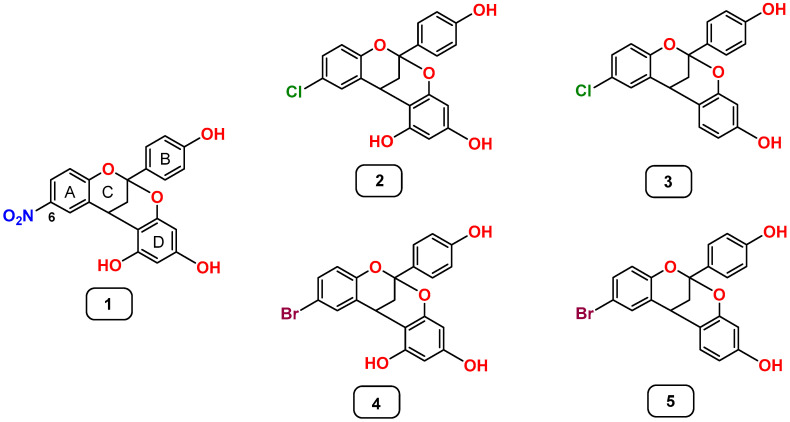 Figure 1
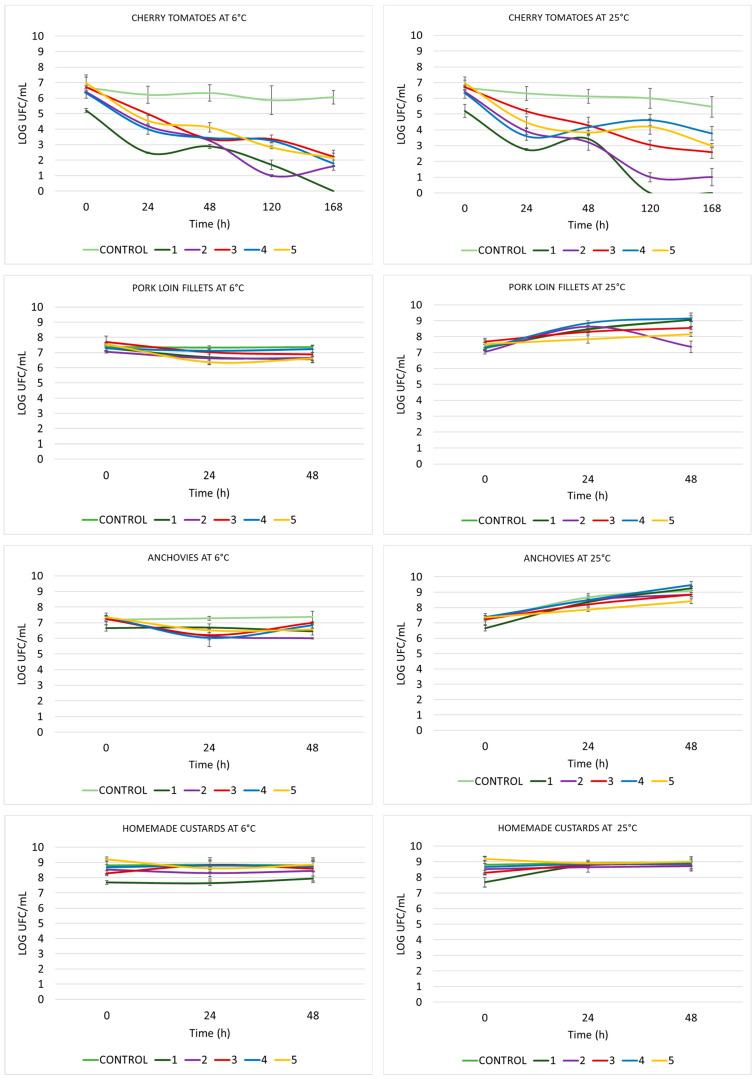 Figure 2
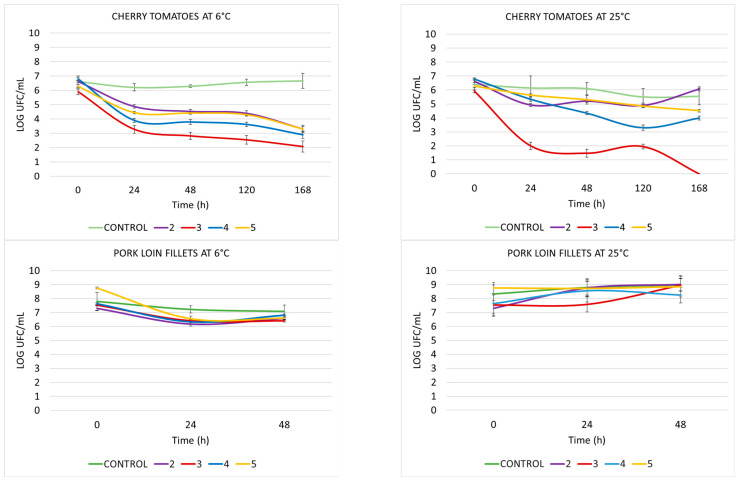 Figure 3
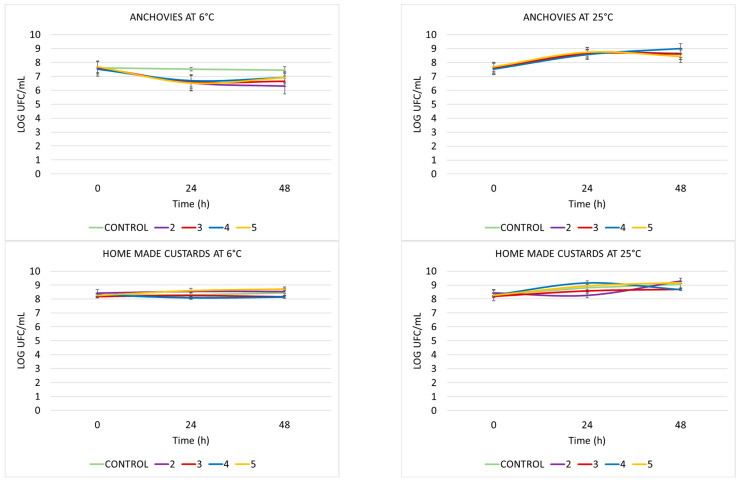 Figure 4
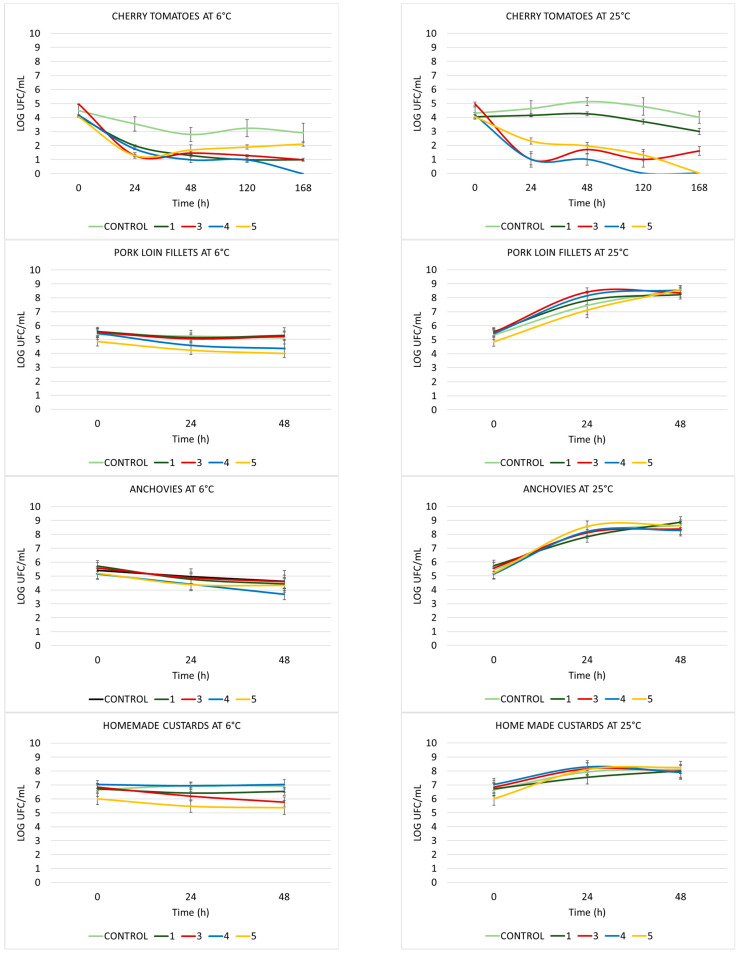 Figure 5
Peer Reviews
No public reviews on file for this paper yet. If you reviewed it on a platform where reviews are public (OpenReview, ICLR, NeurIPS, ICML), you can paste yours below so the community can read it here.
Videos
No videos yet. Explain this paper in a talk, walkthrough, or lecture? Add one.
Taxonomy
TopicsPhytochemicals and Antioxidant Activities · Nanocomposite Films for Food Packaging · Essential Oils and Antimicrobial Activity