In Vitro Hatching of Scylla paramamosain Embryos: Insights from Developmental and Transcriptomic Analyses
Zhiqiang Liu, Qi Gou, Xueyang Wang, Wei Wang, Lingbo Ma, Keyi Ma

TL;DR
This study explores in vitro hatching in Scylla paramamosain crabs, finding optimal temperatures and molecular insights to improve aquaculture practices.
Contribution
The study provides the first comprehensive evidence of in vitro hatching feasibility in S. paramamosain and identifies molecular mechanisms involved.
Findings
Temperature range of 27–30 °C is optimal for embryogenesis and hatching in S. paramamosain.
In vitro embryos show comparable developmental trajectories to maternal hatching, confirming feasibility.
Transcriptomic analysis reveals 3505 differentially expressed genes linked to cell cycle, energy metabolism, and stress response.
Abstract
Scylla paramamosain is a commercially important crab species widely cultured in China. However, artificial breeding remains limited by the high mortality of ovigerous females and asynchronous embryo hatching. In vitro embryo hatching has emerged as a promising alternative, yet its practical feasibility and underlying molecular mechanisms have not been systematically investigated. In this study, we examined the developmental characteristics of S. paramamosain embryos under different temperature regimes and hatching modes, evaluated embryo viability following maternal death, and compared transcriptomic profiles of Zoea I larvae between in vitro and maternal hatching. Our results demonstrated that temperature had a pronounced effect on embryogenesis and survival, with 27–30 °C identified as the optimal range for development and hatching. Both low and high temperature extremes markedly…
Genes, proteins, chemicals, diseases, species, mutations and cell lines named across the full text — each resolved to its canonical identifier and authoritative record.
Click any figure to enlarge with its caption.
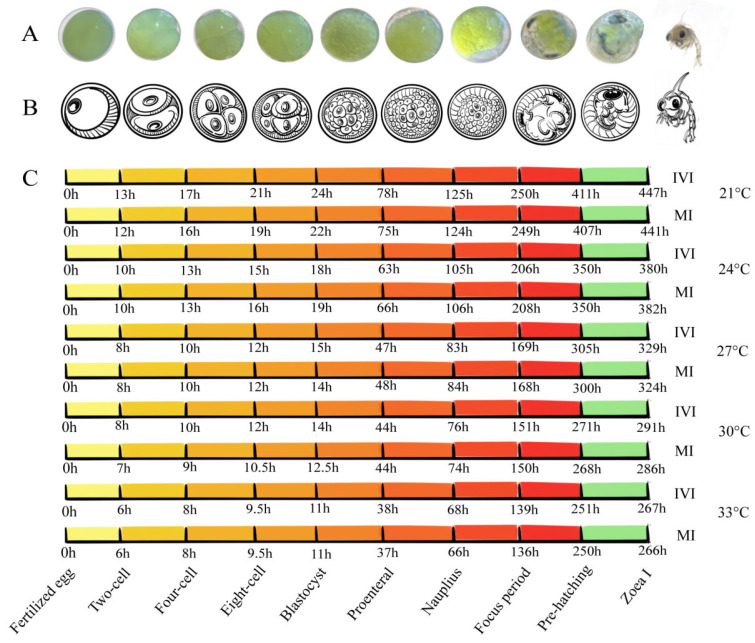 Figure 1
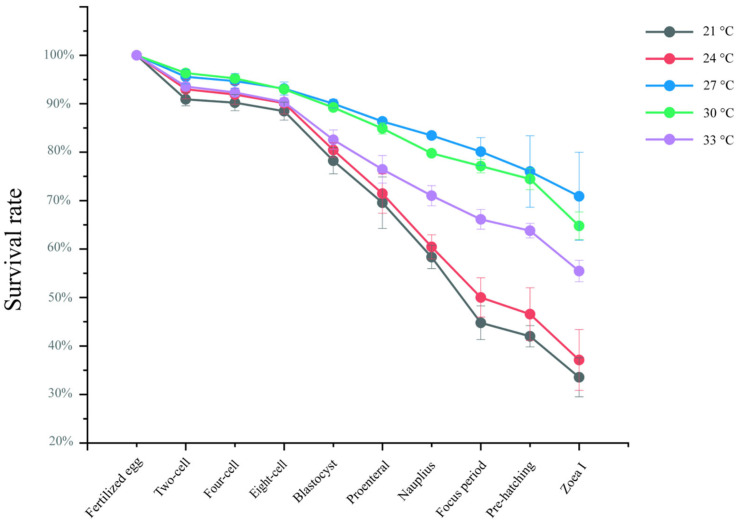 Figure 2
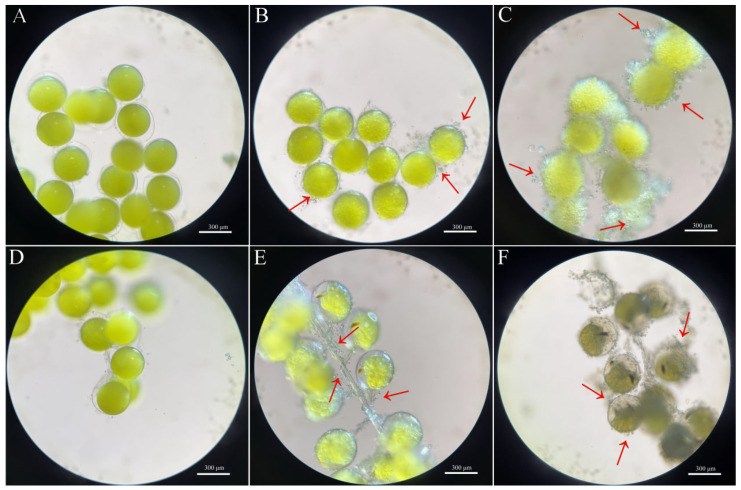 Figure 3
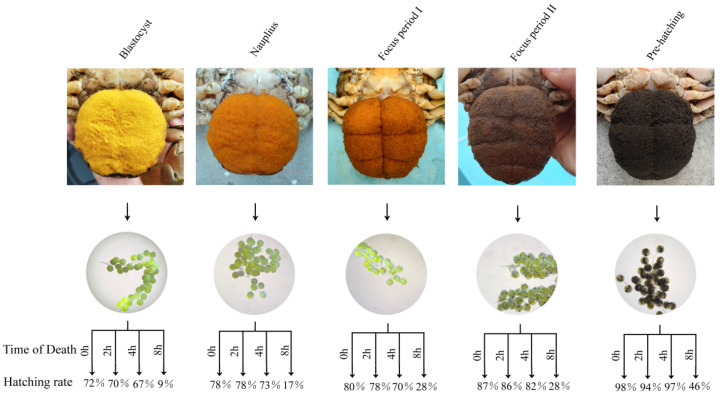 Figure 4
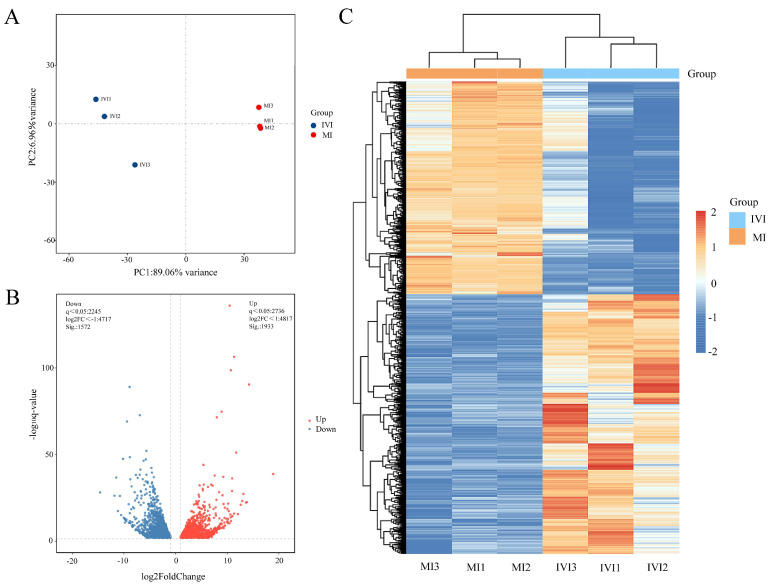 Figure 5
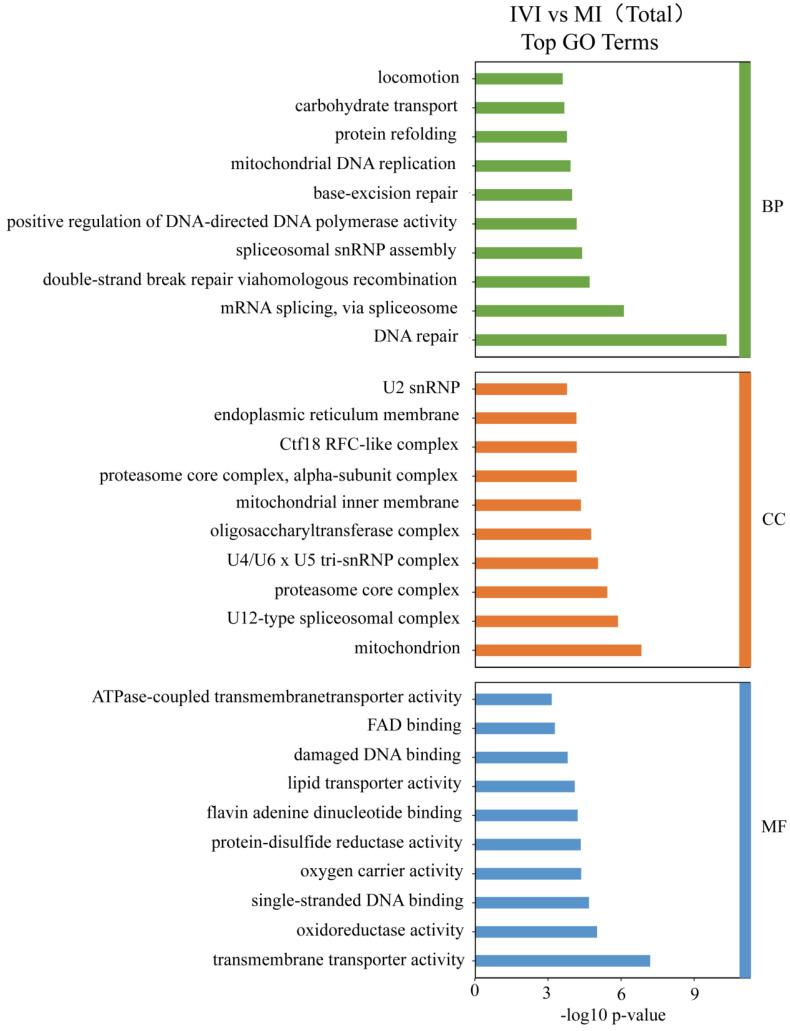 Figure 6
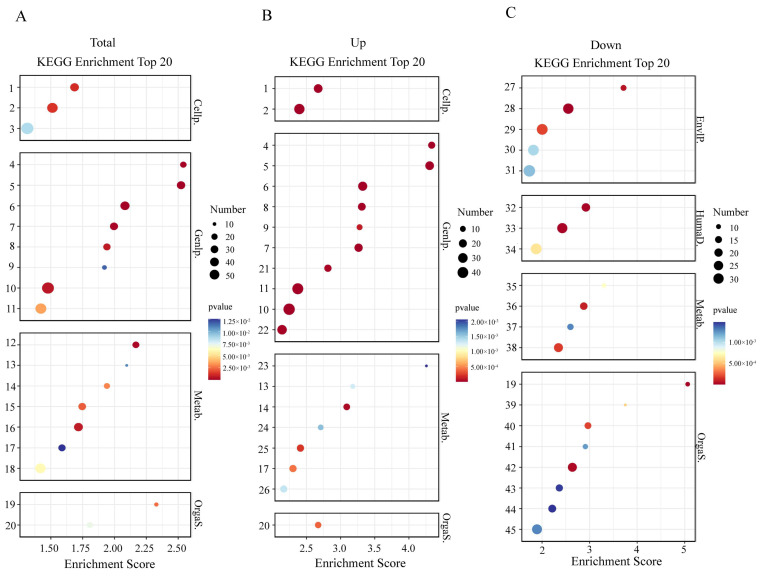 Figure 7
Peer Reviews
No public reviews on file for this paper yet. If you reviewed it on a platform where reviews are public (OpenReview, ICLR, NeurIPS, ICML), you can paste yours below so the community can read it here.
Videos
No videos yet. Explain this paper in a talk, walkthrough, or lecture? Add one.
Taxonomy
TopicsCrustacean biology and ecology · Invertebrate Immune Response Mechanisms · Neurobiology and Insect Physiology Research