A Novel Polyvinyl Alcohol/Salecan Composite Hydrogel Dressing with Tough, Biocompatible, and Antibacterial Properties for Infected Wound Healing
Jiayu Li, Can Li, Qi Zhang, Zhenhao Rao, Qinghuan Meng, Miao Li, Juan Dai, Ke Deng, Pengfei Chen

TL;DR
A new hydrogel dressing made from polyvinyl alcohol and Salecan shows strong mechanical properties, biocompatibility, and antibacterial effects, promoting healing in infected wounds.
Contribution
A novel PVA/Salecan composite hydrogel with enhanced mechanical strength, antibacterial activity, and wound healing promotion for infected wounds.
Findings
The hydrogel exhibited a tensile strength of 0.31 MPa, elongation at break of 158.9%, and toughness of 31.16 J·m−2.
It inhibited 80.1% of Escherichia coli and 99.5% of Staphylococcus aureus in co-culture experiments.
In vivo studies showed nearly complete healing of infected wounds within 12 days and upregulated CD31 expression for neovascularization.
Abstract
Polysaccharide-based wound dressings face challenges in mechanical properties and effective wound repair for infected wound surfaces. This study presents a novel polyvinyl alcohol (PVA)/Salecan (Sal) composite hydrogel dressing with high toughness, biocompatibility, and wound healing capabilities, developed using an interpenetrating polymer network strategy. The primary network was formed through electrostatic interactions between polydopamine (PDA) and biocompatible polysaccharide Salecan, followed by incorporation of AgNO3, which was in situ reduced to silver nanoparticles within the hydrogel. PVA was introduced as a secondary matrix, further reinforcing the hydrogel network through cyclic freeze–thawing. The resulting hydrogel exhibited a tensile strength of 0.31 MPa, an elongation at break of 158.9%, and a toughness of 31.16 J·m−2, demonstrating enhanced mechanical performance…
Genes, proteins, chemicals, diseases, species, mutations and cell lines named across the full text — each resolved to its canonical identifier and authoritative record.
Click any figure to enlarge with its caption.
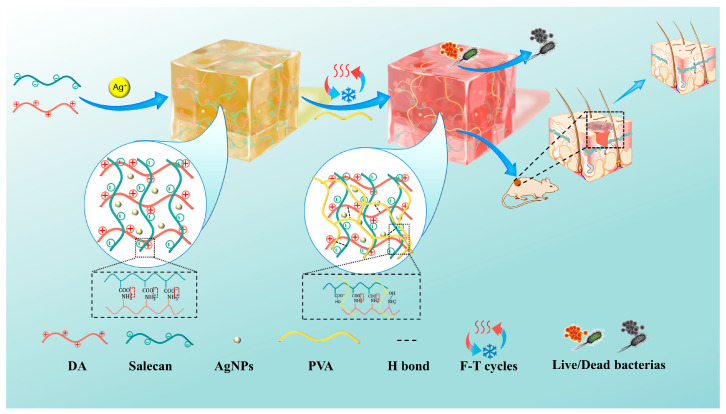 Figure 1
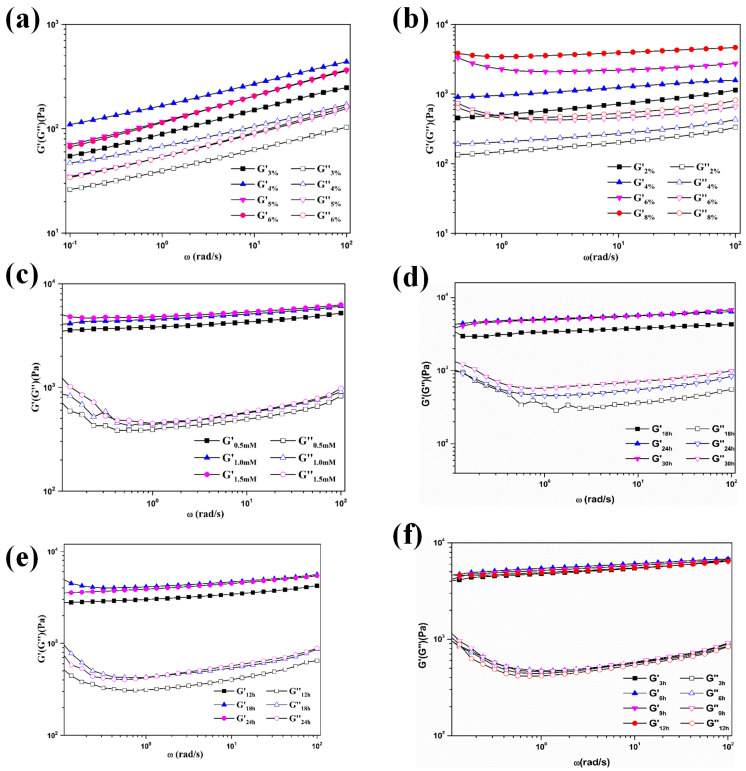 Figure 2
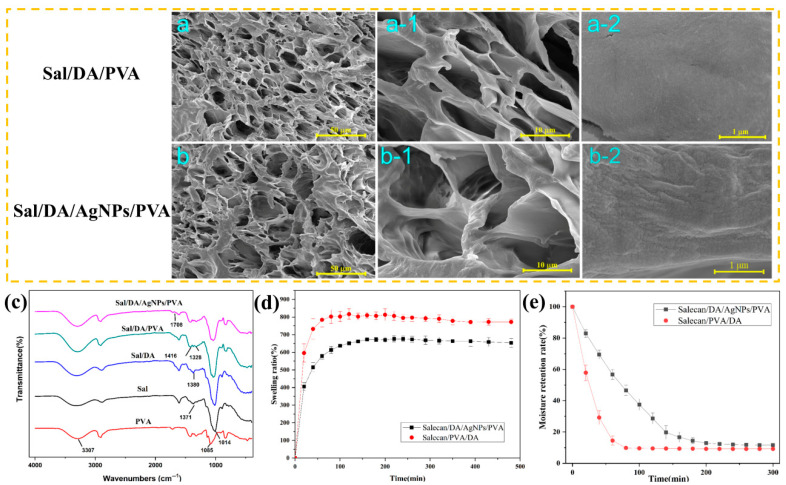 Figure 3
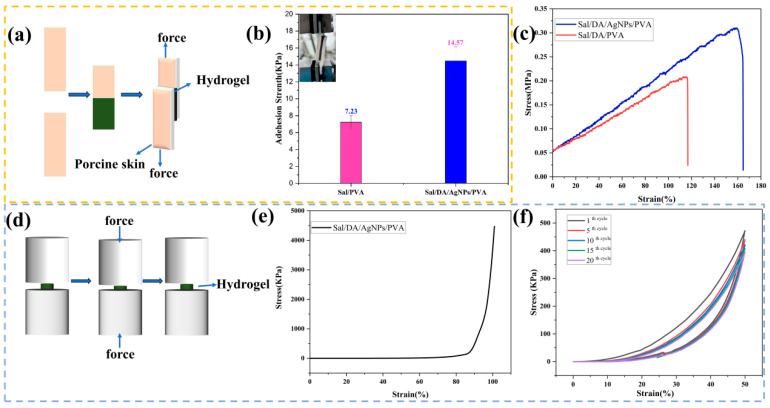 Figure 4
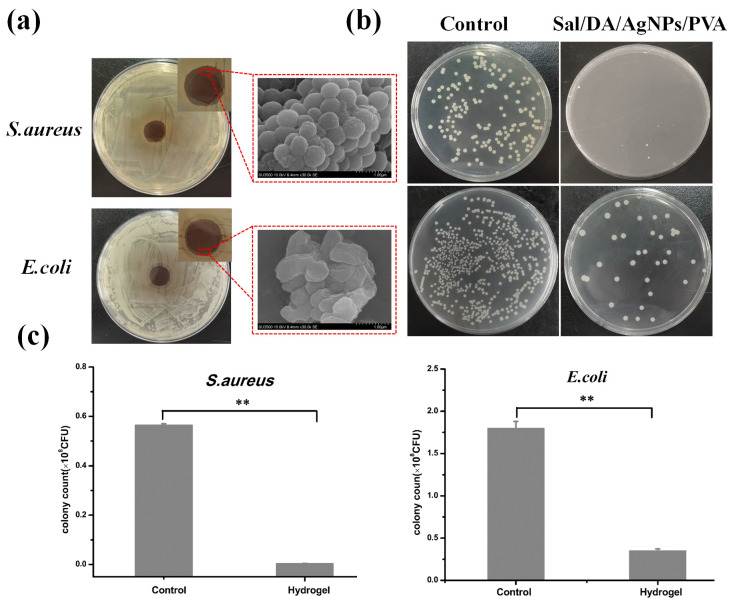 Figure 5
 Figure 6
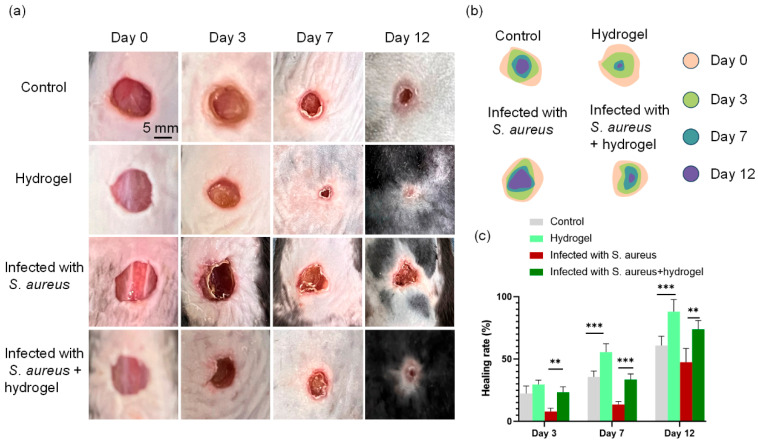 Figure 7
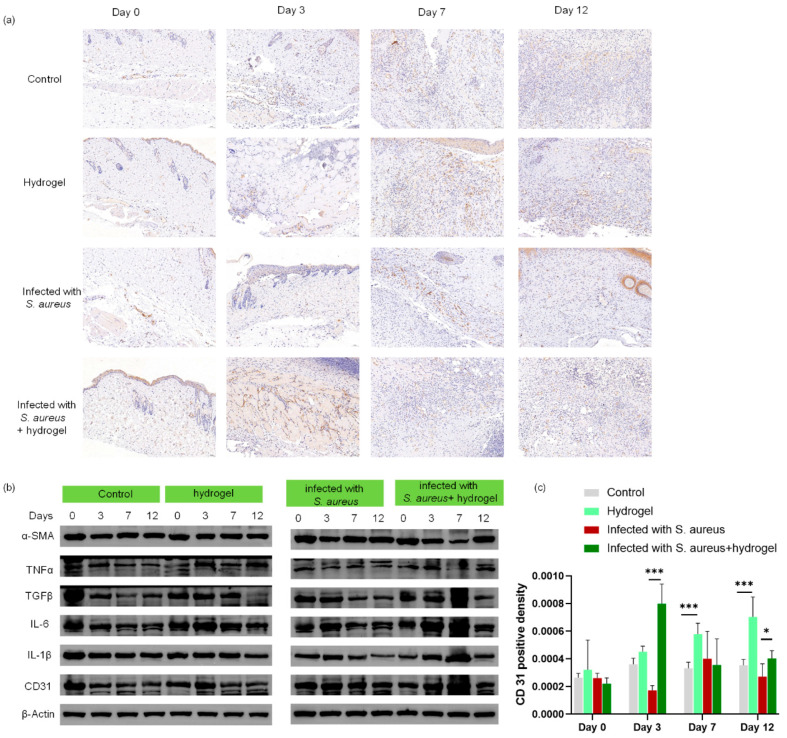 Figure 8
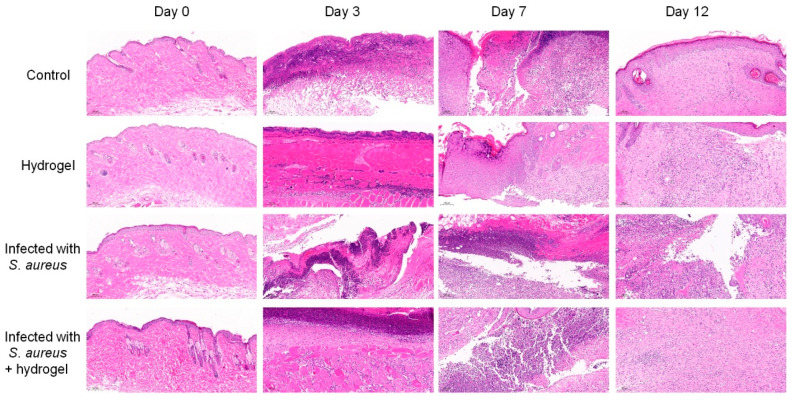 Figure 9
Peer Reviews
No public reviews on file for this paper yet. If you reviewed it on a platform where reviews are public (OpenReview, ICLR, NeurIPS, ICML), you can paste yours below so the community can read it here.
Videos
No videos yet. Explain this paper in a talk, walkthrough, or lecture? Add one.
Taxonomy
TopicsWound Healing and Treatments · Surgical Sutures and Adhesives · Hydrogels: synthesis, properties, applications