Nanopore Sequencing Technology Reveals the Transcriptional Expression Characteristics of Male Pig’s Testes Before and After Sexual Maturity
Yiting Yang, Siyu Chen, Ziling Hao, Taizeng Zhou, Songquan Guan, Ya Tan, Yan Wang, Xiaofeng Zhou, Lei Chen, Ye Zhao, Linyuan Shen, Li Zhu, Mailin Gan

TL;DR
This study uses nanopore sequencing to explore how gene expression changes in pig testes before and after sexual maturity, revealing key regulatory networks involved in reproduction.
Contribution
The study provides a comprehensive analysis of full-length transcripts and non-coding RNAs in porcine testes during sexual maturation using long-read sequencing.
Findings
11,060 mRNAs, 15,338 transcripts, 688 lncRNAs, and 19 circRNAs were differentially expressed between pre- and post-sexual maturity testes.
Differential RNAs were linked to spermatogenesis, metabolic pathways, and Wnt/MAPK signaling, with core genes like PRM1 and ODF2 showing synergistic expression.
DELs and DEcircRNAs were associated with steroid biosynthesis and spermatogenesis, offering potential molecular markers for reproductive efficiency.
Abstract
Background: Testicular development and spermatogenesis are intricate biological processes controlled by a coordinated transcriptional network. However, comprehensive characterization of full-length transcripts and non-coding RNAs (ncRNAs) during porcine testicular sexual maturation remains limited. Methods: This study systematically profiled the transcriptional landscape of pig testes prior to (pre-sexual maturity, PSM) and following (post-sexual maturity, SM) sexual maturity using Oxford Nanopore Technologies (ONT) long-read sequencing. Results: There were 11,060 differentially expressed mRNAs (DEGs), 15,338 differentially expressed transcripts (DETs), 688 differentially expressed lncRNAs (DELs), and 19 differentially expressed circRNAs (DEcircRNAs) between PSM and SM groups among the 9941 mRNAs, 15,339 transcripts, 4136 lncRNAs (58.58% being LincRNAs). These differential RNAs…
Genes, proteins, chemicals, diseases, species, mutations and cell lines named across the full text — each resolved to its canonical identifier and authoritative record.
Click any figure to enlarge with its caption.
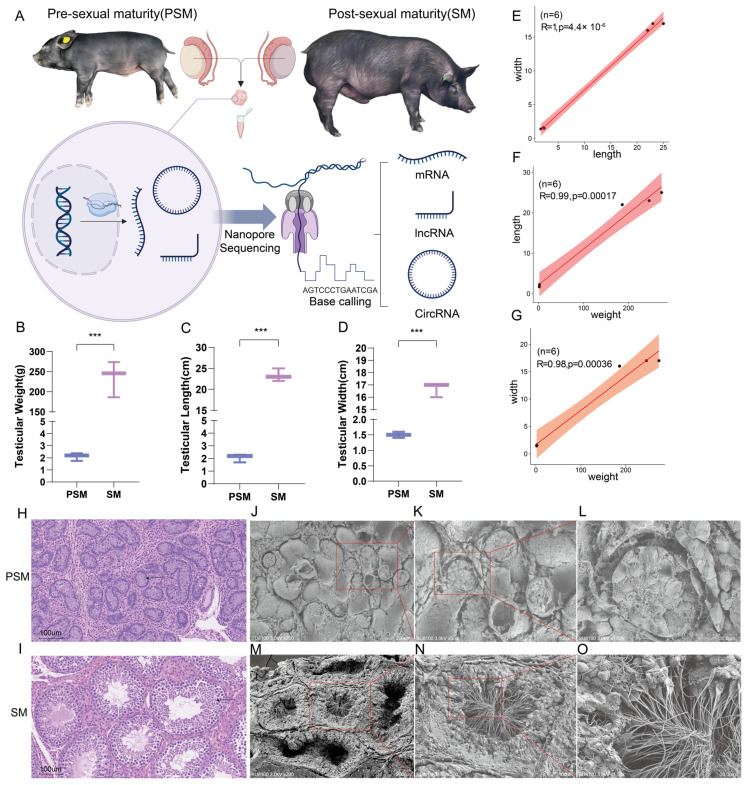 Figure 1
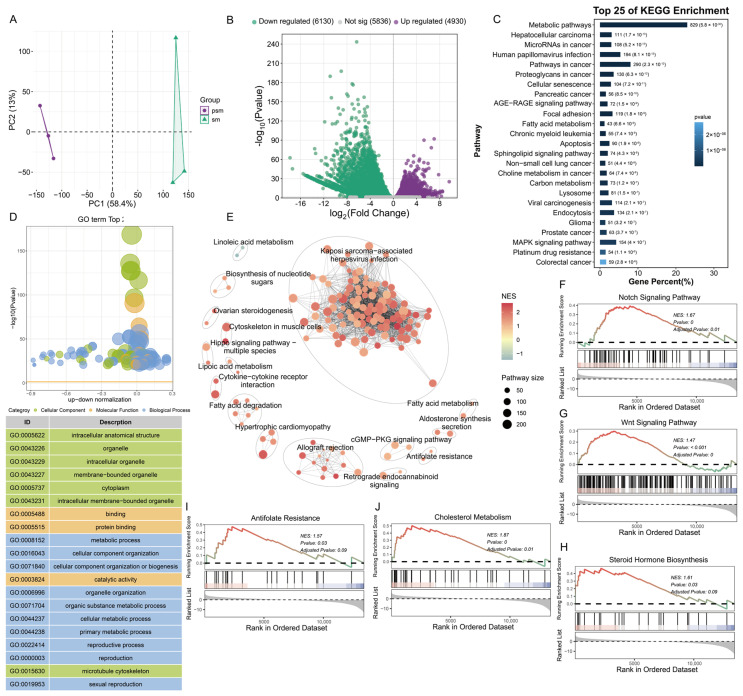 Figure 2
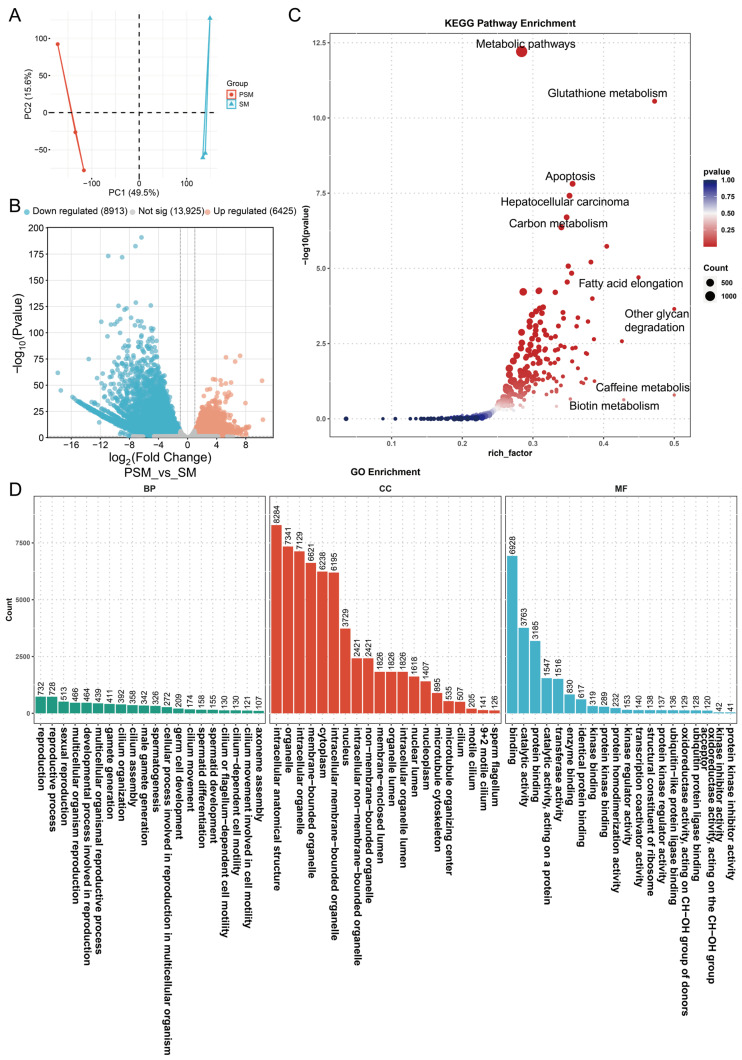 Figure 3
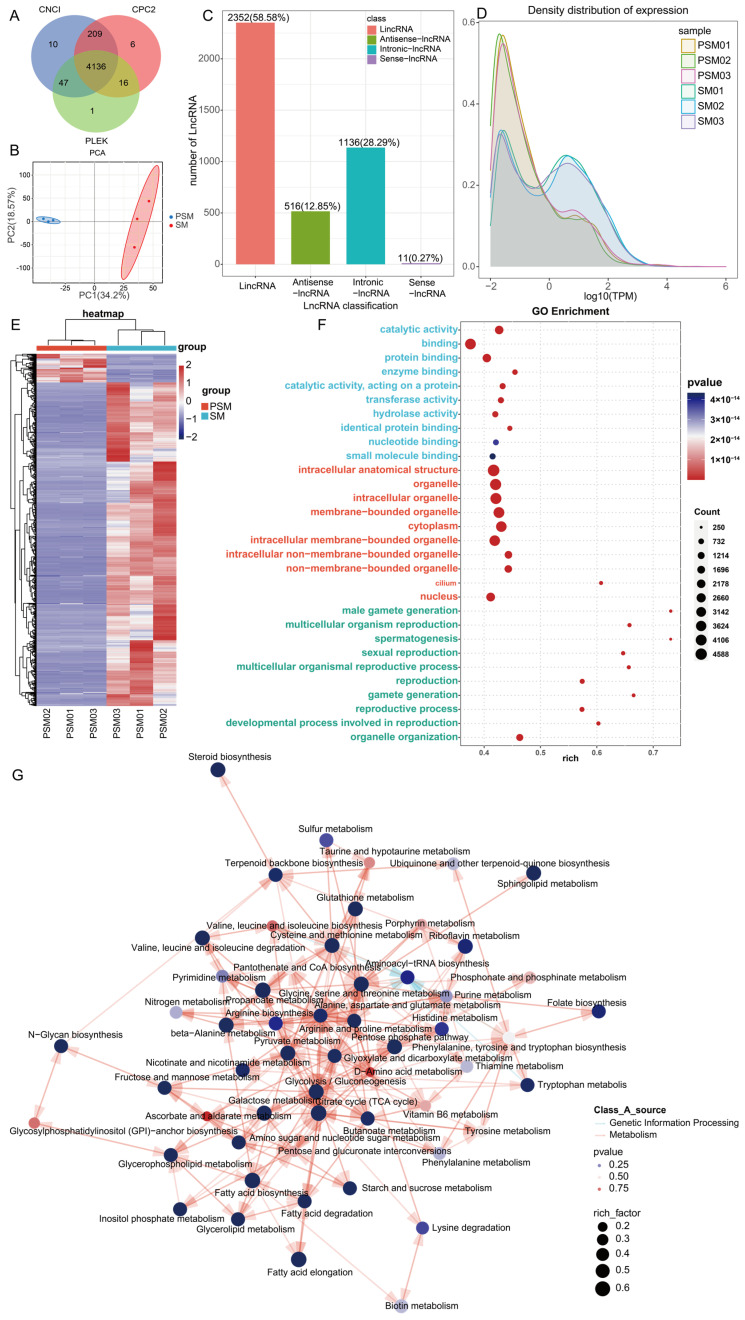 Figure 4
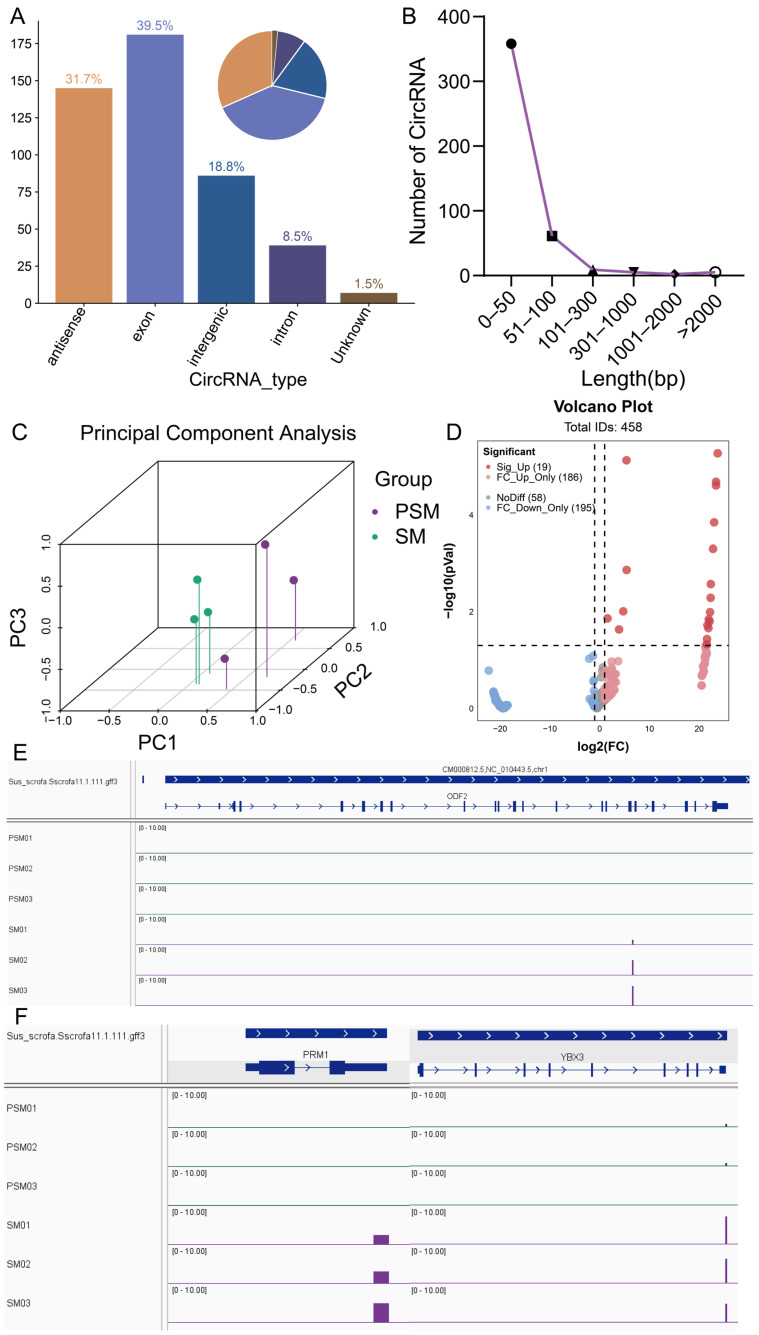 Figure 5
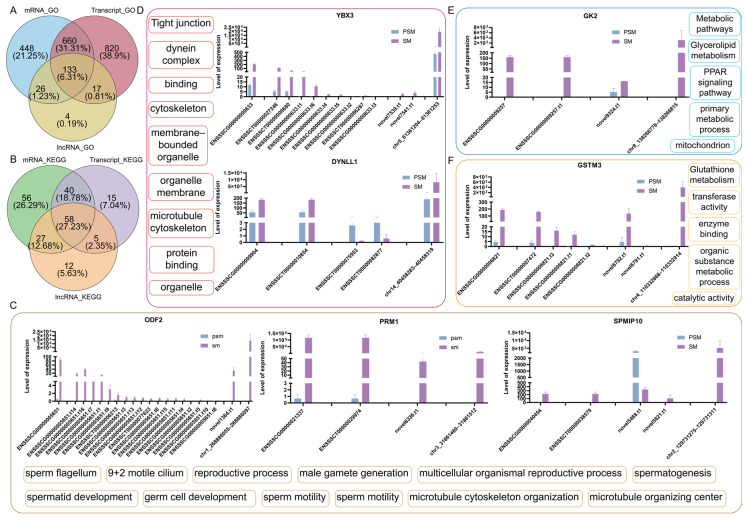 Figure 6
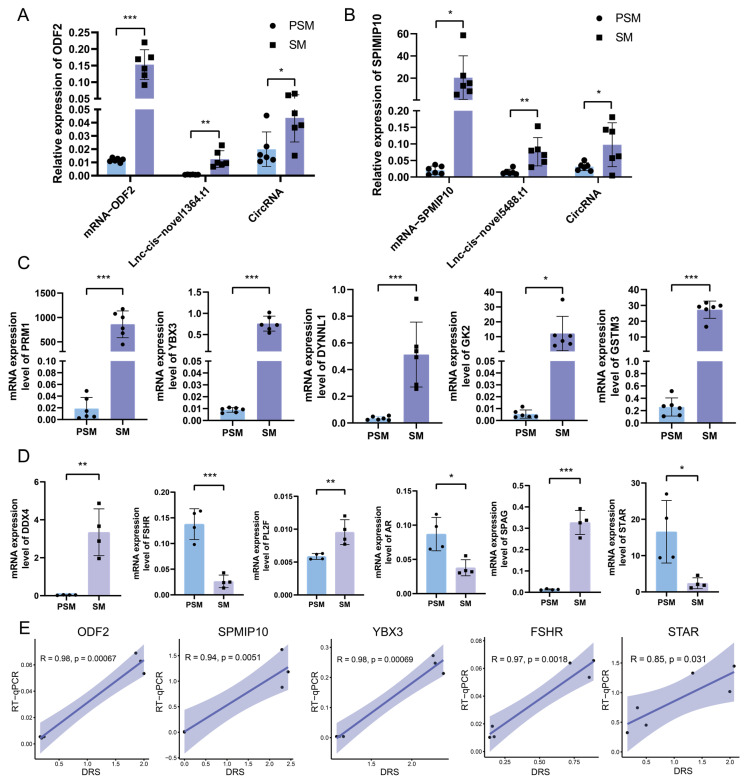 Figure 7
Peer Reviews
No public reviews on file for this paper yet. If you reviewed it on a platform where reviews are public (OpenReview, ICLR, NeurIPS, ICML), you can paste yours below so the community can read it here.
Videos
No videos yet. Explain this paper in a talk, walkthrough, or lecture? Add one.
Taxonomy
TopicsSperm and Testicular Function · Genetic and Clinical Aspects of Sex Determination and Chromosomal Abnormalities · Testicular diseases and treatments