22q11.2 Deletion Syndrome in Offspring Conceived via Assisted Reproductive Technology Versus Spontaneously
Jennifer Borowka, Terrence Blaine Crowley, Ashika Mani, Victoria Guinta, Daniel E. McGinn, Bekah Wang, Audrey Green, Lydia Rockart, Oanh Tran, Beverly S. Emanuel, Elaine H. Zackai, Lorraine Dugoff, Kathleen Valverde, Donna M. McDonald-McGinn

TL;DR
This study compares the occurrence and outcomes of 22q11.2 deletion syndrome in children conceived through assisted reproductive technology versus natural conception.
Contribution
The study provides evidence that assisted reproductive technology does not increase the risk of 22q11.2 deletions or affect perinatal outcomes.
Findings
The prevalence of ART conceptions in 22q11.2DS patients was not significantly different from the general population.
Neonates conceived via ART were more likely to be admitted to the ICU, but other perinatal outcomes were similar.
There is no significant relationship between ART and meiotic non-allelic homologous recombination leading to 22q11.2 deletions.
Abstract
Background/Objectives: The majority of chromosome 22q11.2 deletions are de novo, resulting from meiotic non-allelic homologous recombination (NAHR). While 22q11.2 deletion syndrome (22q11.2DS)-associated phenotypes are well characterized, risk factors leading to NAHR are poorly understood, including the possible relationship with assisted reproductive technology (ART). Here we examined the prevalence of ART conceptions and medical comorbidities in patients with 22q11.2DS vs. spontaneously conceived (SC) patients with 22q11.2DS. Methods: Retrospective analysis, under IRB approval, of medical records on 1184 patients with laboratory-confirmed de novo chromosome 22q11.2 deletions was performed. ART conceptions included IVF with and without ICSI. Deletion size and obstetric, family, and medical histories were examined. Results: We identified 30 pregnancies conceived using ART (2.57%)…
Genes, proteins, chemicals, diseases, species, mutations and cell lines named across the full text — each resolved to its canonical identifier and authoritative record.
Click any figure to enlarge with its caption.
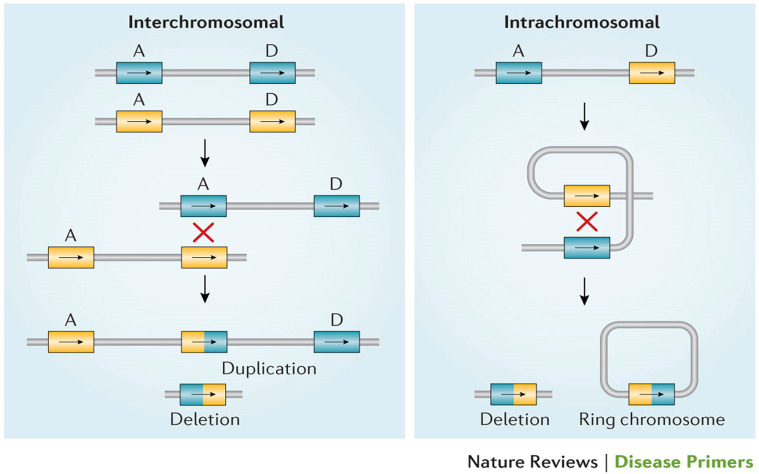 Figure 1
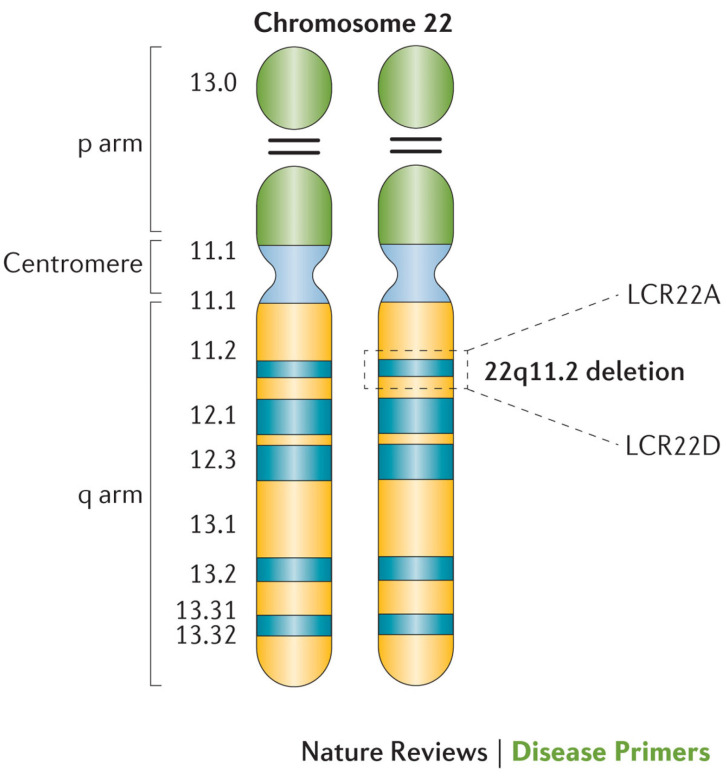 Figure 2
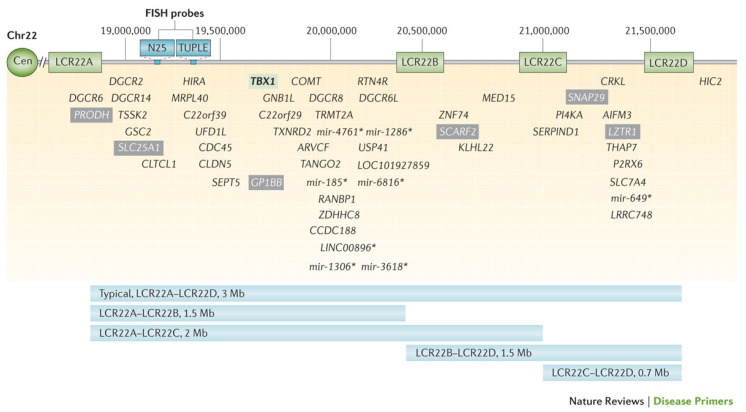 Figure 3
Peer Reviews
No public reviews on file for this paper yet. If you reviewed it on a platform where reviews are public (OpenReview, ICLR, NeurIPS, ICML), you can paste yours below so the community can read it here.
Videos
No videos yet. Explain this paper in a talk, walkthrough, or lecture? Add one.
Taxonomy
TopicsCongenital heart defects research · Prenatal Screening and Diagnostics · Assisted Reproductive Technology and Twin Pregnancy