The Role of Astaxanthin as an Antioxidant and Anti-Inflammatory Agent in Human Health: A Systematic Review
Giuseppina Malcangi, Angelo Michele Inchingolo, Lucia Casamassima, Irma Trilli, Laura Ferrante, Marialuisa Longo, Francesco Inchingolo, Grazia Marinelli, Andrea Palermo, Gianna Dipalma, Alessio Danilo Inchingolo

TL;DR
This review summarizes how astaxanthin reduces inflammation and oxidative stress in humans, showing potential benefits for metabolic, reproductive, and cardiovascular health.
Contribution
The study systematically reviews recent human trials to highlight astaxanthin's antioxidant and anti-inflammatory effects across multiple health domains.
Findings
Astaxanthin reduced pro-inflammatory cytokines and oxidative stress while boosting antioxidant capacity in human studies.
Combined astaxanthin and exercise improved body composition, lipid profiles, and insulin sensitivity.
In women with PCOS or endometriosis, astaxanthin improved oocyte and embryo quality by downregulating stress-related pathways.
Abstract
This systematic review aimed to summarize the effects of astaxanthin (ASX) supplementation on oxidative stress, inflammation, and metabolic regulation in human studies. A systematic search was conducted in Scopus, Web of Science (WOS), and PubMed for articles published between 2020 and 2025. Fifteen studies involving human participants were included, while in vitro and animal studies were excluded. ASX consistently reduced pro-inflammatory cytokines (IL-6, TNF-α, TGF-β1) and oxidative stress indices while increasing antioxidant capacity (SOD, TAC). Combined ASX and exercise interventions improved body composition, lipid profiles, insulin sensitivity, and immune recovery. In women with Polycystic Ovary Syndrome (PCOS) or endometriosis, ASX downregulated endoplasmic reticulum stress–related apoptotic pathways and improved oocyte and embryo quality. Cardiometabolic and respiratory outcomes…
Genes, proteins, chemicals, diseases, species, mutations and cell lines named across the full text — each resolved to its canonical identifier and authoritative record.
Click any figure to enlarge with its caption.
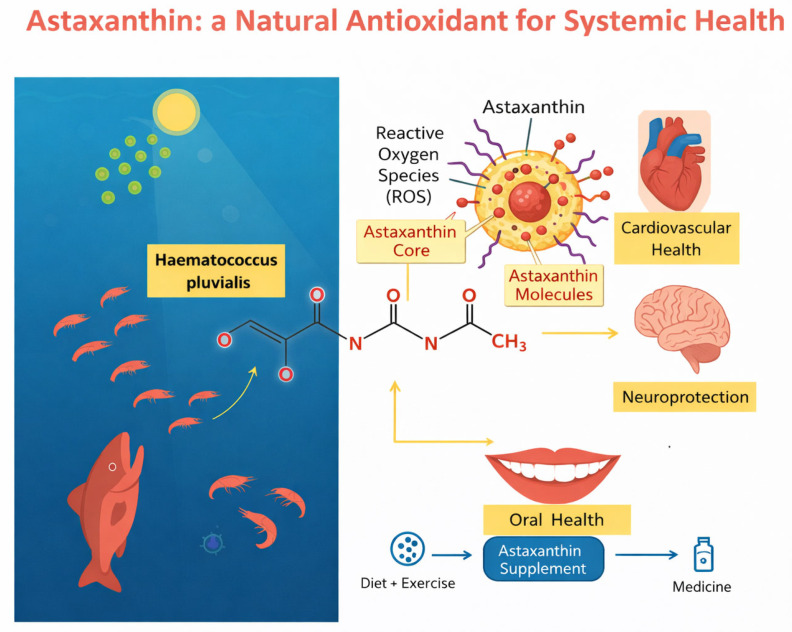 Figure 1
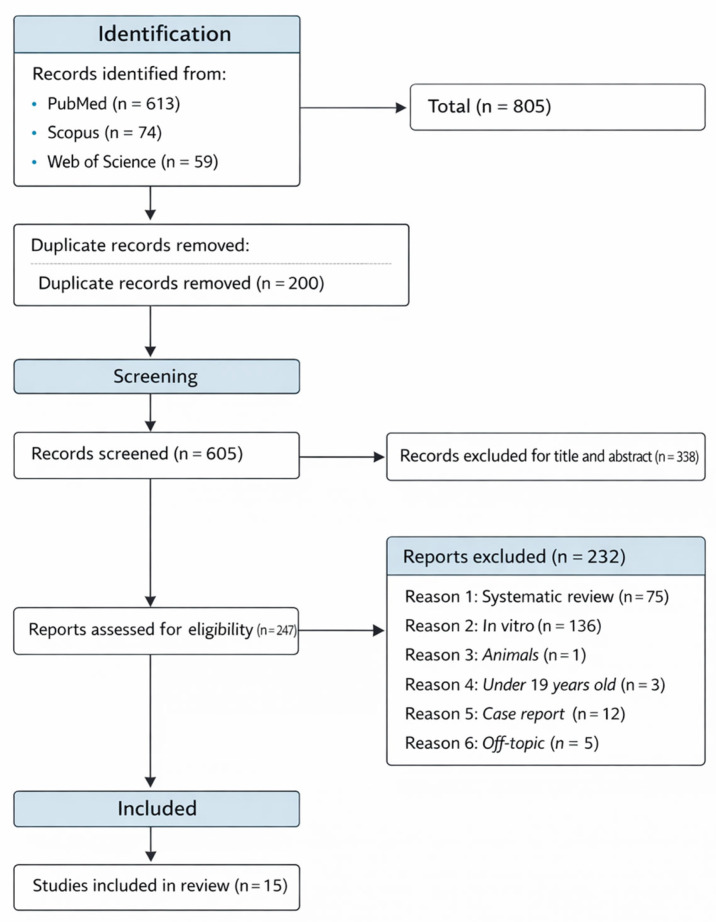 Figure 2
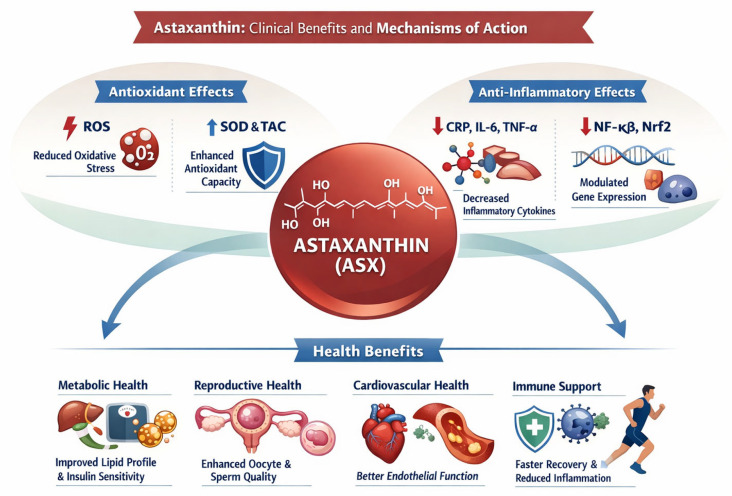 Figure 3
 Figure 4
 Figure 5
 Figure 6
Peer Reviews
No public reviews on file for this paper yet. If you reviewed it on a platform where reviews are public (OpenReview, ICLR, NeurIPS, ICML), you can paste yours below so the community can read it here.
Videos
No videos yet. Explain this paper in a talk, walkthrough, or lecture? Add one.
Taxonomy
TopicsAntioxidant Activity and Oxidative Stress · Thyroid Disorders and Treatments · Vitamin C and Antioxidants Research