Alginate-Based Beads Containing Artemisia absinthium L. Extract as Innovative Ingredients for Baked Products
Alessandro Candiani, Giada Diana, Vincenzo Disca, Yassine Jaouhari, Margherita Stampini, Stefano Salamone, Federica Pollastro, Jessica Baima, Flavia Prodam, Sabrina Tini, Marta Bertolino, Lorella Giovannelli, Lorena Segale, Jean Daniel Coïsson, Marco Arlorio

TL;DR
Researchers developed a method to mask the bitter taste of Artemisia absinthium extract in baked goods using microencapsulation, resulting in biscuits with preserved health benefits.
Contribution
A novel microencapsulation technique using ionotropic gelation effectively preserves bioactive compounds while masking bitterness in baked products.
Findings
Ionotropic gelation produced microparticles with desirable particle size and flowability for biscuit incorporation.
Biscuits retained significant total phenolic content and antioxidant activity after microencapsulation.
Biscuits with microencapsulated extract were comparable to controls in consumer acceptance.
Abstract
Artemisia absinthium L. is a medicinal plant well known for the bitterness of its sesquiterpenoids. To mask its intense taste while preserving these active compounds, an ethanolic extract (AAE) was prepared, and two microencapsulation techniques (spray drying and ionotropic gelation) were investigated under different process conditions. The best-performing formulation was selected for larger-scale production and a characterisation of the microparticles (MPs) was carried out. MPs were then incorporated into baked products (biscuits), which were subsequently characterised for proximate composition, total phenolic content (TPC) and antioxidant activity (AA). Bitter compounds were quantified through HPLC-DAD. A panel test was conducted on 50 volunteers, which compiled a satisfactory questionnaire. Ionotropic gelation proved to be the most suitable technique for producing AAE alginate-based…
Genes, proteins, chemicals, diseases, species, mutations and cell lines named across the full text — each resolved to its canonical identifier and authoritative record.
Click any figure to enlarge with its caption.
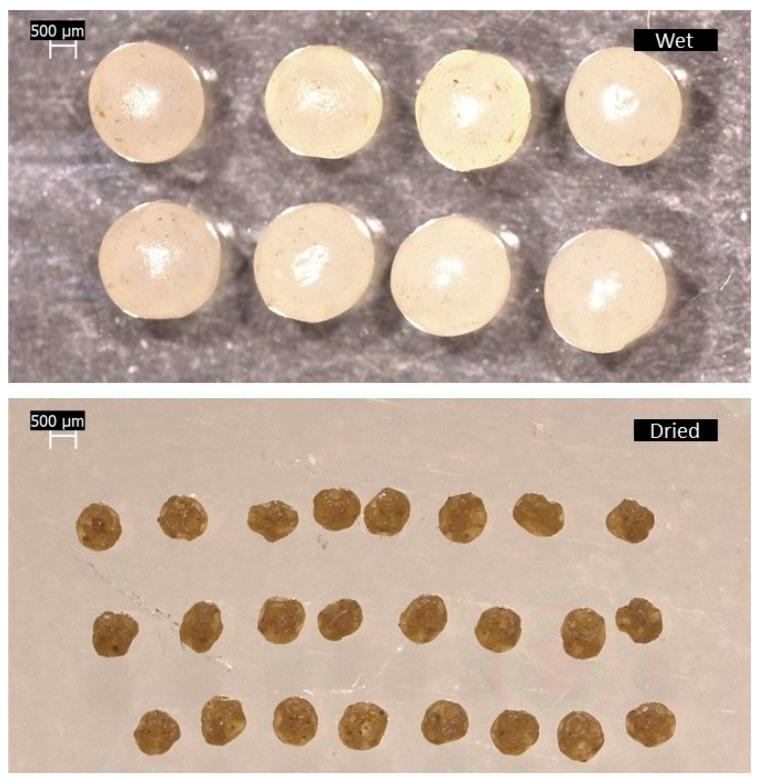 Figure 1
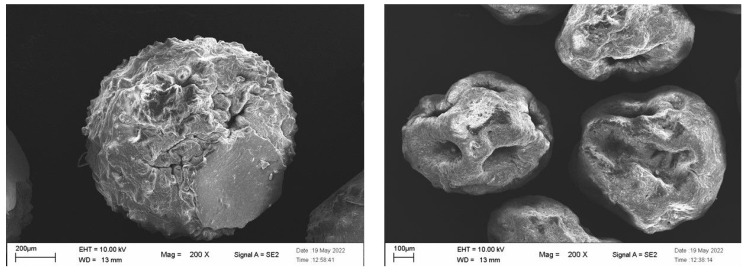 Figure 2
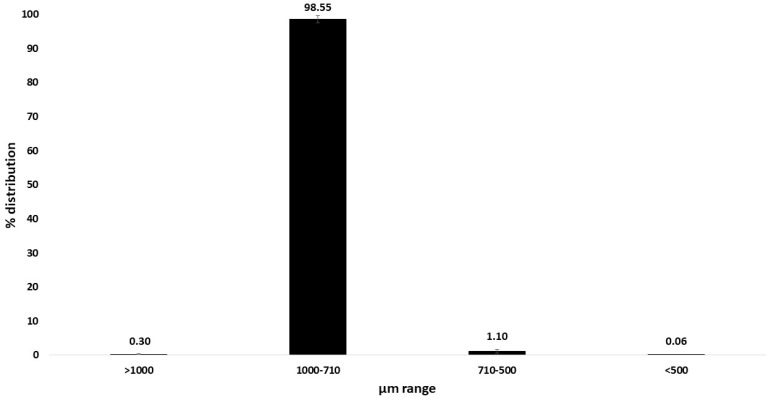 Figure 3
 Figure 4
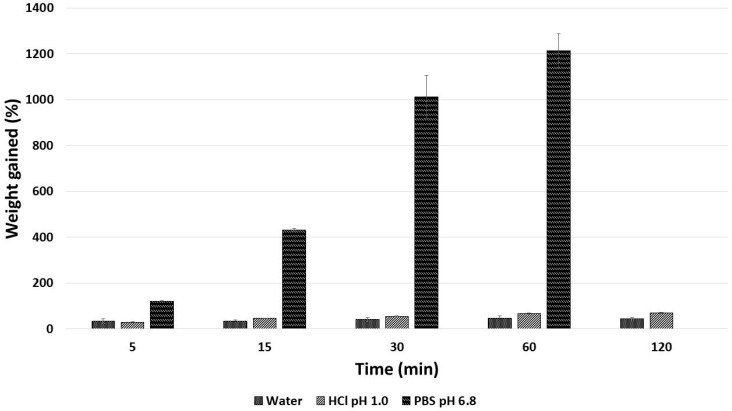 Figure 5
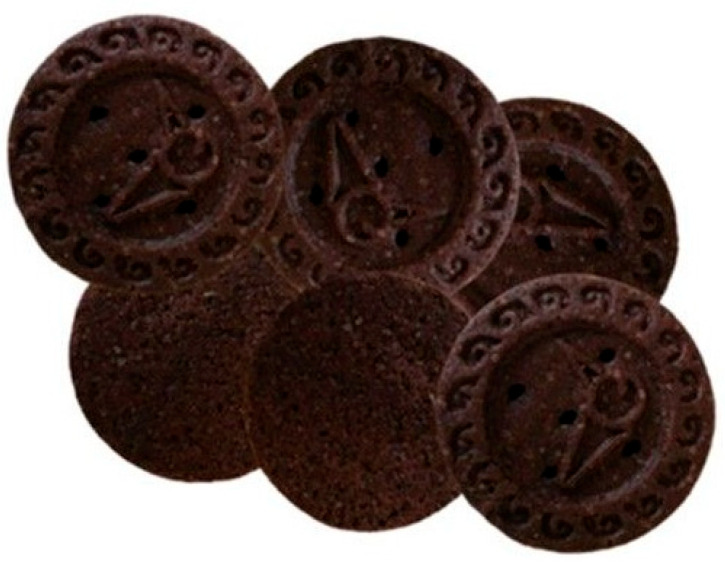 Figure 6
Peer Reviews
No public reviews on file for this paper yet. If you reviewed it on a platform where reviews are public (OpenReview, ICLR, NeurIPS, ICML), you can paste yours below so the community can read it here.
Videos
No videos yet. Explain this paper in a talk, walkthrough, or lecture? Add one.
Taxonomy
TopicsMicroencapsulation and Drying Processes · Phytochemicals and Antioxidant Activities · Tea Polyphenols and Effects