The Cold Shock Protein CspB from Mycobacterium tuberculosis Binds to MTS0997 sRNA and MTS1338 sRNA as a Dimer
Natalia Lekontseva, Alisa Mikhaylina, Polina Pankratova, Alexey Nikulin

TL;DR
This paper shows that the CspB protein from tuberculosis bacteria can bind to specific RNA molecules, suggesting it may help regulate gene expression during infection.
Contribution
The study reveals that CspB from Mycobacterium tuberculosis forms a dimer and binds to MTS0997 and MTS1338 sRNAs, proposing a novel RNA chaperone role in mycobacteria.
Findings
CspB from Mycobacterium tuberculosis forms a dimer due to its elongated C-terminal region.
CspB binds with high affinity to MTS0997 sRNA and MTS1338 sRNA from the same organism.
CspB is proposed to function as an RNA chaperone involved in mycobacterial pathogenesis.
Abstract
RNA chaperones play a crucial role in the biogenesis and function of various RNAs in bacteria. They facilitate the interaction of small regulatory trans-encoded sRNAs with mRNAs, thereby significantly altering the pattern of gene expression in cells. This allows bacteria to respond quickly to changing environmental conditions, such as stress or adaptation to host organisms. Despite the identification of a large number of sRNAs in mycobacteria, none of the most common RNA chaperones have been found in their genomes. We determined the crystal structure of the cold shock protein CspB from Mycobacterium tuberculosis. It forms a dimer due to its elongated C-terminal region, which is a hairpin composed of two α-helices. It was also demonstrated that CspB from M. tuberculosis exhibits high affinity for MTS0997 sRNA and MTS1338 sRNA from the same organism, which is consistent with classical RNA…
Genes, proteins, chemicals, diseases, species, mutations and cell lines named across the full text — each resolved to its canonical identifier and authoritative record.
Click any figure to enlarge with its caption.
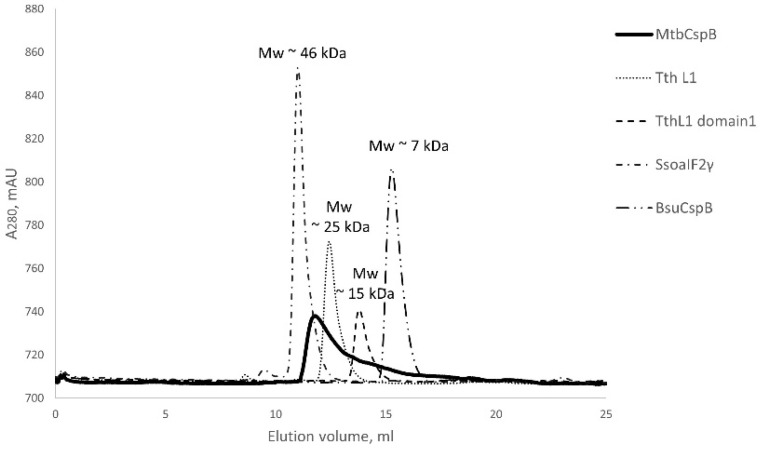 Figure 1
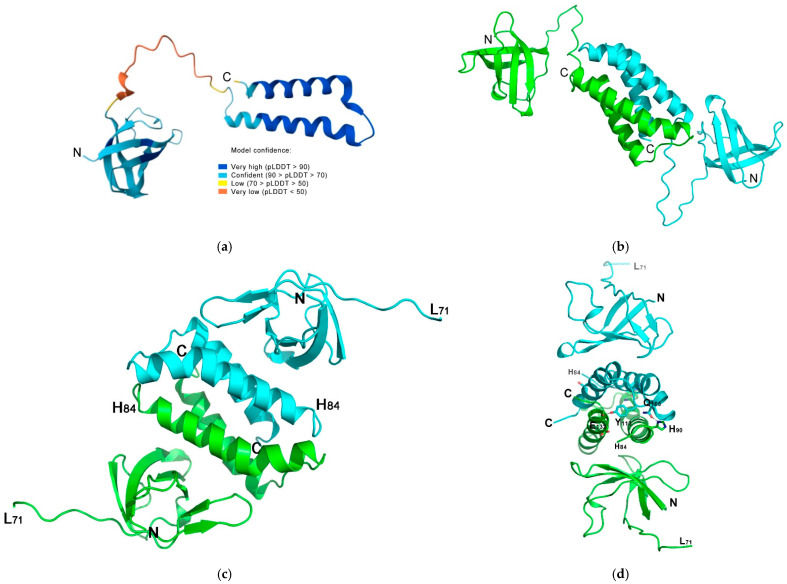 Figure 2
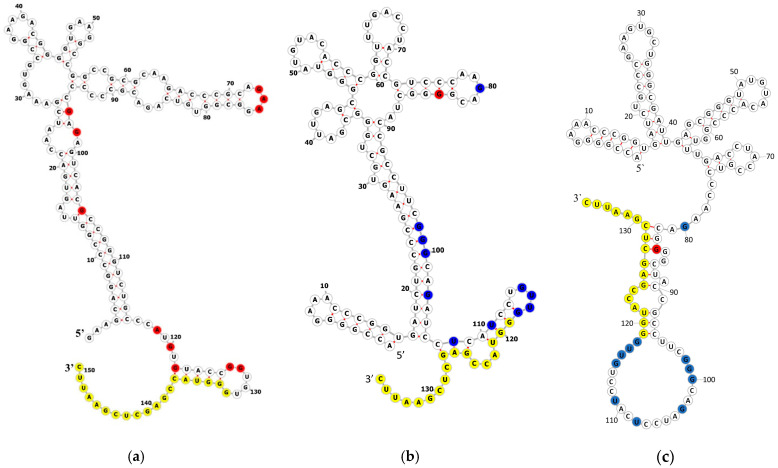 Figure 3
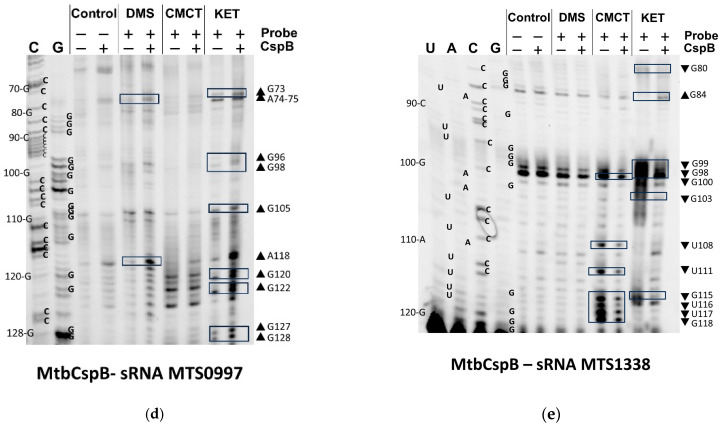 Figure 4
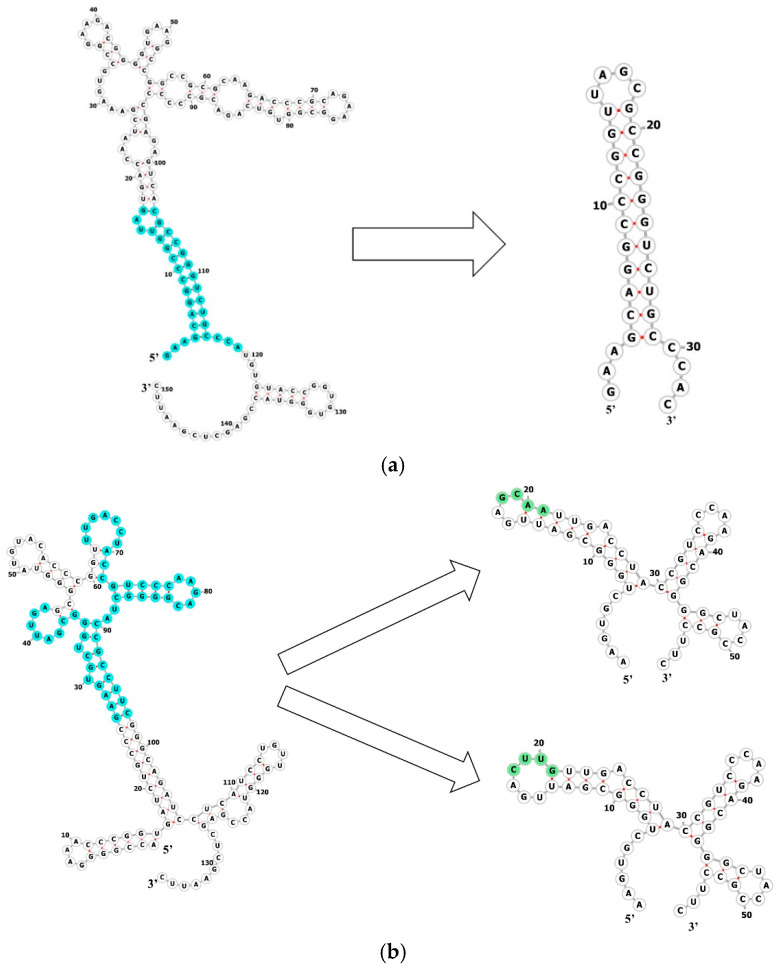 Figure 5
Peer Reviews
No public reviews on file for this paper yet. If you reviewed it on a platform where reviews are public (OpenReview, ICLR, NeurIPS, ICML), you can paste yours below so the community can read it here.
Videos
No videos yet. Explain this paper in a talk, walkthrough, or lecture? Add one.
Taxonomy
TopicsBacterial Genetics and Biotechnology · Heat shock proteins research · Tuberculosis Research and Epidemiology