Hypersexual Behavior Inventory for Men Who Have Sex with Men: Bifactor Validation, IRT Diagnostics, and Clinical Cutoffs
Felipe Alckmin-Carvalho, Emerson Do Bú, Washington Allysson Dantas Silva, Iara Teixeira, Guilherme W. Wendt, António Oliveira, André Oliveira, Henrique Pereira

TL;DR
This study adapts and validates a tool to assess compulsive sexual behavior in men who have sex with men, improving health outcomes through early identification.
Contribution
The study introduces a culturally adapted and validated Hypersexual Behavior Inventory for Portuguese men who have sex with men.
Findings
The HBI showed a bifactor structure with a general hypersexuality factor and two facets.
Item Response Theory confirmed strong item discrimination and validity.
Clinical cutoffs were established for effective risk identification.
Abstract
Background: Compulsive Sexual Behavior Disorder is highly prevalent among men who have sex with men (MSM) and is associated with adverse health outcomes, yet validated assessment tools for this population are critically lacking. This research aimed to adapt the Hypersexual Behavior Inventory (HBI) among Portuguese MSM (N = 1116 across four studies). Method and Results: Following translation and adaptation (Study 1a/1b), Exploratory Factor Analysis suggested a two-factor structure of the instrument (Study 2). Moreover, Item Response Theory showed strong item discrimination and convergent/divergent validity. Confirmatory Factor Analysis (Study 3) favored a bifactor structure—one general hypersexuality factor plus two facets (Control/Consequences and Coping). Criterion validity was evident from positive associations with depression, anxiety, and stress. Finally, ROC analyses (Study 4)…
Genes, proteins, chemicals, diseases, species, mutations and cell lines named across the full text — each resolved to its canonical identifier and authoritative record.
Click any figure to enlarge with its caption.
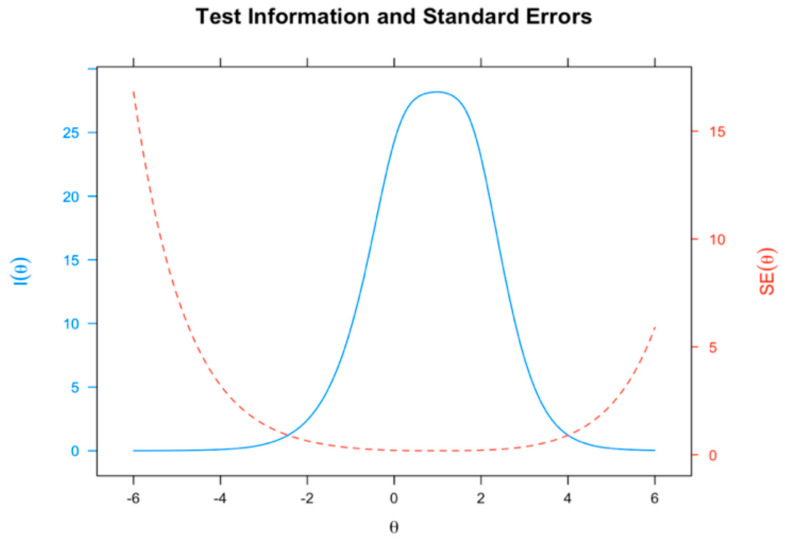 Figure 1
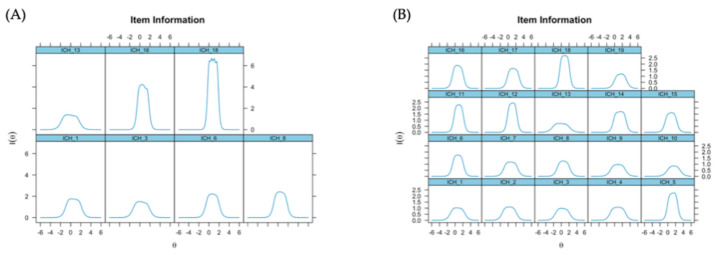 Figure 2
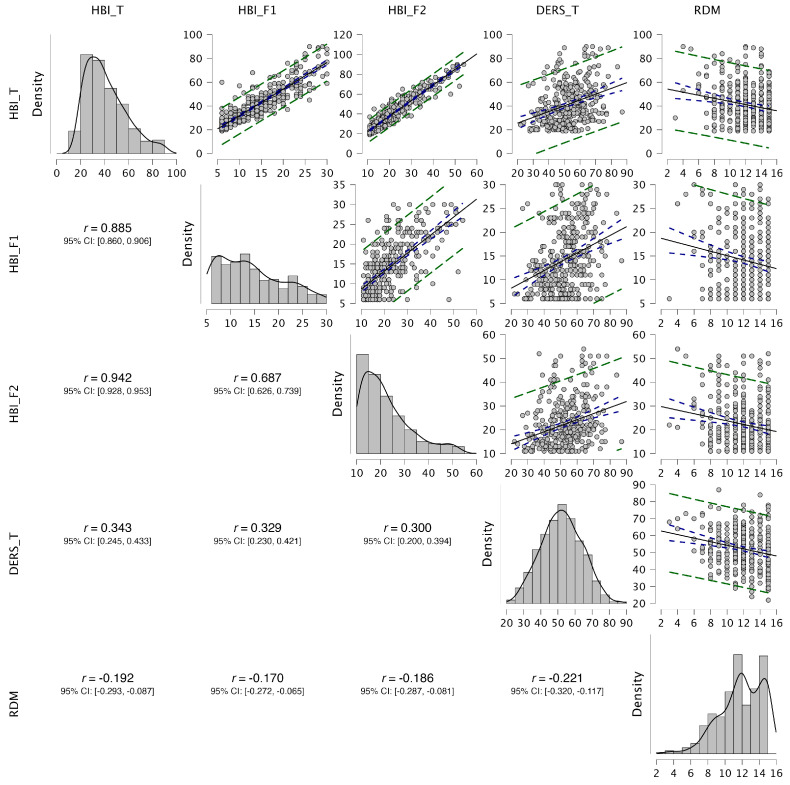 Figure 3
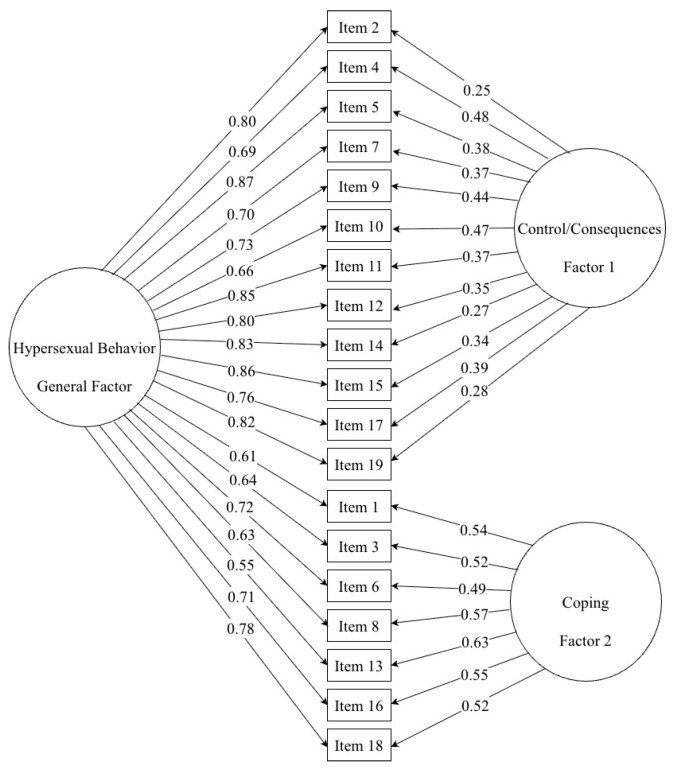 Figure 4
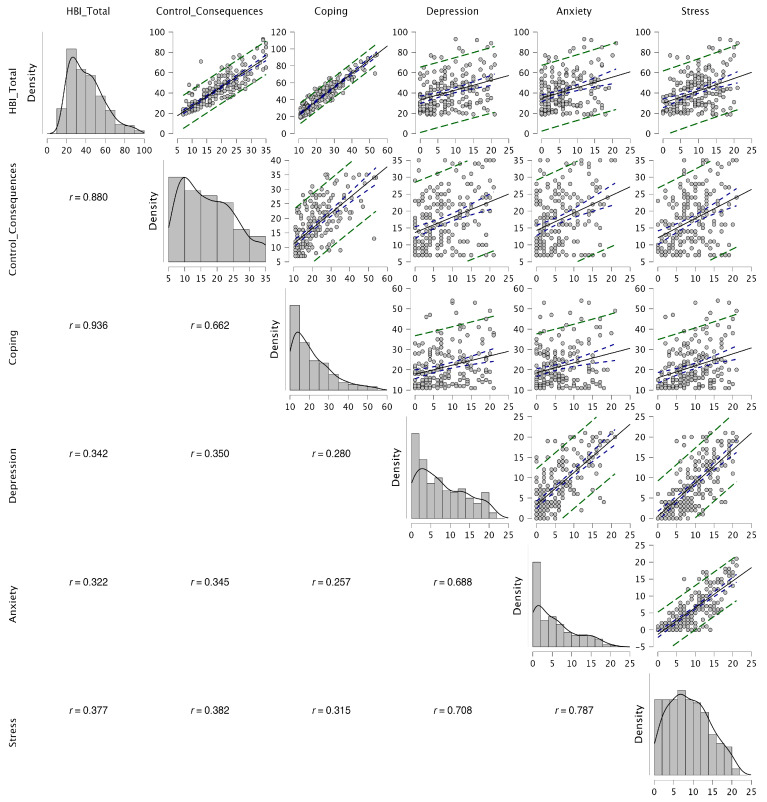 Figure 5
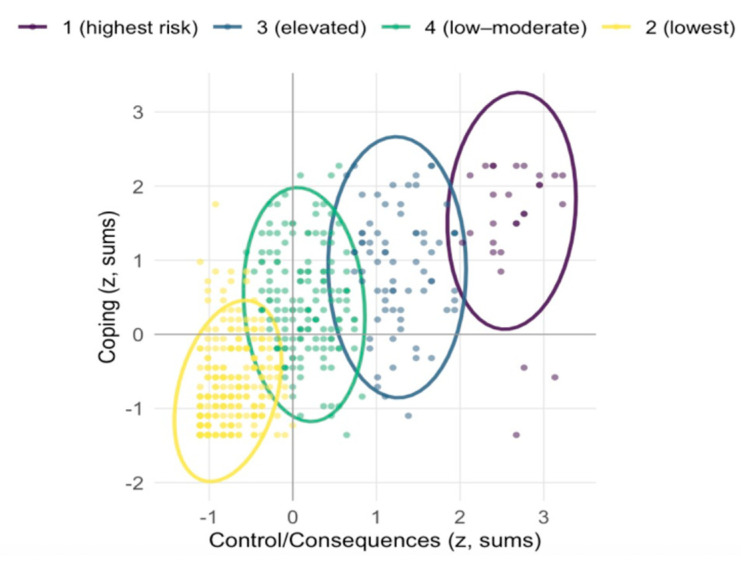 Figure 6
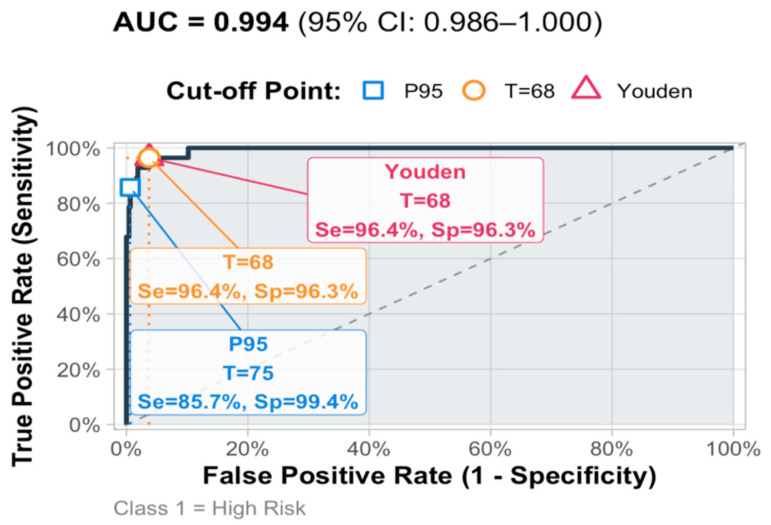 Figure 7
Peer Reviews
No public reviews on file for this paper yet. If you reviewed it on a platform where reviews are public (OpenReview, ICLR, NeurIPS, ICML), you can paste yours below so the community can read it here.
Videos
No videos yet. Explain this paper in a talk, walkthrough, or lecture? Add one.
Taxonomy
TopicsSexuality, Behavior, and Technology · Sexual function and dysfunction studies · Marriage and Sexual Relationships