Cyclophosphamide-Mediated Induction of Myeloid-Derived Suppressor Cells In Vivo: Kinetics of Accumulation, Immune Profile, and Immunomodulation by Oleanane-Type Triterpenoids
Mona S. Awad, Aleksandra V. Sen’kova, Andrey V. Markov, Oksana V. Salomatina, Marina A. Zenkova, Oleg V. Markov

TL;DR
This study shows that cyclophosphamide in chemotherapy increases immune-suppressing cells, and some triterpenoids can either reduce or worsen this effect.
Contribution
The study reveals the structure-dependent immunomodulatory effects of triterpenoids on chemotherapy-induced MDSCs.
Findings
Cyclophosphamide is the main driver of MDSC accumulation in the CHOP regimen.
Glycyrrhizic acid reduces MDSCs and restores T-cell function, while febroxolone methyl worsens immunosuppression.
FM promotes MDSC expansion and enhances their immunosuppressive function in vivo and in vitro.
Abstract
Myeloid-derived suppressor cells (MDSCs) are immature myeloid cells that strongly suppress immunity and expand during tumor progression. Various antitumor chemotherapy agents can induce MDSC accumulation, reducing treatment effectiveness. We investigated the impact of the CHOP regimen and its components (cyclophosphamide (CTX), doxorubicin, vincristine, and prednisolone) on the dynamics of MDSC accumulation and the associated changes in immune cell profiles in the peripheral blood and spleen of healthy and lymphosarcoma RLS40-bearing CBA mice. CHOP induced significant thymic atrophy and splenomegaly, T-cell depletion, and robust accumulation of MDSCs, primarily polymorphonuclear MDSCs. Kinetic analysis in healthy mice revealed splenic MDSC expansion and T-cell depletion peaked 10-day post-CHOP, driven mainly by CTX; whereas doxorubicin, vincristine, and prednisolone exerted minimal…
Genes, proteins, chemicals, diseases, species, mutations and cell lines named across the full text — each resolved to its canonical identifier and authoritative record.
Click any figure to enlarge with its caption.
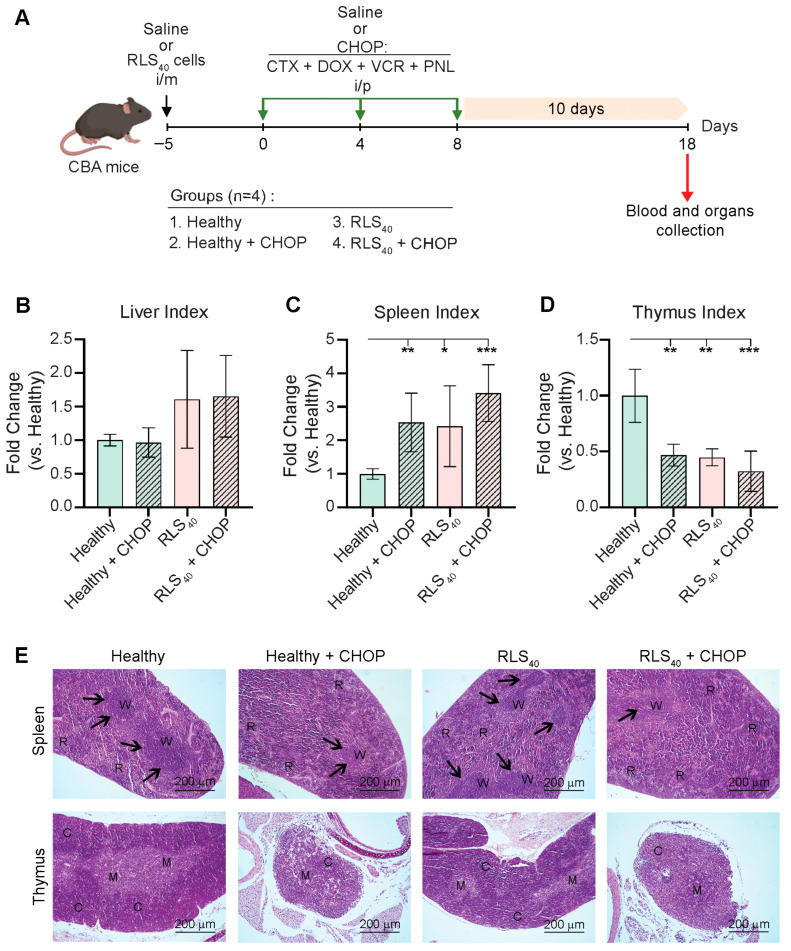 Figure 1
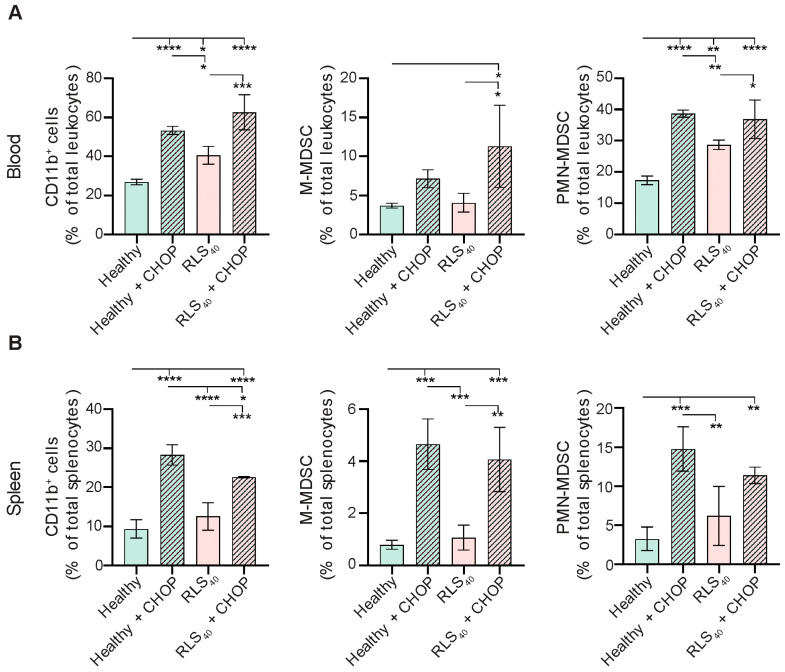 Figure 2
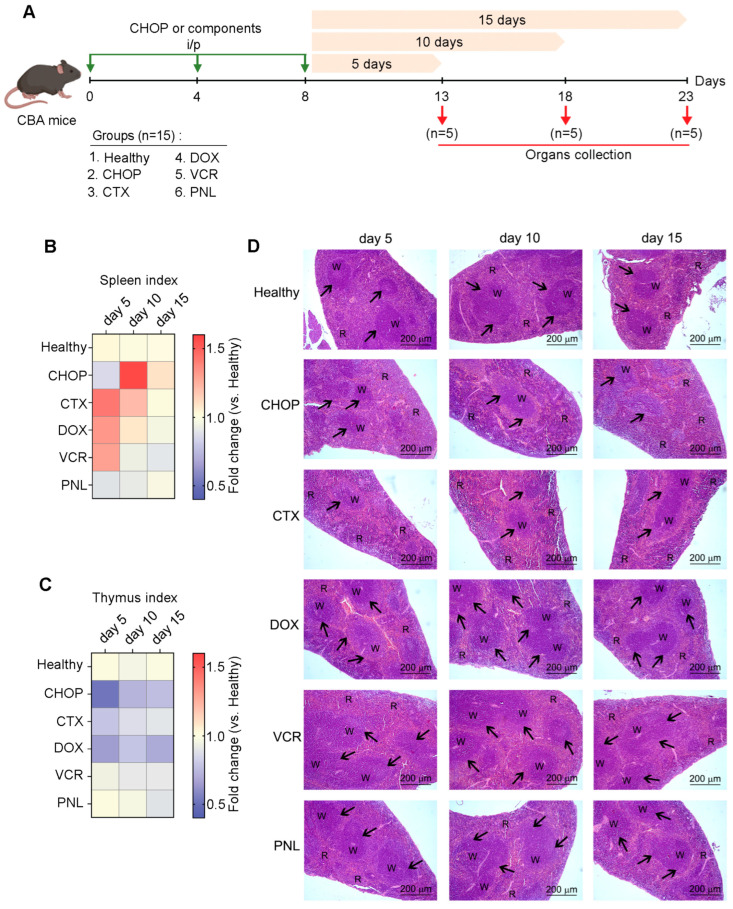 Figure 3
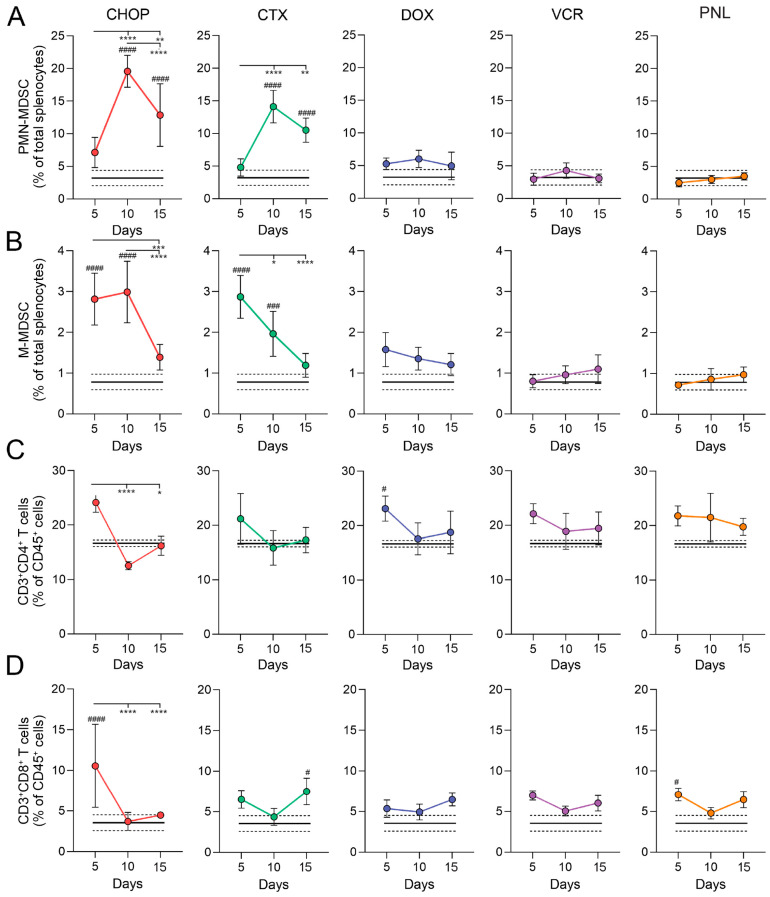 Figure 4
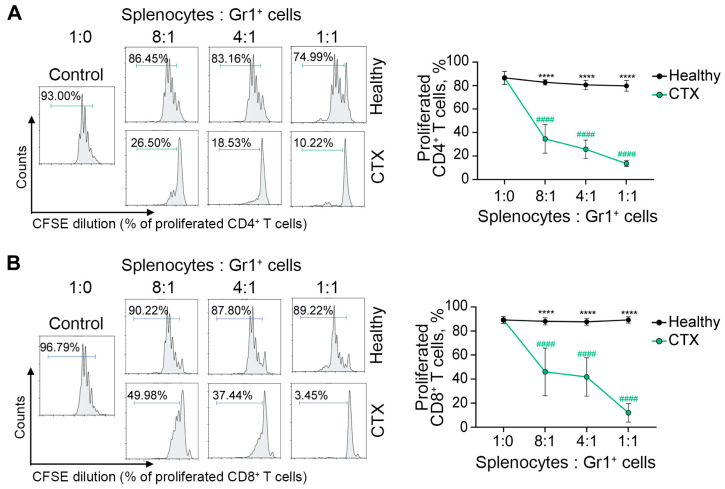 Figure 5
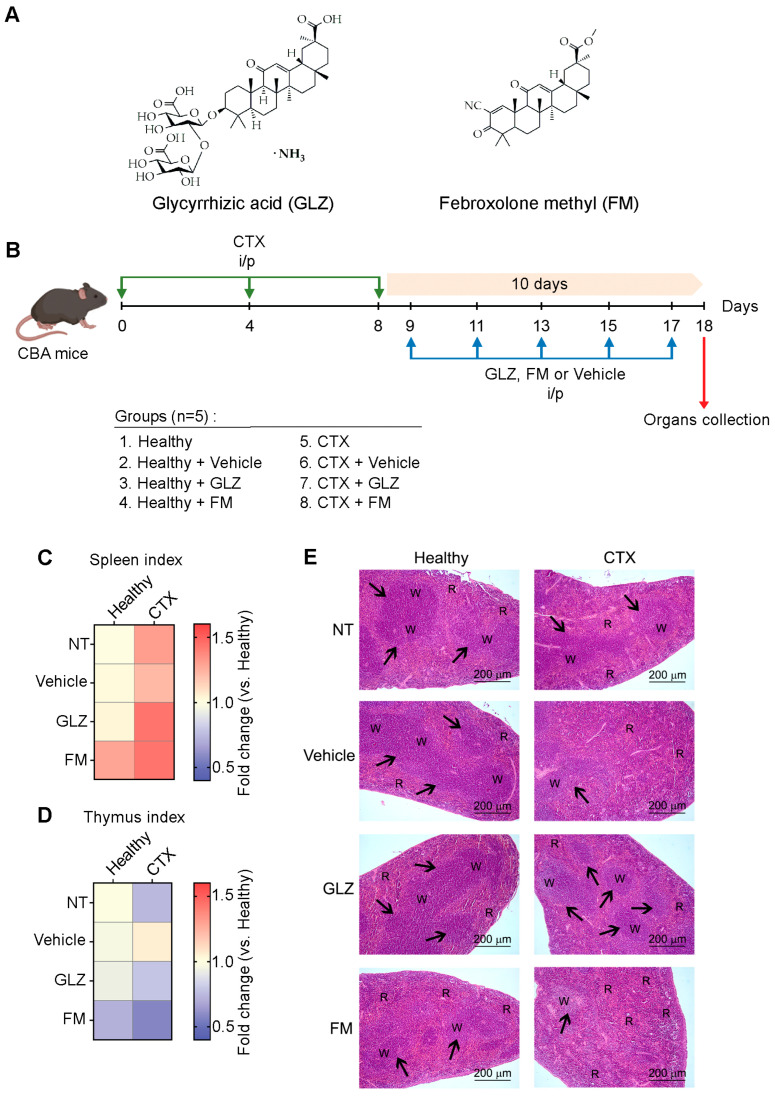 Figure 6
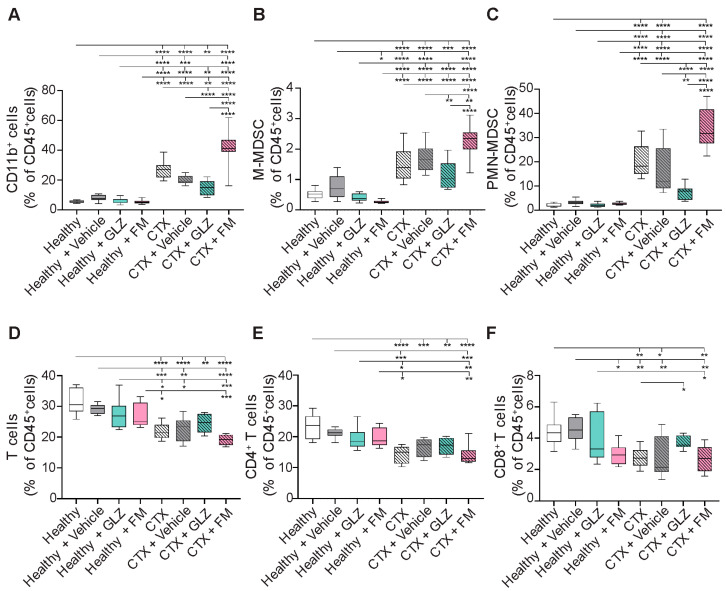 Figure 7
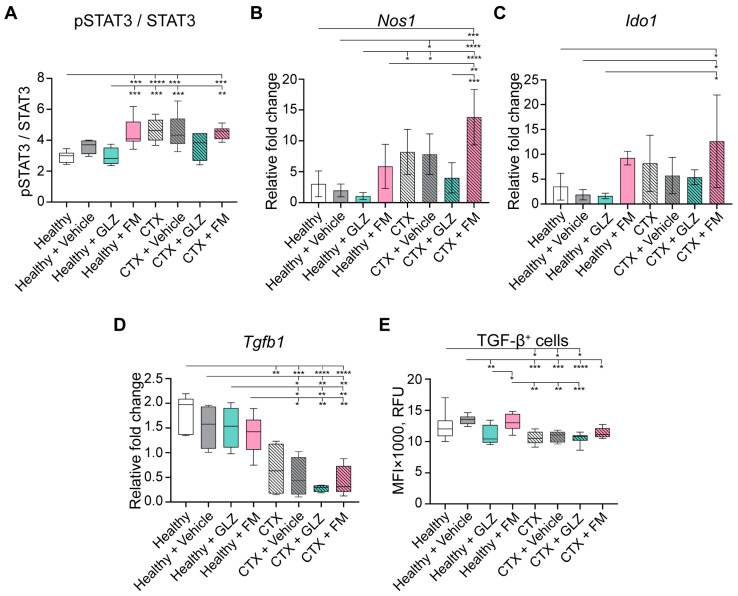 Figure 8
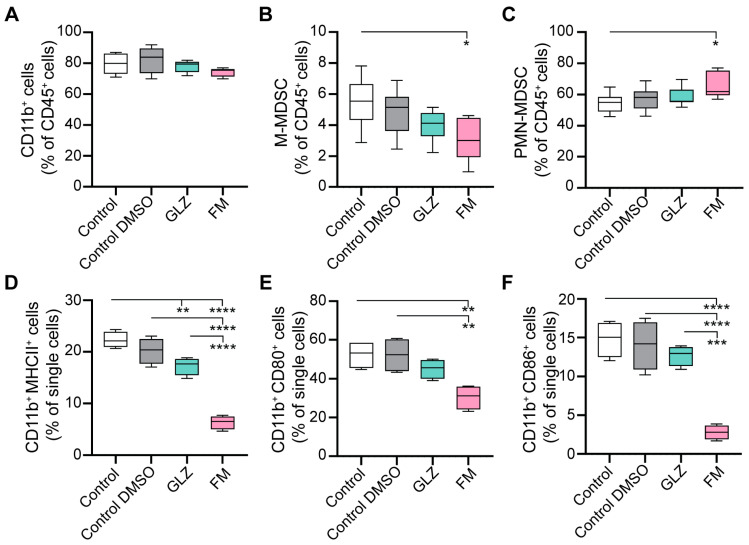 Figure 9
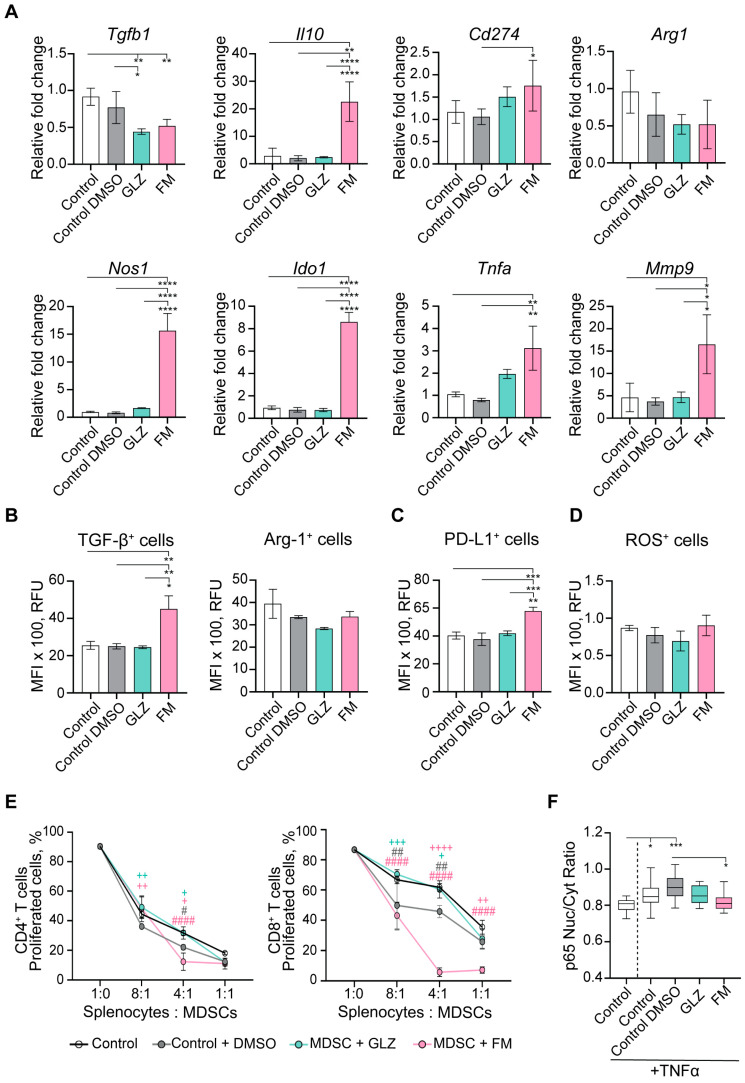 Figure 10
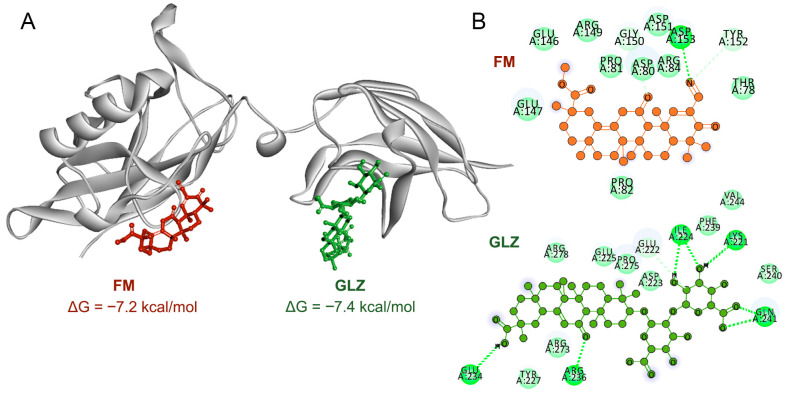 Figure 11
Peer Reviews
No public reviews on file for this paper yet. If you reviewed it on a platform where reviews are public (OpenReview, ICLR, NeurIPS, ICML), you can paste yours below so the community can read it here.
Videos
No videos yet. Explain this paper in a talk, walkthrough, or lecture? Add one.
Taxonomy
TopicsImmune cells in cancer · Neutrophil, Myeloperoxidase and Oxidative Mechanisms · Neutropenia and Cancer Infections