Prenatal Diagnosis of a Feingold Syndrome Pregnancy Complicated with Severe Preeclampsia: A Report of a Challenging Case
Athina A. Samara, Paraskevas Perros, Antonios Koutras, Michel B. Janho, Emmanuil Manolakos, Nikoletta Daponte, Apostolos C. Ziogas, Antonios Garas, Chara Skentou, Sotirios Sotiriou

TL;DR
This case report describes the prenatal diagnosis of Feingold Syndrome type 1 in a fetus with microcephaly and clinodactyly, complicated by preeclampsia and preterm delivery.
Contribution
The report highlights the importance of early prenatal diagnosis of Feingold Syndrome using ultrasound and molecular karyotyping.
Findings
Ultrasound and molecular karyotyping confirmed a 342 kb deletion at 2p24.3 in the fetus, consistent with Feingold Syndrome type 1.
The deletion was also found in the father, confirming the autosomal dominant inheritance pattern.
The pregnancy was complicated by preeclampsia and fetal growth restriction, leading to preterm delivery at 33+3 weeks.
Abstract
Feingold syndrome (FS) is a rare congenital disorder with an autosomal dominant inheritance pattern. Two distinct subtypes are recognized based on their molecular pathology: FS type 1 (FS1) and FS type 2 (FS2). Both types share skeletal anomalies such as microcephaly, brachymesophalangia, and clinodactyly; however, gastrointestinal atresia is unique to FS1. Herein, we report a rare prenatal diagnosis of FS1 in a female fetus. The second-trimester ultrasound revealed bilateral clinodactyly and fetal microcephaly, and the subsequent molecular karyotyping identified a ~342 kb deletion at 2p24.3 encompassing the MYCN gene, confirming the diagnosis. The same deletion was detected in the father, verifying the hereditary pattern. The pregnancy was also complicated by preeclampsia and fetal growth restriction, leading to preterm caesarean delivery at 33 + 3 weeks of gestation. The neonate had…
Genes, proteins, chemicals, diseases, species, mutations and cell lines named across the full text — each resolved to its canonical identifier and authoritative record.
Click any figure to enlarge with its caption.
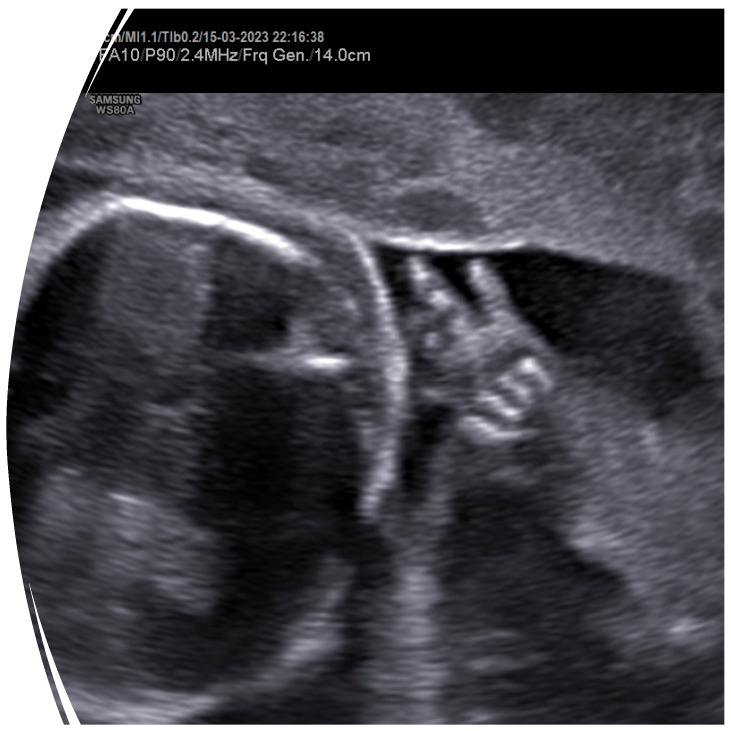 Figure 1
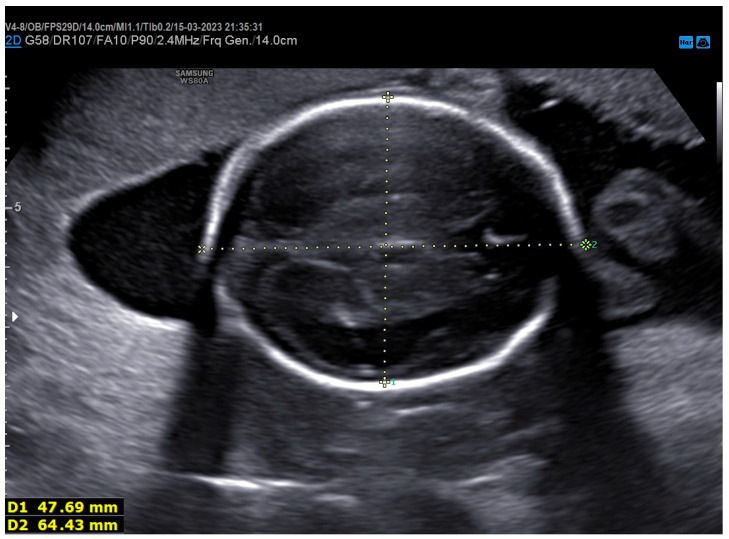 Figure 2
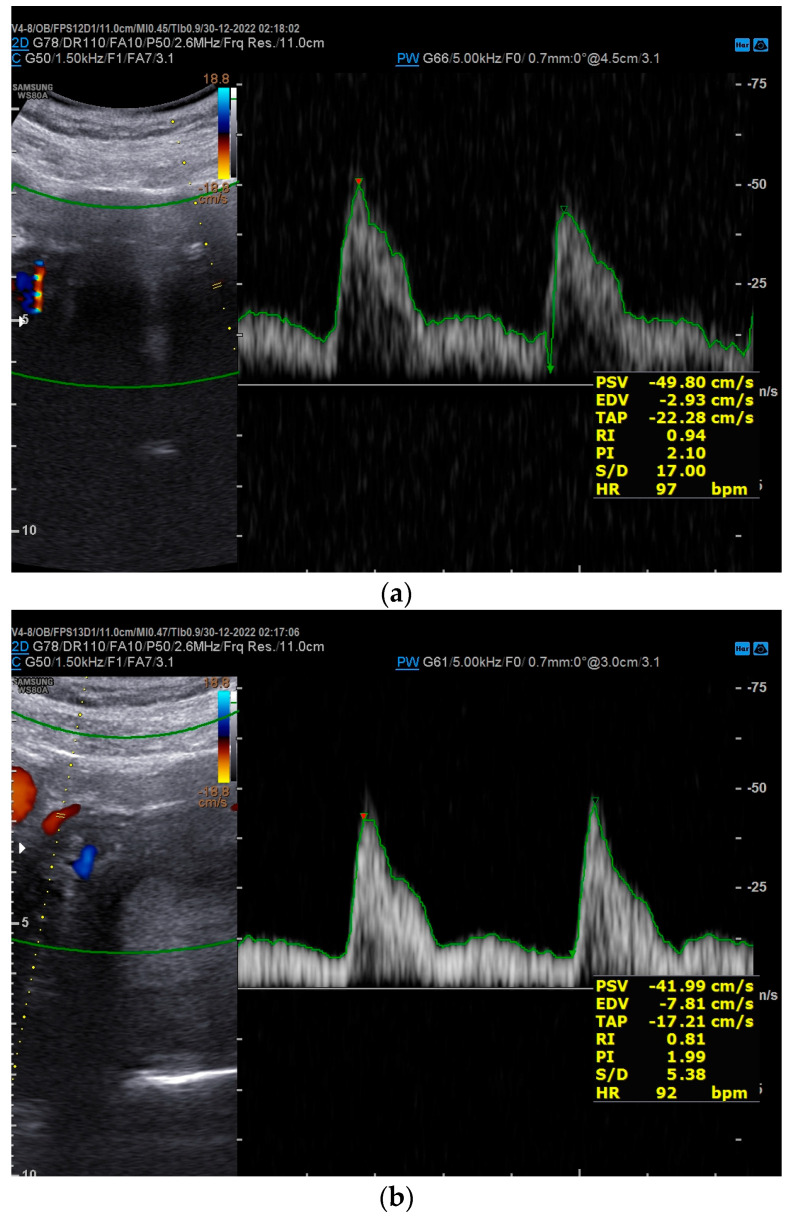 Figure 3
Peer Reviews
No public reviews on file for this paper yet. If you reviewed it on a platform where reviews are public (OpenReview, ICLR, NeurIPS, ICML), you can paste yours below so the community can read it here.
Videos
No videos yet. Explain this paper in a talk, walkthrough, or lecture? Add one.
Taxonomy
TopicsEsophageal and GI Pathology · Congenital gastrointestinal and neural anomalies · Intestinal Malrotation and Obstruction Disorders