The “Supporting Adolescents with Self Harm” (SASH) Intervention Supporting Young People (And Carers) Presenting to the Emergency Department with Self-Harm: Therapeutic Assessment, Safety Planning, and Solution-Focused Brief Therapy
Rose McCabe, Sally O’Keeffe, Maria Long

TL;DR
The SASH intervention helps young people who self-harm by providing therapy and support after emergency department visits, improving their mental health and reducing future self-harm risks.
Contribution
The paper introduces the SASH intervention and demonstrates its practical implementation through case studies, linking intervention components to outcomes.
Findings
Young people improved self-awareness and linked feelings to self-harm behavior.
Personal strategies for managing difficult emotions were identified.
Carer sessions helped improve mental health support for young people.
Abstract
Background: Self-harm is a growing public health concern and the strongest predictor of suicide in young people (YP). The “Supporting Adolescents with Self-Harm” (SASH) intervention was developed with YP with lived experience and expert clinicians. It involves rapid follow-up after ED attendance and up to six intervention sessions. The intervention has three components: Therapeutic Assessment (TA) of self-harm; an enhanced safety plan (SP); and Solution-Focused Brief Therapy (SFBT). Depending on the YP’s preference, carers can join sessions. Carers can also receive two individual sessions. The clinical and cost-effectiveness of SASH is being evaluated in a randomised controlled trial across nine emergency departments in three NHS Trusts in London, England. A total of 154 YP were recruited between May 2023 and March 2025 and randomised on a 1:1 ratio to SASH alongside Treatment As Usual…
Genes, proteins, chemicals, diseases, species, mutations and cell lines named across the full text — each resolved to its canonical identifier and authoritative record.
Click any figure to enlarge with its caption.
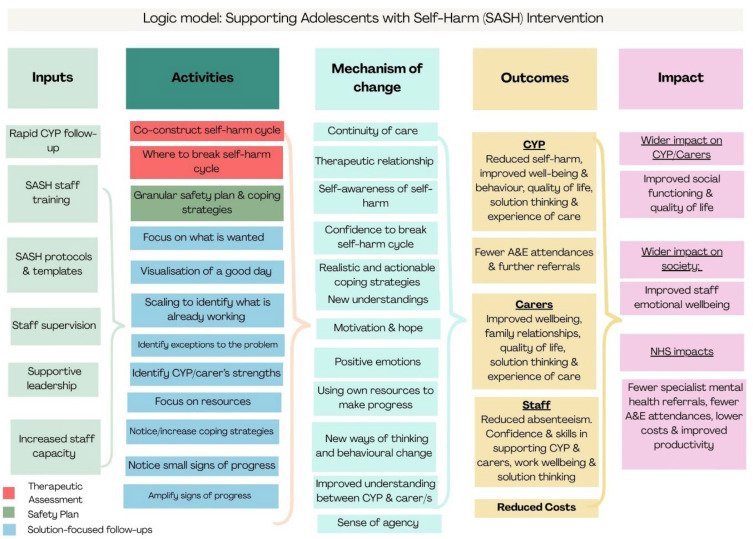 Figure 1
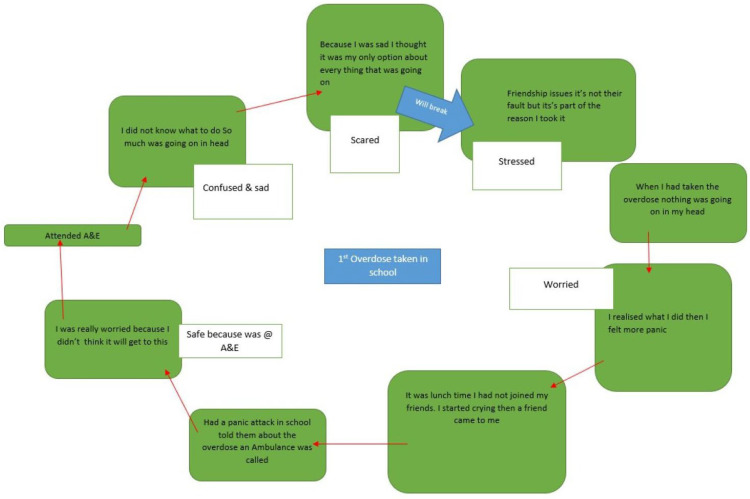 Figure 2
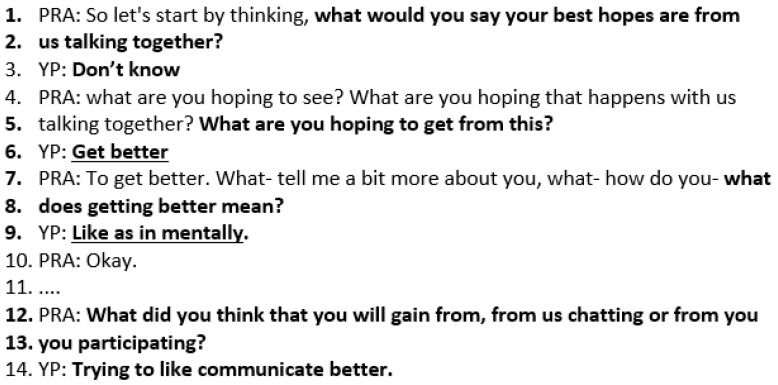 Figure 3
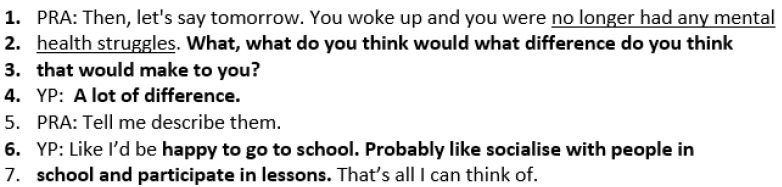 Figure 4
 Figure 5
 Figure 6
 Figure 7
 Figure 8
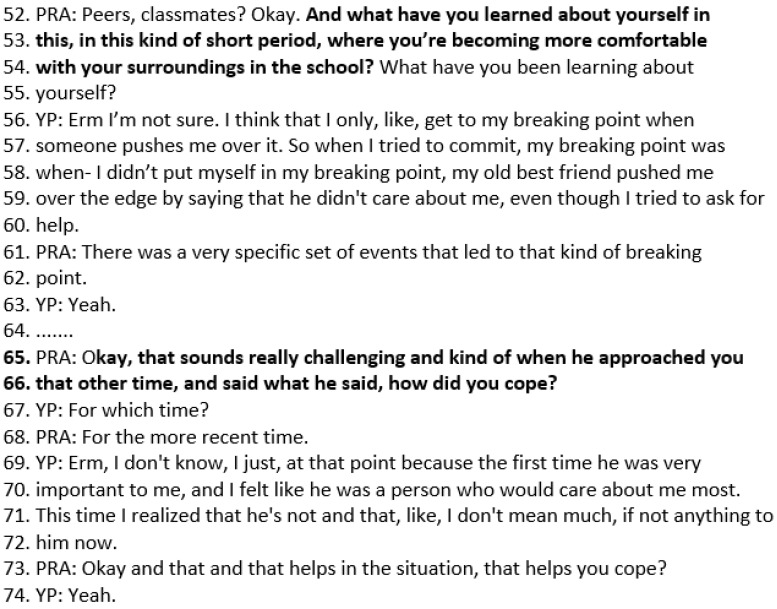 Figure 9
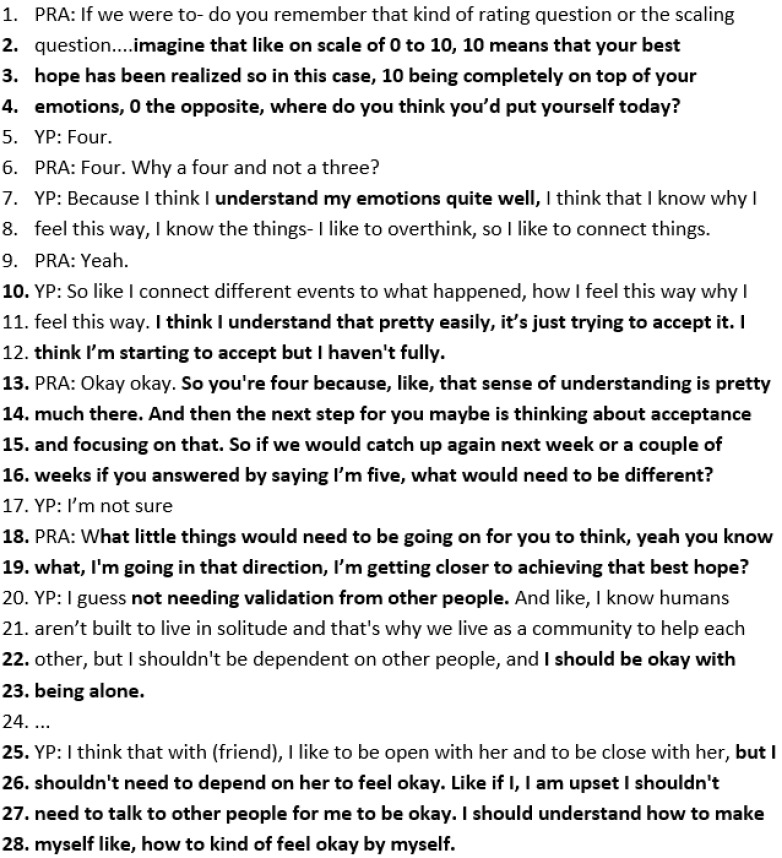 Figure 10
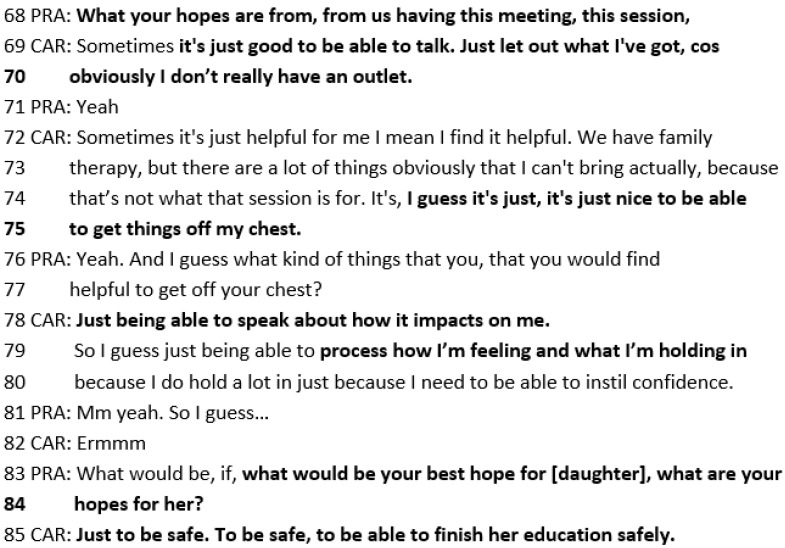 Figure 11
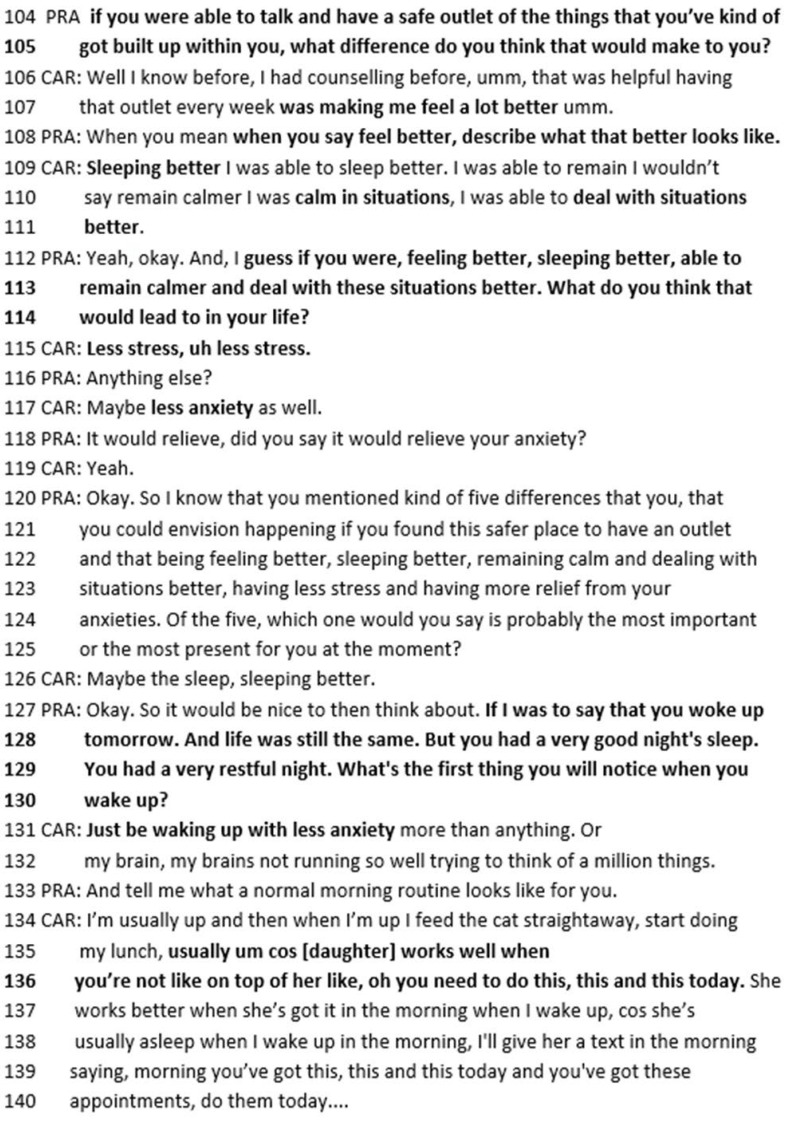 Figure 12
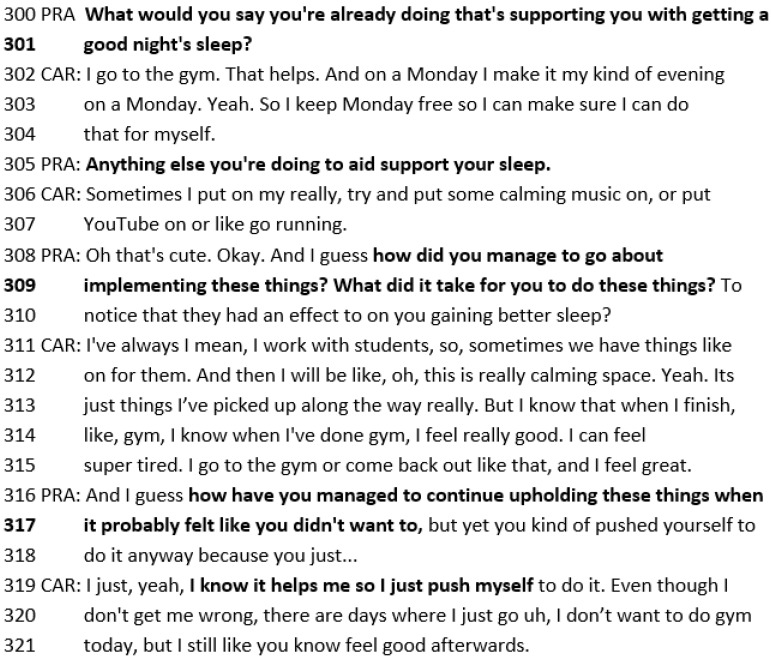 Figure 13
Peer Reviews
No public reviews on file for this paper yet. If you reviewed it on a platform where reviews are public (OpenReview, ICLR, NeurIPS, ICML), you can paste yours below so the community can read it here.
Videos
No videos yet. Explain this paper in a talk, walkthrough, or lecture? Add one.
Taxonomy
TopicsSuicide and Self-Harm Studies · Child and Adolescent Psychosocial and Emotional Development · Health Policy Implementation Science