Investigating the Therapeutic Effects of Naringenin and Oleuropein on Prostate Cancer Cell Mat-LyLu via miR-155-5p: A Bioinformatics and Molecular Docking Analysis of KRAS and CDK2 Networks
Cigdem Gungormez

TL;DR
This study explores how naringenin and oleuropein, found in citrus and olive products, may help treat prostate cancer by boosting miR-155-5p and targeting key cancer-related proteins.
Contribution
The study introduces a novel combination of bioinformatics and molecular docking to explore the therapeutic potential of naringenin and oleuropein in prostate cancer.
Findings
Naringenin and oleuropein significantly increase miR-155-5p expression in prostate cancer cells.
Molecular docking shows naringenin binds to KRAS and oleuropein to CDK2, inhibiting oncogenic pathways.
Both compounds show favorable pharmacokinetic profiles, suggesting potential for oral administration.
Abstract
Background: This study systematically investigates the therapeutic effects of naringenin (NAR) and oleuropein (OLE) on prostate cancer through miR-155-5p regulation. Methods: Experimental studies conducted on MAT-LyLu prostate cancer cell lines revealed that the application of NAR (50 μM) and OLE (75 μM) significantly increased miR-155-5p expression by 2.89-fold and 1.74-fold, respectively (p < 0.05). Bioinformatics analyses have indicated that miR-155-5p interacts with critical oncogenic pathways such as KRAS, CDK2, NF-κB, and TGF-β/Smad2. Computational analyses have revealed that miR-155-5p interacts with 16 critical oncogenic targets, including KRAS and CDK2. Molecular docking studies showed that NAR binds to the Switch I/II region of KRAS with a binding energy of −8.2 kcal/mol, while OLE binds to the ATP-binding pocket of CDK2 with an affinity of −9.1 kcal/mol. Pharmacokinetic…
Genes, proteins, chemicals, diseases, species, mutations and cell lines named across the full text — each resolved to its canonical identifier and authoritative record.
Click any figure to enlarge with its caption.
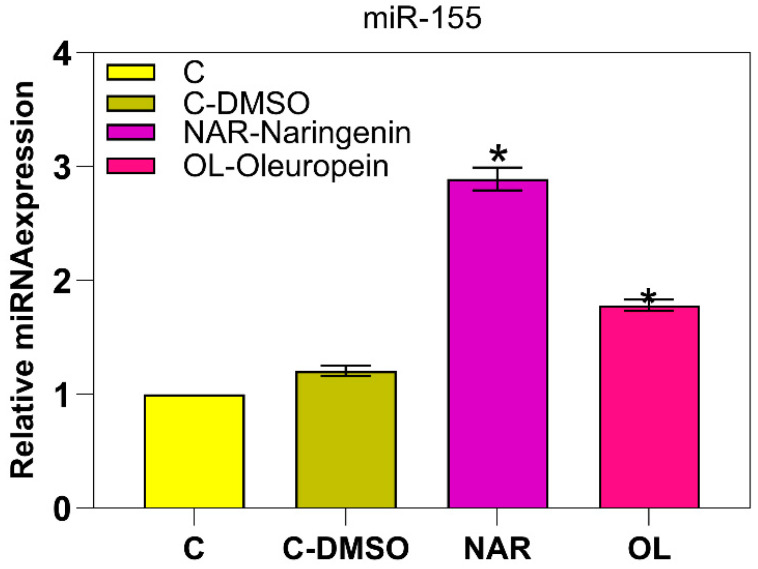 Figure 1
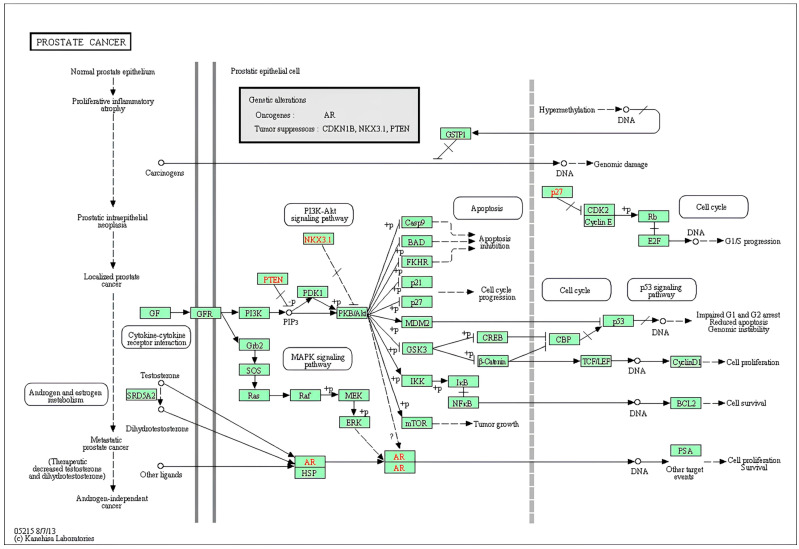 Figure 2
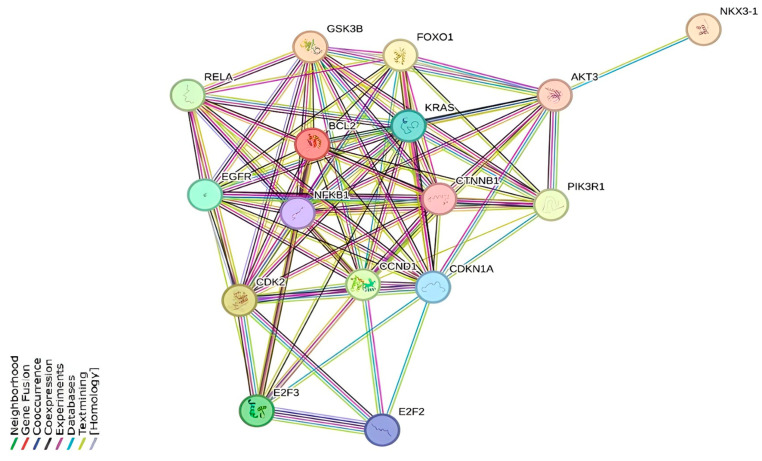 Figure 3
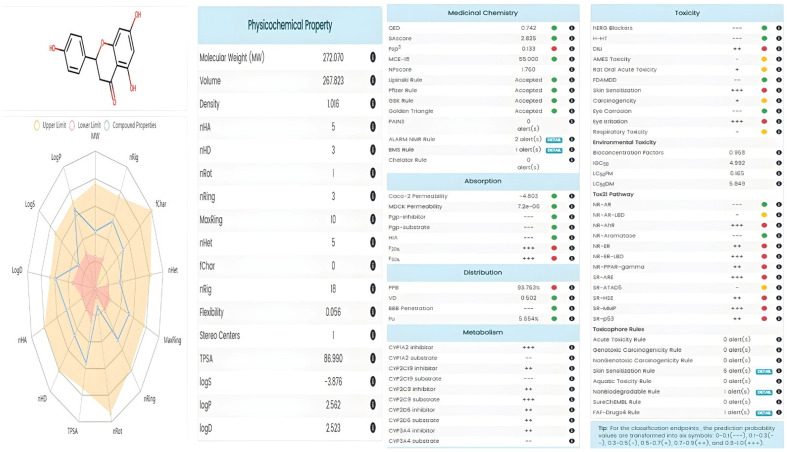 Figure 4
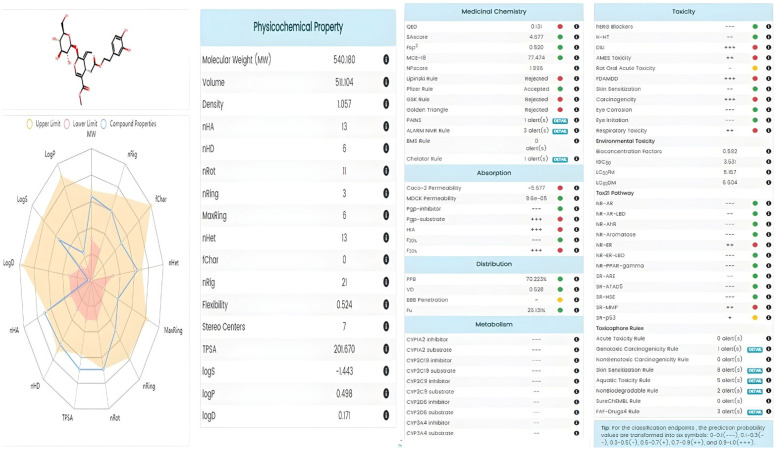 Figure 5
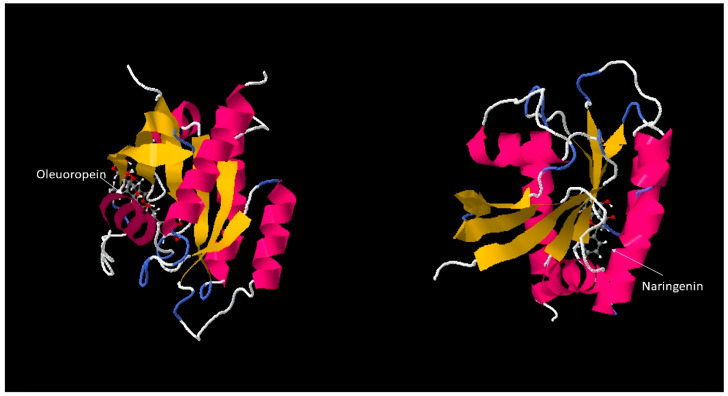 Figure 6
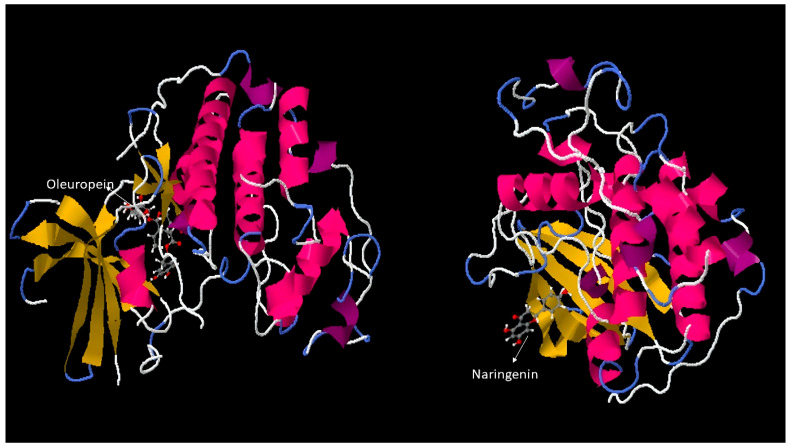 Figure 7
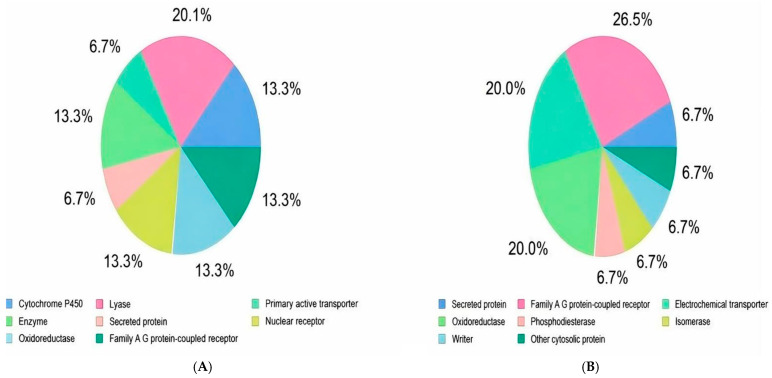 Figure 8
Peer Reviews
No public reviews on file for this paper yet. If you reviewed it on a platform where reviews are public (OpenReview, ICLR, NeurIPS, ICML), you can paste yours below so the community can read it here.
Videos
No videos yet. Explain this paper in a talk, walkthrough, or lecture? Add one.
Taxonomy
TopicsCancer, Lipids, and Metabolism · Curcumin's Biomedical Applications · Cancer, Stress, Anesthesia, and Immune Response