Integrated Plasma and Glial Cell Evidence Indicates a Functional Role for hsa-miR-342-5p in Spinocerebellar Ataxia Type 7 and Its Potential Use as a Biomarker
Verónica M. Borgonio-Cuadra, Aranza Meza-Dorantes, José Manuel Rodríguez-Pérez, Ian A. García-Aguirre, Nadia Mireya Murillo-Melo, Nonanzit Pérez-Hernández, Oscar Hernández-Hernández, Marcela Hernández-Ortega, Zazil Herrera-Carrillo, Bulmaro Cisneros, Jonathan J. Magaña

TL;DR
This study suggests that hsa-miR-342-5p could be a useful biomarker for monitoring Spinocerebellar Ataxia Type 7, a neurodegenerative disease.
Contribution
The study identifies hsa-miR-342-5p as a potential biomarker for SCA7 through plasma and glial cell analysis.
Findings
Nine miRNAs showed significantly higher expression in SCA7 patients compared to controls.
Most miRNAs were overexpressed in plasma from early-onset SCA7 patients.
hsa-miR-342-5p was differentially expressed in both patient plasma and a SCA7 cellular model.
Abstract
Spinocerebellar ataxia type 7 (SCA7) is a neurodegenerative disease characterized by cerebellar ataxia and retinal degeneration, caused by an abnormal expansion of CAG repeats at the ATXN7 gene. Disease onset and progression vary among patients, underscoring the need for novel tools to improve disease monitoring. Circulating miRNAs represent a promising prognostic tool, due to their minimally invasive sampling and high stability. The aim of this study was to assess the expression of twelve circulating miRNAs associated with neurodegeneration in plasma samples from SCA7 patients and in an inducible SCA7 glial cell model. A comparison of SCA7 patients and controls revealed that nine miRNAs exhibited significantly higher expression. Furthermore, comparison of patients with different SCA7 phenotypes to controls revealed that most miRNAs were overexpressed in plasma from early-onset patients…
Genes, proteins, chemicals, diseases, species, mutations and cell lines named across the full text — each resolved to its canonical identifier and authoritative record.
Click any figure to enlarge with its caption.
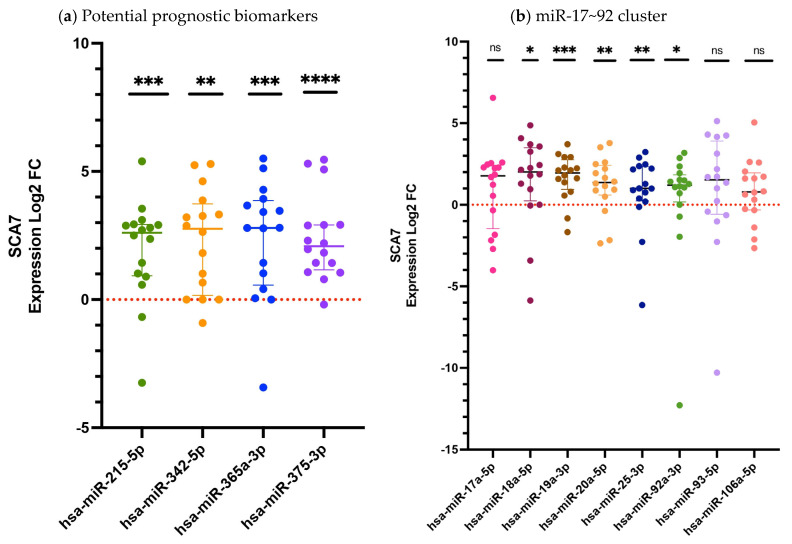 Figure 1
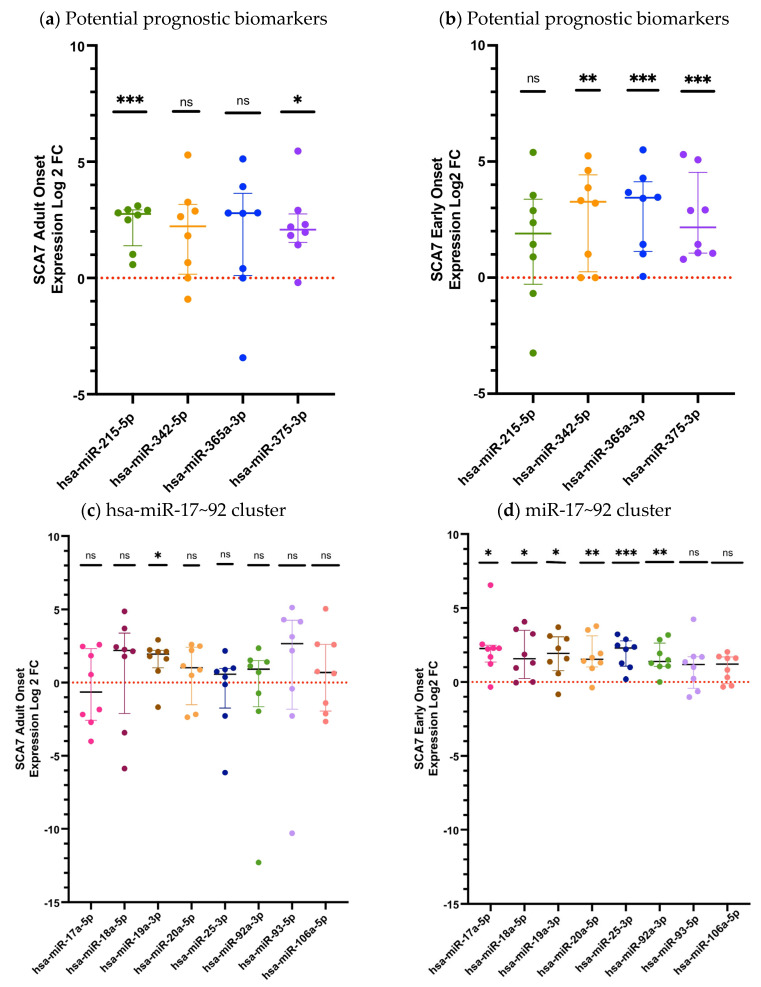 Figure 2
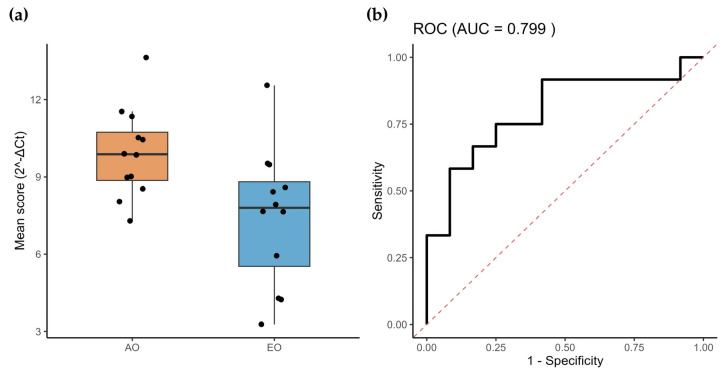 Figure 3
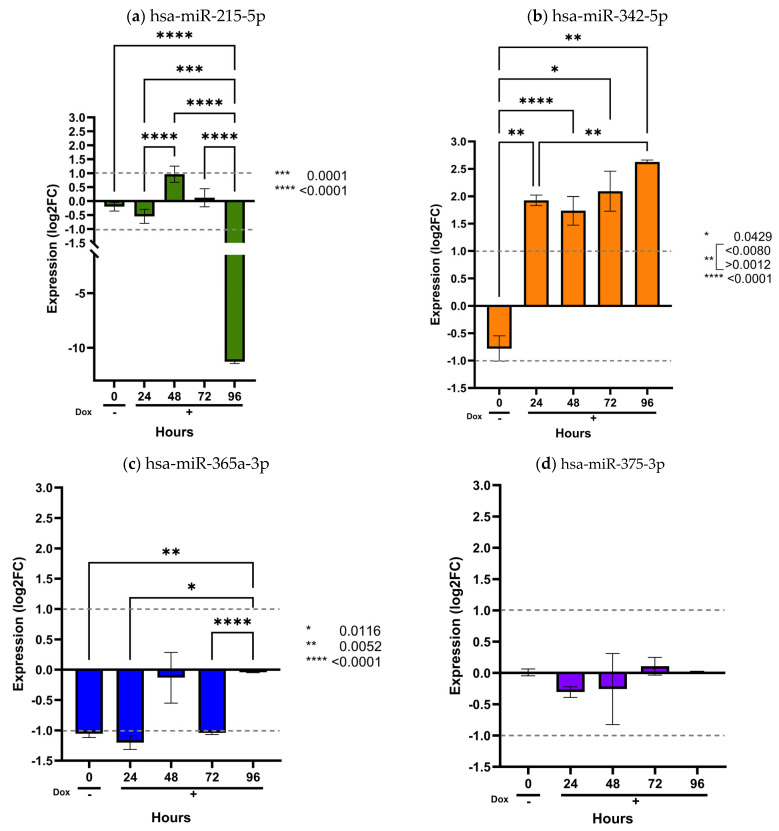 Figure 4
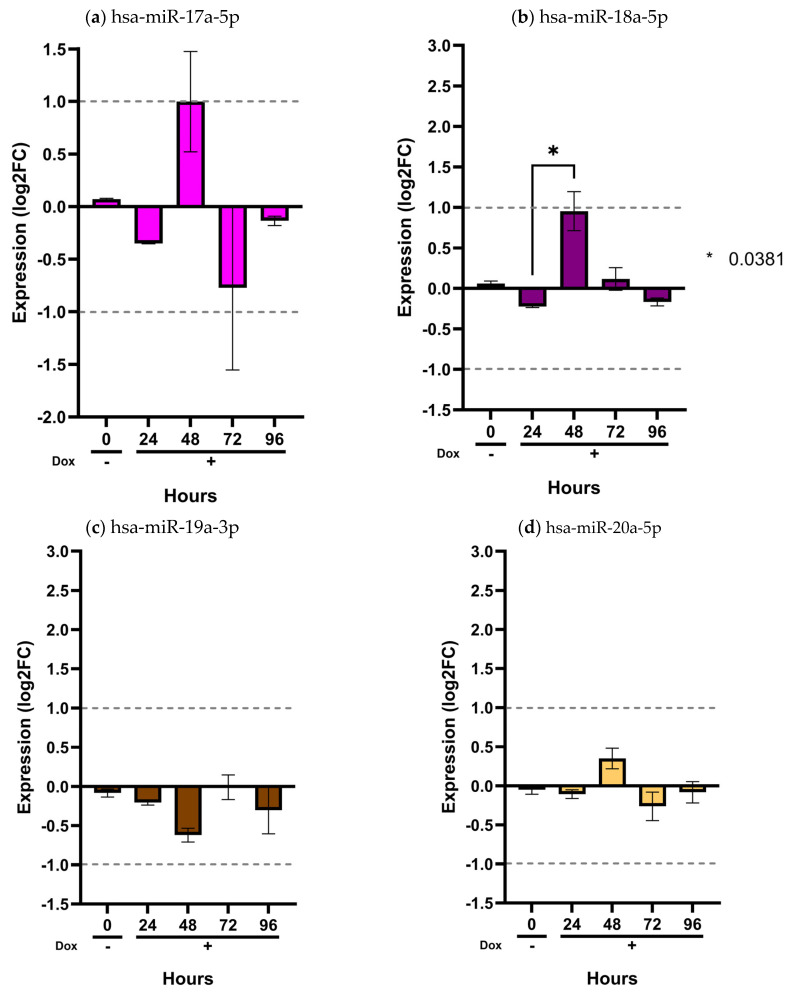 Figure 5
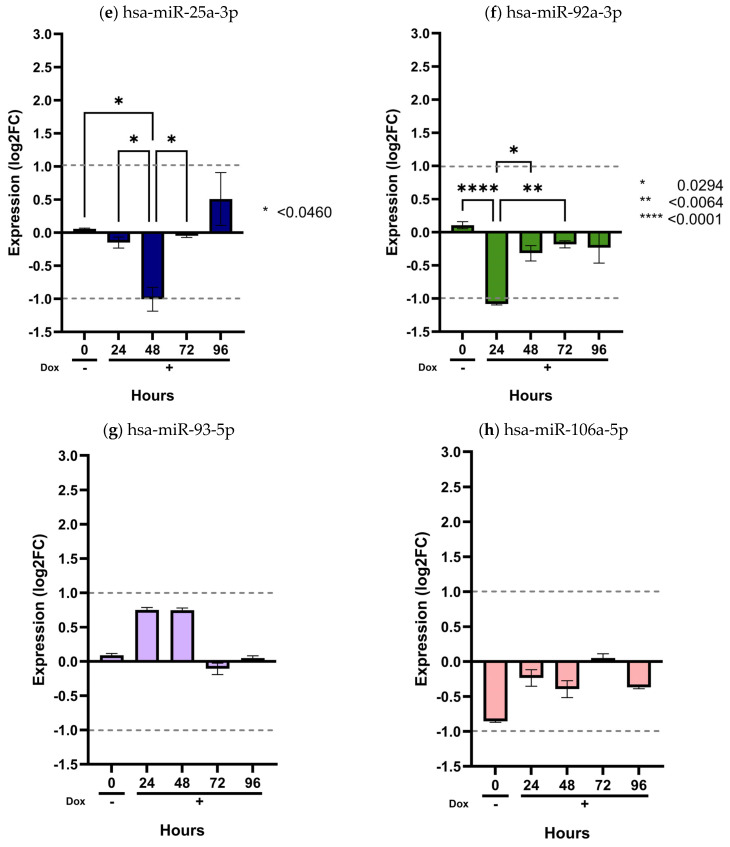 Figure 6
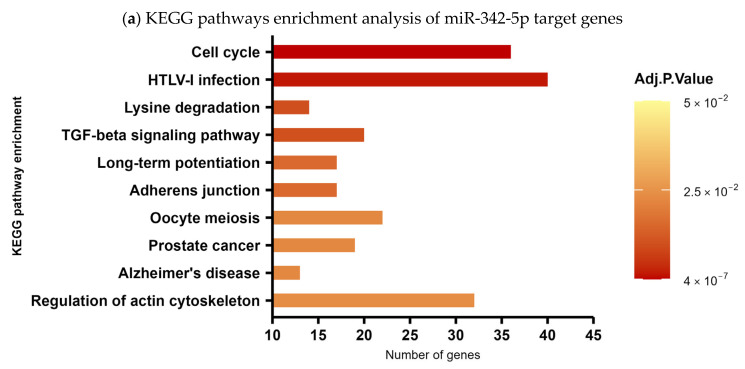 Figure 7
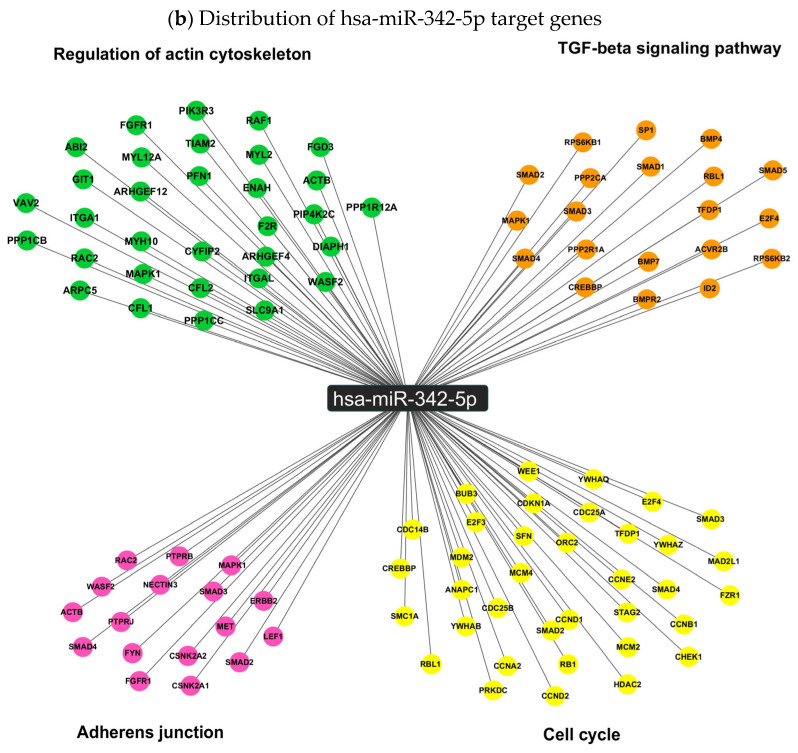 Figure 8
Peer Reviews
No public reviews on file for this paper yet. If you reviewed it on a platform where reviews are public (OpenReview, ICLR, NeurIPS, ICML), you can paste yours below so the community can read it here.
Videos
No videos yet. Explain this paper in a talk, walkthrough, or lecture? Add one.
Taxonomy
TopicsGenetic Neurodegenerative Diseases · RNA Research and Splicing · RNA regulation and disease