Study of Fermentation Conditions Optimization for Xylanase Production by Aspergillus tubingensis FS7Y52 and Application in Agricultural Wastes Degradation
Tianjiao Wang, Jinghao Ma, Yujun Zhong, Shaokang Liu, Wenqi Cui, Xiaoyan Liu, Guangsen Fan

TL;DR
This study optimizes xylanase production by a fungus to efficiently break down agricultural waste into useful products.
Contribution
A novel optimized fermentation strategy for xylanase production and its application in agricultural waste degradation is presented.
Findings
Xylanase activity increased by 90.7% under optimized conditions.
The enzyme system effectively degraded cellulose, hemicellulose, and lignin in agricultural waste.
The optimized process reduces costs and substrate use, making large-scale applications economically viable.
Abstract
This study aimed to systematically optimize the fermentation process for xylanase production by Aspergillus tubingensis FS7Y52, elucidate its enzymatic properties, and evaluate its application potential in the biodegradation of agricultural wastes. Key influencing factors were initially identified through single-factor experiments, followed by the screening of significant factors using the Plackett–Burman design. The optimal values were then approached employing the steepest ascent path method and Response Surface Methodology. The final determined optimal fermentation conditions were: corn husk (20–40 mesh) 40 g/L, tryptone 13.7 g/L, Tween-20 0.75 g/L, pH 6.5, fermentation temperature 42.1 °C, fermentation time 2 days, shaking speed 140 rpm, inoculum size 1 × 10⁷ spores/30 mL, and liquid loading volume 30 mL/250 mL. Under these conditions, xylanase activity reached 115.23 U/mL,…
Genes, proteins, chemicals, diseases, species, mutations and cell lines named across the full text — each resolved to its canonical identifier and authoritative record.
Click any figure to enlarge with its caption.
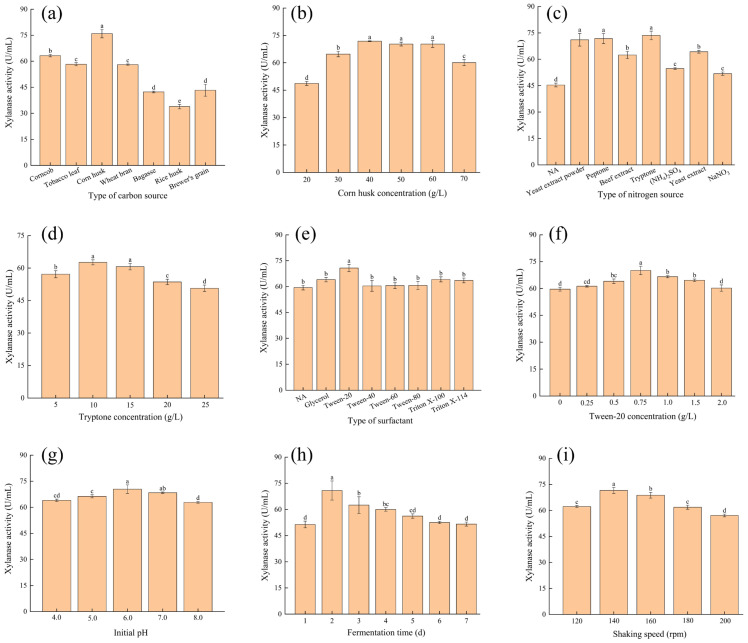 Figure 1
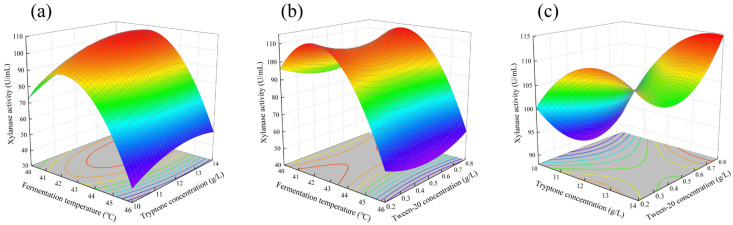 Figure 2
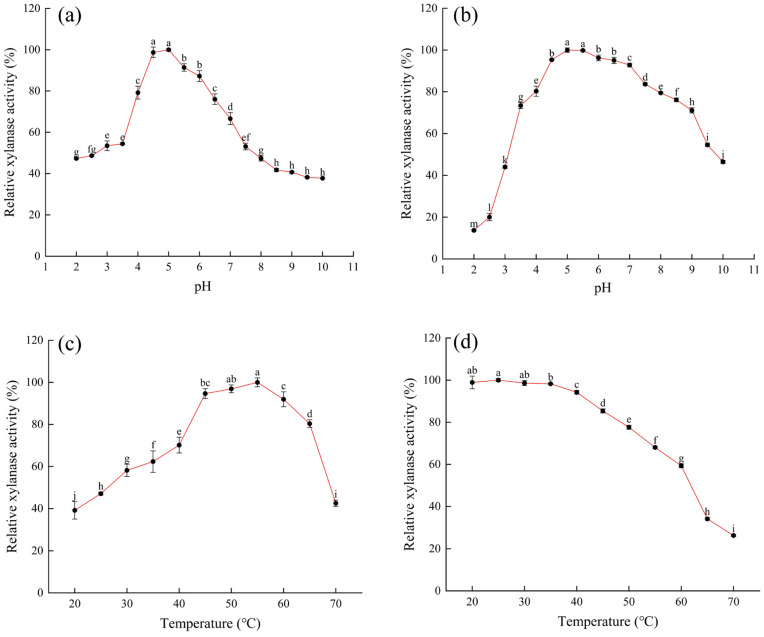 Figure 3
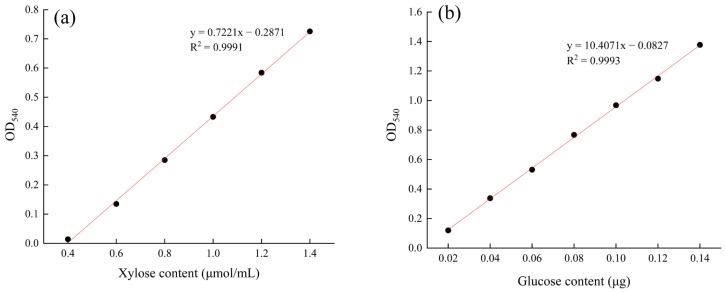 Figure 4
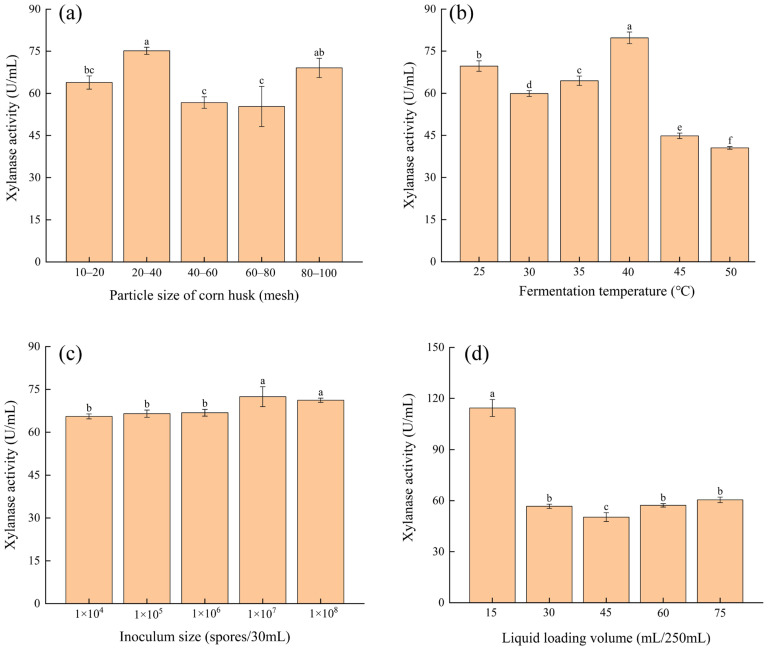 Figure 5
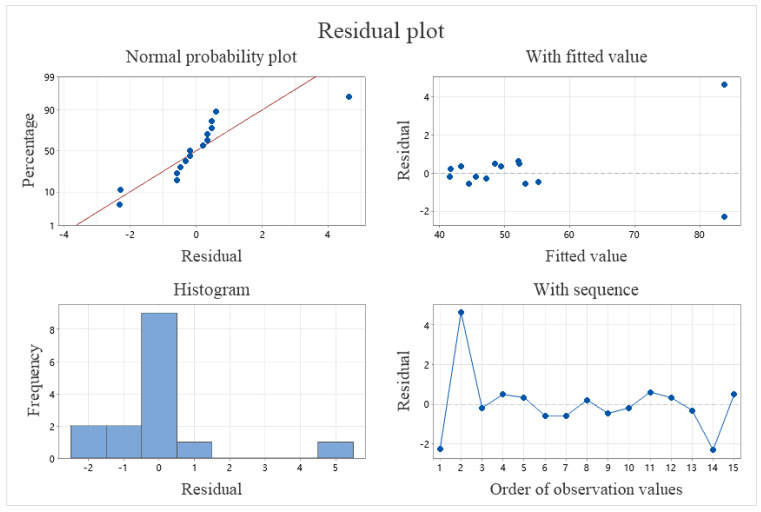 Figure 6
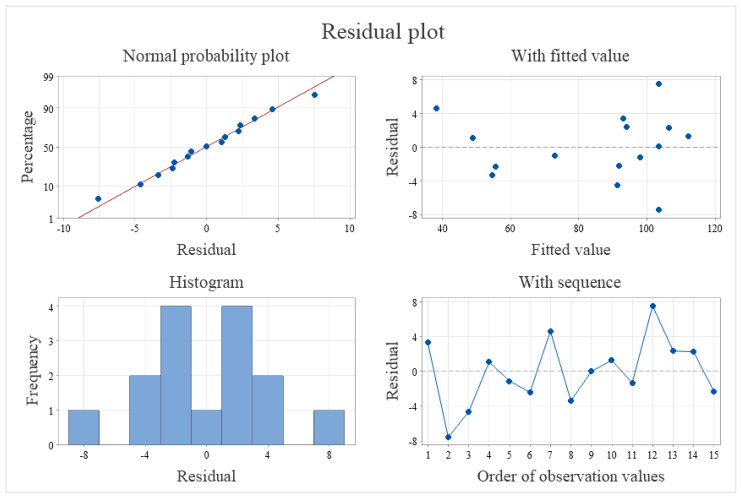 Figure 7
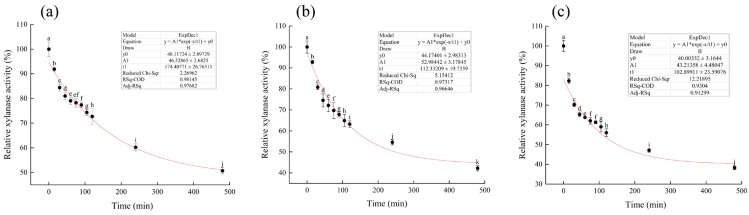 Figure 8
Peer Reviews
No public reviews on file for this paper yet. If you reviewed it on a platform where reviews are public (OpenReview, ICLR, NeurIPS, ICML), you can paste yours below so the community can read it here.
Videos
No videos yet. Explain this paper in a talk, walkthrough, or lecture? Add one.
Taxonomy
TopicsBiofuel production and bioconversion · Enzyme-mediated dye degradation · Agricultural and Environmental Management