Rational Design, Synthesis and Pharmacological Evaluation of Chalcones as Dual-Acting Compounds—Histamine H3 Receptor Ligands and MAO-B Inhibitors
Dorota Łażewska, Agata Doroz-Płonka, Kamil Kuder, Agata Siwek, Waldemar Wagner, Joanna Karnafał-Ziembla, Agnieszka Olejarz-Maciej, Małgorzata Wolak, Monika Głuch-Lutwin, Barbara Mordyl, Oktawia Osiecka, Michał Juszczak, Katarzyna Woźniak, Małgorzata Więcek, Gniewomir Latacz

TL;DR
This paper reports the design and testing of chalcone compounds that act on two brain targets, which could be useful for treating neurodegenerative diseases and brain cancers.
Contribution
The study introduces piperidinyl chalcones as dual-acting ligands for histamine H3 receptor and MAO-B with SPRM analysis of H3R interactions.
Findings
Compound 15 showed nanomolar affinity for H3R and micromolar inhibition of MAO-B.
SPRM was first used to study H3R interactions with ligands like compound 15 and pitolisant.
Compound 15 caused cell cycle arrest and mitochondrial disruption in cancer cells.
Abstract
Chalcone-based derivatives were designed as dual-acting ligands targeting the histamine H3 receptor (H3R) and monoamine oxidase B (MAO-B), based on the lead compound DL76. Three series of compounds (1–18) were synthesised and characterised, including simple chalcones (1–9) and piperidinyl chalcones (10–18). All piperidinyl derivatives exhibited nanomolar affinity for human H3R (hH3R), with compounds 10–12 achieving Ki values ≤ 30 nM. Simple chalcones showed potent human MAO-B (hMAO-B) inhibition (IC50: 0.85–337 nM), especially 3,4-dichloro derivatives. Compound 15 was the most active hybrid, with a Ki of 46.8 nM for hH3R and an IC50 of 212.5 nM for hMAO-B. Molecular docking and 250 ns simulations revealed stabilising interactions at both binding sites and clarified structural features behind dual activity. Preliminary ADMET profiling showed low Caco-2 permeability and rapid microsomal…
Genes, proteins, chemicals, diseases, species, mutations and cell lines named across the full text — each resolved to its canonical identifier and authoritative record.
Click any figure to enlarge with its caption.
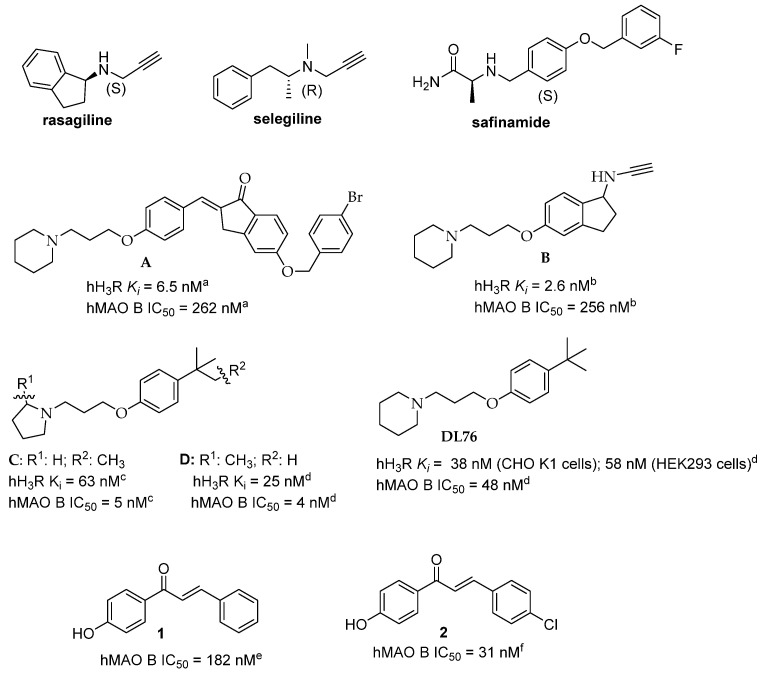 Figure 1
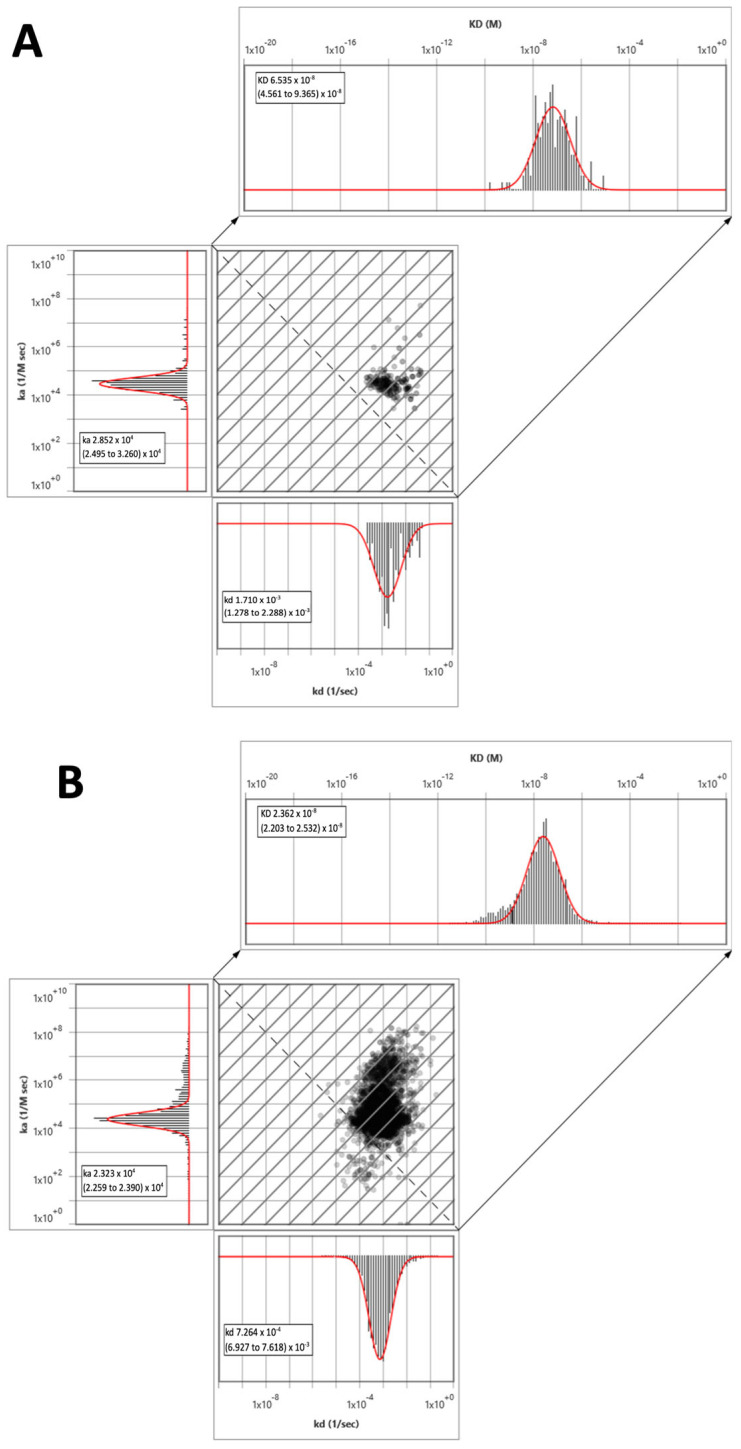 Figure 2
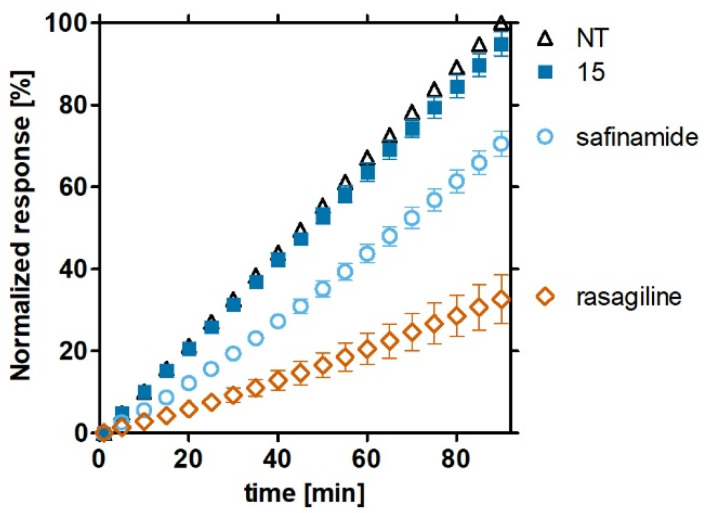 Figure 3
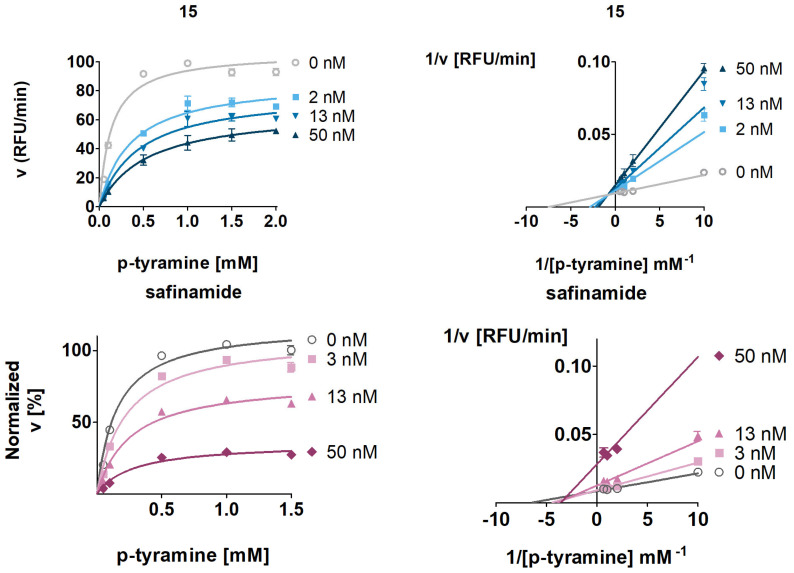 Figure 4
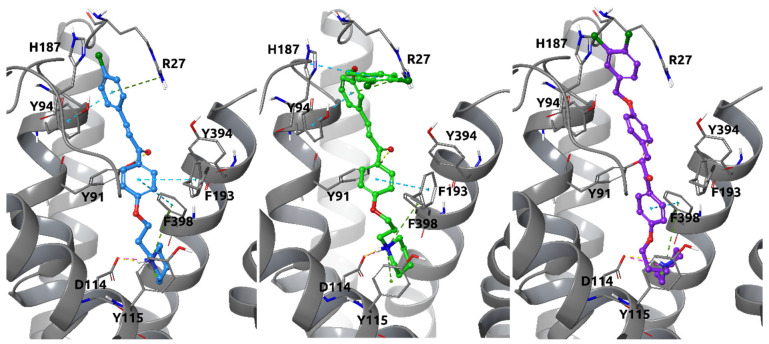 Figure 5
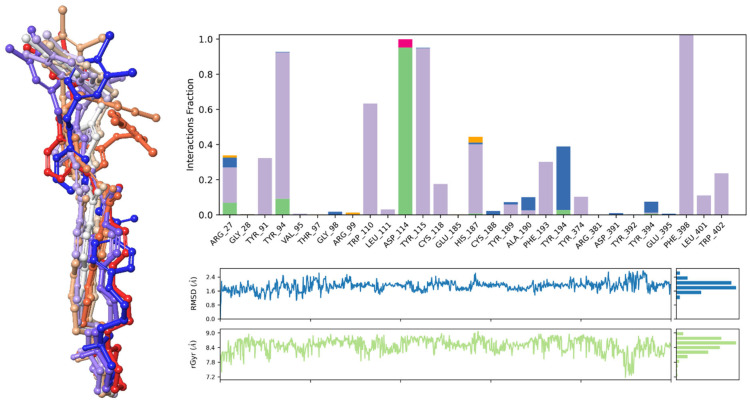 Figure 6
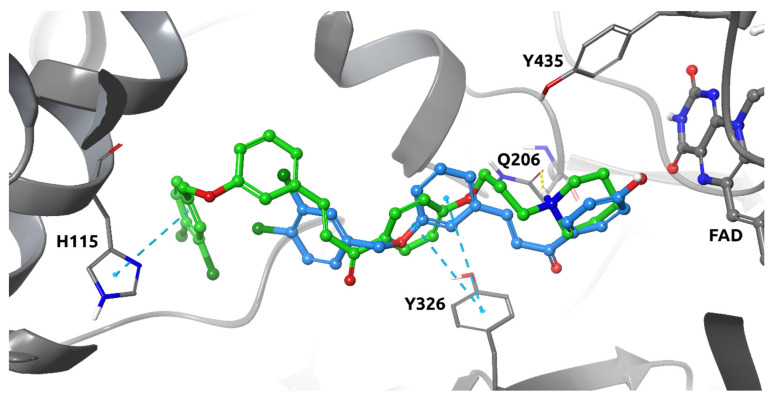 Figure 7
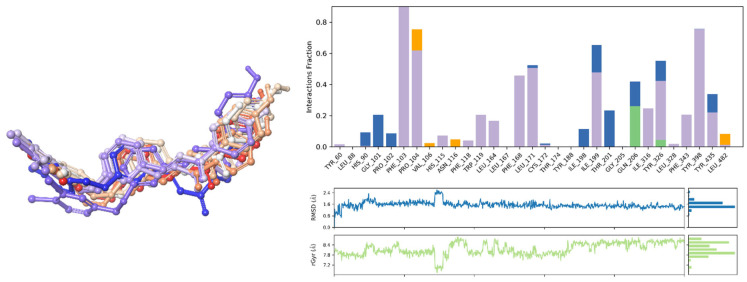 Figure 8
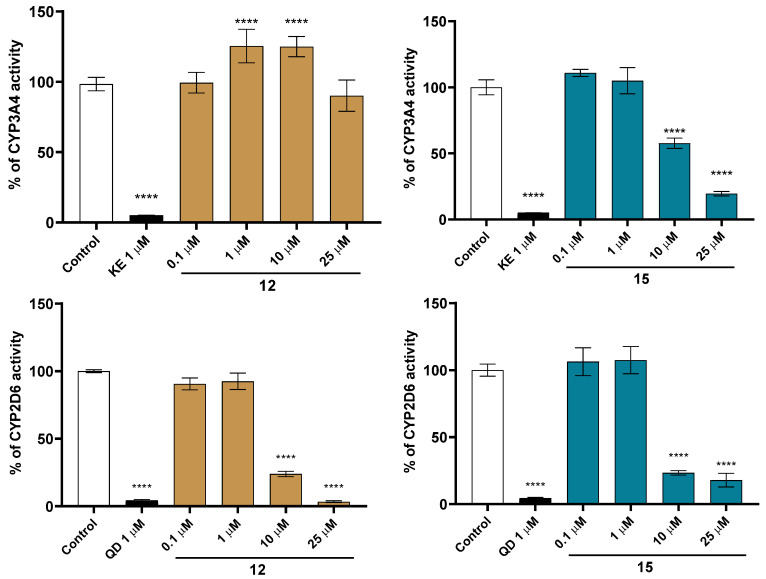 Figure 9
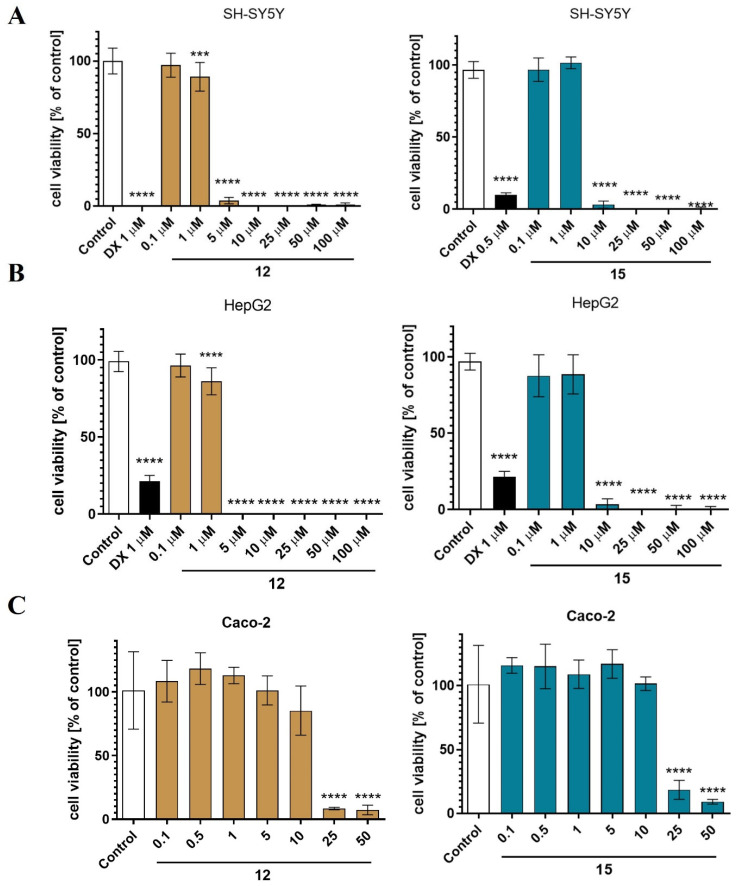 Figure 10
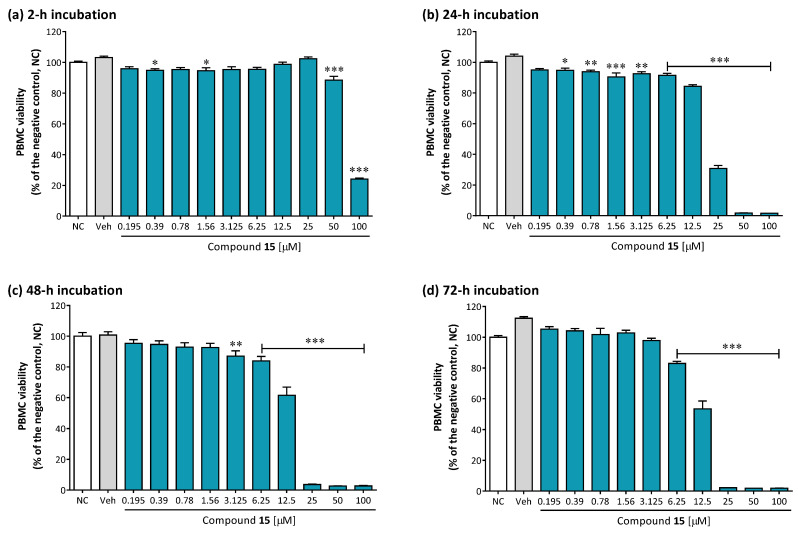 Figure 11
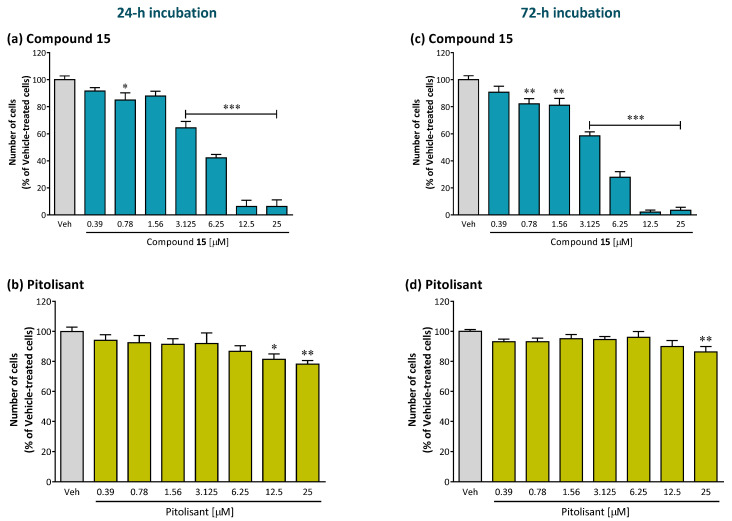 Figure 12
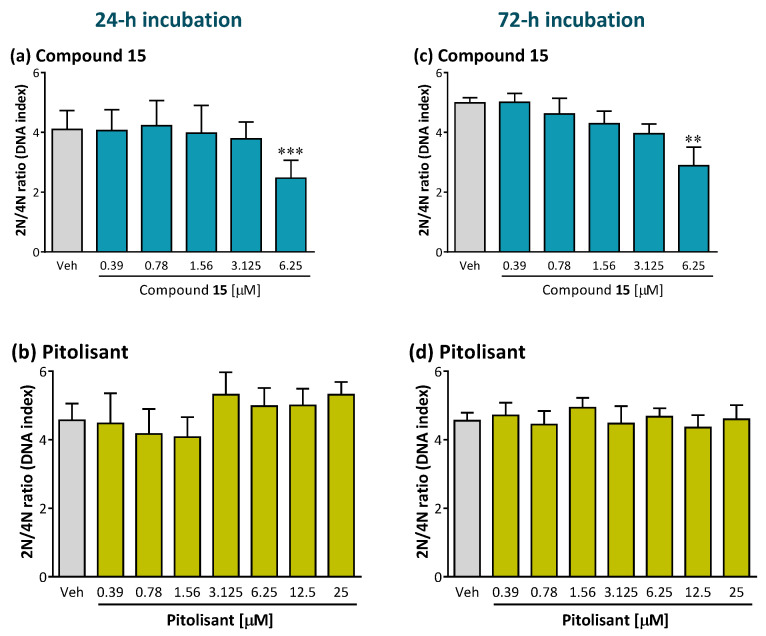 Figure 13
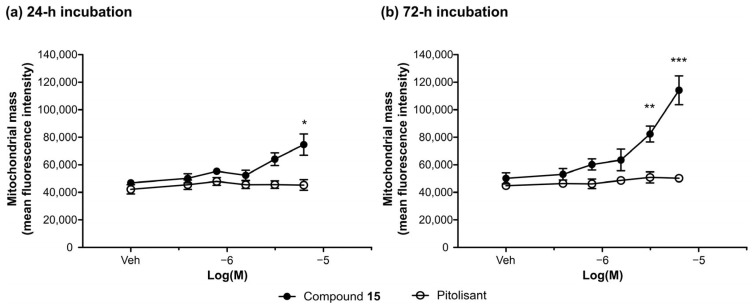 Figure 14
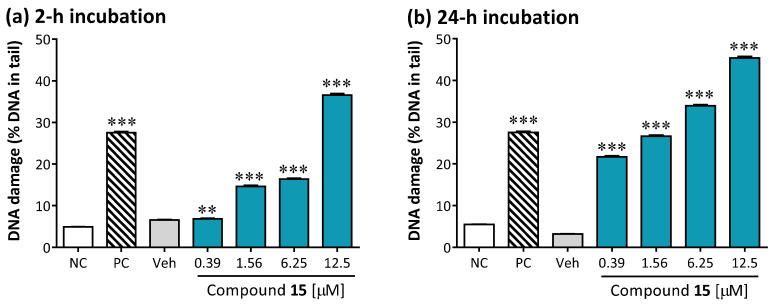 Figure 15
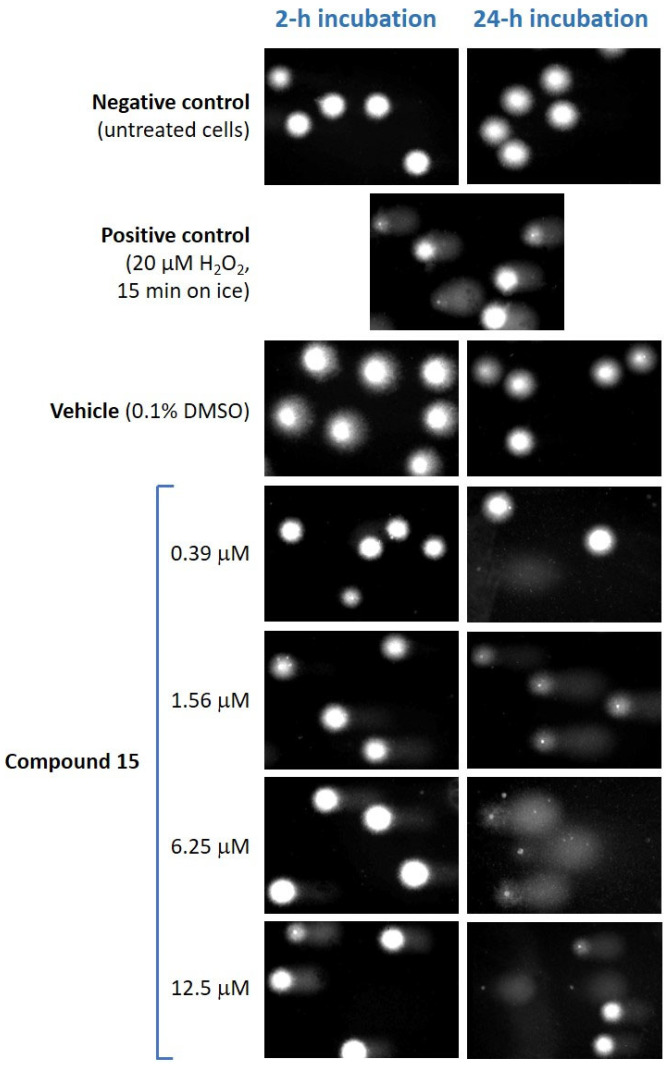 Figure 16
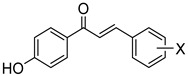 Figure 17
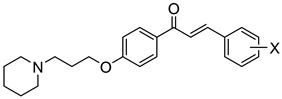 Figure 18
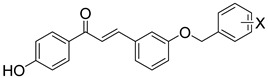 Figure 19
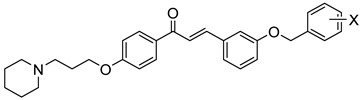 Figure 20
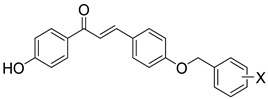 Figure 21
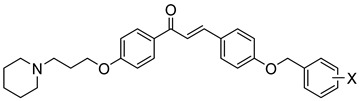 Figure 22
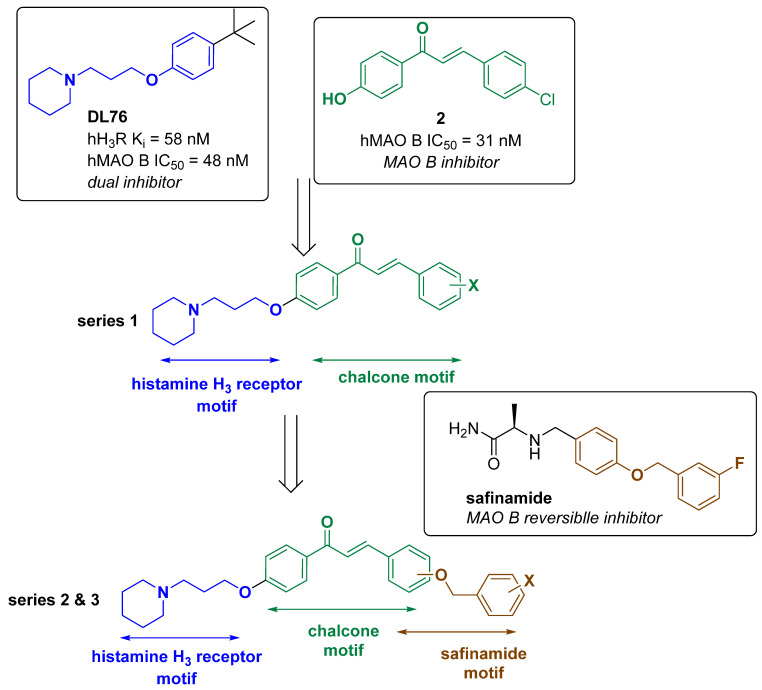 Figure 23
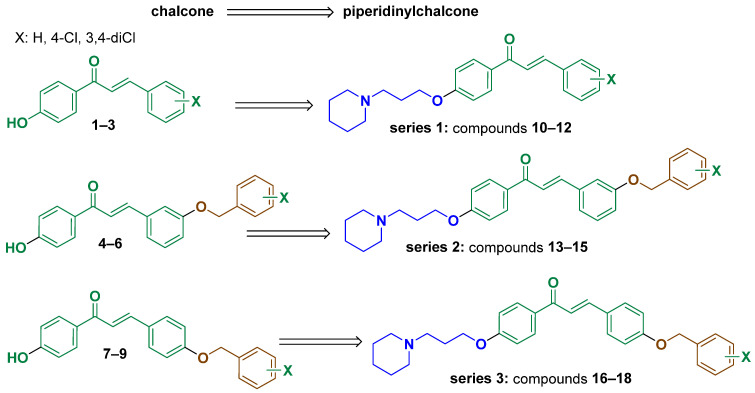 Figure 24
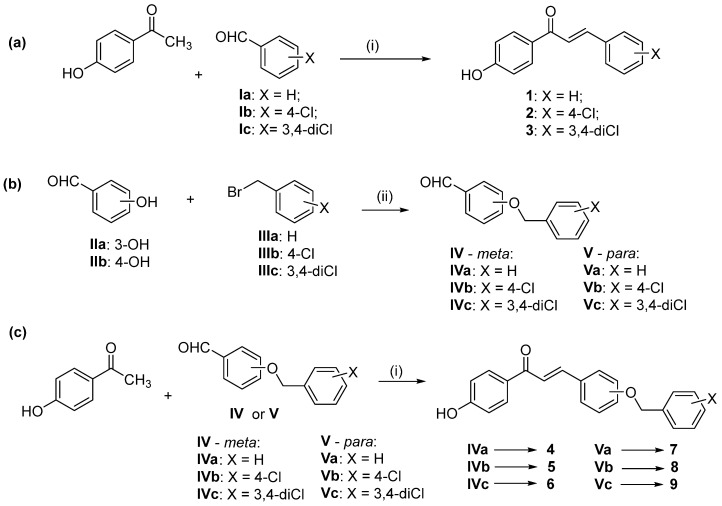 Figure 25
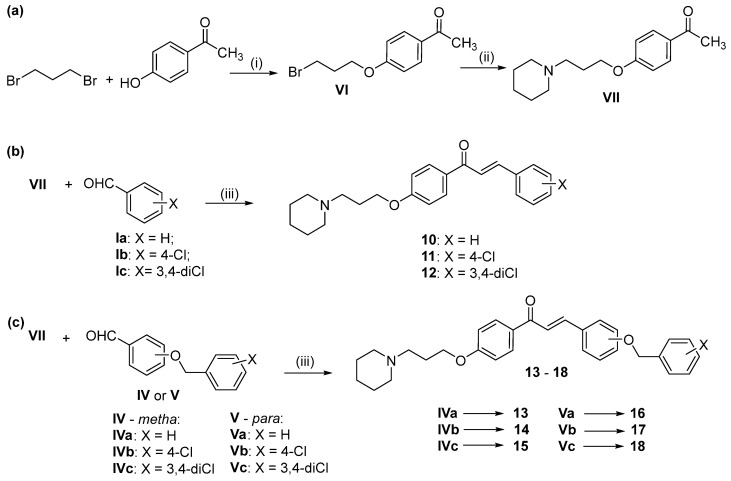 Figure 26
Peer Reviews
No public reviews on file for this paper yet. If you reviewed it on a platform where reviews are public (OpenReview, ICLR, NeurIPS, ICML), you can paste yours below so the community can read it here.
Videos
No videos yet. Explain this paper in a talk, walkthrough, or lecture? Add one.
Taxonomy
TopicsMast cells and histamine · Polyamine Metabolism and Applications · Phenothiazines and Benzothiazines Synthesis and Activities