Natural Compounds in Gastric Cancer Therapy: Molecular Mechanisms and Potential Treatment Options
Alexandra Dimaki, Lydia Lazaridou, Kalliopi Vakalou, Vasilios Zervas, Dimitra Bartzi, Kyriaki Tsagkidou, Panagiotis Dimitrios Papadopoulos, Konstantinos Eleftherios Koumarelas, Grigorios Christodoulidis

TL;DR
This review explores how natural compounds like curcumin and resveratrol may help treat gastric cancer by enhancing chemotherapy and reducing resistance.
Contribution
The paper provides a comprehensive overview of the molecular mechanisms and therapeutic potential of curcumin and resveratrol in gastric cancer treatment.
Findings
Curcumin induces apoptosis, endoplasmic stress, and cell cycle arrest in gastric cancer cells.
Resveratrol enhances apoptosis and reduces inflammation, improving cancer cell sensitivity to chemotherapy.
Both compounds may help prevent chemoresistance and support innovative treatment strategies for gastric cancer.
Abstract
Gastric cancer (GC) is the fifth most common type of cancer and a leading cause of cancer-related deaths worldwide. Surgery remains the most effective treatment, but new therapeutic strategies are urgently needed. The use of natural polyphenolic compounds such as curcumin (CUR) and resveratrol (RSV) has played a significant role in this effort. This review provides a comprehensive overview of the current applications and molecular mechanisms of curcumin and resveratrol in gastric cancer, highlighting their therapeutic potential and translational relevance. Analytically, CUR induces apoptosis, endoplasmic stress and cell cycle arrest. On the other hand, resveratrol enhances apoptosis and reduces inflammation. Both compounds increase cancer cell sensitivity to chemotherapy and help prevent chemoresistance, highlighting their potential as molecular enhancers in anticancer therapy. Combined…
Genes, proteins, chemicals, diseases, species, mutations and cell lines named across the full text — each resolved to its canonical identifier and authoritative record.
Click any figure to enlarge with its caption.
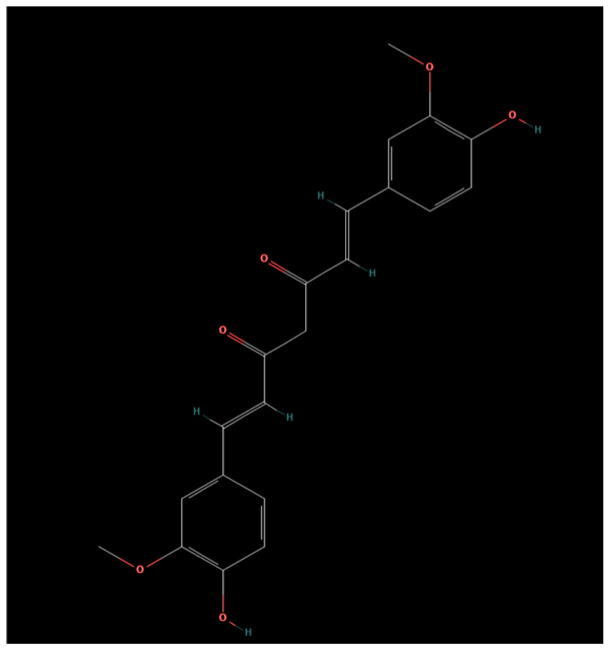 Figure 1
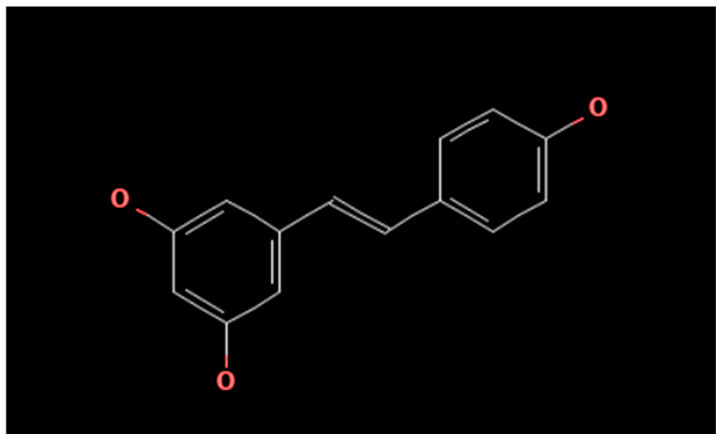 Figure 2
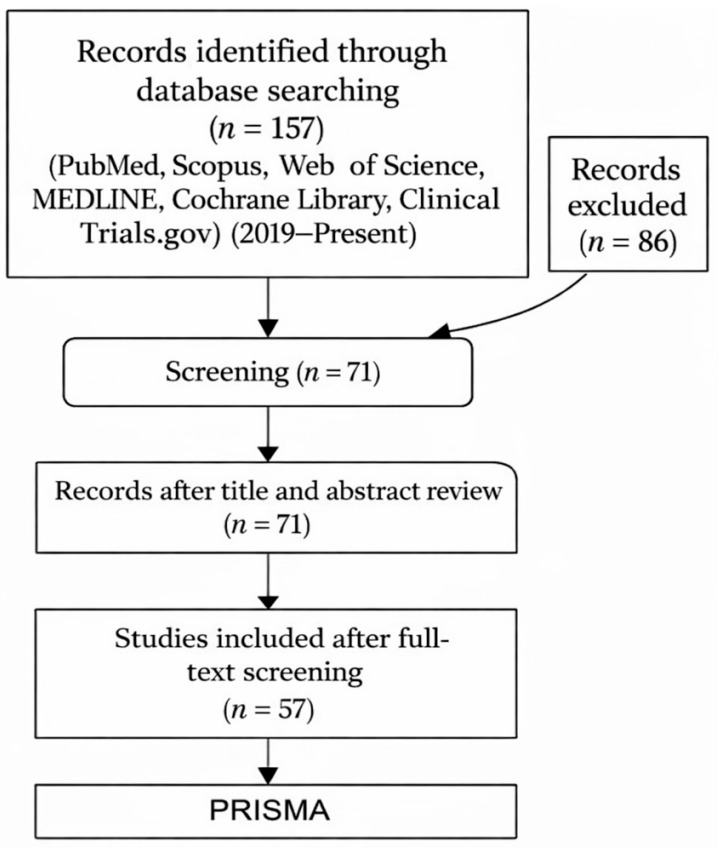 Figure 3
Peer Reviews
No public reviews on file for this paper yet. If you reviewed it on a platform where reviews are public (OpenReview, ICLR, NeurIPS, ICML), you can paste yours below so the community can read it here.
Videos
No videos yet. Explain this paper in a talk, walkthrough, or lecture? Add one.
Taxonomy
TopicsCurcumin's Biomedical Applications · Sirtuins and Resveratrol in Medicine · Flavonoids in Medical Research