Transcriptomic Insights into the Molecular Responses of Red Imported Fire Ants (Solenopsis invicta) to Beta-Cypermethrin and Cordyceps cicadae
Ruihang Cai, Xiaola Li, Yiqiu Chai, Zhe Liu, Yihu Pan, Yougao Liu

TL;DR
This study uses transcriptomics to explore how red imported fire ants respond to two different pesticides, revealing key genes and pathways involved in their molecular responses.
Contribution
The study provides novel insights into the molecular responses of S. invicta to beta-cypermethrin and Cordyceps cicadae through transcriptomic analysis.
Findings
Beta-cypermethrin caused significantly more differentially expressed genes than Cordyceps cicadae.
Higher pesticide concentrations increased the number of differentially expressed genes.
Immune-related genes were downregulated with beta-cypermethrin but upregulated with Cordyceps cicadae.
Abstract
Background: Solenopsis invicta, commonly known as the red imported fire ant (RIFA), is an important global invasive pest, and its management is challenging because of insecticide resistance and environmental problems. Methods: In this research, we applied transcriptomics to analyze the molecular responses of S. invicta worker ants exposed to different types of pesticides, beta-cypermethrin (BC) and the entomopathogenic fungus Cordyceps cicadae (CC), as well as to different concentrations of these pesticides. Results: A total of 2727 differentially expressed genes (DEGs) were identified across all samples. The number of DEGs in the BC treatment group was significantly higher than that in the CC treatment group (2520 vs. 433), and higher concentrations resulted in more DEGs (an increase of 47 in the BC group and 229 in the CC group). KEGG pathway analysis revealed that the DEGs were…
Genes, proteins, chemicals, diseases, species, mutations and cell lines named across the full text — each resolved to its canonical identifier and authoritative record.
Click any figure to enlarge with its caption.
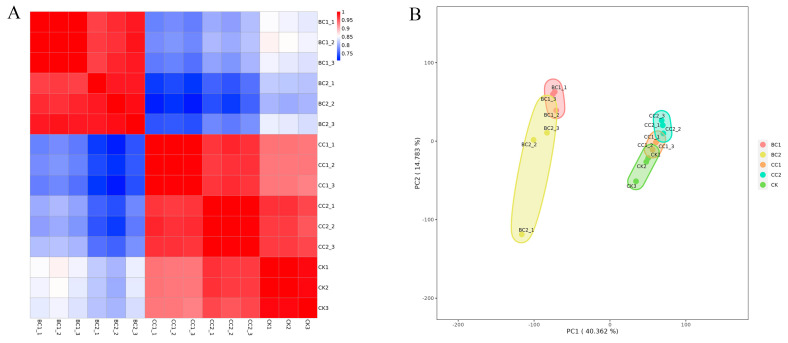 Figure 1
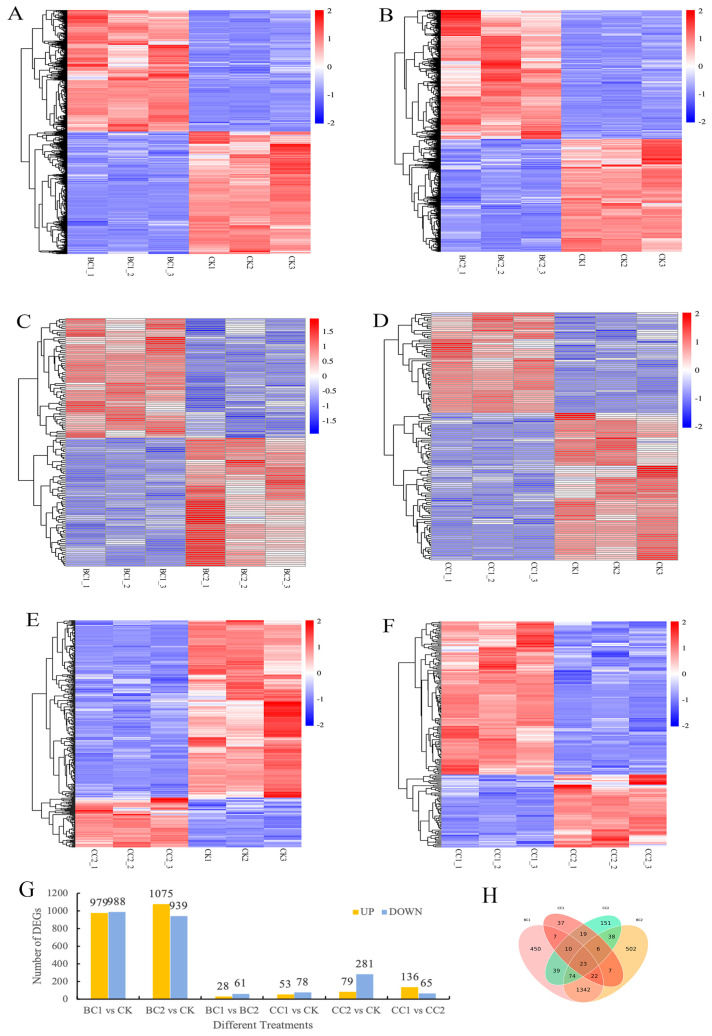 Figure 2
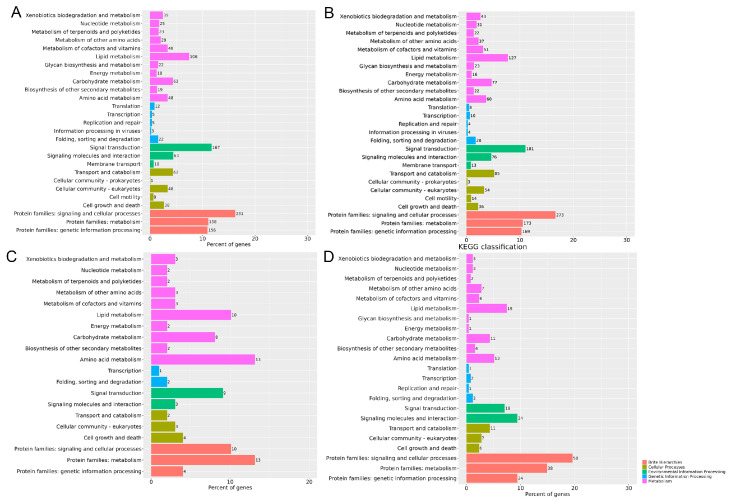 Figure 3
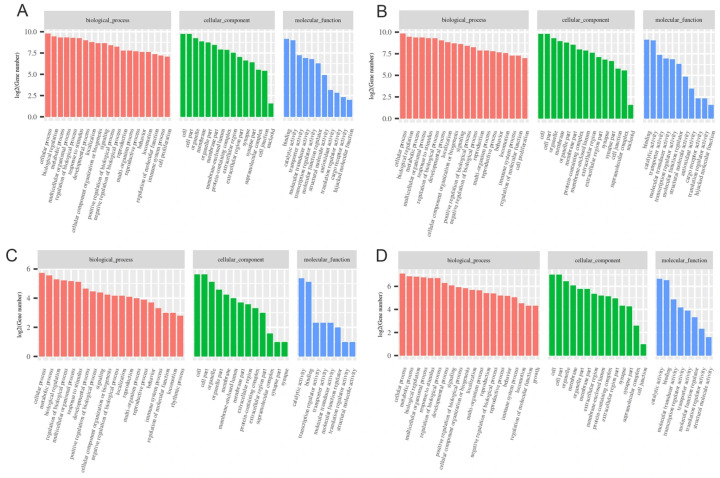 Figure 4
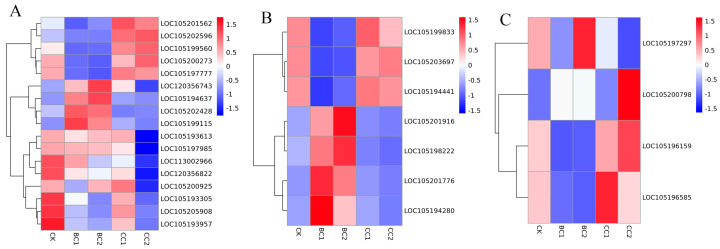 Figure 5
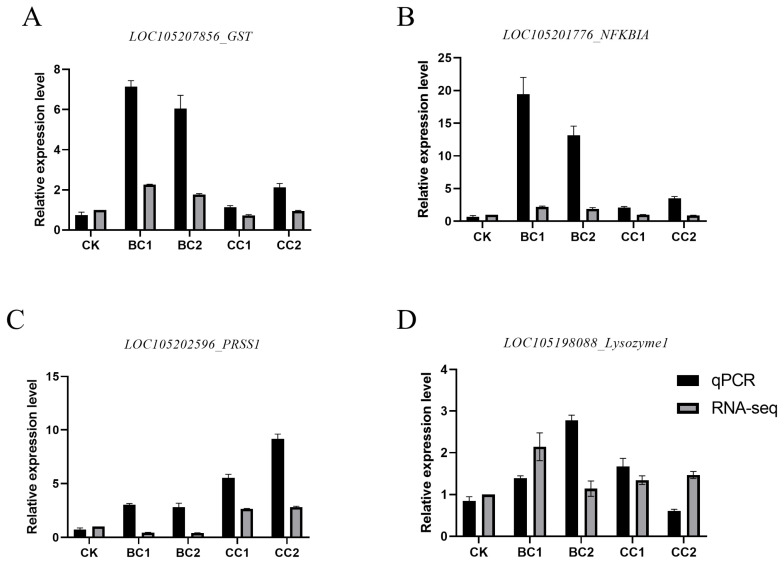 Figure 6
Peer Reviews
No public reviews on file for this paper yet. If you reviewed it on a platform where reviews are public (OpenReview, ICLR, NeurIPS, ICML), you can paste yours below so the community can read it here.
Videos
No videos yet. Explain this paper in a talk, walkthrough, or lecture? Add one.
Taxonomy
TopicsEntomopathogenic Microorganisms in Pest Control · Insect and Arachnid Ecology and Behavior · Neurobiology and Insect Physiology Research